

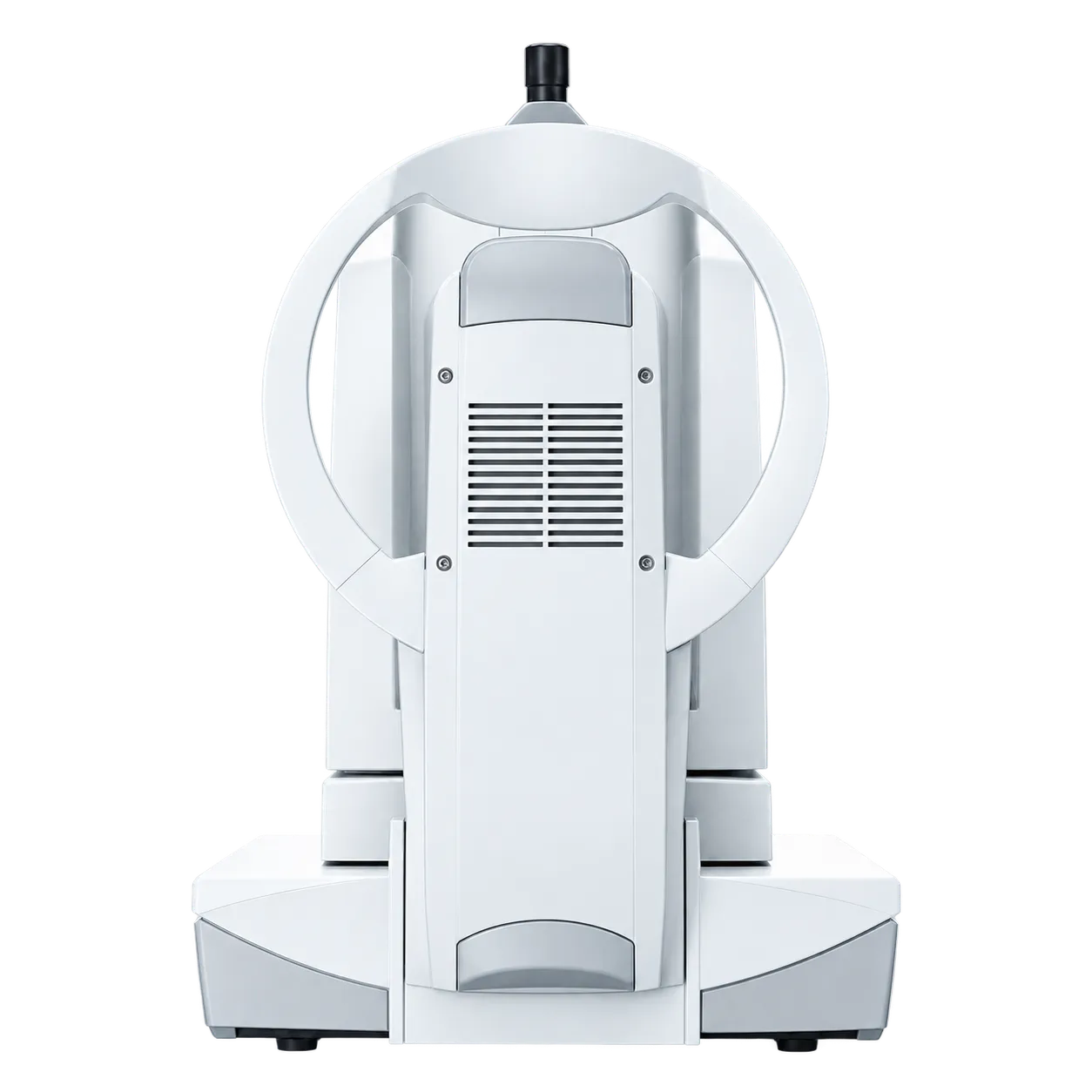
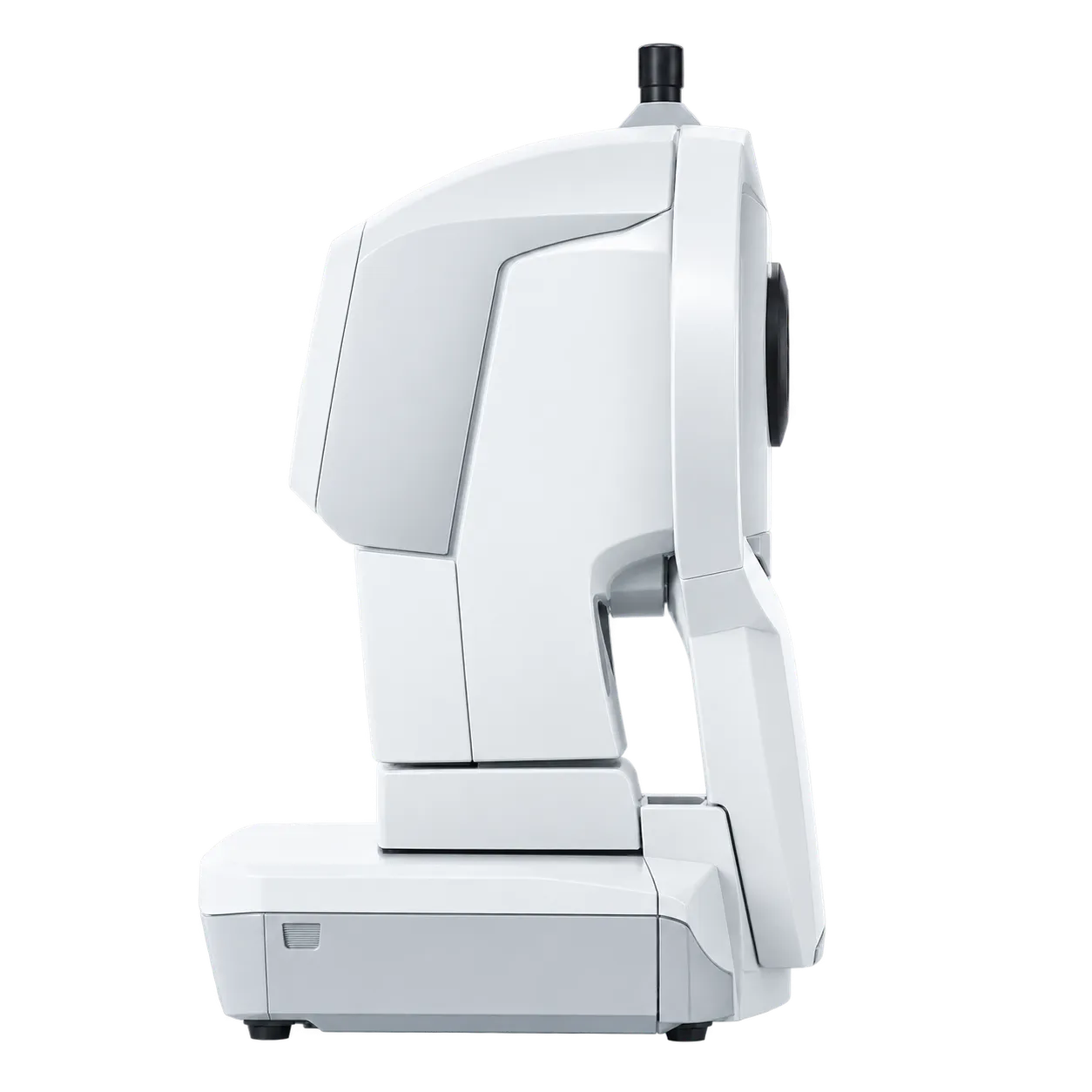
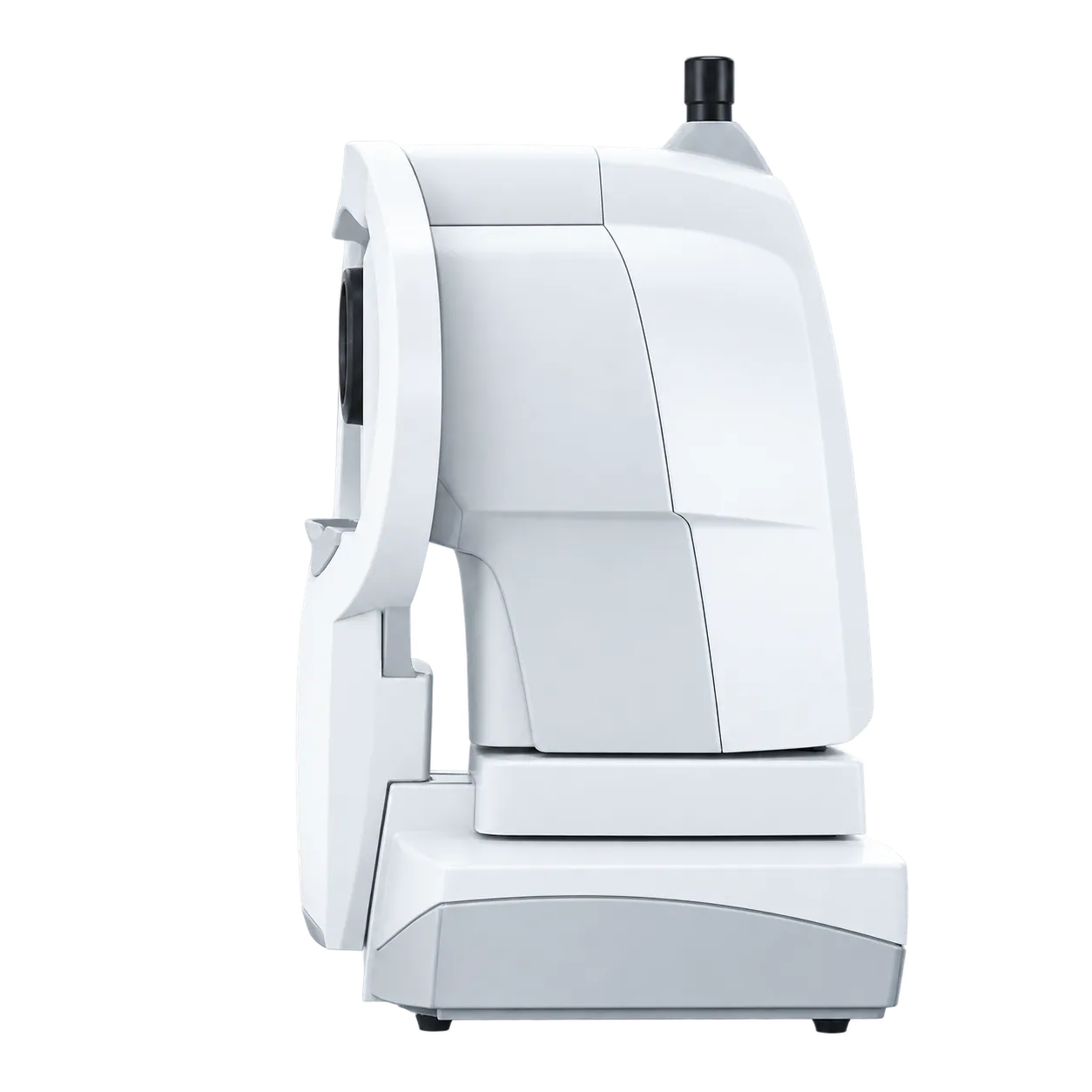
Cataract assessment is the central setting for the IOLMaster 700. Ophthalmologists, optometrists, and trained ophthalmic staff use its dimensional measurements when preparing an eye for intraocular lens selection. Axial length and corneal curvature establish important inputs for the calculation, while anterior chamber depth and lens thickness add anatomical information used by the selected formula. Cross-sectional images keep the position of the measurement boundaries available during the assessment.
Toric implant planning places particular emphasis on corneal power and astigmatism. In a TK-enabled configuration, the examination includes information from the posterior corneal surface alongside anterior keratometry. Configured Central Topography displays the distribution of anterior and total power across the central cornea. These findings help the clinician relate the selected numerical inputs to the visible shape pattern before choosing the implant calculation and axis plan.
Eyes with previous corneal refractive treatment form another supported planning context. Haigis-L and the available Barrett True-K calculations address relevant calculation pathways, with their use determined by the clinical assessment and active software configuration. The central maps contribute shape information to that assessment. Each calculation remains linked to the selected eye, implant model, formula, and target refraction.
Within a cataract department, the instrument also serves the transition from examination to surgical planning. Stored results, configured reference images,s and compatible ZEISS workflow connections carry the measurements into the planning environment. Daily calibration testing and assessment of fixation give the acquisition team defined points for checking the measurement before it is used. The resulting examination combines numerical dimensions with visible anatomical context for the clinician's IOL decision.