
Bedside and Domiciliary Measurement
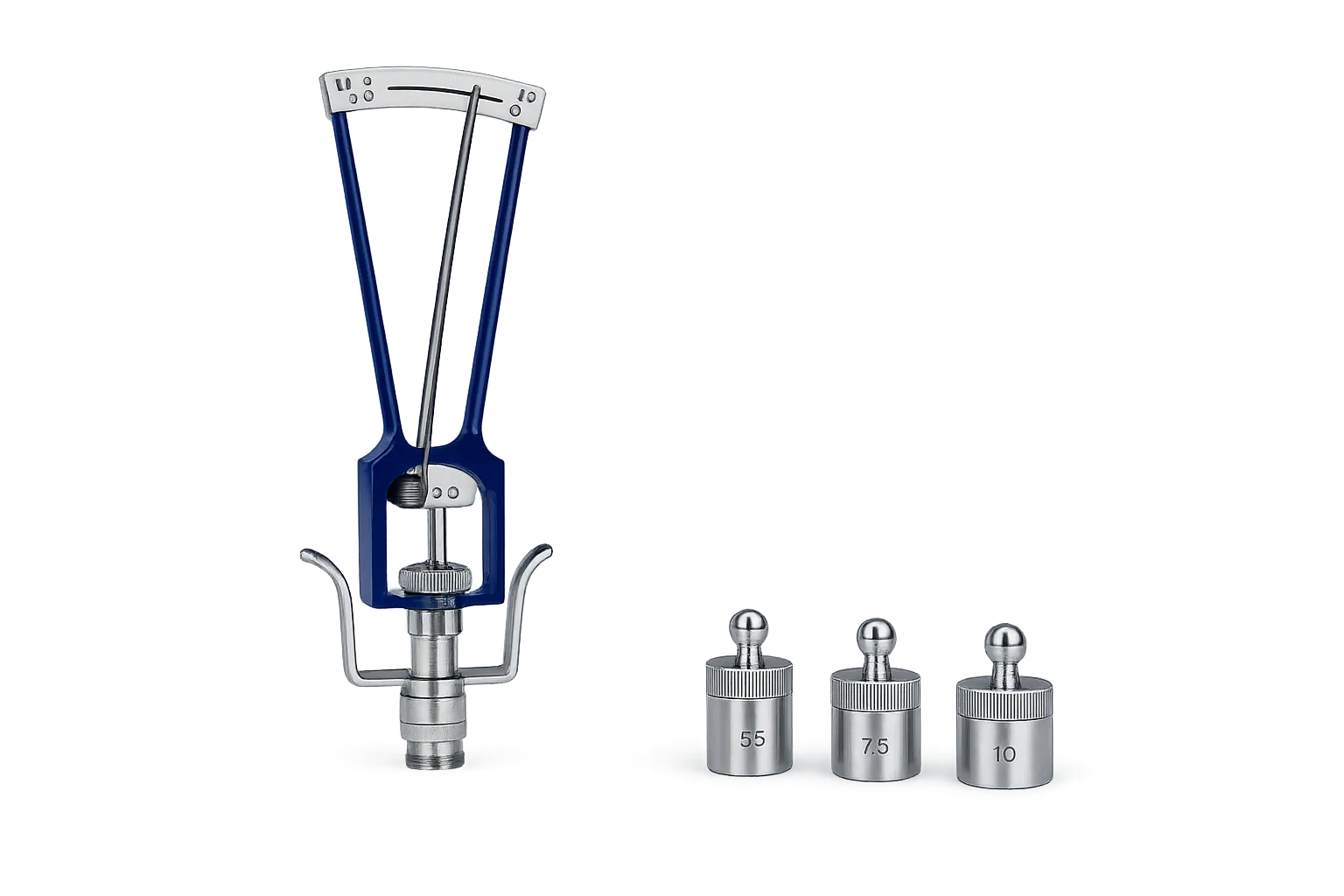
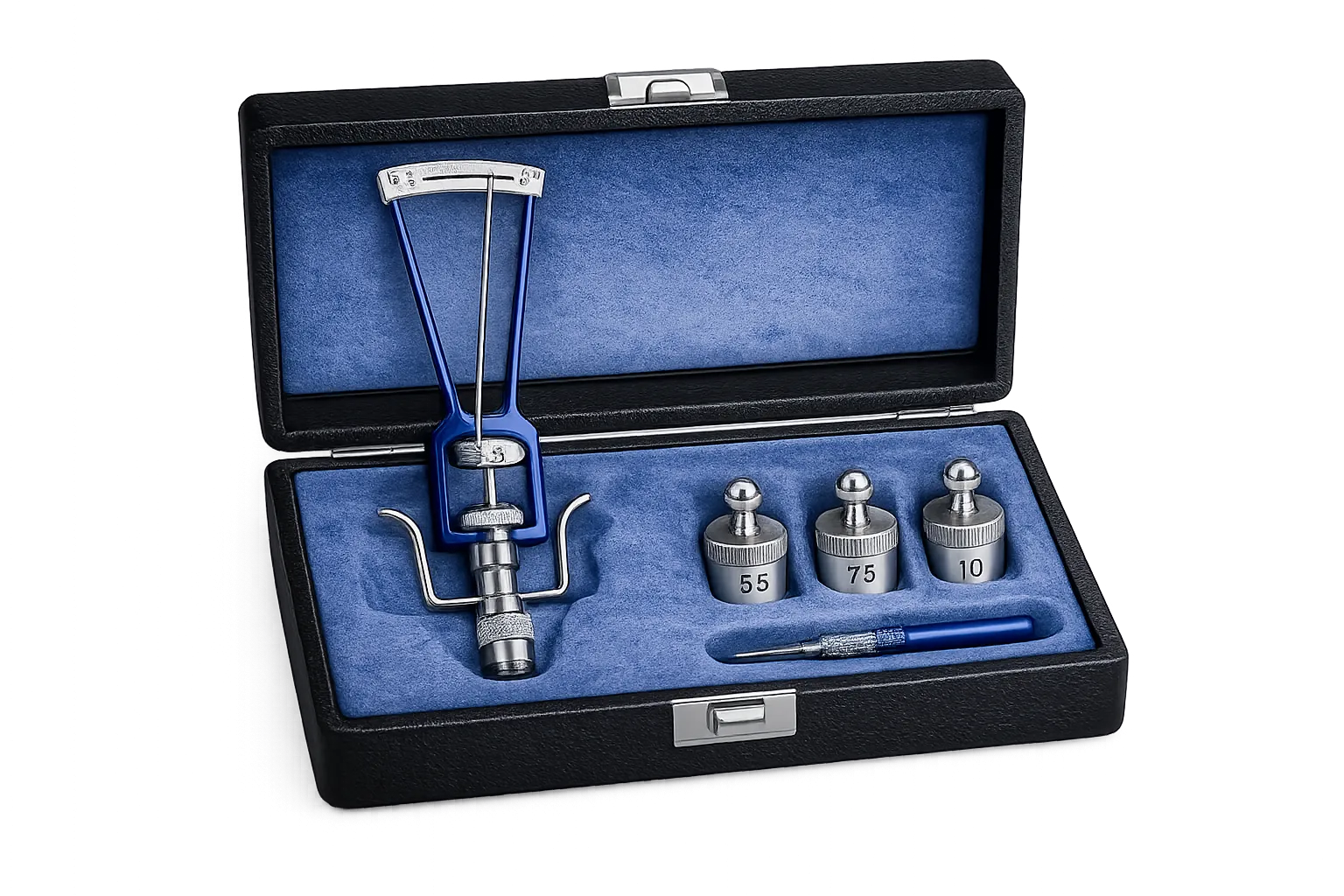
Because no slit lamp is needed and the patient is examined lying down, pressure can be measured at a bedside, in a care home or wherever a patient cannot be brought to a clinic instrument. That reach is the principal reason a service holds an instrument of this kind alongside its mounted equipment. Mounted equipment cannot follow a patient to a bedside. Care homes and bedsides both come within reach as a result. Holding one alongside mounted equipment extends a service.
Settings Without Ophthalmic Equipment
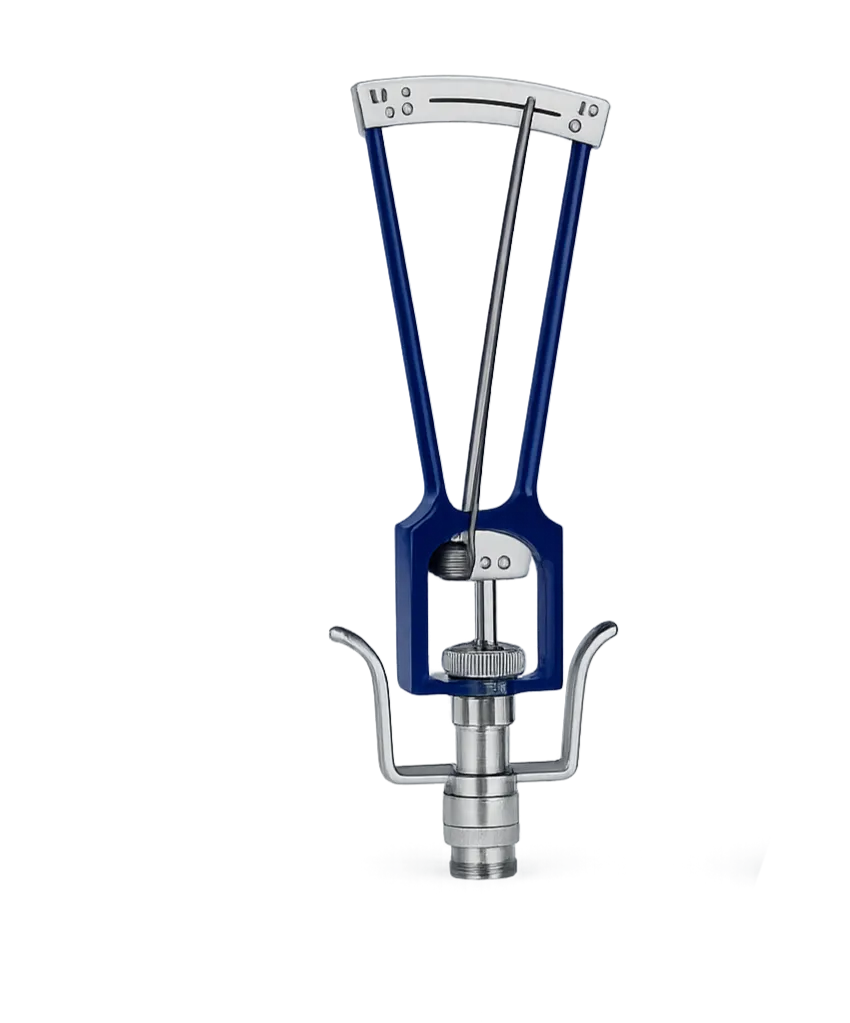
Emergency departments, general practice and community services rarely carry mounted ophthalmic instruments. A handheld tonometer requiring no stand and no power gives those settings a means of measuring pressure, with interpretation resting entirely with the clinician taking the reading. No power supply is needed at the point of use. Interpretation rests with whoever takes the reading. Community services benefit from that independence.
Patients Unable to Sit at a Slit Lamp
Some patients cannot be positioned at a slit lamp at all, whether through mobility, frailty or the circumstances of their presentation. An instrument used with the patient supine reaches those cases, and that is a capability mounted equipment simply does not have. Mobility and frailty both bear on that positioning. Circumstances of presentation also bear on positioning. Supine examination reaches cases nothing else can.
Services Reviewing Decontamination
Any instrument contacting the cornea of successive patients falls within a department's decontamination policy. Stainless steel and acid resistant construction bear on what cleaning is possible, but the disinfection protocol itself is not stated and needs establishing. Protocol rather than materials governs the practice. Decontamination policy covers instruments touching the eye. Materials permit cleaning but do not define the protocol.