
Intraocular Pressure Measurement
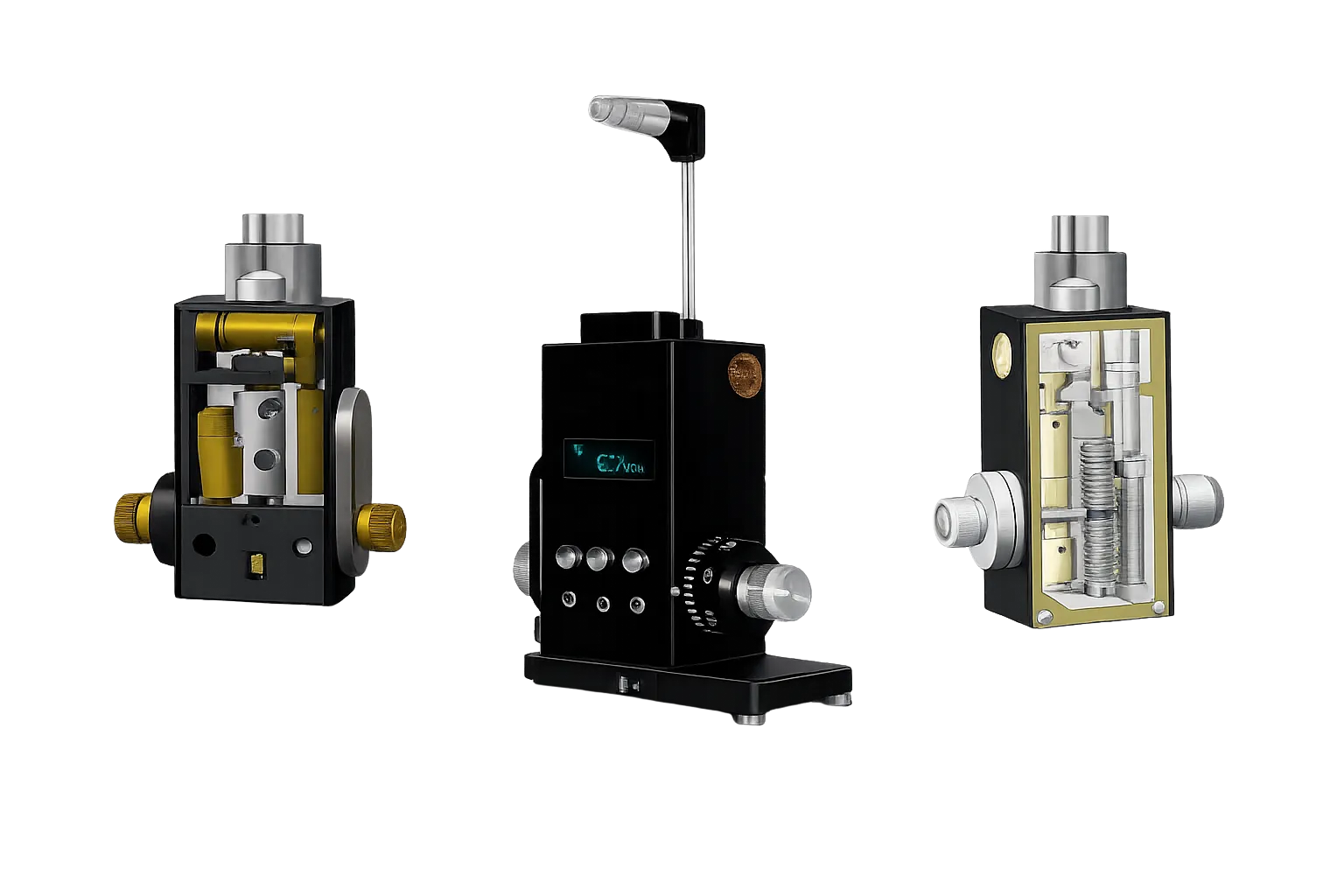
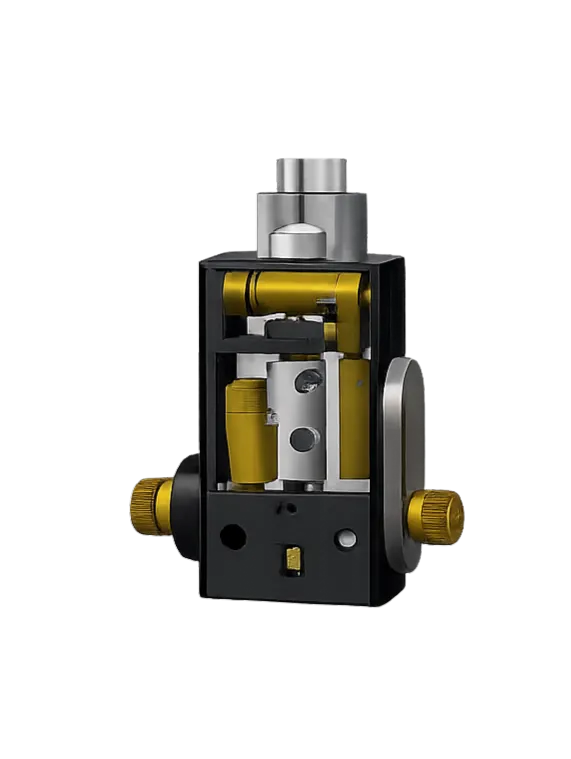
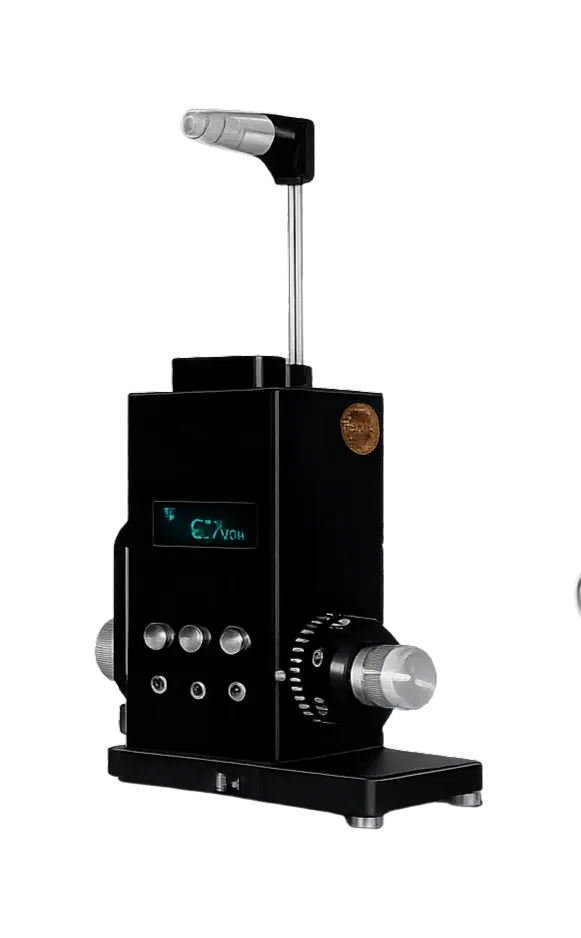
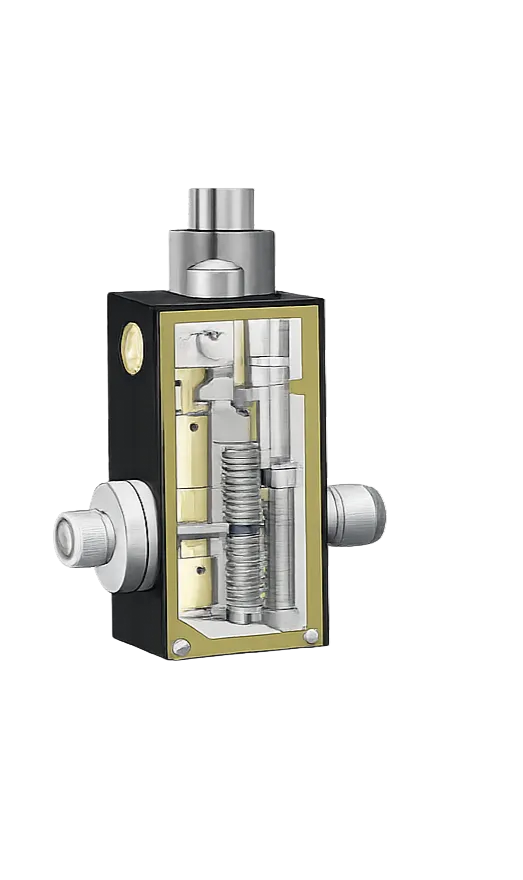
Applanation measures pressure by flattening a defined corneal area and recording the force required. This instrument presents that reading digitally and mechanically together. How a reading is interpreted, and what follows from it, rests entirely with the clinician performing the examination. The instrument measures; the clinician decides what follows. Applanation depends on contact with the corneal surface. Force required to flatten that area gives the reading.
Services Recording in Either Unit
Switchable kilopascal and millimetre of mercury display suits departments whose records or protocols use one convention rather than the other, and removes the conversion step that would otherwise sit between measurement and documentation. Both units present the same underlying measurement. Recording the figure read avoids a step where errors enter. Protocols and records differ between services considerably. The reading appears in whichever unit is wanted.
Clinics With Mixed Operator Preference
Presenting the reading on a digital display and a mechanical scale at once means staff accustomed to either method work without adapting. In a department where several clinicians use the same instrument, that removes a source of friction rather than requiring everyone to converge on one approach. Friction between staff and equipment is worth removing. Several clinicians commonly share one instrument. Nobody has to adapt to somebody else's preference.
Departments Evaluating Against Specification
Any service comparing instruments works from measuring range, accuracy, prism specification and mounting compatibility. None of those appears on this card, so an evaluation cannot proceed on the documentation alone and Medigear.uk should supply the figures first. Figures rather than feature lists support a real comparison. Medigear.uk should supply those figures at the outset. Range and accuracy are the first questions asked.