
Explaining Findings to Patients
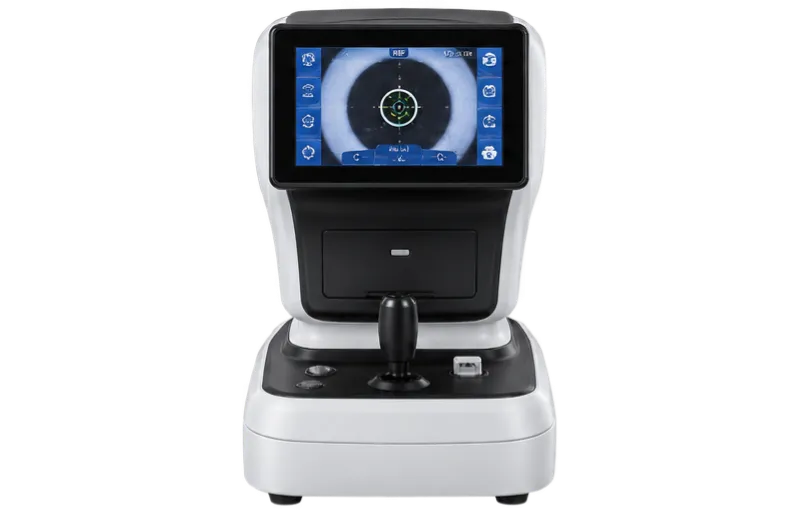
A coloured map and a trial preview together give a patient something to look at and look through, rather than a printout of figures. For explaining why a correction is being recommended, that is more use than numbers, though the recommendation itself is clinical. Numbers alone explain very little. Recommendation stays a clinical matter. Maps and previews both help considerably. Figures alone explain very little. Understanding improves accordingly. Something to look at and through helps. Explanation becomes far more straightforward.
Contact Lens Practices
Base curve measurement verifies a lens against its stated parameters, and keratometry covers the corneal side. Both from one instrument suits a practice fitting lenses regularly, with fitting decisions resting with the practitioner. Lens and cornea are both covered here. Fitting rests with the practitioner. Verification against packaging is routine work. Keratometry covers the corneal side. Both arrive together here. Lens verification is regular practice work. One instrument serves the whole fitting.
Practices Working in Either Cylinder Convention
Cylinder reports as minus, plus or mixed, so output matches existing practice rather than requiring conversion. Conversion between conventions is a routine source of transcription error. Conversion is a routine error source. Existing practice is accommodated. Practices differ in their working convention. Neither requires conversion here. Errors are avoided accordingly. Conversion steps invite avoidable mistakes. Output matches the practice directly.
Services Recording to a Computer
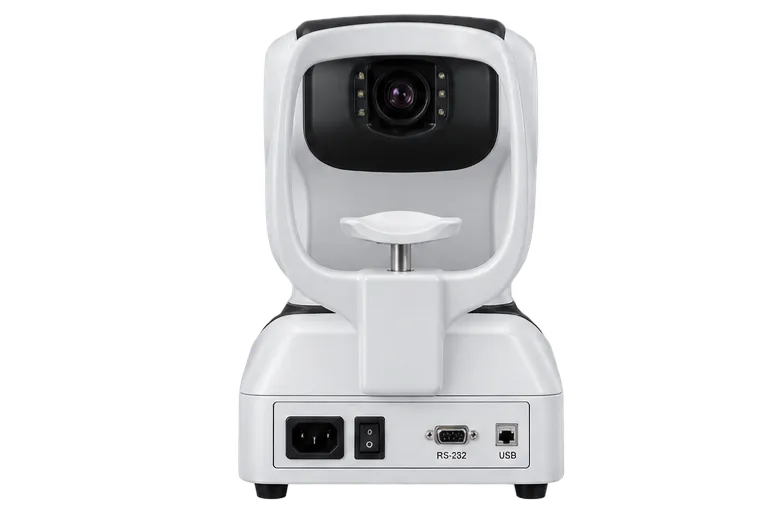
PC output sends results onward for discussion or record keeping. What the connection involves, and how patient data is handled once transferred, should be established with Medigear.uk. Records reach a computer directly. Data handling should be established. Discussion and record keeping both benefit. Transferred data carries obligations. Arrangements need establishing. Computers receive the results directly. Patient data obligations follow throughout.
Key Advantages
Three qualities define this instrument in daily clinical use.
The Patient Sees the Result
A trial mode lets someone look through their own measured correction before anything is dispensed. Explaining a refraction is difficult with numbers alone, and letting a patient experience the correction directly does more than any printout, which is why this feature is worth more than its place on the card suggests. Printouts convey rather less than experience. Consultations proceed more easily. Experience communicates what numbers cannot. Consultations become considerably easier. Its place on the card understates it.
Six Modes From One Console
Refraction, keratometry, combined, base curve, size and map from a single instrument covers what a contact lens practice does across a fitting. Consolidating them avoids both the cost and the bench space of separate instruments. Separate instruments cost more and occupy space. One console covers the sequence. Bench space and cost both reduce. A whole fitting runs from one console. Separate purchases become unnecessary.
Correct Notation on This Card
Axis is given properly in degrees here, where other cards in the same manufacturer's range print it in dioptres. Documentation that states units correctly lends weight to the figures beside it, which matters when comparing specifications. Comparison depends upon stated units being right. Confidence follows from that. Units stated correctly build real confidence. Other cards in the range fail that. Correct units matter when comparing.