
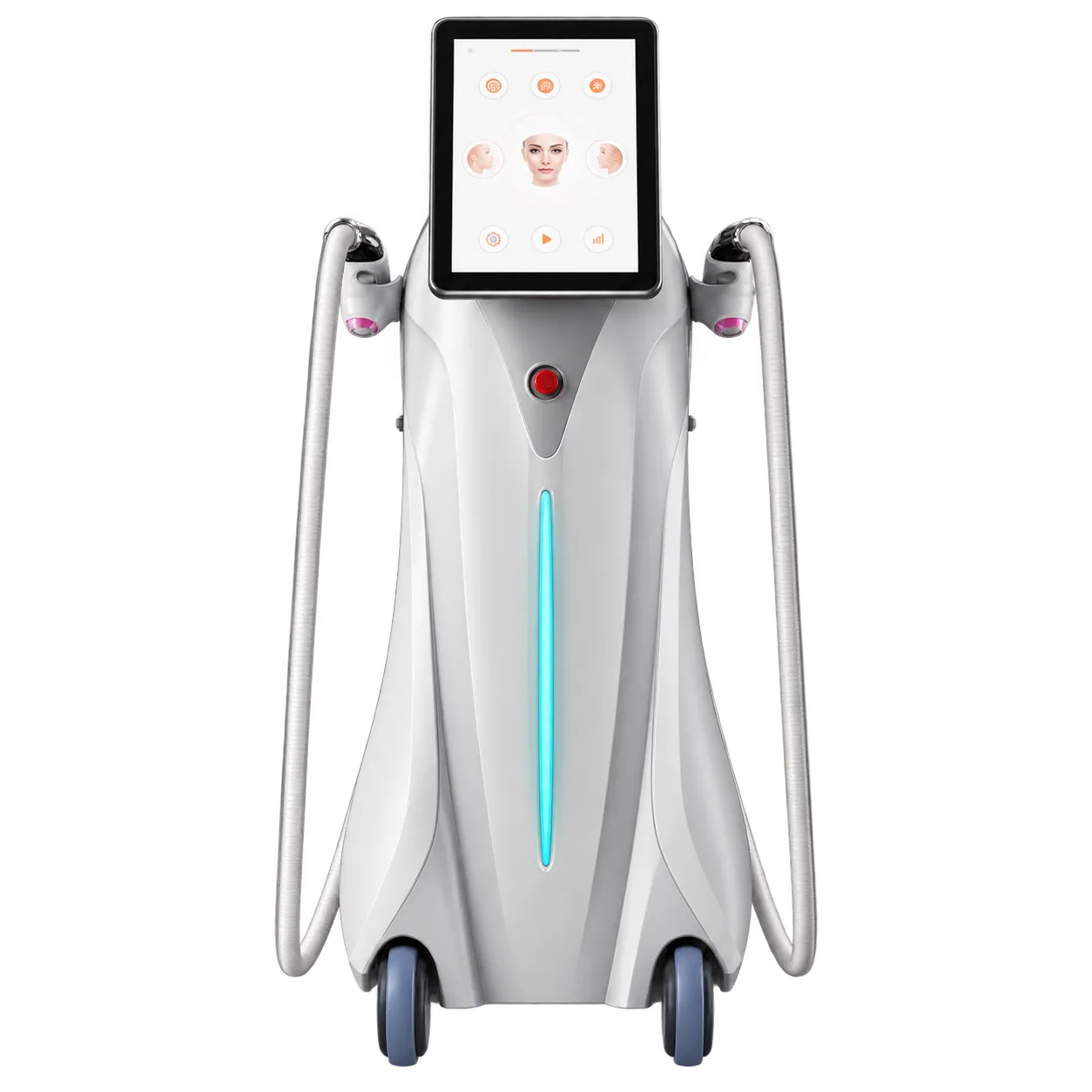
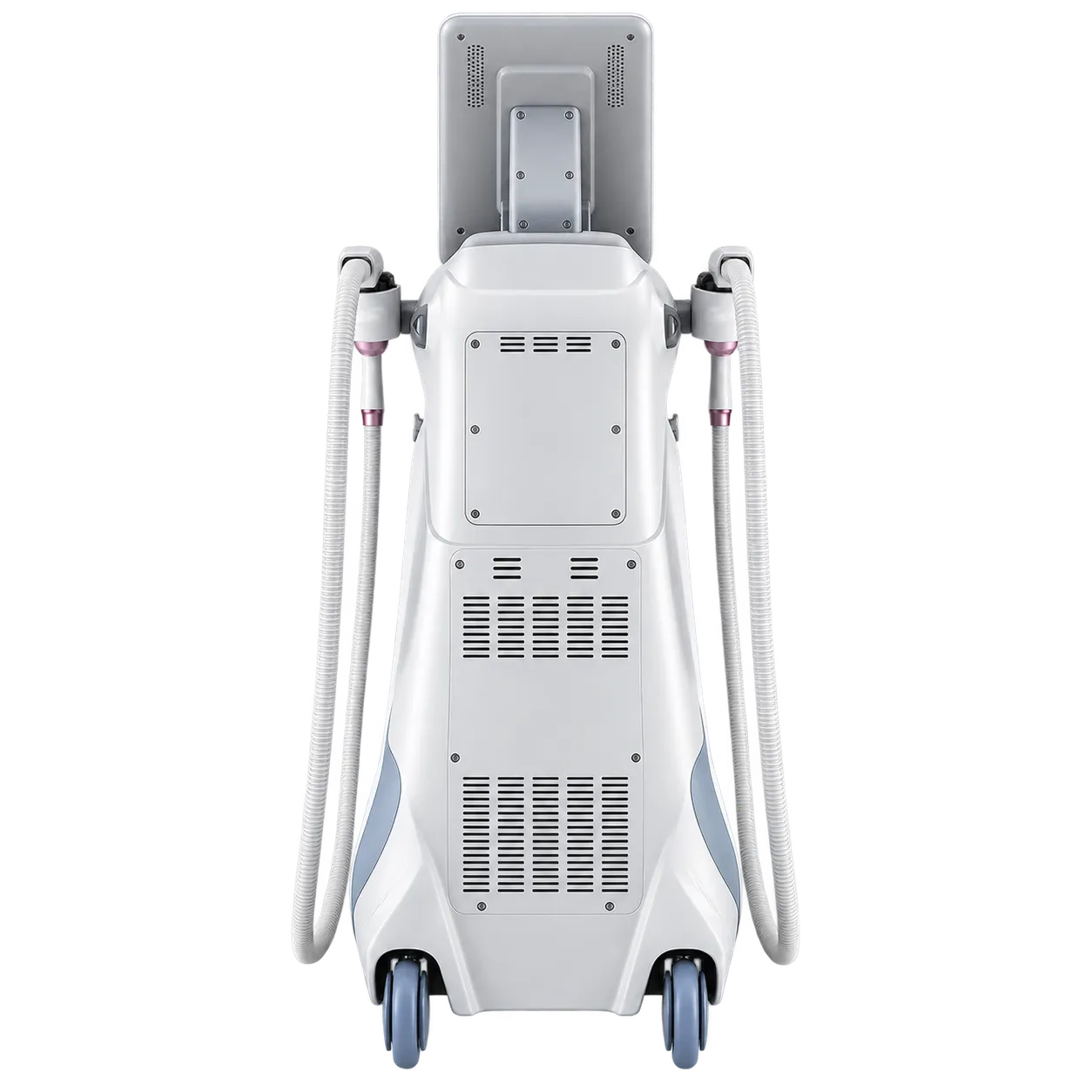
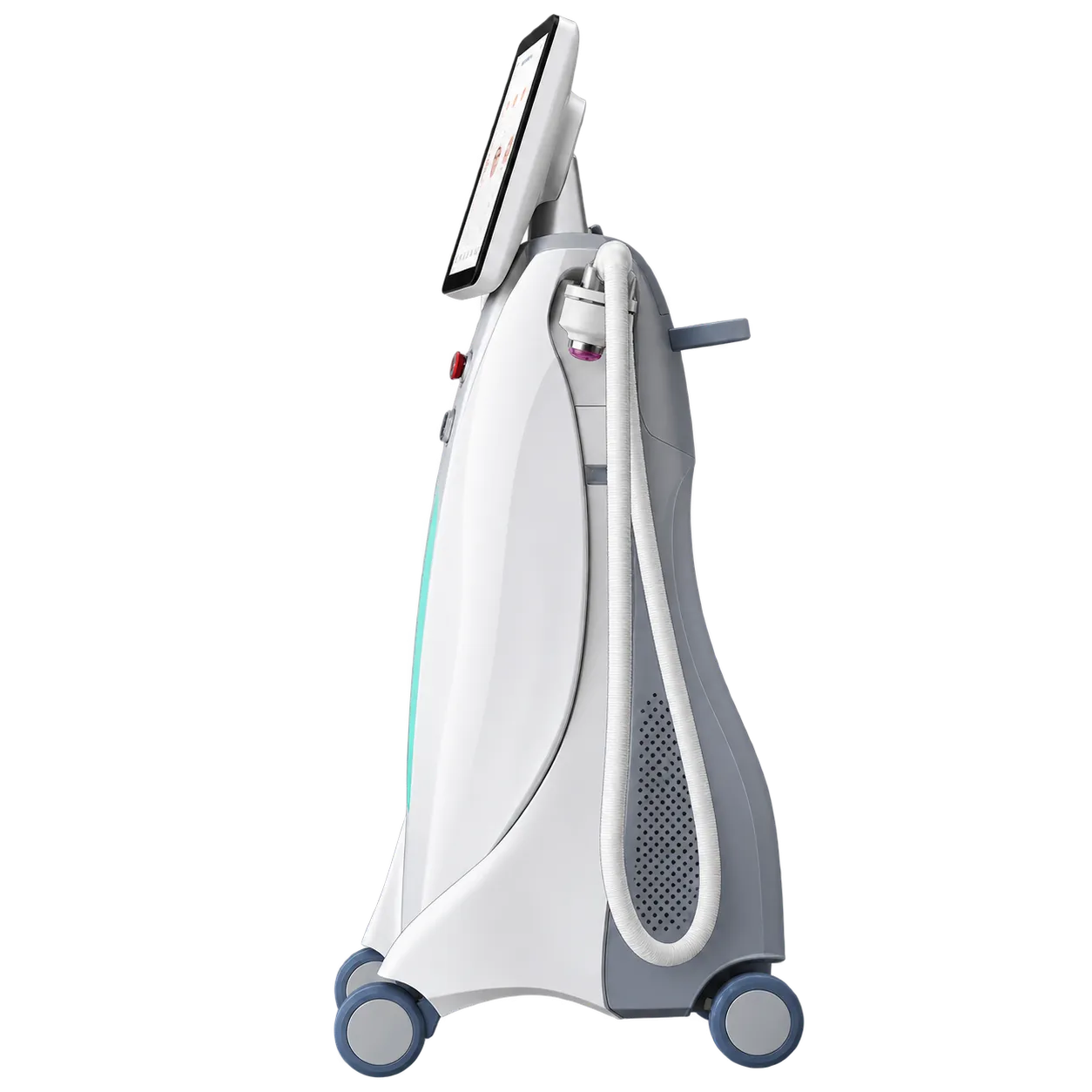
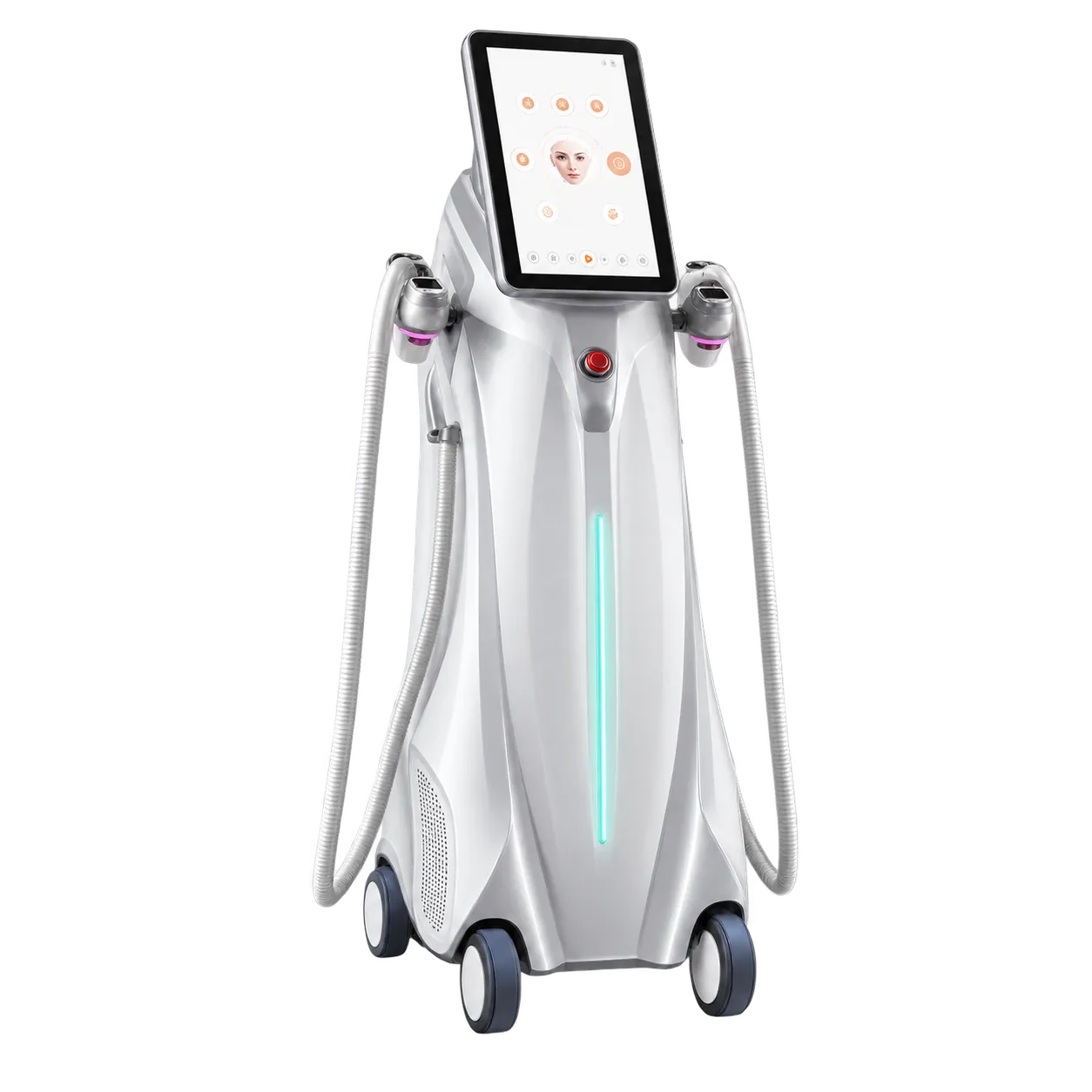
Aesthetic clinics, cosmetic dermatology services and salons with a standing course book are the buyers, treating legs, backs, chests, underarms, bikini lines and faces. The machine suits a site that runs the same diary week after week, because a platform this powerful only repays the room it occupies when appointments keep coming.
That pattern is also what makes availability the deciding factor. A course-based service carries commitments months ahead, so a week without a working handpiece becomes a week of rebooked clients and slipped intervals. Sites running two rooms sometimes add a second handpiece, and that is a question for the seller before the order, not after a failure.
Clinical selection does not change with the model. Dark hair on lighter skin responds fastest; darker skin types need the longer wavelength and lower starting energy, and light, grey or red hair falls outside what any of these wavelengths reach. Skin typing, a patch test and a consent that names burns and pigment change come before the first pass, whichever machine a site owns. Published cohort work puts the highest complication risk on facial sites, recent sun exposure and the darker skin types.
The paperwork around ownership is what differs. Service records, output checks, electrical safety tests, training evidence and the shot count belong in one file, because that file is what a council officer, an insurer or a buyer of the business will eventually ask to see. The manufacturer issues the conformity documents, and the seller hands them over with the machine.