
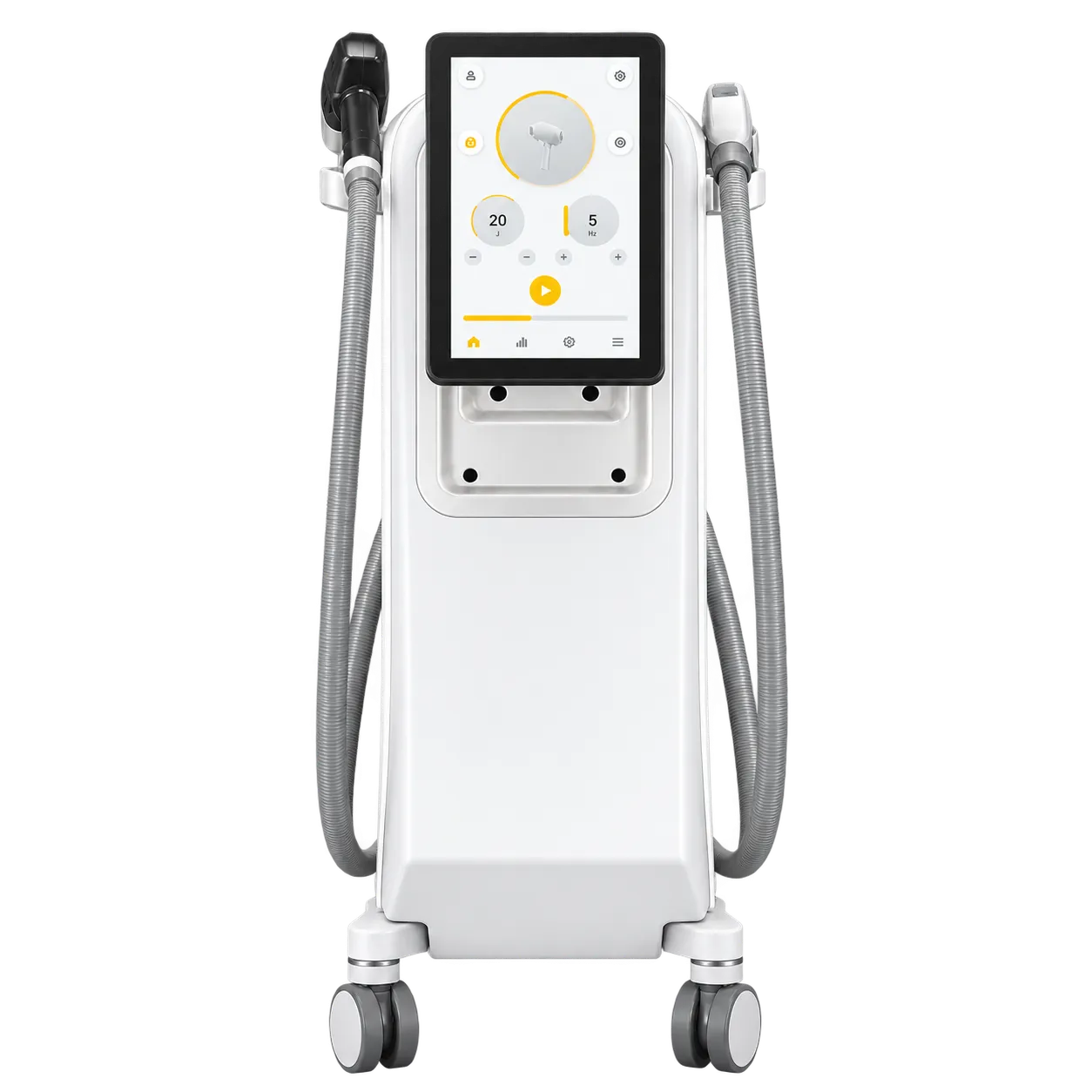
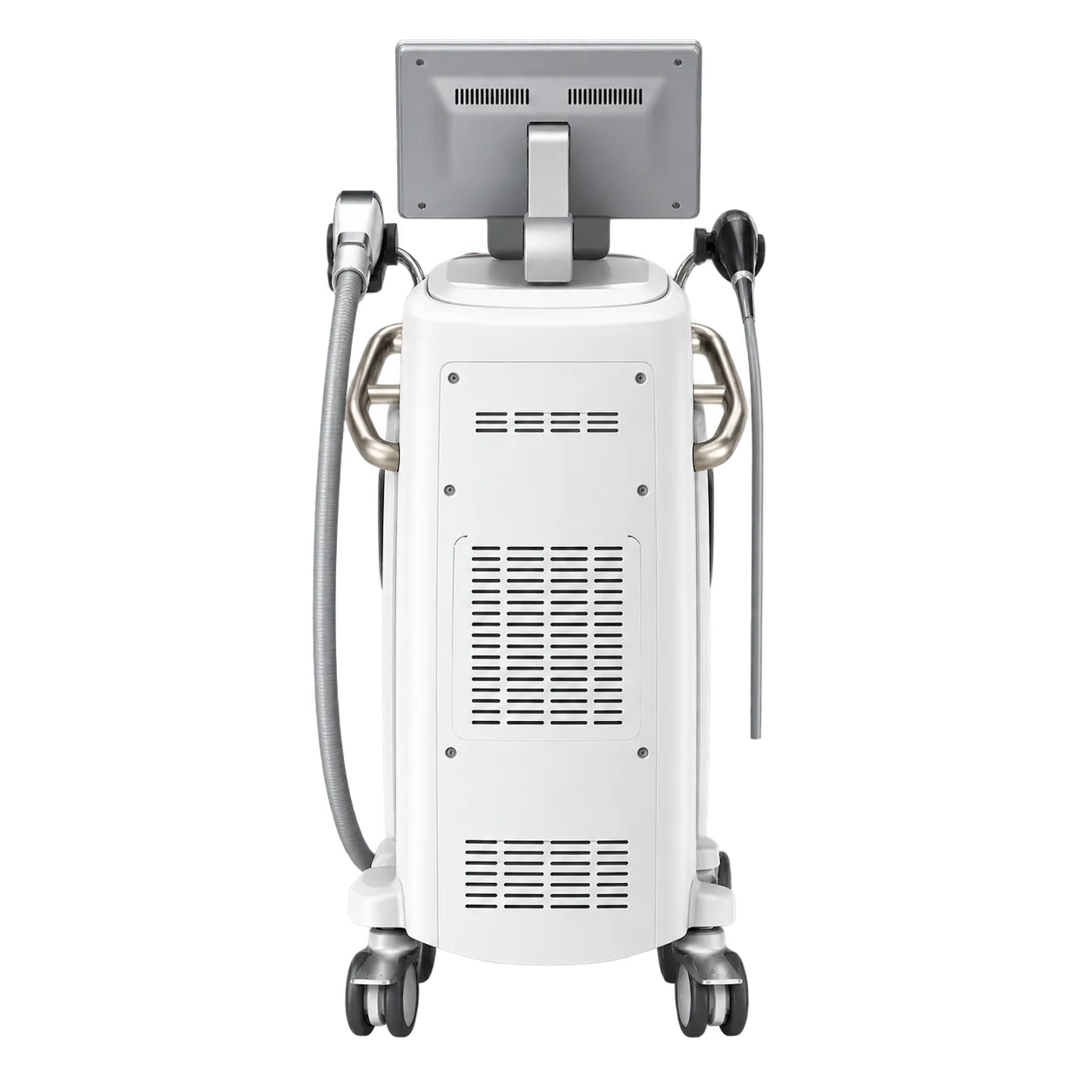
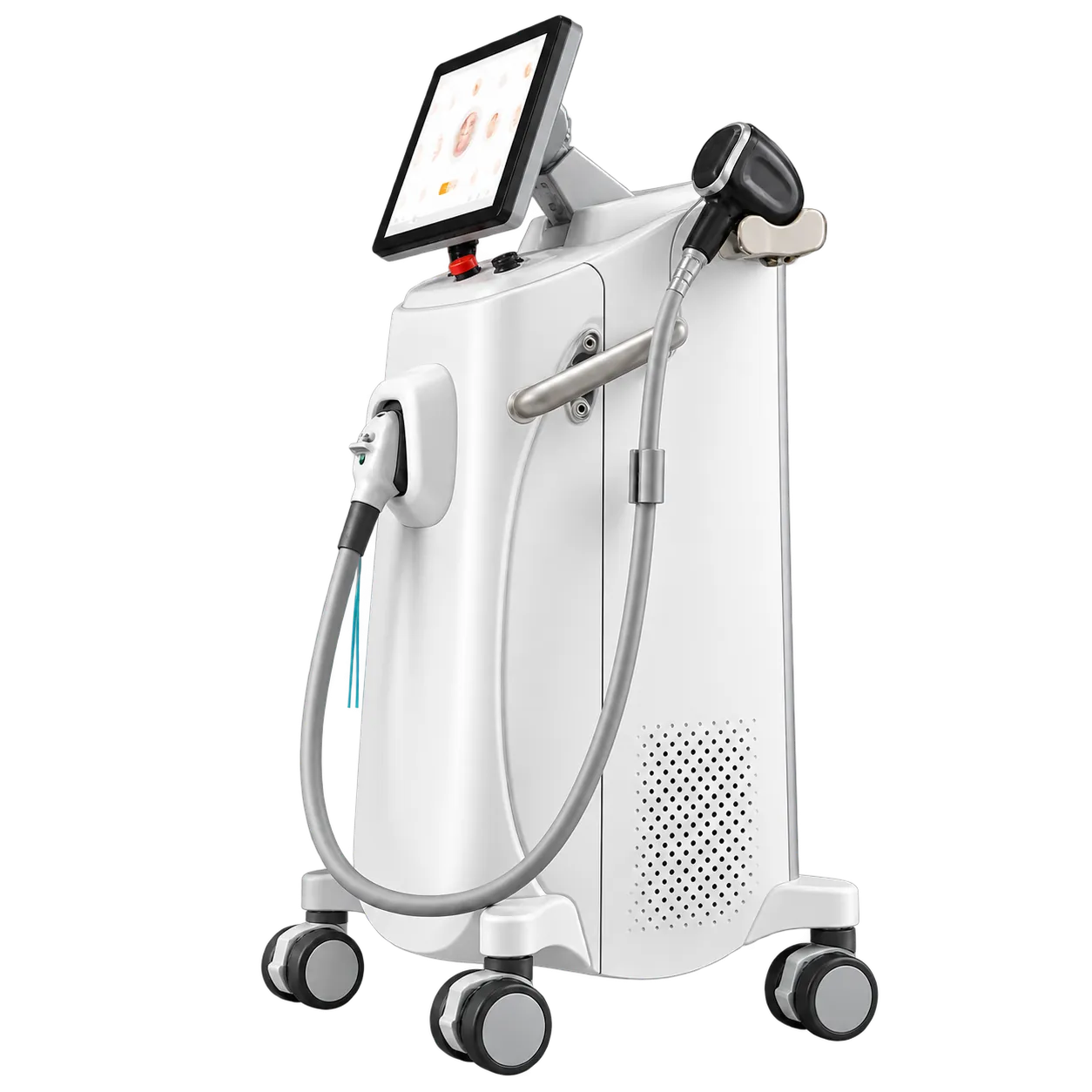
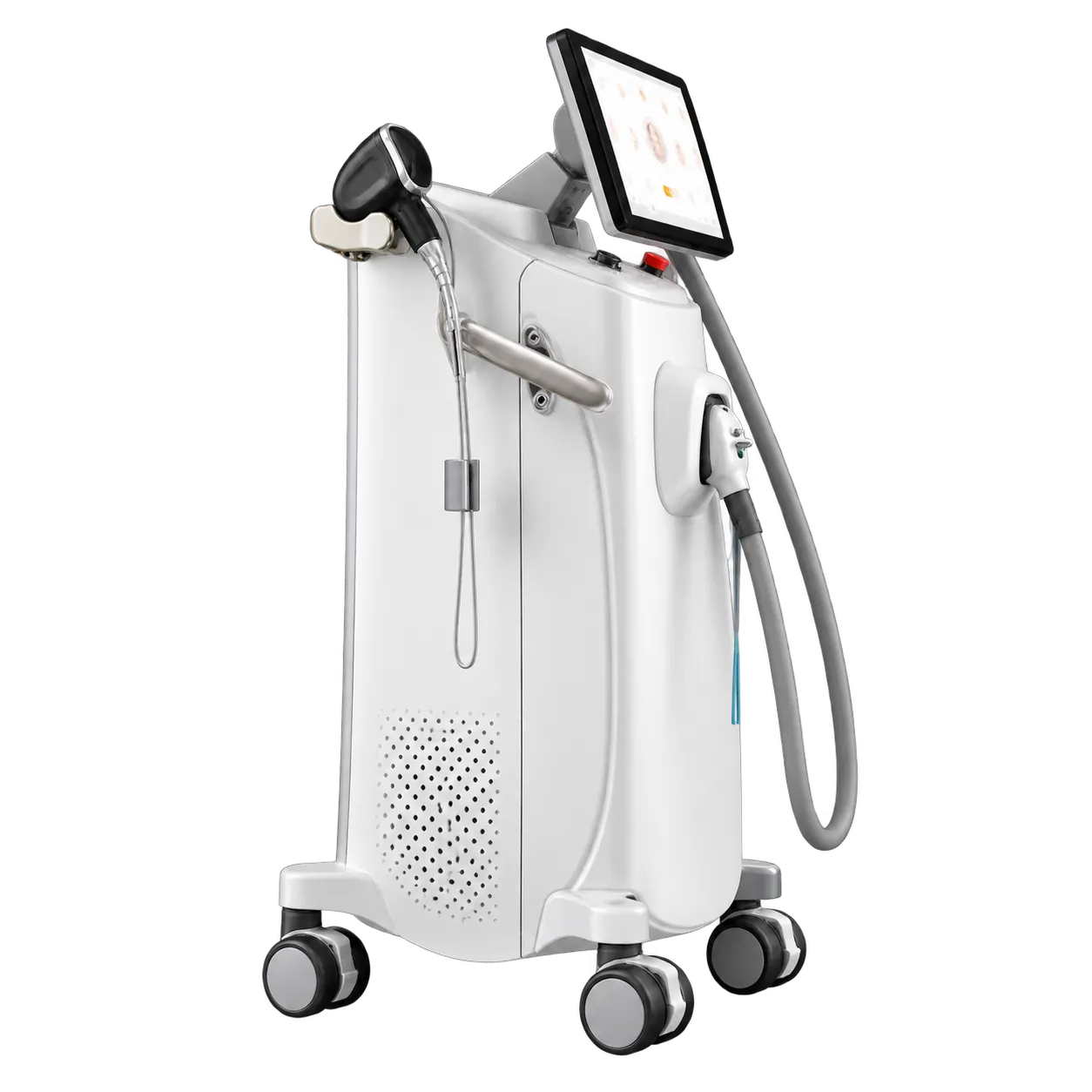
Aesthetic clinics, cosmetic dermatology services, and larger salons are the buyers, working through legs, backs, chests, underarms, bikini lines, and faces over a series of appointments. A platform at this power suits a site with a full diary rather than an occasional list, because the case for the larger windows and the higher firing rate rests on volume.
Client selection runs on hair colour and skin tone together. Dark hair on lighter skin responds fastest; darker skin types need the longer wavelength and more visits; and light, grey, or red hair has too little pigment to respond at all. Those three sentences decide most of what a consultation needs to cover, and they set the expectation for the number of sessions rather than the outcome. Fine hair on the face and coarse hair on the back sit at opposite ends of the same settings table, so the consultation is also where you choose the window and wavelength.
Records carry the service. Wavelength, window, fluence, pulse width and rate all belong in the notes for every area treated, alongside a baseline photograph and the patch test result. When the build varies across platforms, that discipline matters more, because a clinic with two machines cannot assume settings transfer between them.
Safety and paperwork sit with the operator, not the maker. Class 4 output means an adviser, local rules, a controlled area and eyewear for everyone in the room, and the licensing position depends on the nation and the council. The manufacturer issues the conformity documents and the certificates, and the seller passes them to the buyer.