
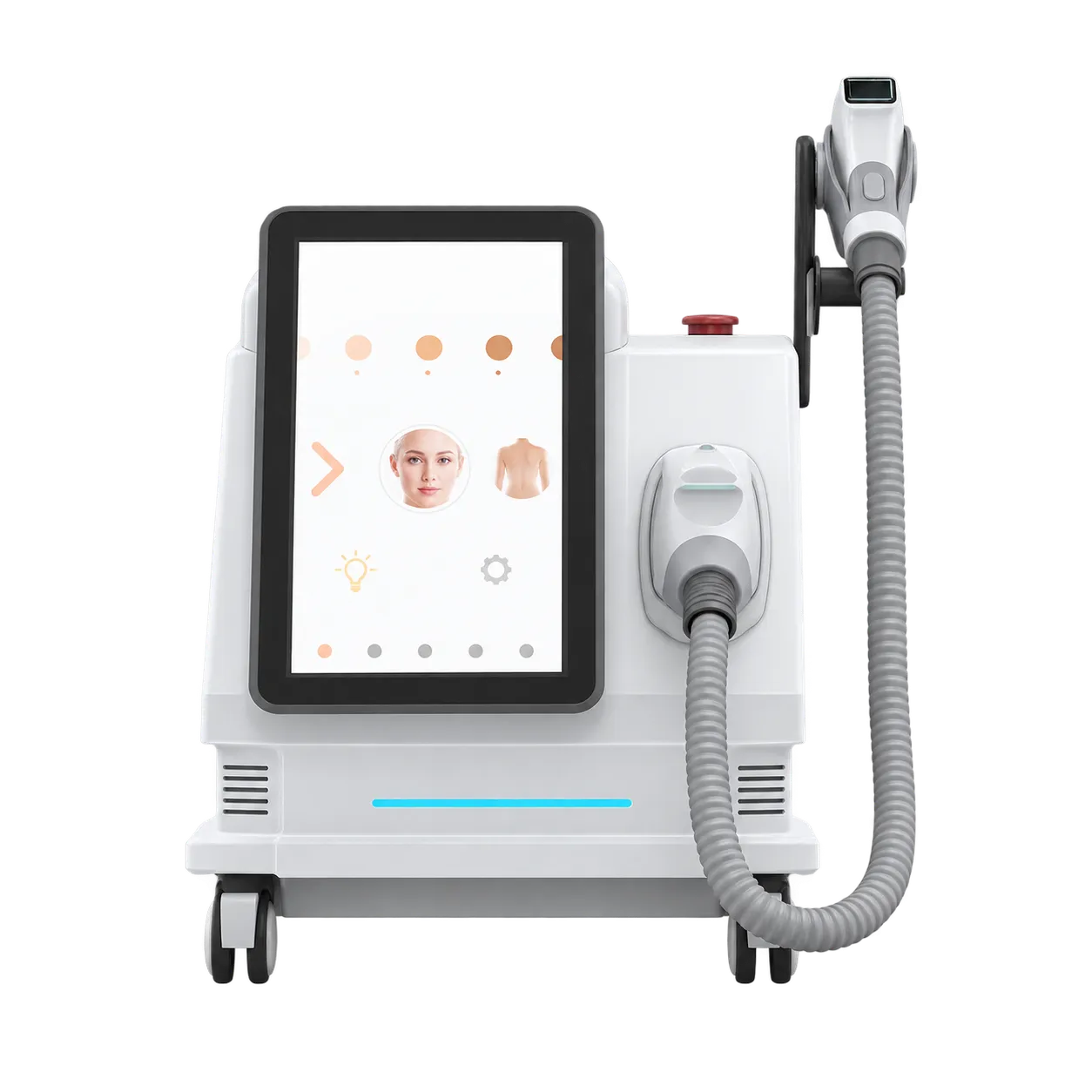
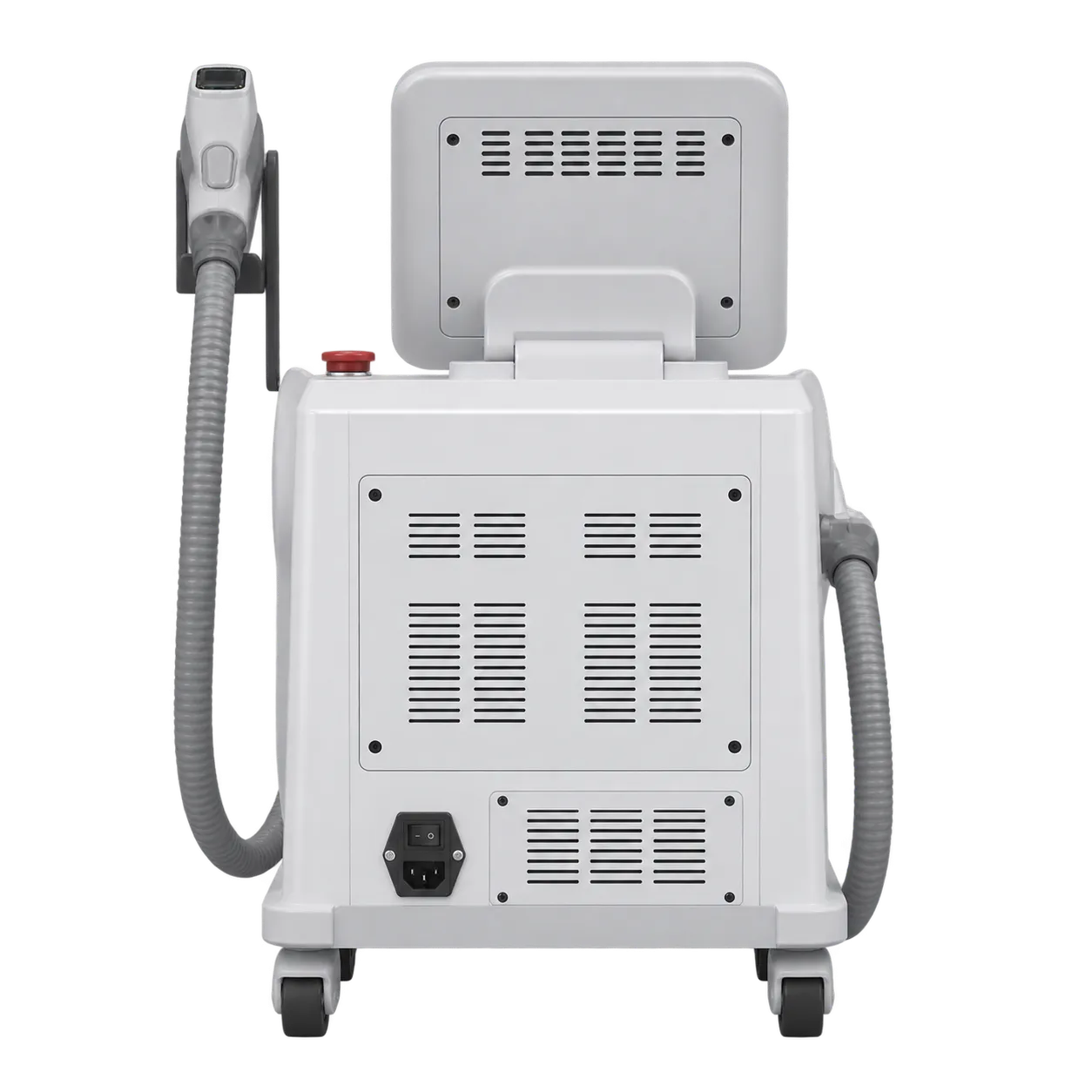
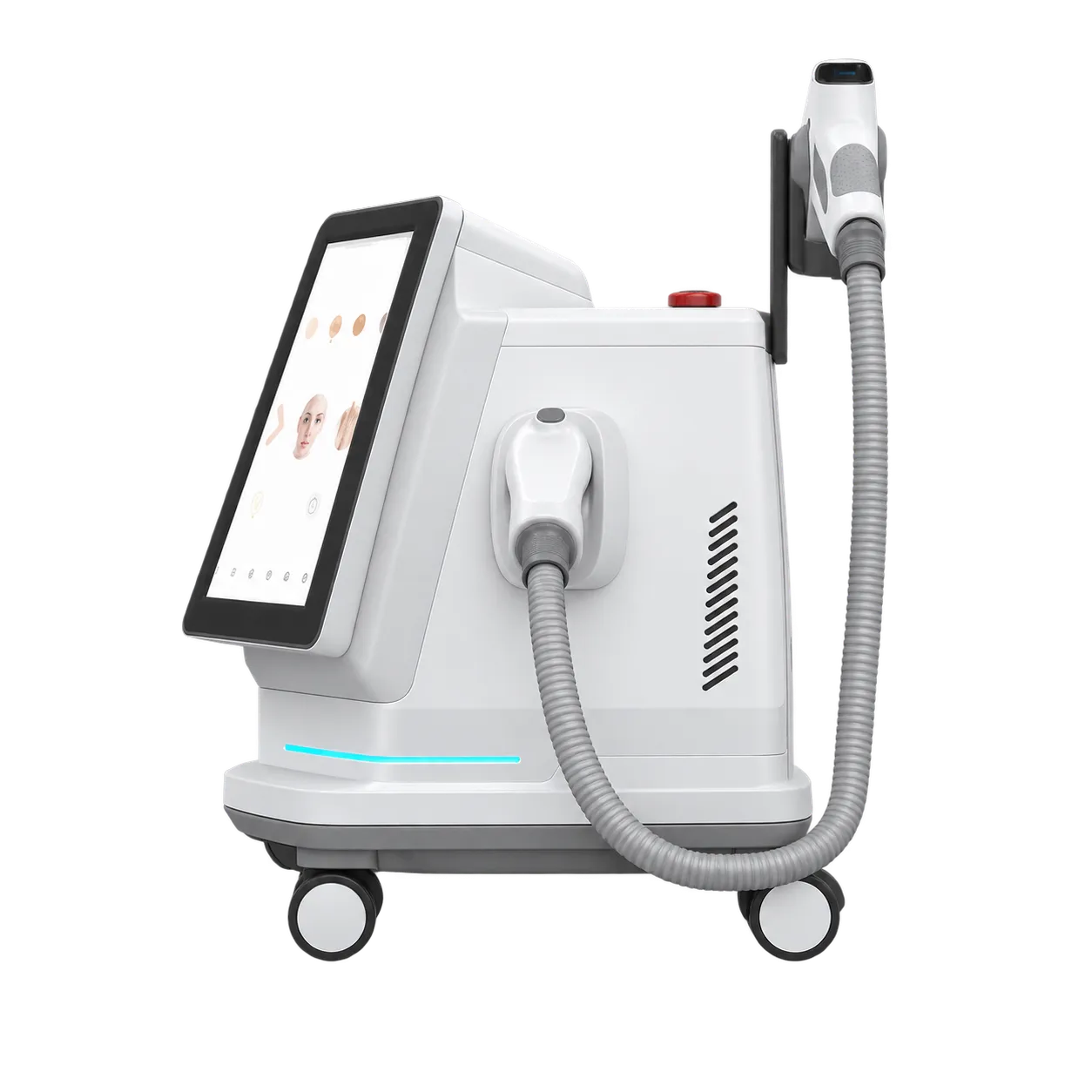
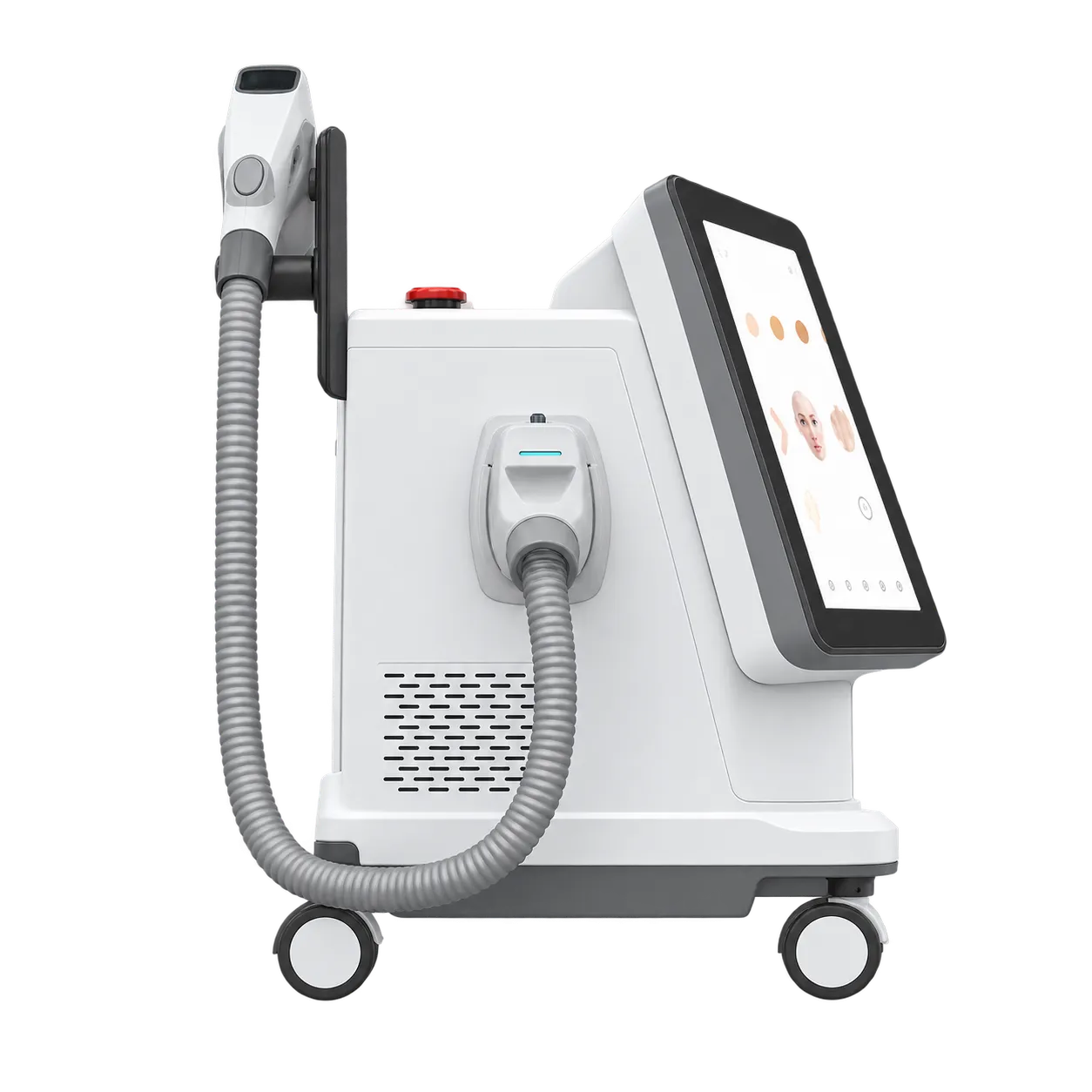
Salons and aesthetic clinics that want a benchtop diode unit in place of a trolley are the expected buyers, along with operators who move equipment between rooms or sites. The two handpieces suggest one machine intended to cover both body areas and faces in a single session.
Client mix determines whether it suits a particular service. A clientele weighted towards fair and medium skin with dark hair is the easiest match for any diode laser. A diverse clientele needs confirmation that 1064 nm is available, and which handpiece it uses, before the service advertises treatments for all skin types. Hair colour sets a hard limit regardless of skin: blonde, grey, white and red hair respond poorly or not at all.
Consultation carries more weight here than in almost any other aesthetic treatment. Assess skin type in good light, not from the preset on the screen; identify tans and self-tanning; ask about medication and recent retinoid use; and review any unexplained new hair growth medically. Patch testing follows, with the interval extended for darker skin.
Records protect both client and service. Skin type, wavelength, energy, pulse width, spot, the patch test result, and photographs belong in the file, together with consent covering expected sessions, the chance of pigment change, and sun avoidance between sessions.
Operators need device training from the supplier, a recognised core-of-knowledge course and local rules approved by the Laser Protection Adviser. Single-site owners generally buy direct. The manufacturer issues the conformity documentation, and the seller provides it.