
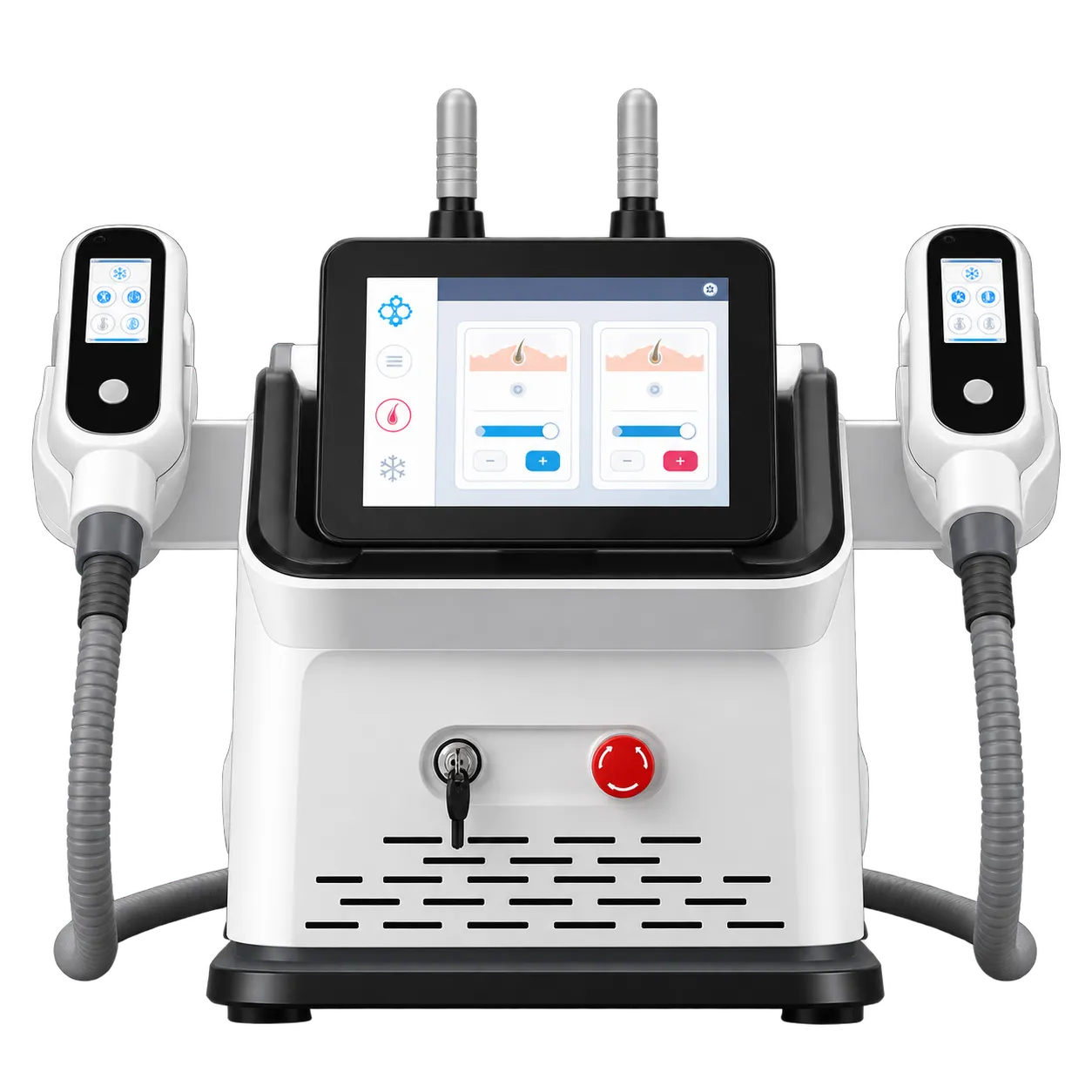
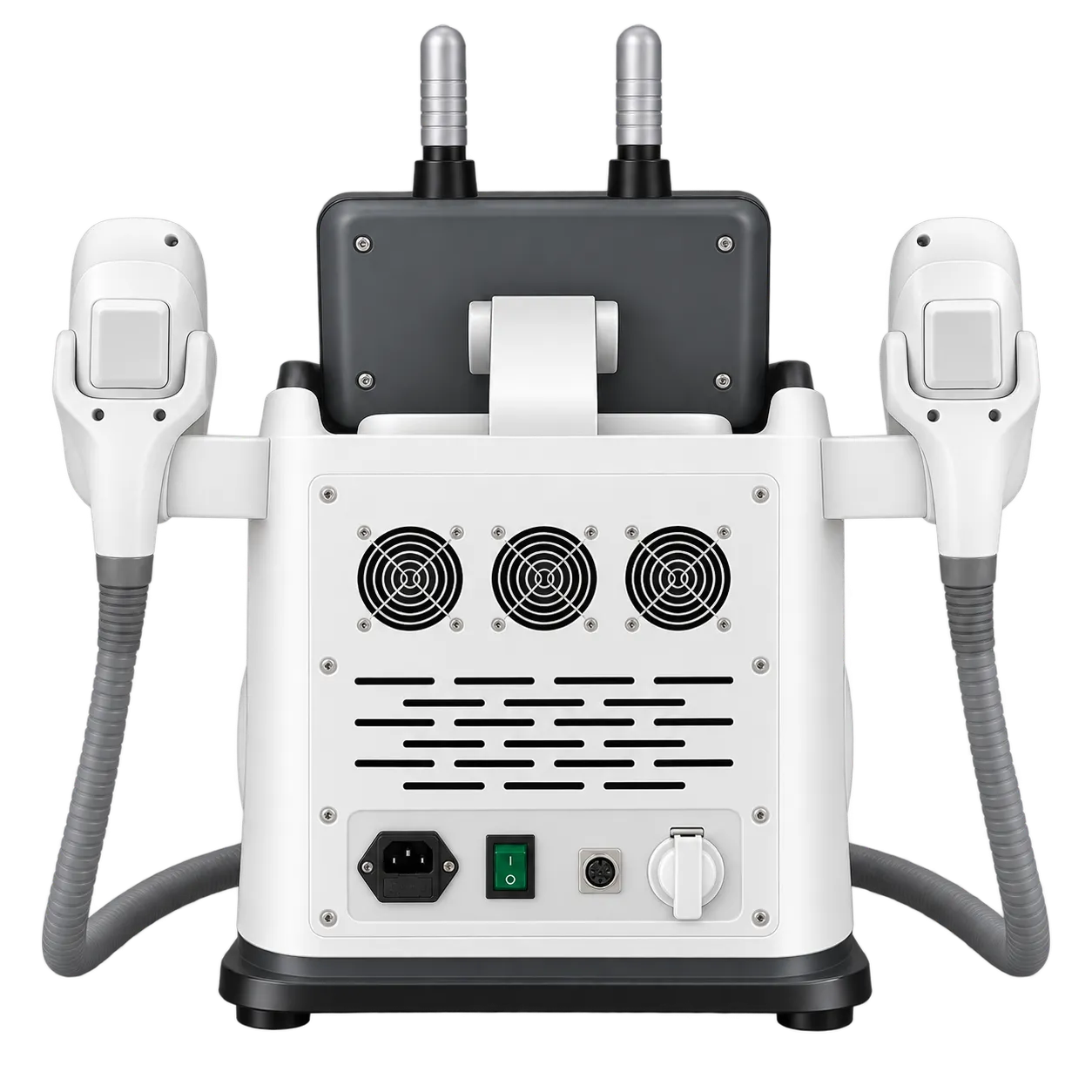
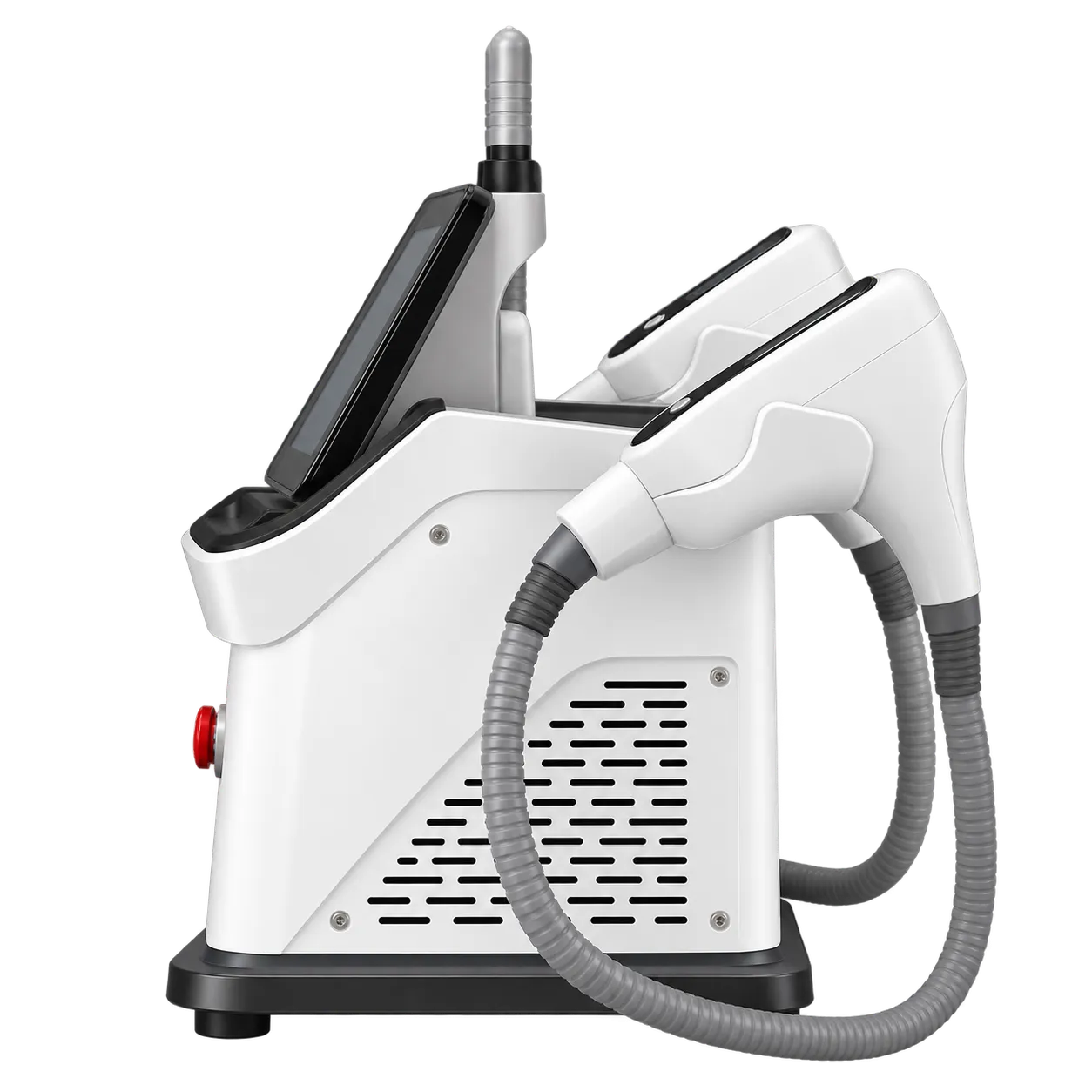
Beauty salons and aesthetic clinics use portable cryolipolysis for inner thighs, upper arms, flanks and the lower abdomen. Clients close to their target weight with a soft, pinchable area suit the treatment, and a written consultation covering frostbite, numbness and paradoxical adipose hyperplasia sets honest expectations. Cryolipolysis contours a defined area and does not reduce overall weight, and consultations should say that clearly.
Paired-area treatments make good use of the two handles. Both inner thighs or both upper arms can be treated in one sitting, with an operator watching both sites and massaging each area when its cycle ends.
Smaller areas such as the knees, bra line and under the chin use the smaller cup families. Careful fold assessment decides suitability, and a fold too thin to fill the cup is a clear reason to decline the site.
Mobile practitioners value the tabletop format, which can travel between rooms on a trolley. Each site needs a stable surface, a suitable socket, a couch, anti-freeze pads and a clean store for cups.
Follow-up clinics review clients at eight to twelve weeks with photographs and measurements, and again months later to check for paradoxical adipose hyperplasia. A simple follow-up diary keeps this consistent across operators and makes any late complication easy to spot.
Doctor-led cosmetic practices can screen clients with complex histories and manage complications such as prolonged nerve pain, cold injury or paradoxical adipose hyperplasia through established referral routes. Every practice needs a written protocol and complication plan before the first client.