
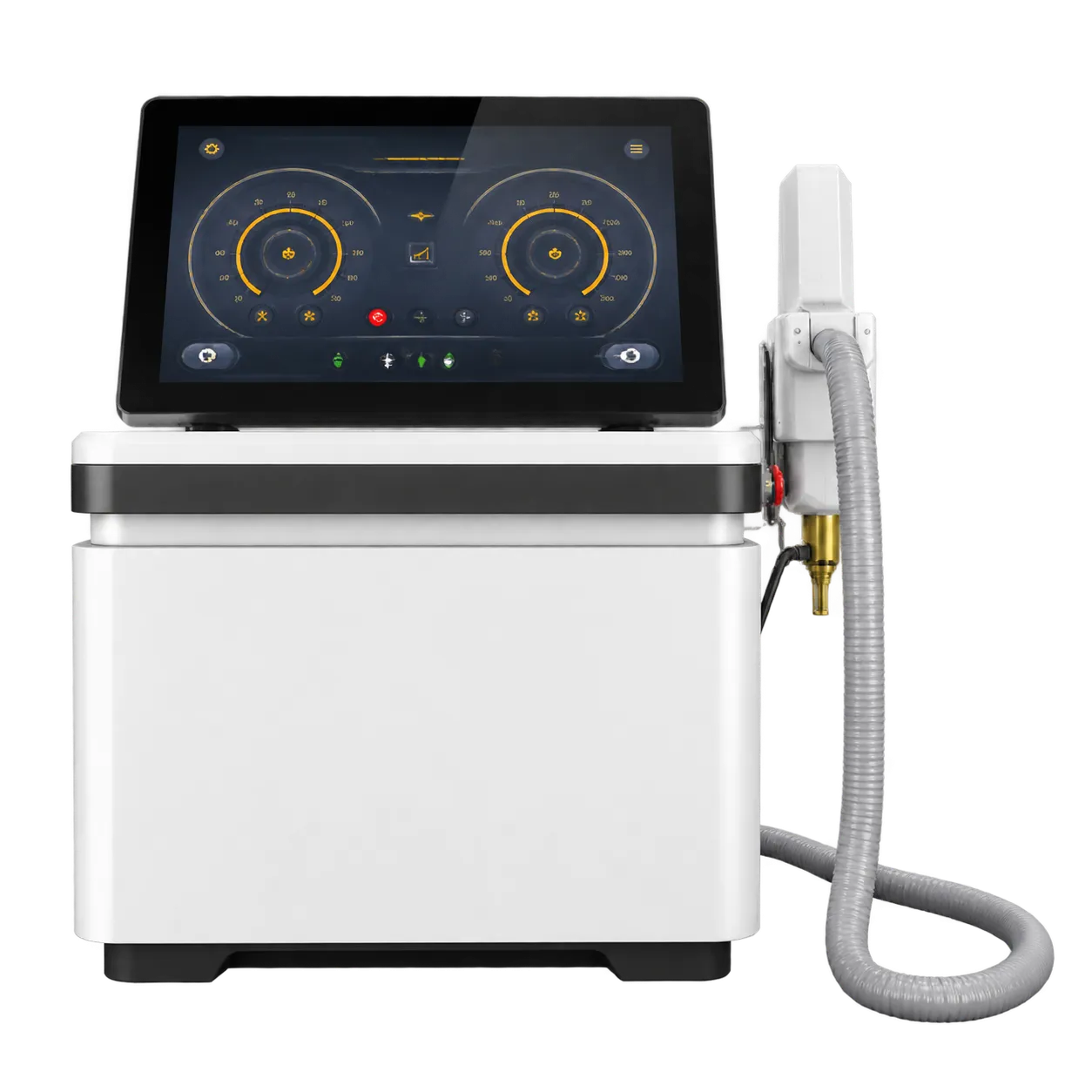
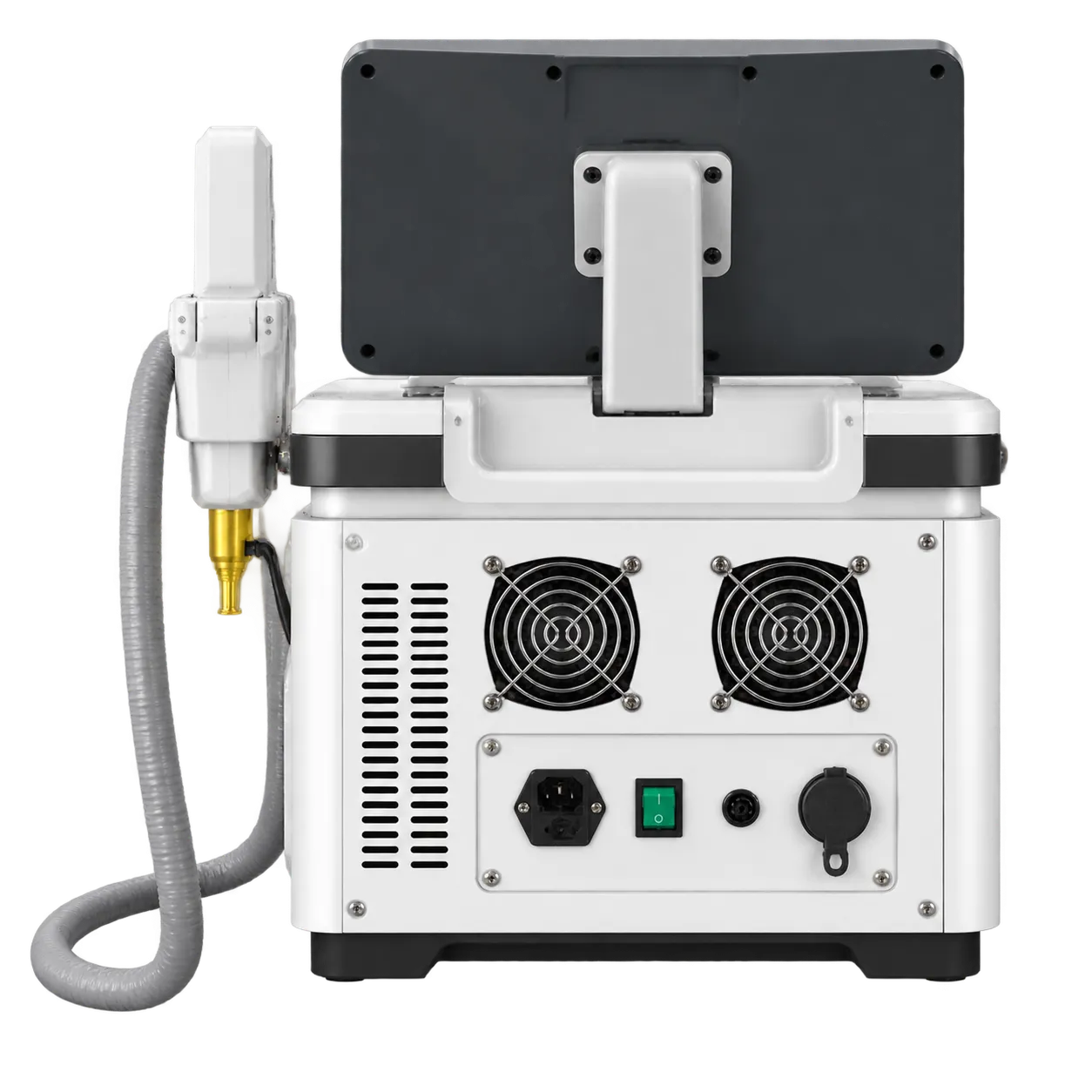
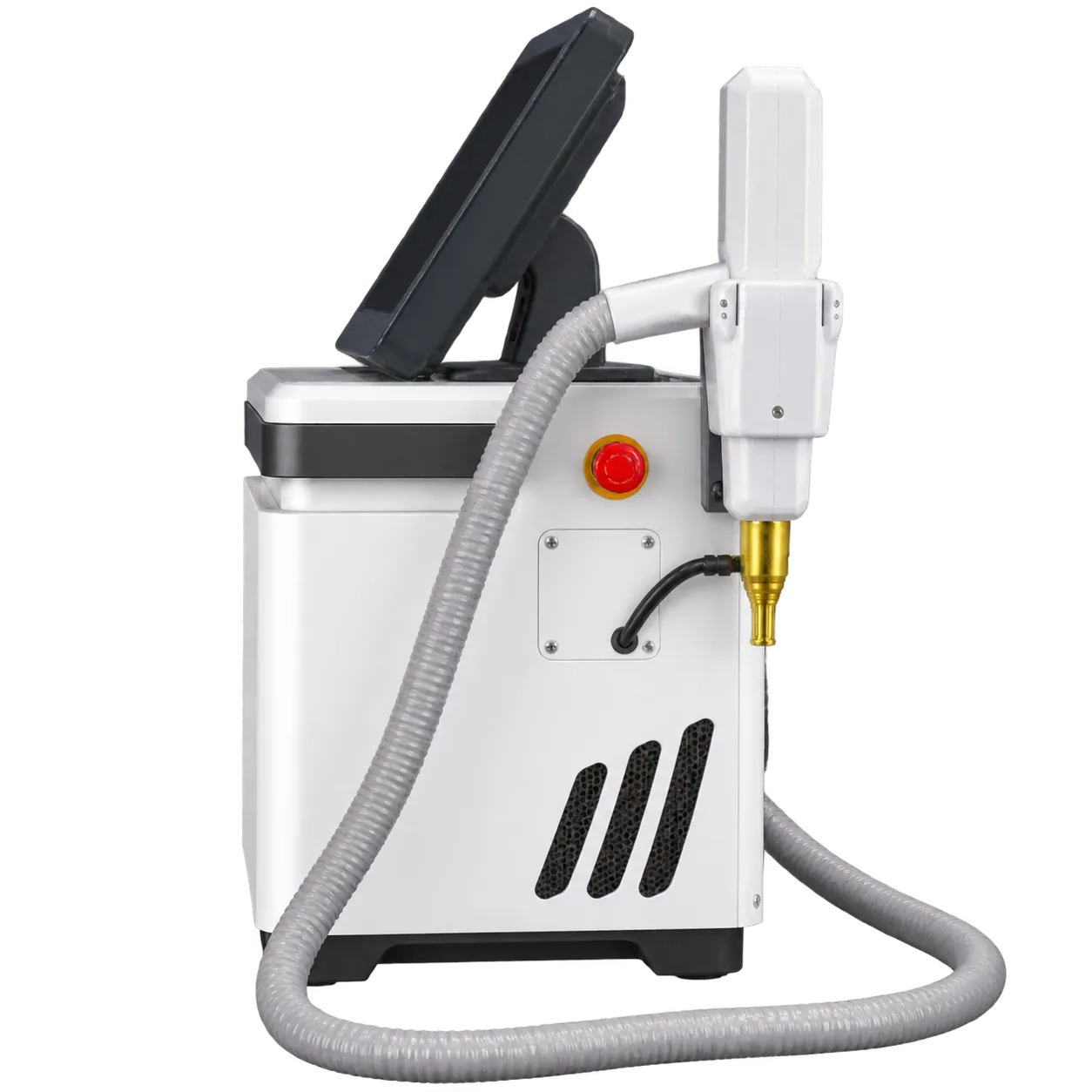
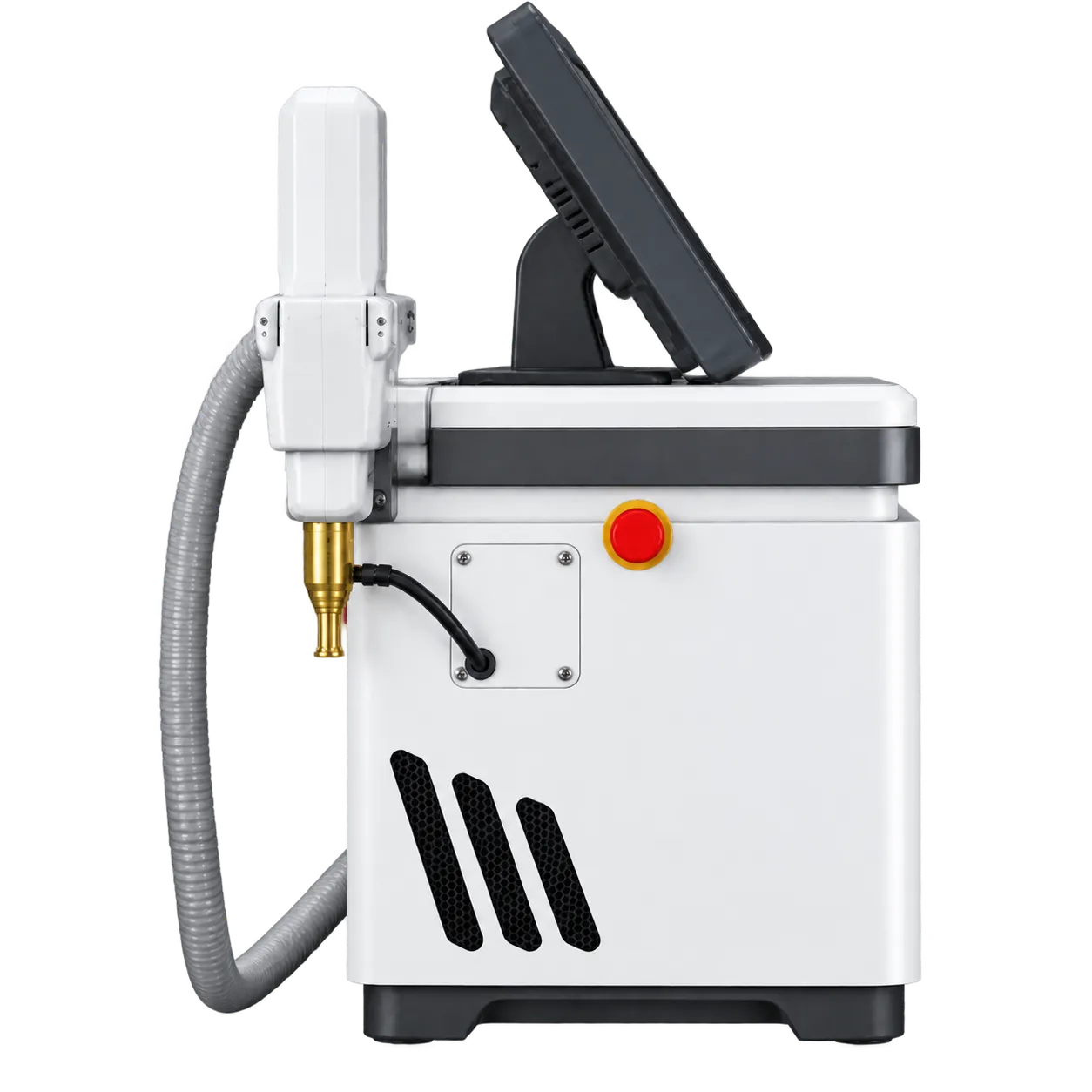
The QL VIII suits tattoo removal studios, aesthetic clinics and dermatology-led practices that want a compact pigment laser for a defined caseload. Its bench format means it can fit in a smaller treatment room, provided that room meets the controlled-area requirements the Laser Protection Adviser sets.
Discrete epidermal pigment makes up the everyday work: freckles, sun spots and age spots on clients who want an even tone. Dermal pigment such as nevus of Ota is the higher-value end, typically treated over many months, and it belongs with practitioners experienced in reading those lesions. Tattoo work covers dark professional and amateur ink and permanent make-up, with coloured ink depending on which wavelengths the configuration includes
The carbon laser rejuvenation listed at platform level gives studios a short, repeatable appointment for oil control and texture, if the 1320 nm line is confirmed. Market it modestly, because the published evidence is thin.
Melasma is the booking to be careful with. The published evidence shows short-lived benefit and a risk of hypopigmentation that climbs with repeated sessions, so any melasma protocol should combine the laser with other therapy and set honest expectations at consultation.
Across all of this, the employer carries the duties set out in the Control of Artificial Optical Radiation at Work Regulations 2010 and the room follows MHRA laser safety guidance. Clinics outside the UK typically face the same questions under their own laser safety officer and premises licensing rules. The conformity documentation required for those purchasing routes is issued by the manufacturer and provided by the seller.