
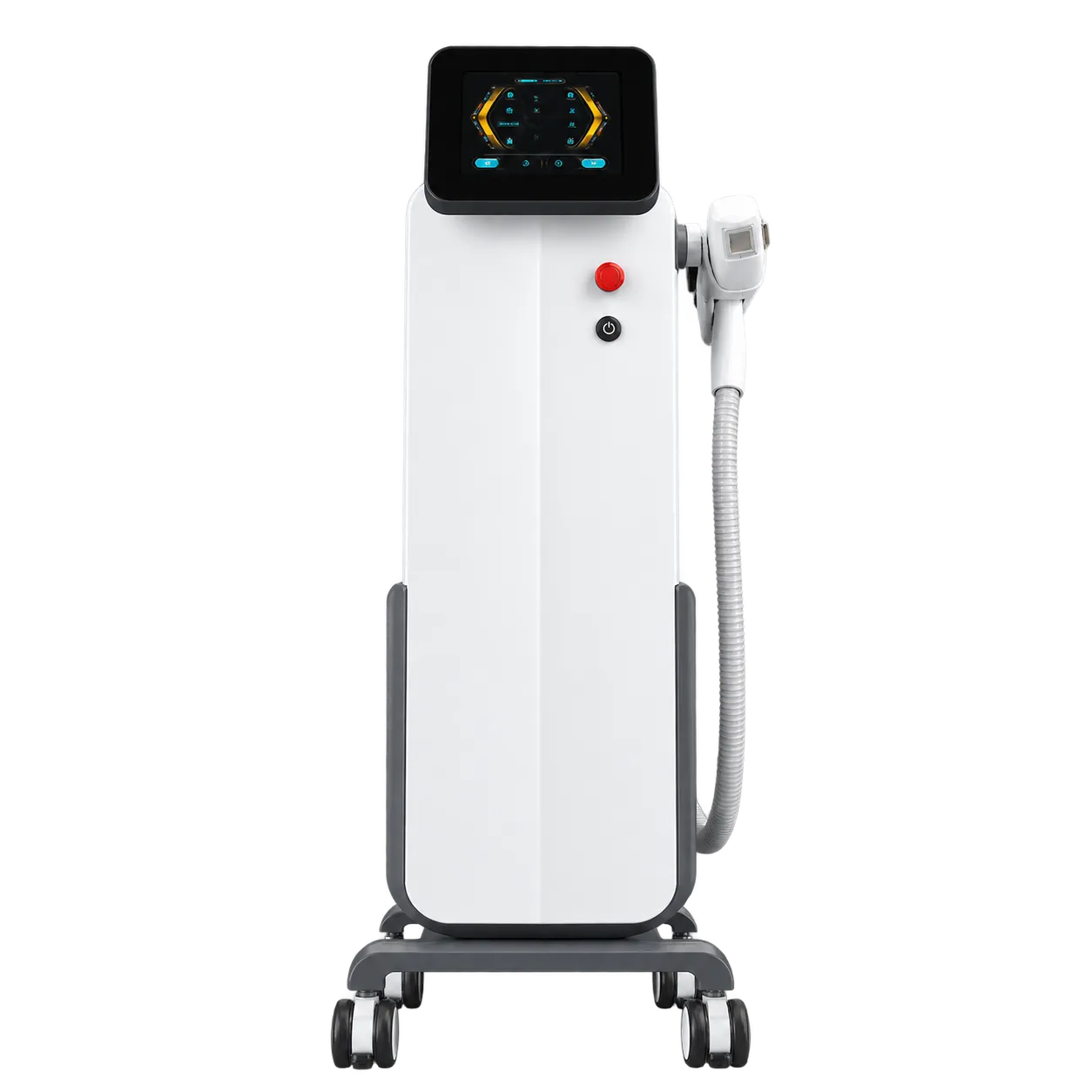
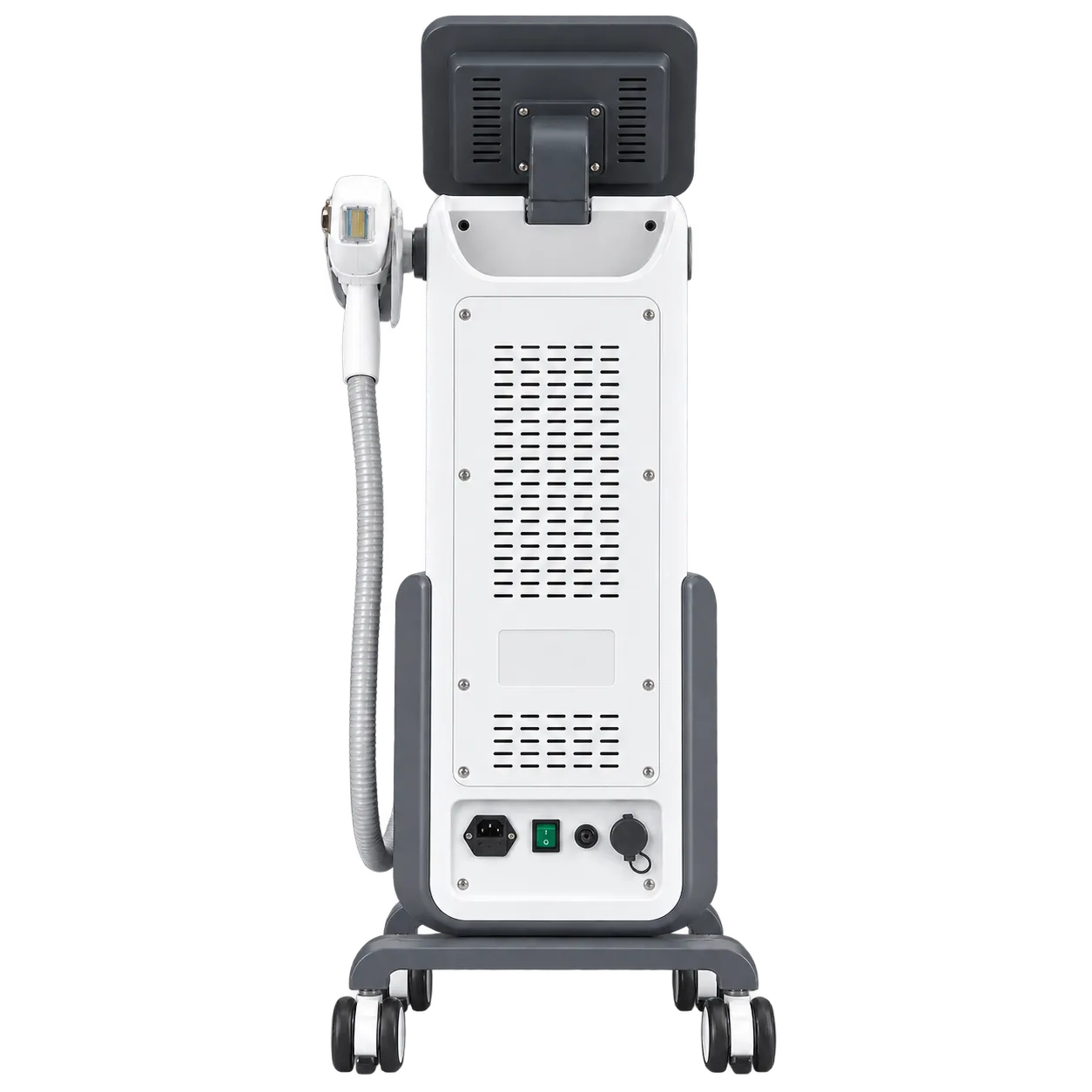
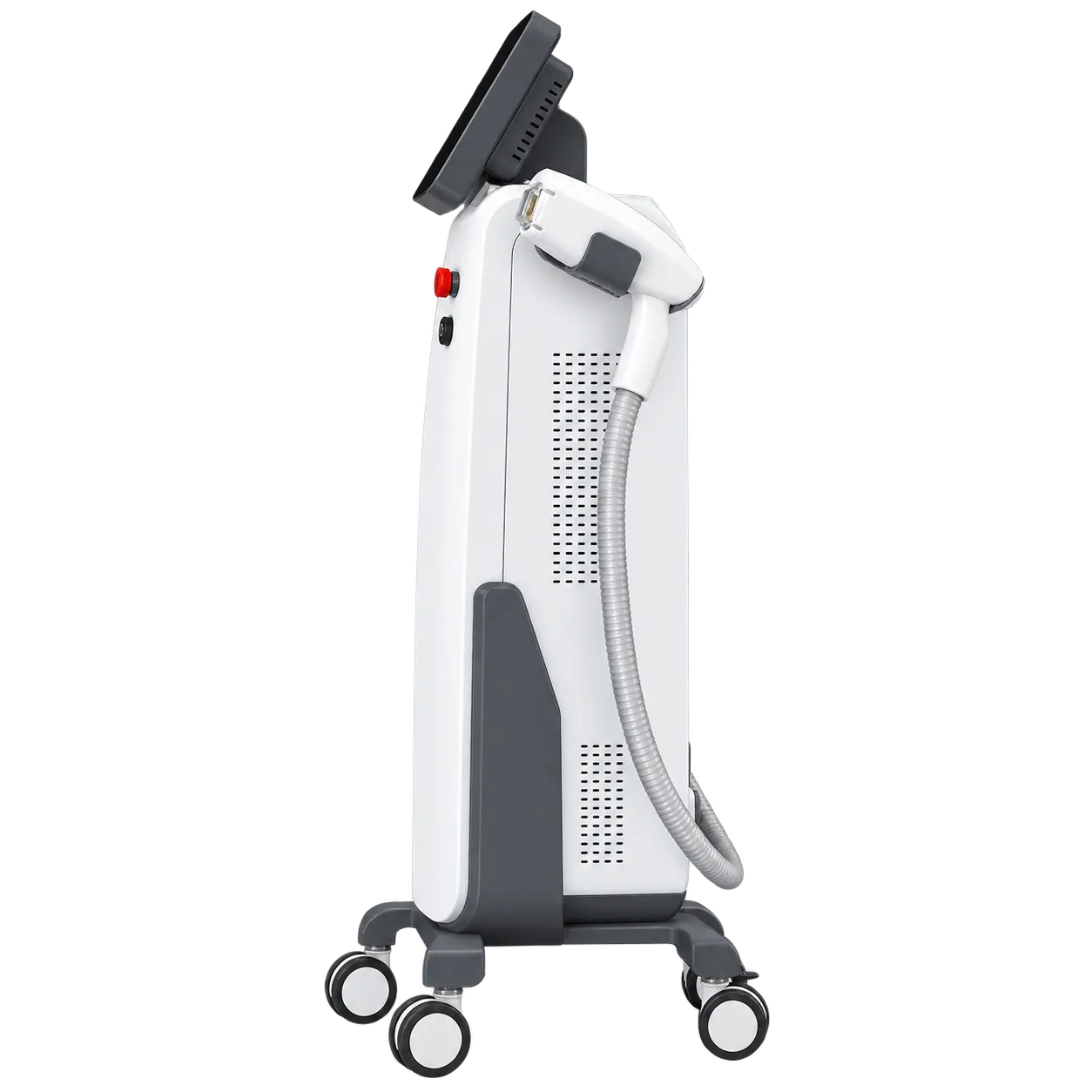
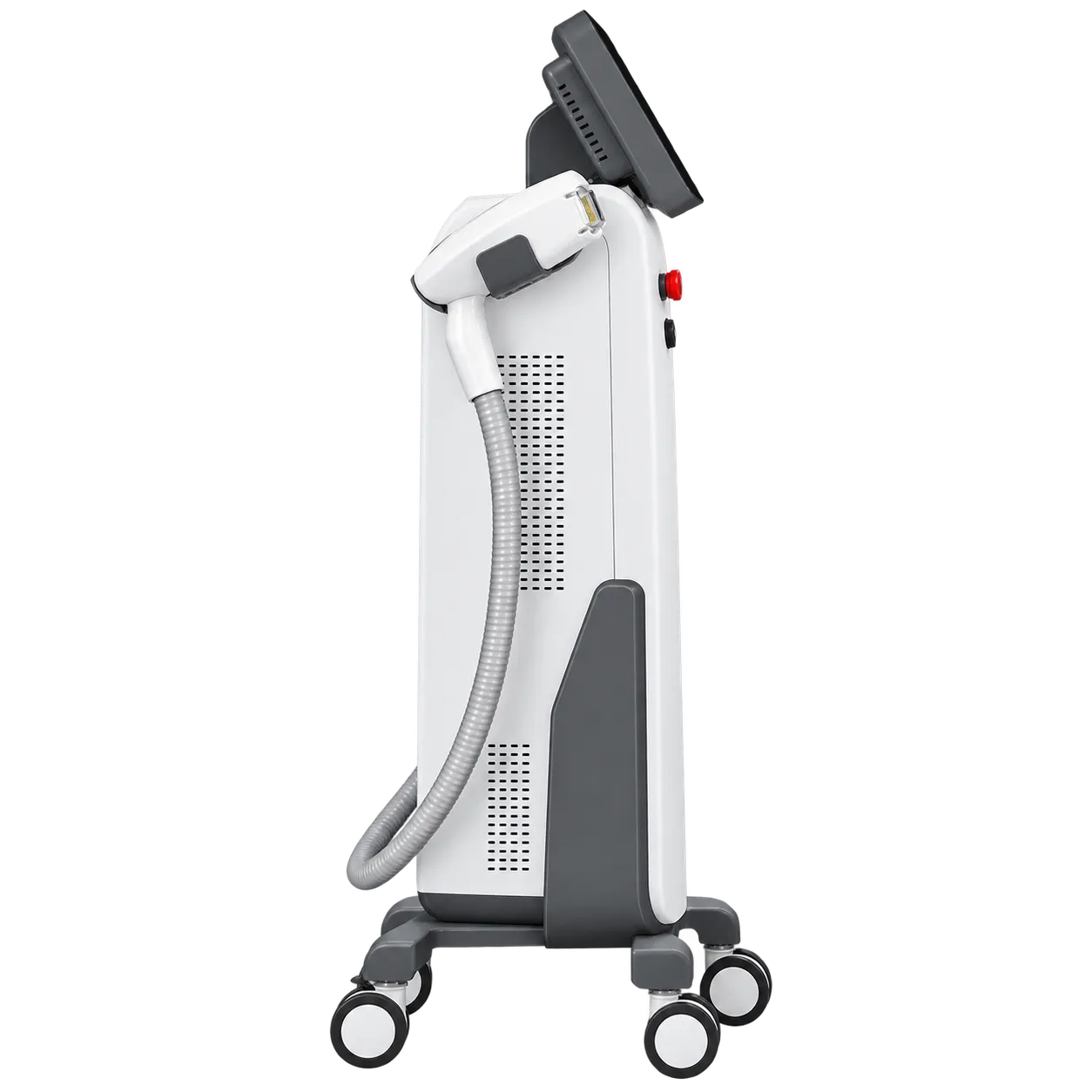
Tattoo removal studios are the core setting. The 1064 nm output is the working wavelength for black and dark blue professional tattoos, and a course is planned over several sessions spaced weeks apart. Studios gain the most when they screen at consultation, take standardised photographs at every visit and turn away pieces the evidence does not support, such as heavy multicolour work.
Aesthetic clinics use the same tower for epidermal pigment. The 532 nm output targets freckles and sun spots, and the 1064 nm output targets deeper pigment. Any lesion that has not been diagnosed must be assessed by a doctor first, because treating an unassessed lesion can mask a melanoma.
Permanent makeup correction is a growing request, from faded eyebrow tattoos to misplaced lip liner. It is also the riskiest work on the menu, because cosmetic inks often contain iron oxide or titanium dioxide and can darken. Every protocol should include a test spot and a waiting period, and the consent form should state the risk of darkening in plain language.
Salons adding carbon toning use the 1320 nm handpiece as a facial service for oily skin and visible pores. It delivers quickly and is easy to book as a repeat appointment, and honest claims about its effect protect the salon's reputation.
Dermatology and cosmetic practices run by doctors can use the unit for pigmented lesions within their own clinical governance. The conformity documentation those procurement routes require is issued by the manufacturer and provided by the seller.