
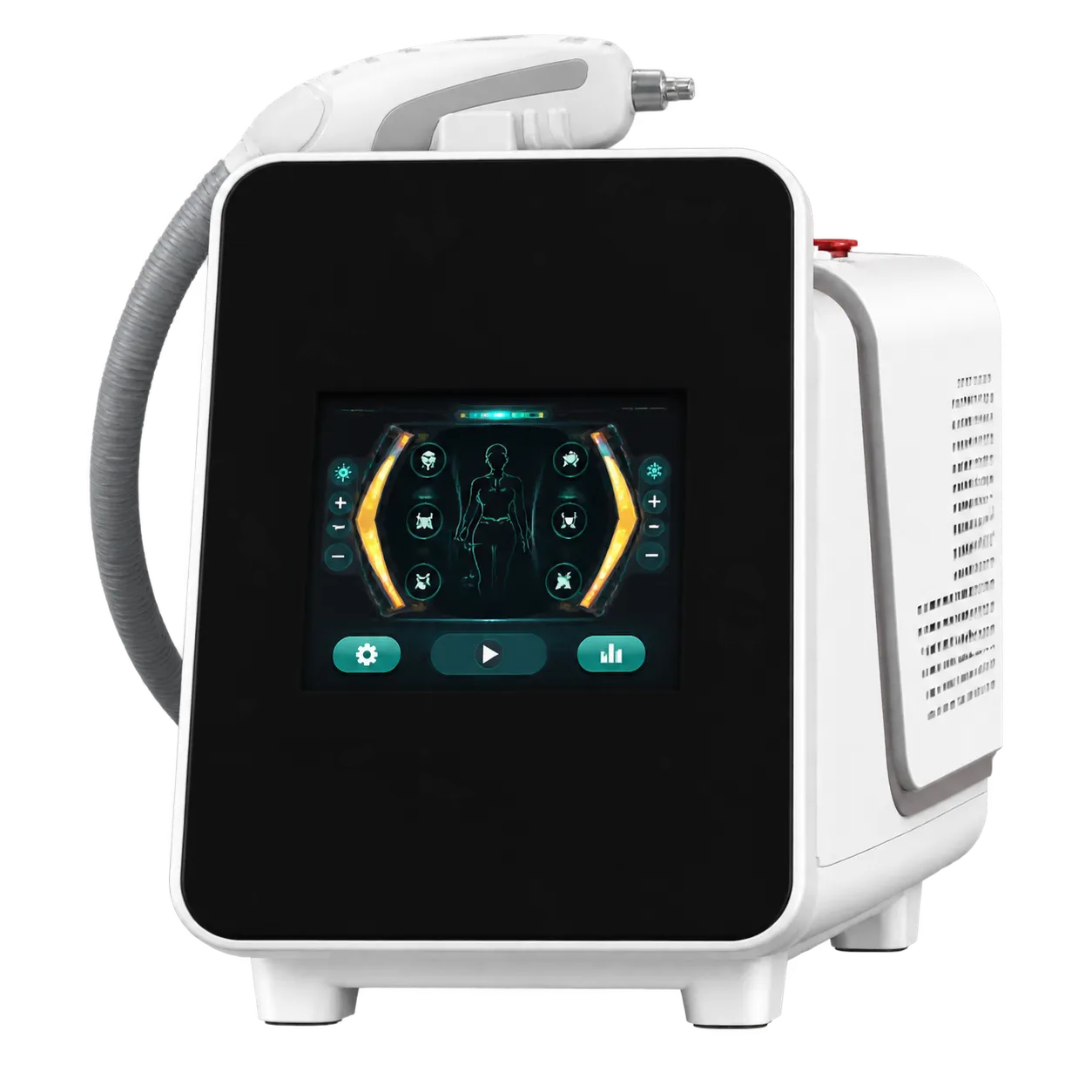
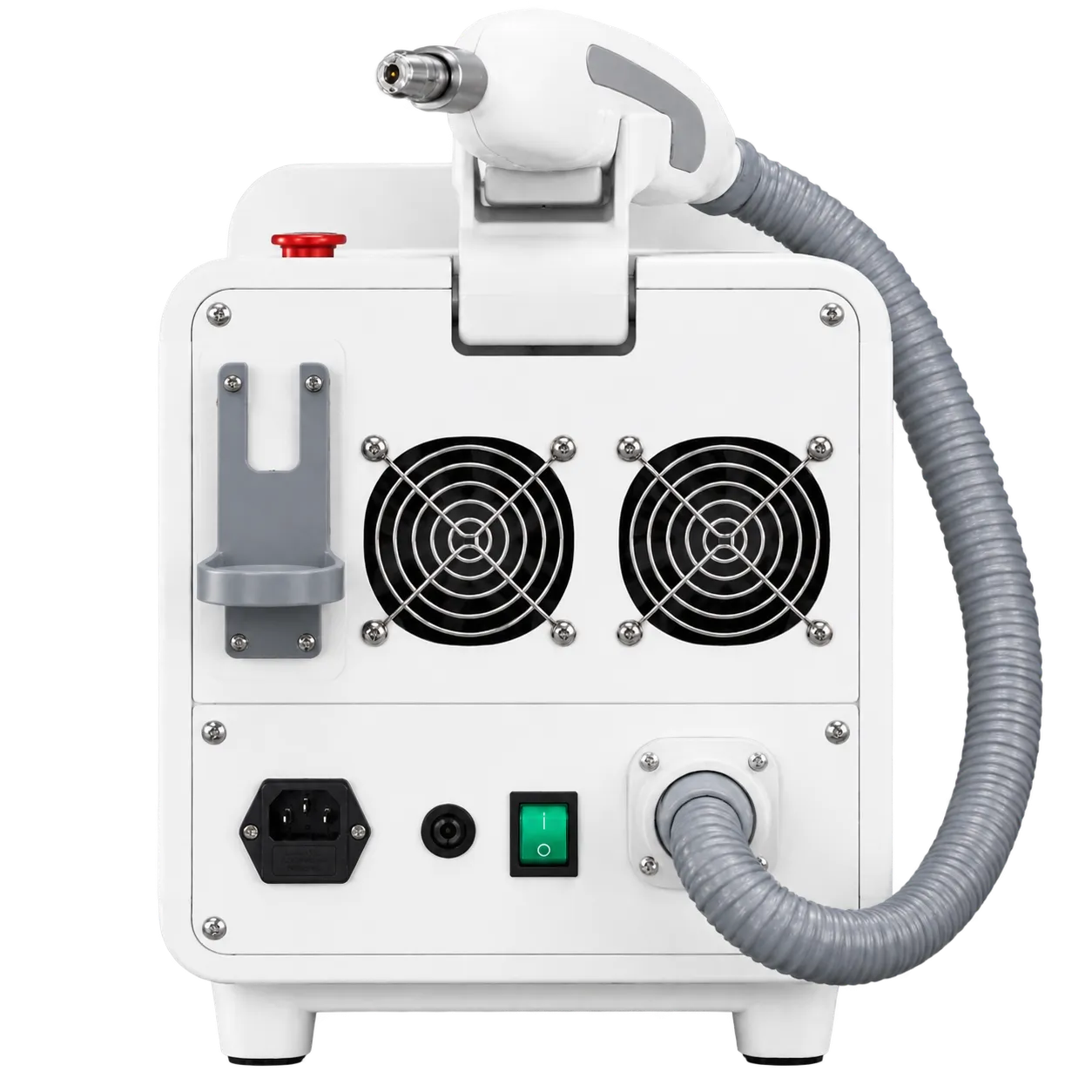
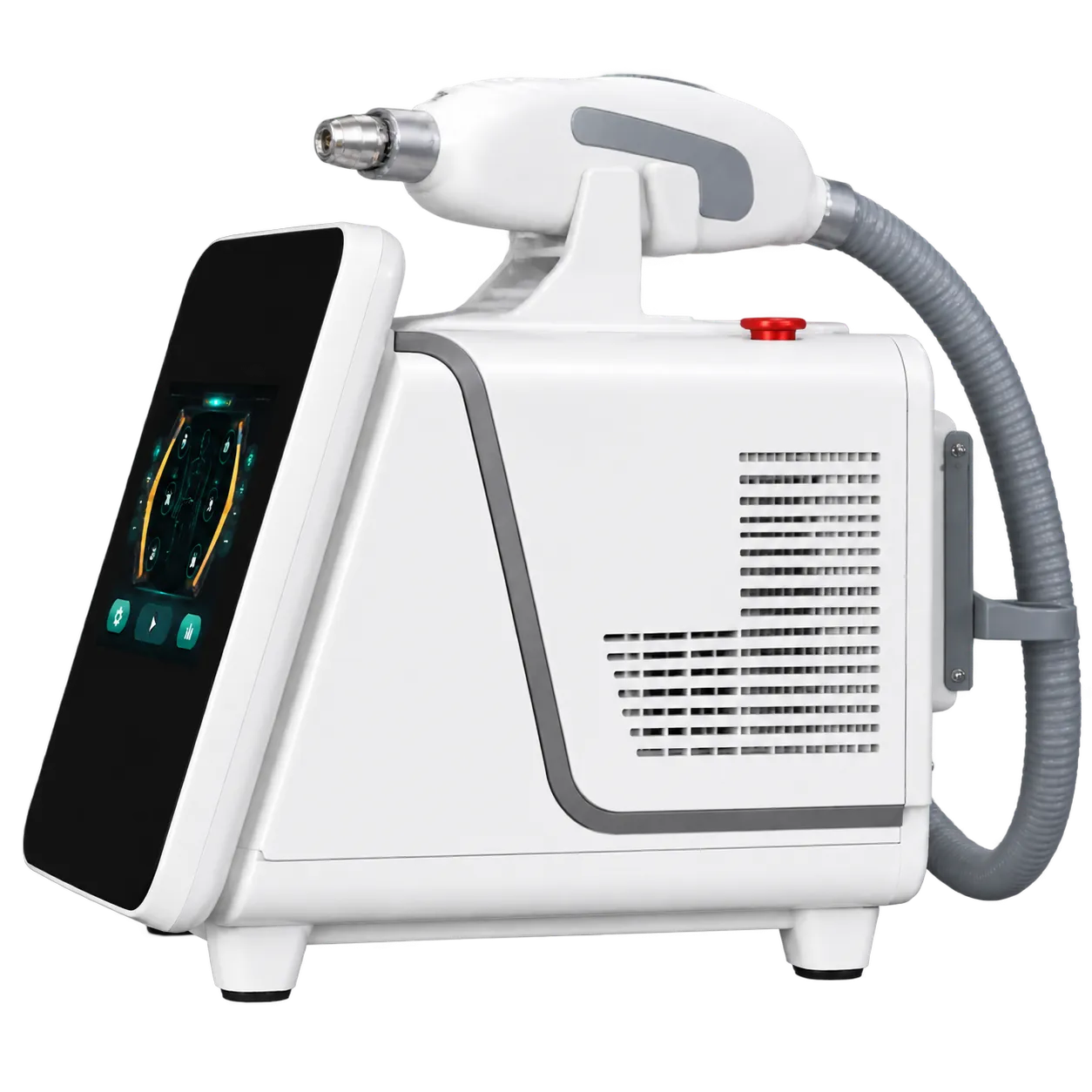
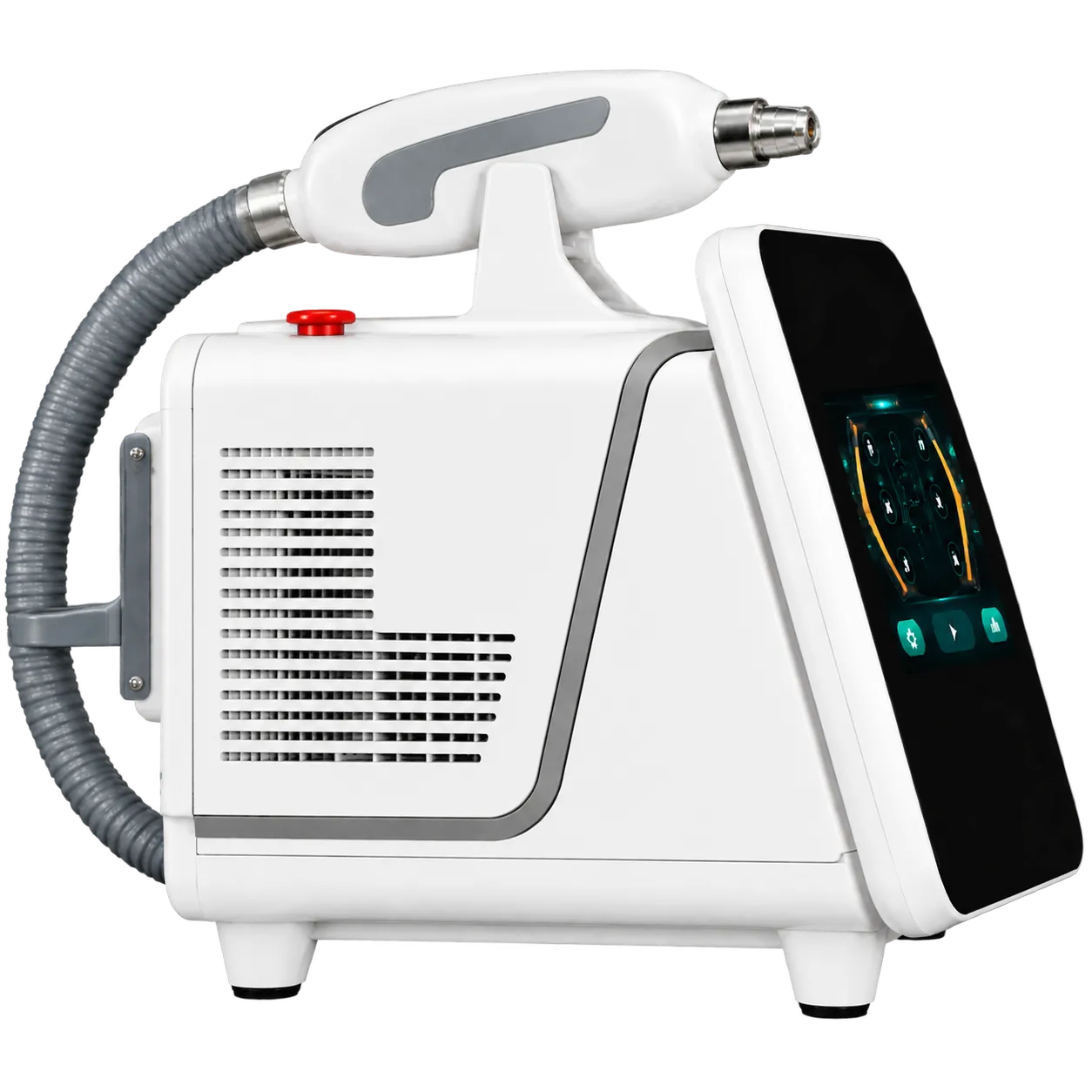
Tattoo removal is the backbone of the caseload. The 1064 nm output targets black and dark blue ink, which makes up most of what clients bring in, while 532 nm targets red and orange. Studios whose work is mostly amateur or faded single-colour pieces will find the standard wavelengths cover most enquiries. Green and sky blue sit outside that range, and it is worth saying so at consultation.
Eyebrow correction is a strong second strand. Clients wanting a microbladed or powder brow lightened before re-work make up a steady flow in brow studios and aesthetic clinics, provided the protocol handles periorbital eye protection and the darkening risk of cosmetic inks.
Skin work fills the diary between removal courses. Freckles and sun spots respond to 532 nm, while carbon-assisted facials using the 1320 nm output appeal to clients concerned about oiliness and pore appearance. Pigmented lesions need a doctor's diagnosis before any treatment, and melasma should not be sold as a stand-alone laser fix.
The compact body opens up smaller settings. A clinic running two small treatment rooms can move it between them on a trolley, and a group with several sites can relocate it as demand shifts, as long as each room has its own local rules and controlled-area arrangements signed off by the Laser Protection Adviser. The dual-voltage input matters for distributors and multi-country groups standardising on one model. The manufacturer issues the conformity documentation required for registration and licensing routes, and the seller provides it.