
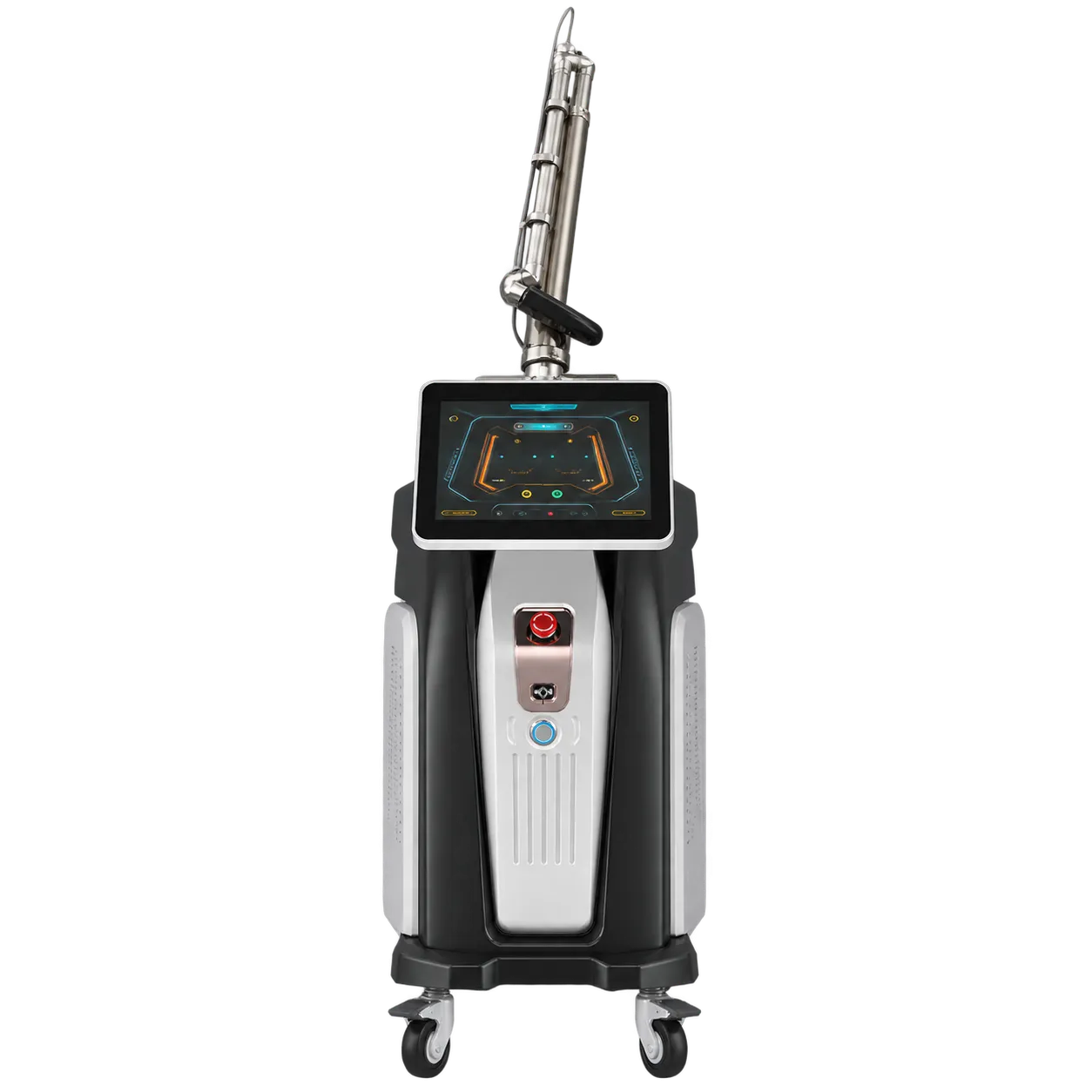
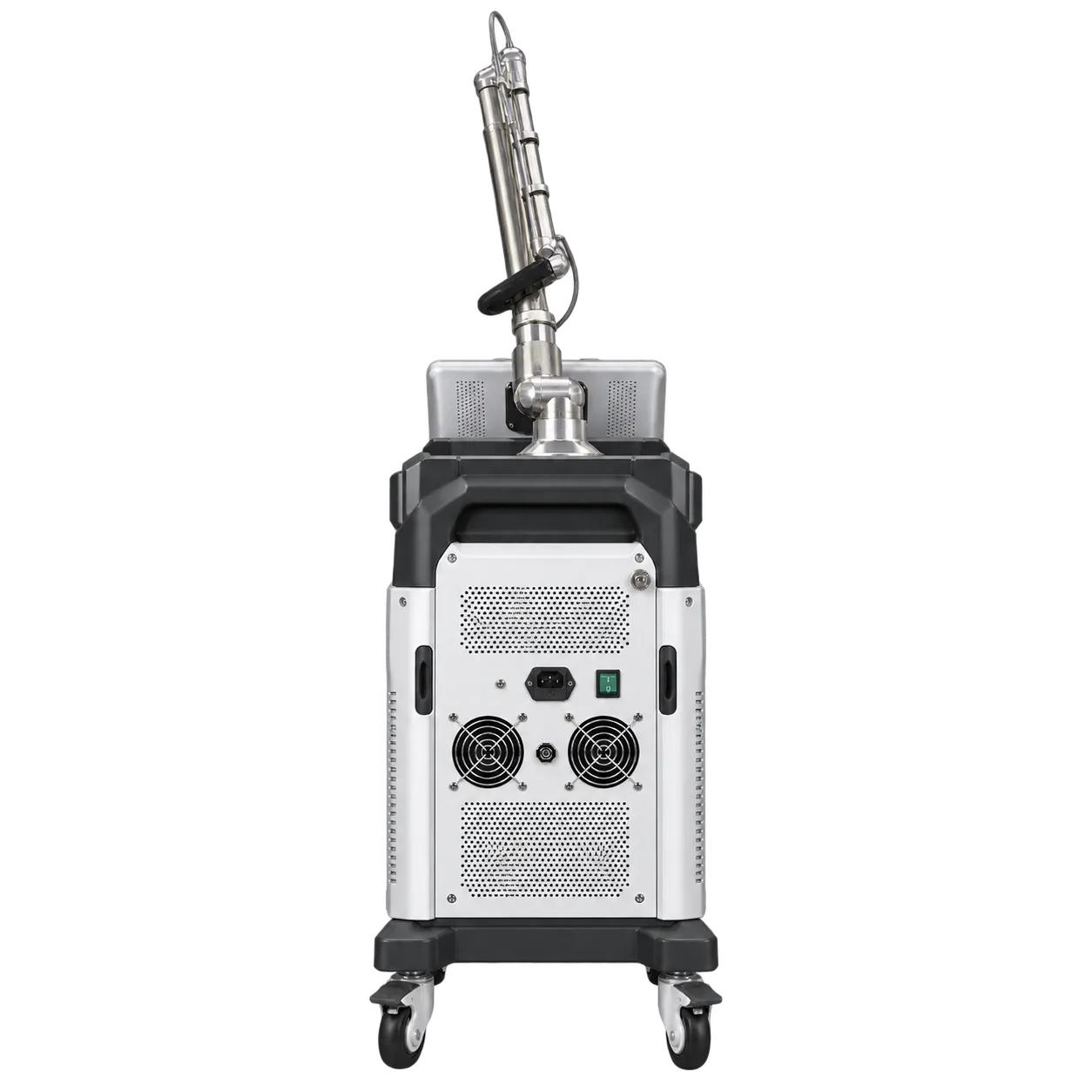
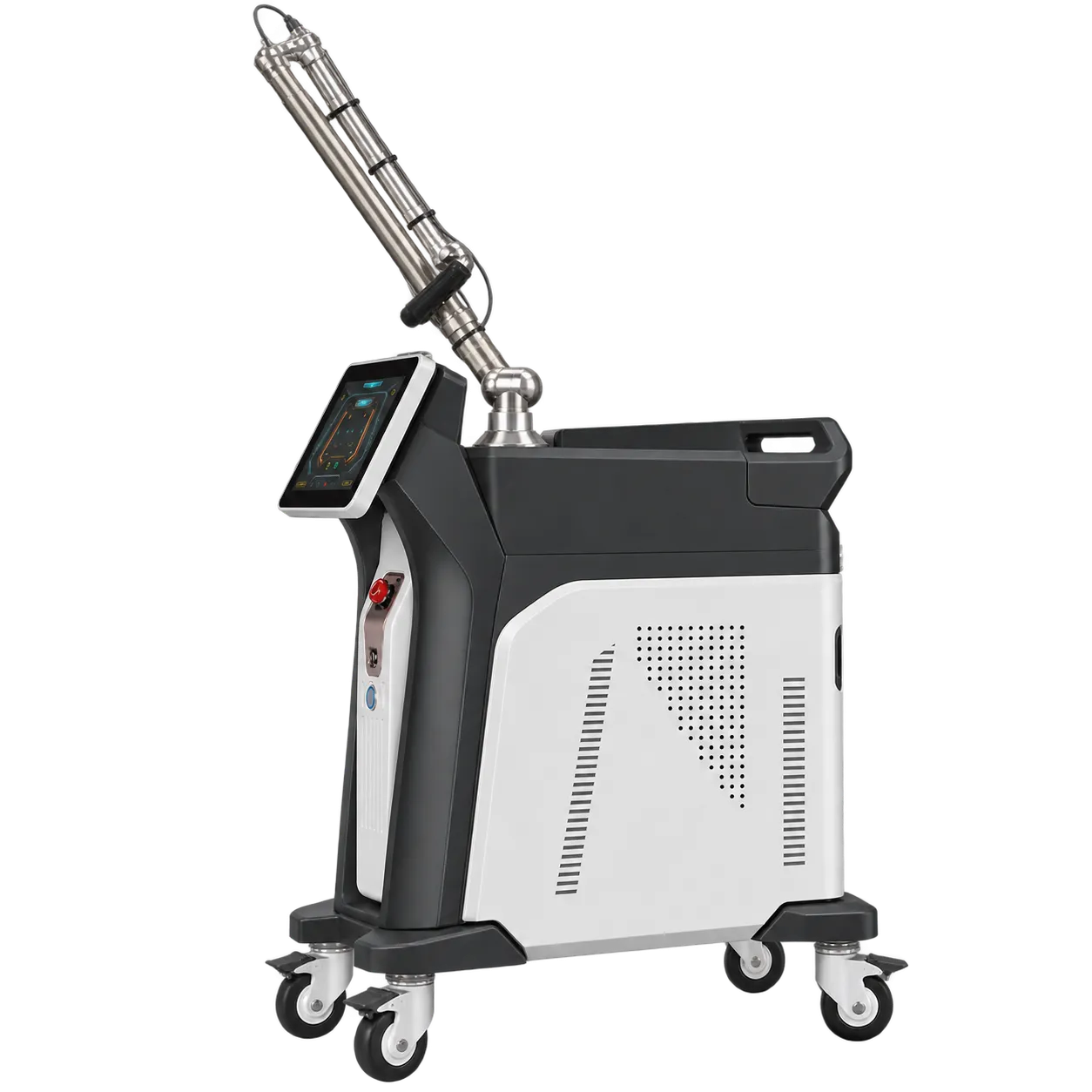
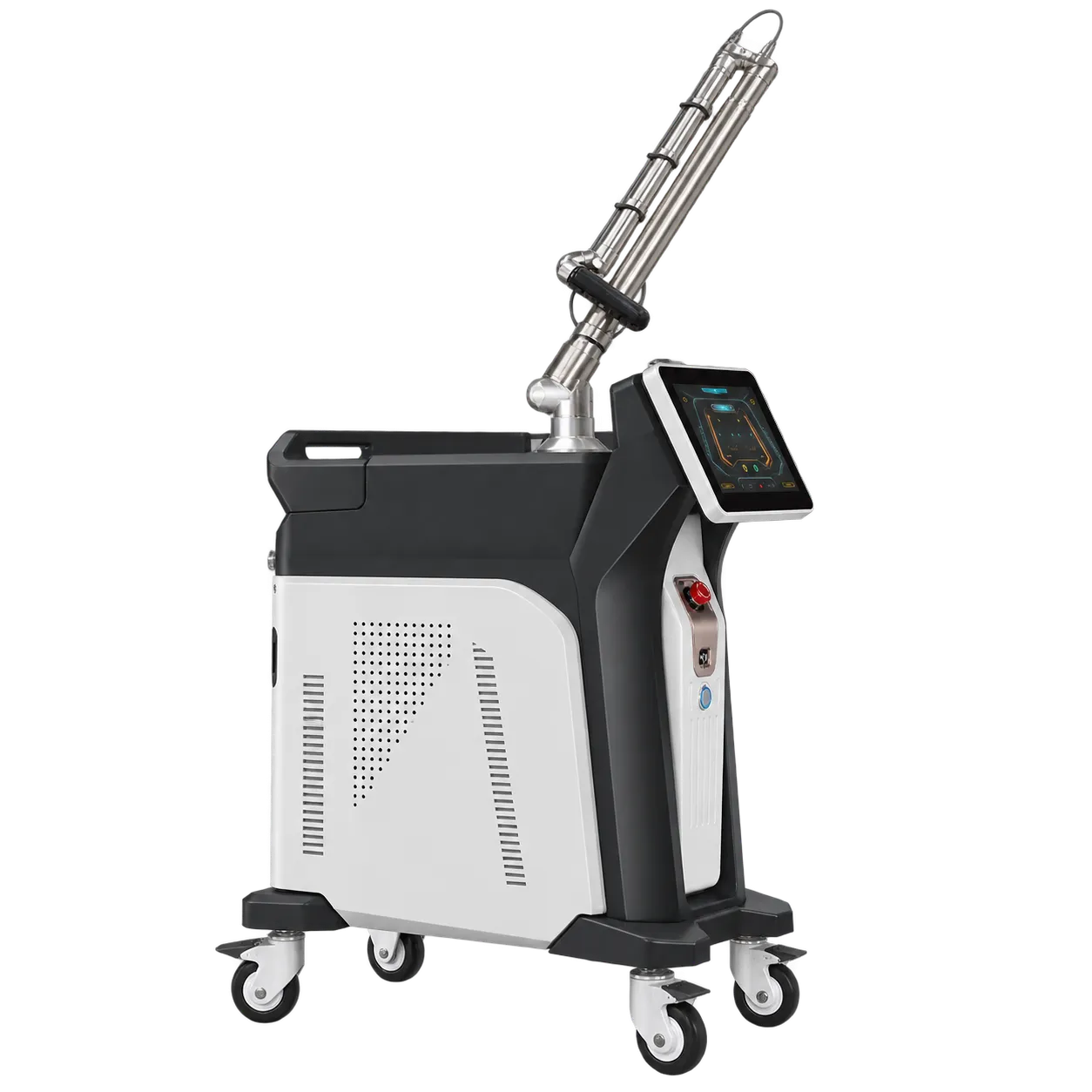
Tattoo removal is the work this platform is built for in Nubway's literature, and most demand comes from black or blue ink that a client regrets, has outgrown, or needs cleared for a cover-up. A clinic taking on that work needs a room it can control for every appointment, a consultation that sets expectations over months, and a photographic record of each area. Research on picosecond tattoo treatment points to several sessions spaced weeks apart, and a course planned that way from the start is easier to explain and fit into a clinic diary.
Pigment work is the second stream. Nubway lists freckles, sun spots, age spots and melasma, and a randomised trial of 60 melasma patients comparing picosecond 1064 nm treatment, picosecond 755 nm treatment and 2% hydroquinone cream found each group improved from baseline. Clinics should treat melasma as a condition that relapses and needs sun protection and topical care alongside any laser session, not as a single-visit correction. Acne scarring and skin texture appear in the same literature, usually linked to a fractional or array handpiece, so confirm whether one ships before advertising that service.
The unit suits dermatology and aesthetic clinics, cosmetic surgery practices that offer tattoo removal, and dedicated laser studios with a secured treatment room. It is less suited to a hair and beauty salon without a controlled area, because a Class 4 room brings duties that a shared space cannot meet. Clinics in Wales, Scotland and Northern Ireland must complete the registration their regulator requires before the first client, and English clinics should check local licensing. The conformity documentation those registrations require is issued by the manufacturer and provided by the seller.