
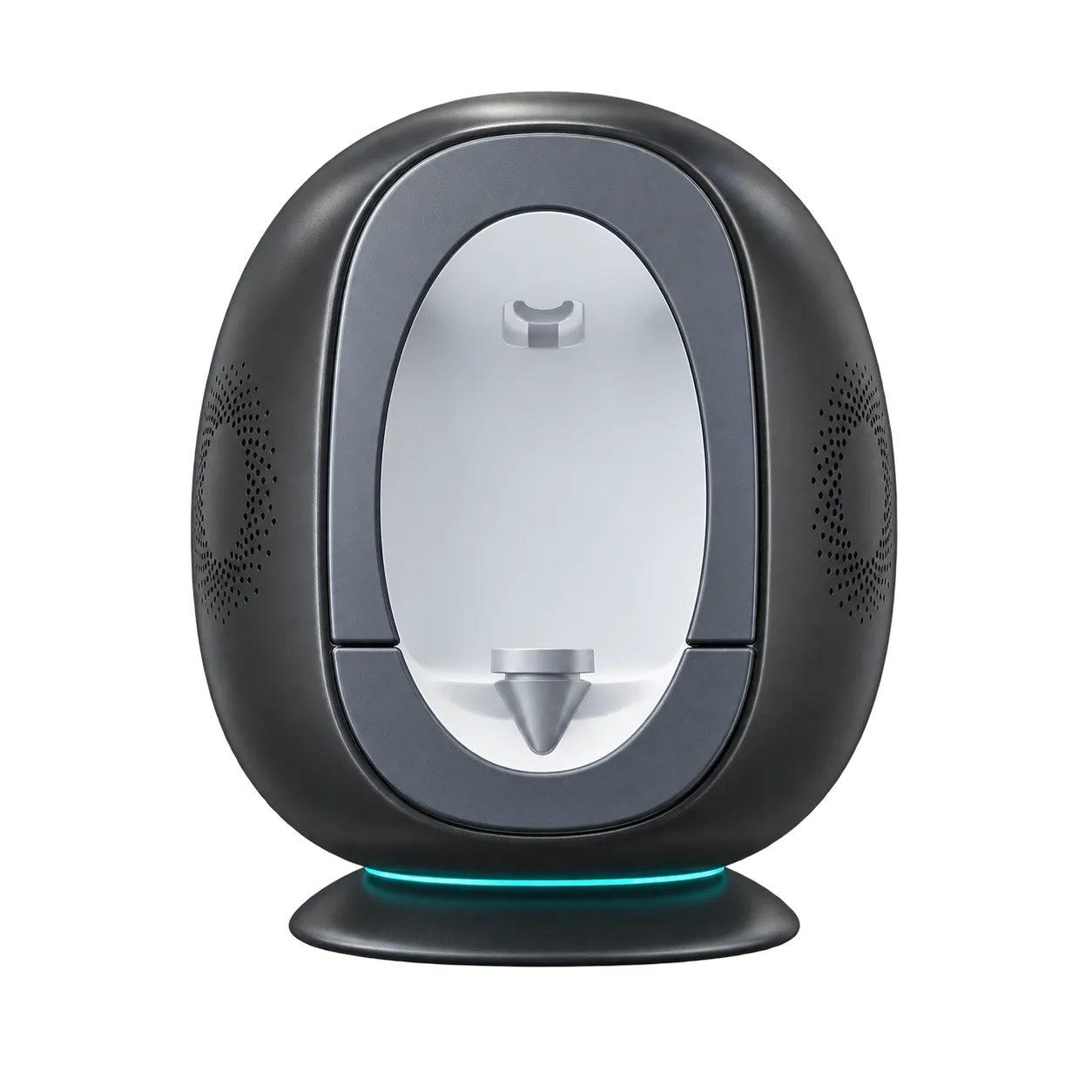
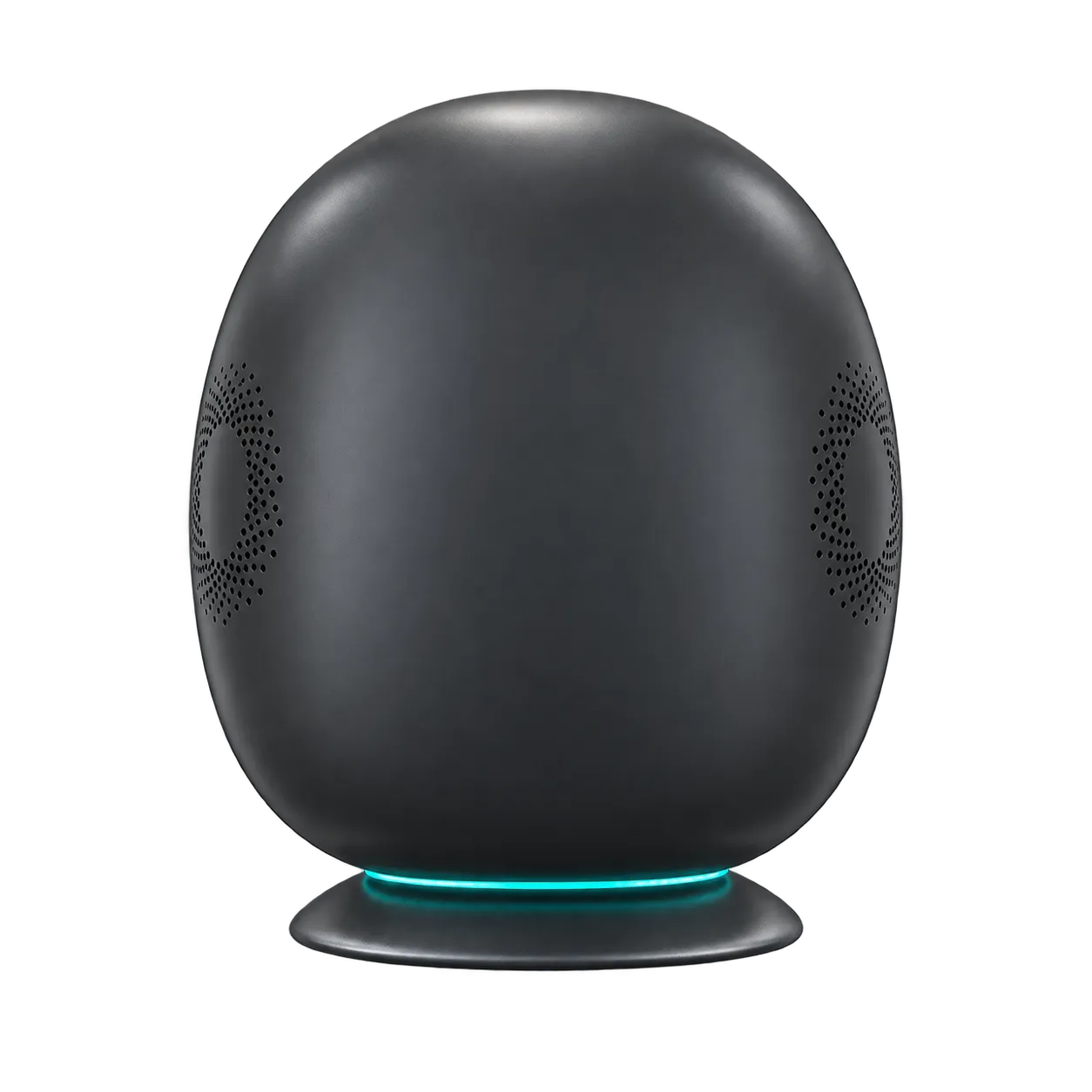

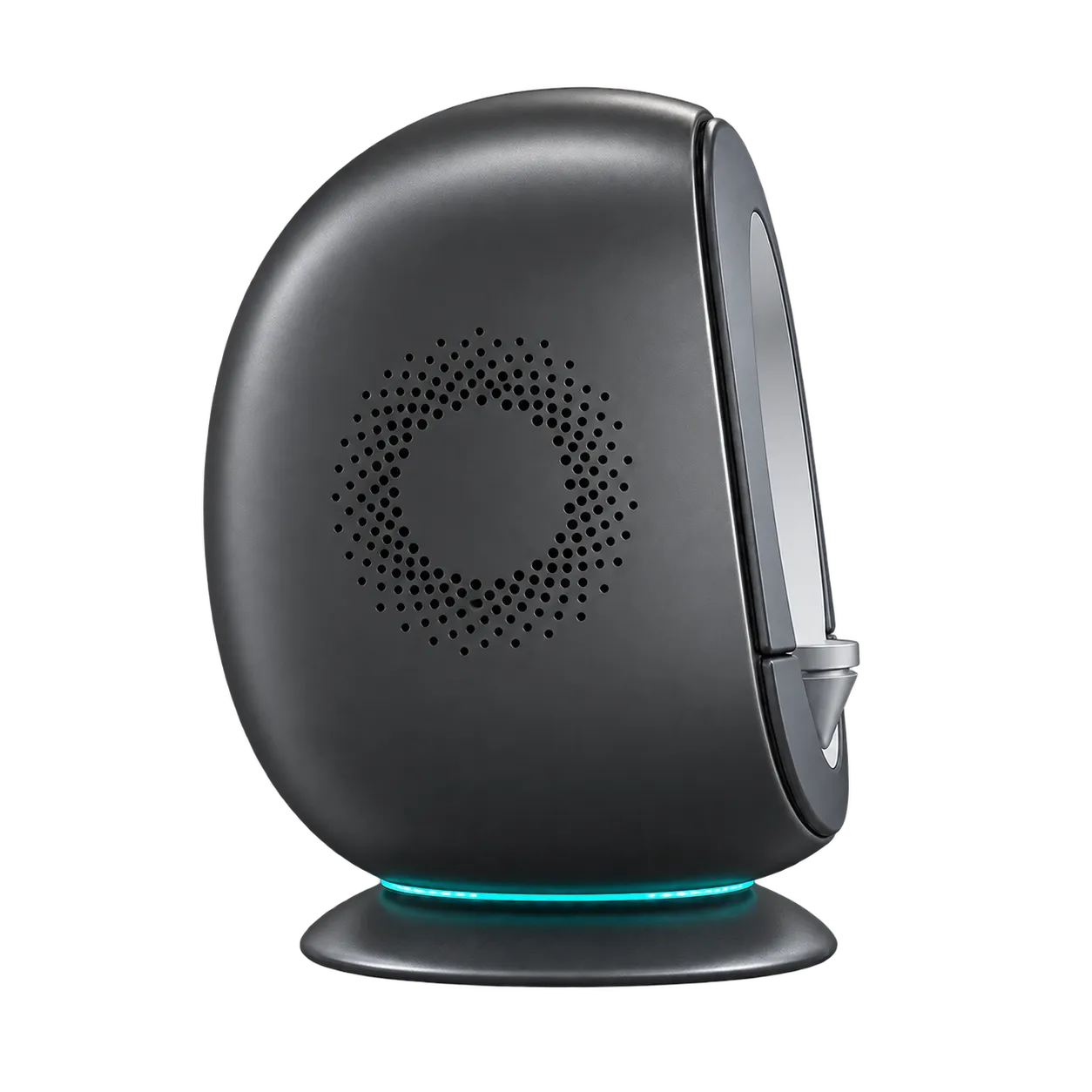
The PC-02 earns its place at the start of a consultation. Aesthetic clinics, skin-focused salons, and cosmetic dermatology services use analysers like this to show a client what the treatment plan targets, whether that is pigmentation, redness, enlarged pores, or fine lines. A client who has seen her own UV pigment image tends to understand why a course of peels or light treatment is being suggested.
The second use is follow-up. Because the blackout hood and face stand fix lighting and position, images taken at the start of a course can be set beside images taken at its end. That record supports honest progress reviews, and it helps when a client feels nothing has changed. Skincare practices can also use texture and pigmentation analyses to explain a product recommendation.
Training teams find a third role. New staff can learn to read pigment, redness, and texture patterns against the analyser's images before advising clients alone.
The limits are firm. The PC-02 is a cosmetic assessment tool, so it has no place in mole checks, skin cancer screening or any diagnostic pathway. Clients with changing lesions go to a doctor, regardless of what the analyser shows.
Each of these uses creates stored facial images, so each practice needs a clear consent process, a retention period, and controlled access before the first capture. Where cloud storage is used, the server location and processor terms need to be settled in advance. The conformity documentation required for those data protection and safety reviews is issued by the manufacturer and provided by the seller.