
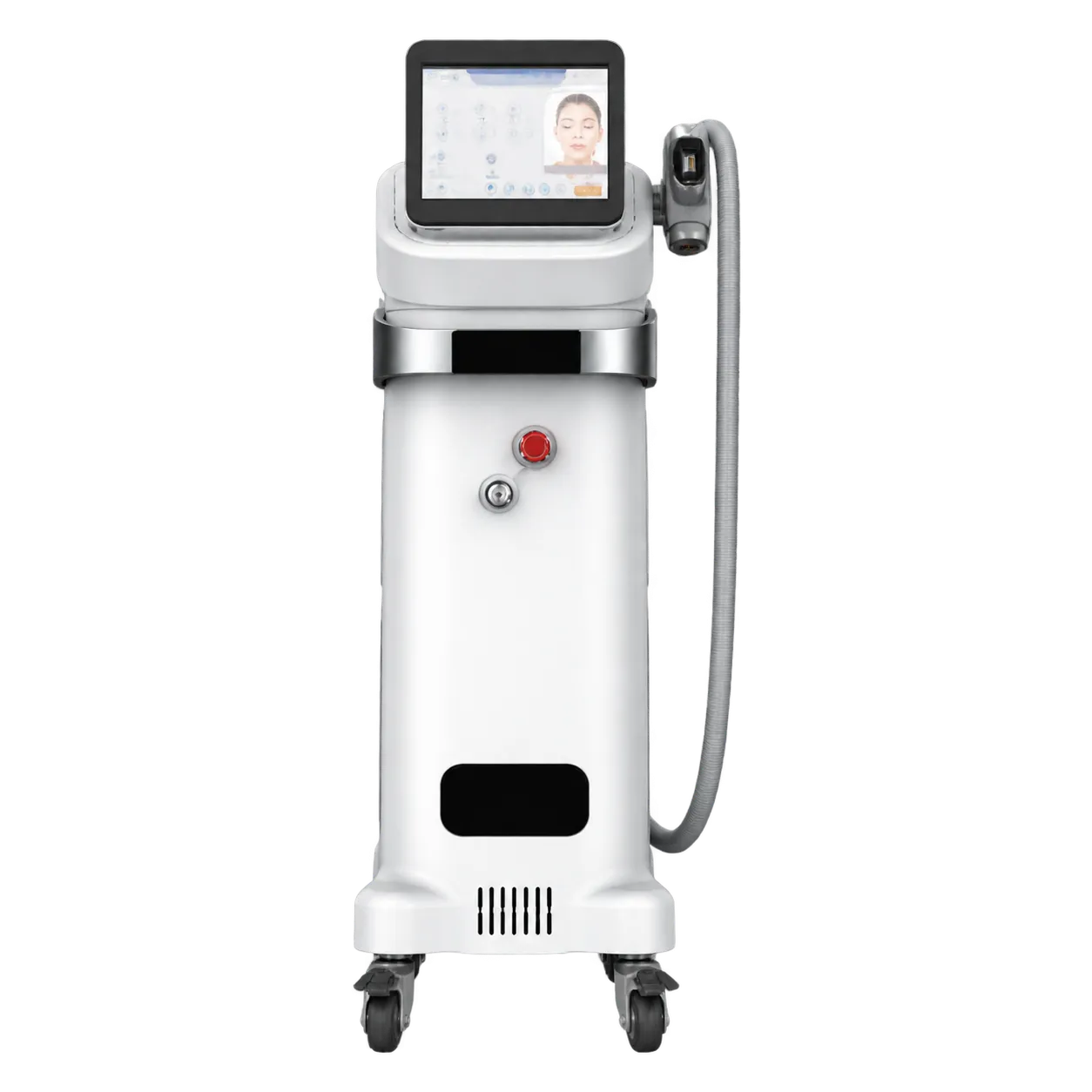
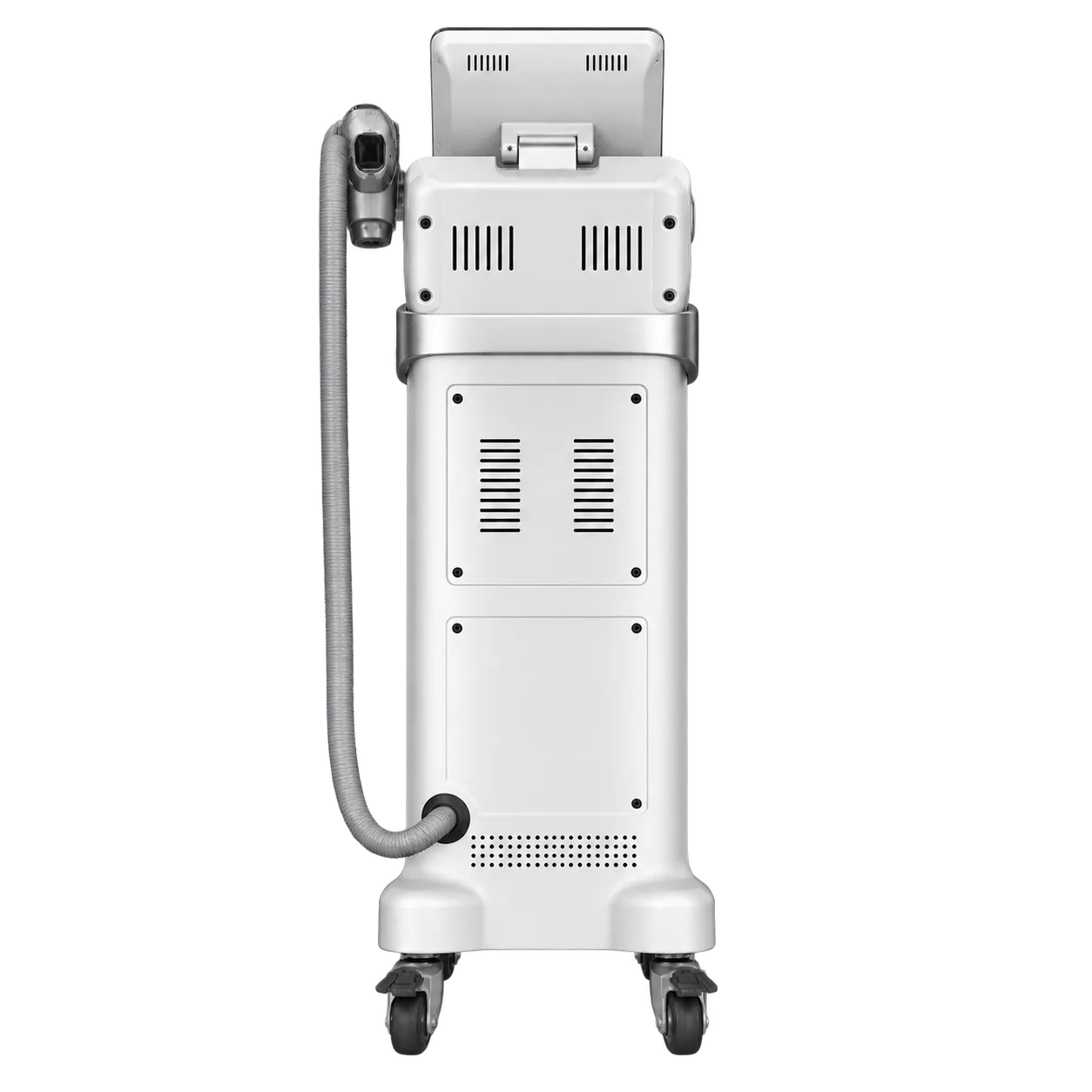
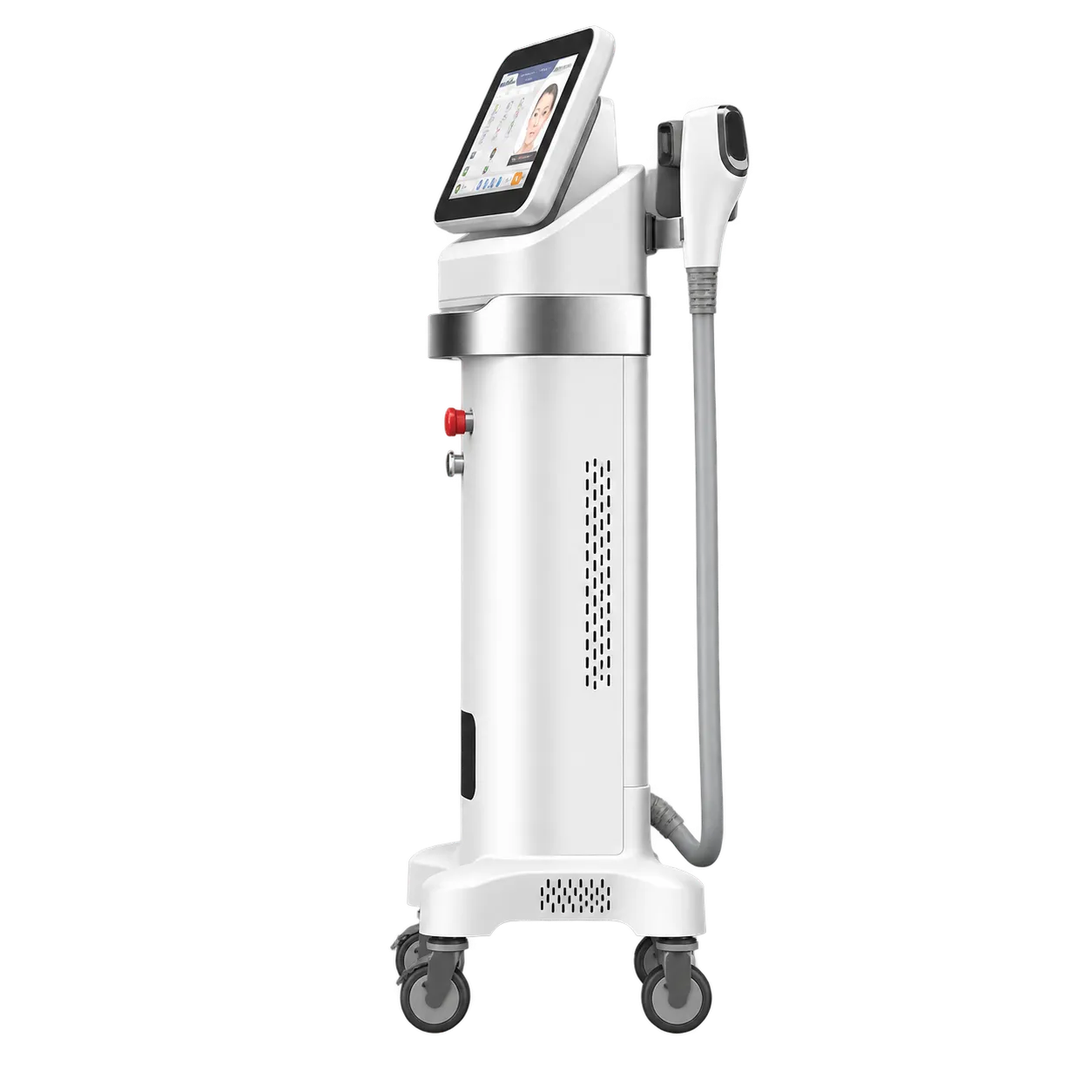
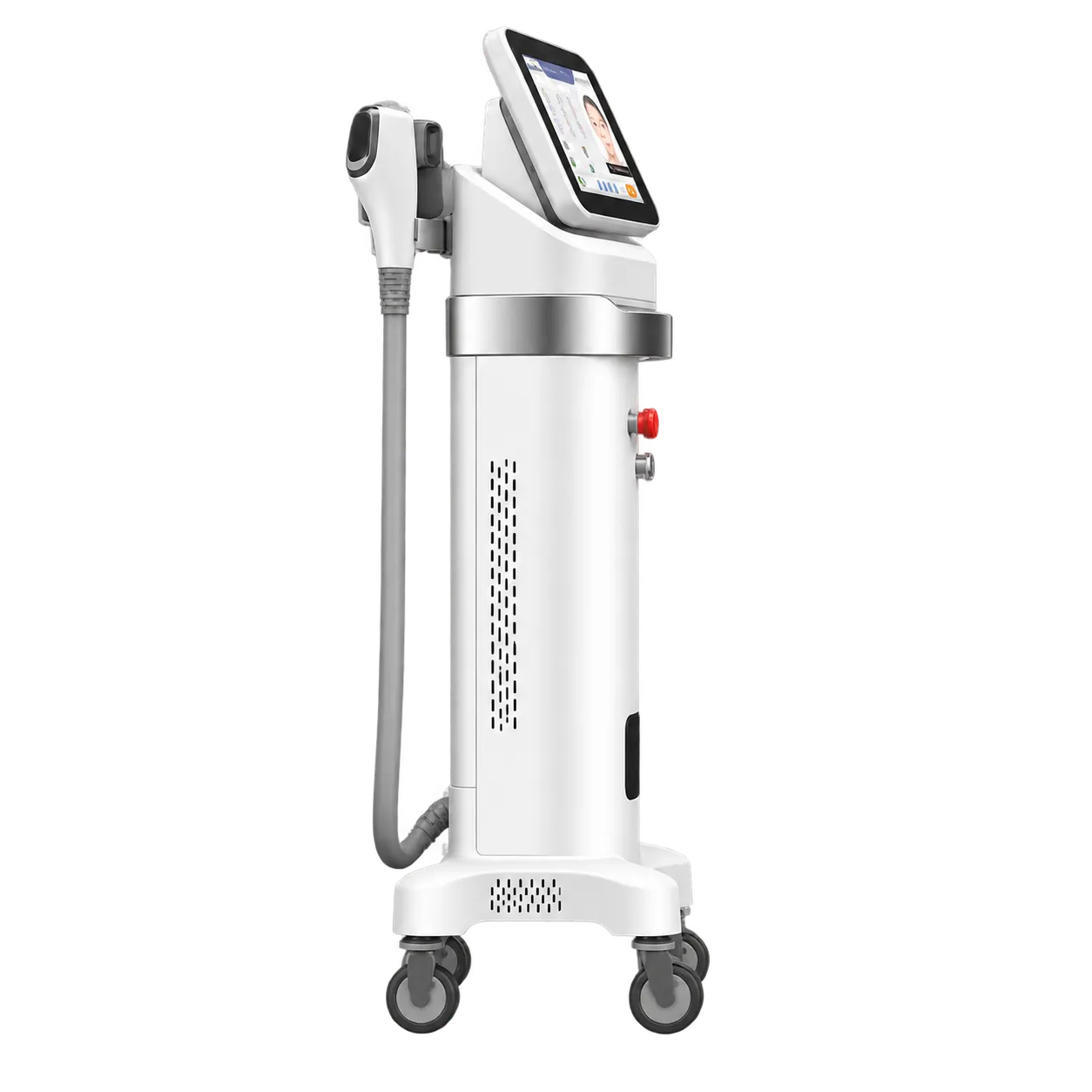
Salons and aesthetic clinics with a mixed list of small and medium areas are the likeliest buyers: faces, underarms, bikini lines and forearms, with legs and backs taken at a steadier pace. A 1,200 W class handpiece with a 12 × 20 mm spot suits that pattern, and a buyer with mostly full-body work should compare it against larger handpieces first.
The room is where the purchase succeeds or fails. Before delivery, the Laser Protection Adviser should define the controlled area, approve the local rules and specify eyewear. The layout then follows the machine controls: the key needs a secure home and a named holder list, the emergency stop needs an unobstructed reach from the operator's stool, and the door needs a sign and a way to stop anyone from walking in mid-treatment.
Windows and reflective surfaces are the commonest oversight in converted rooms. Mirrors fitted for a previous use, glossy wall tiles, chrome trolleys and glass-fronted cabinets all need covering, removing or checking against the beam path before the first client.
Water care sits alongside that. A cooling circuit topped up with the wrong water, or never changed, degrades the laser bars long before they reach their shot life, so a water log and a filter schedule are part of the room routine, not an afterthought.
Clinically, skin typing and patch testing come first, with wavelength choice following skin type. Consent should cover expected sessions, possible pigment change and the need to avoid sun exposure between visits.
Single-site owners usually buy directly, while groups route orders through procurement and the adviser. The manufacturer issues the conformity documentation, and the seller provides it.