
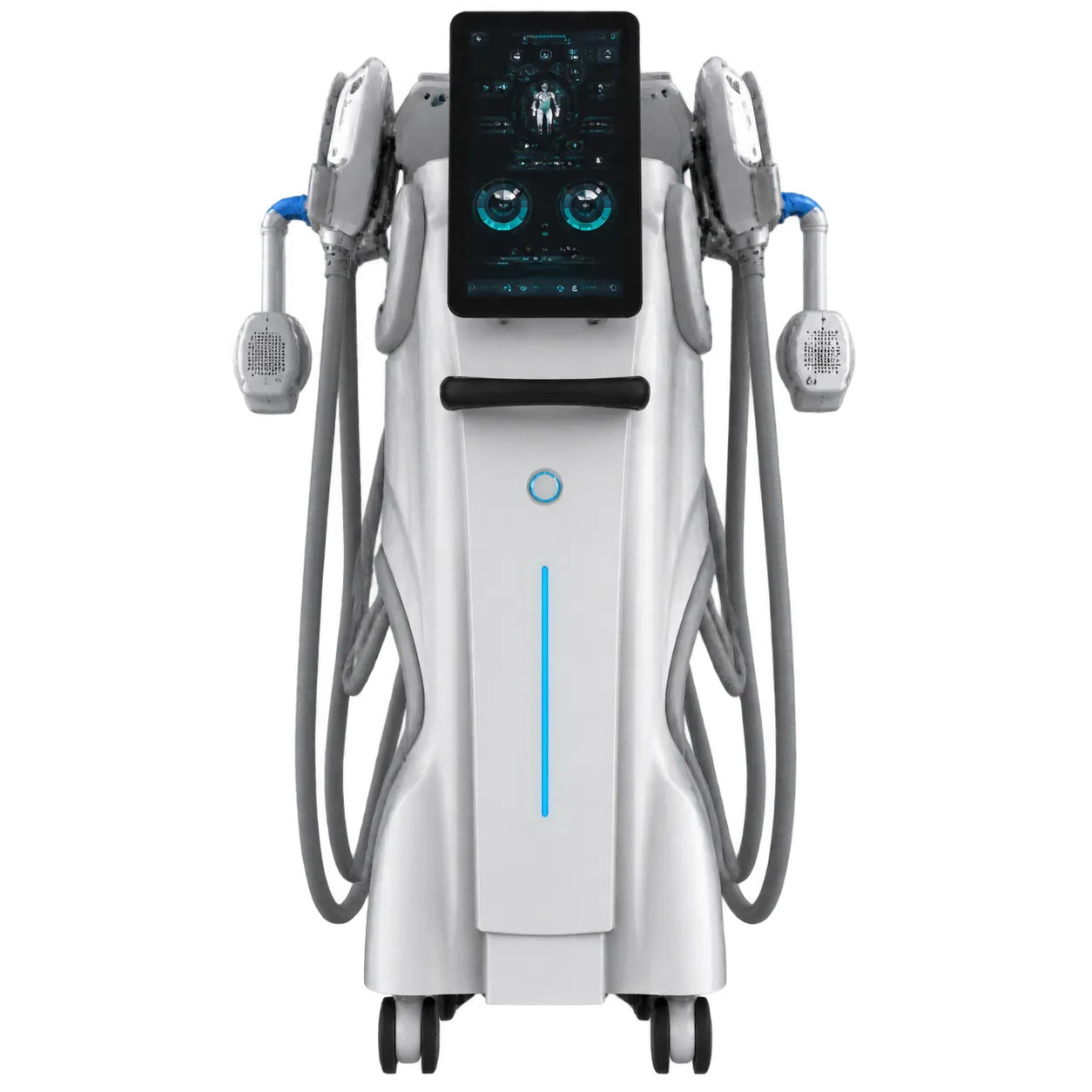
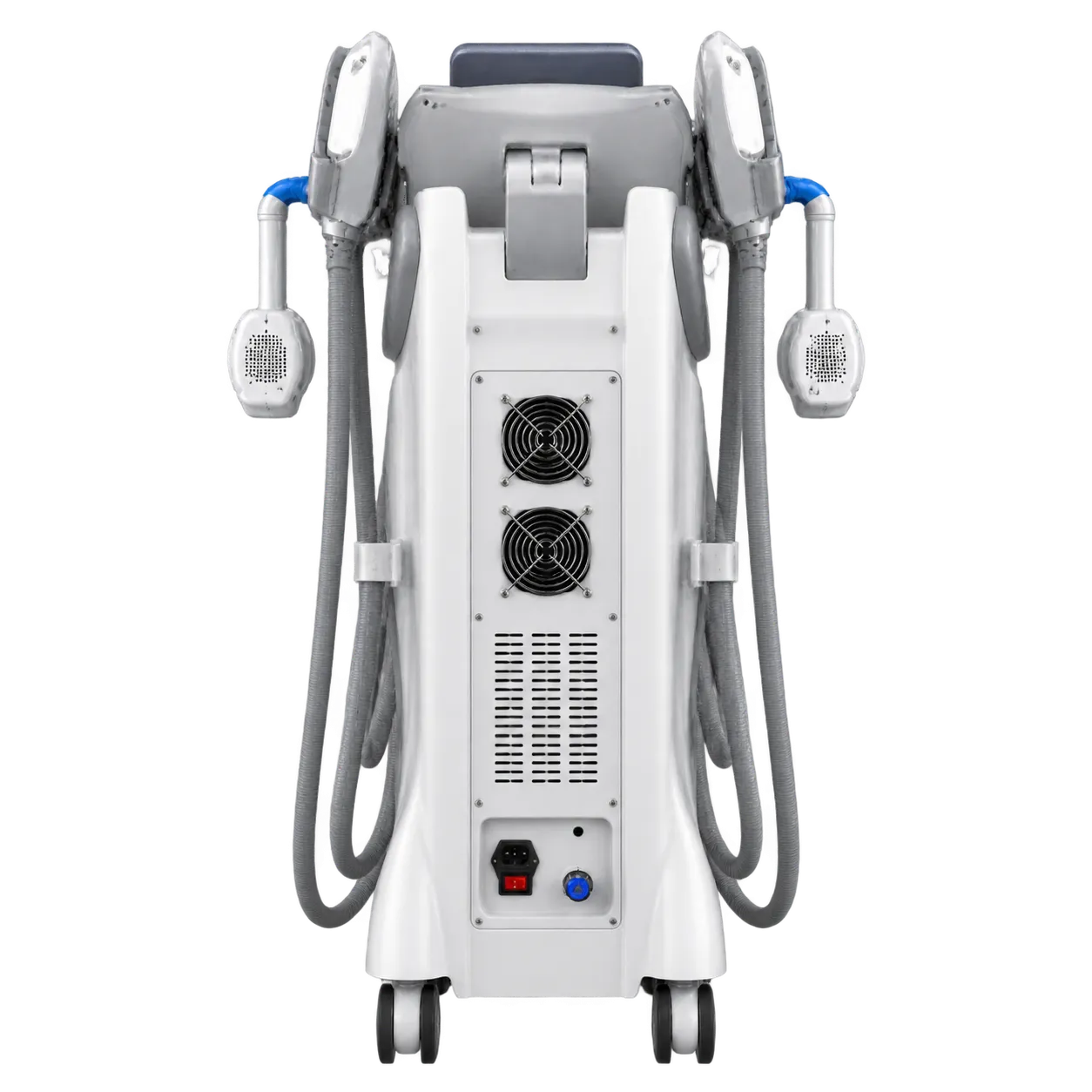
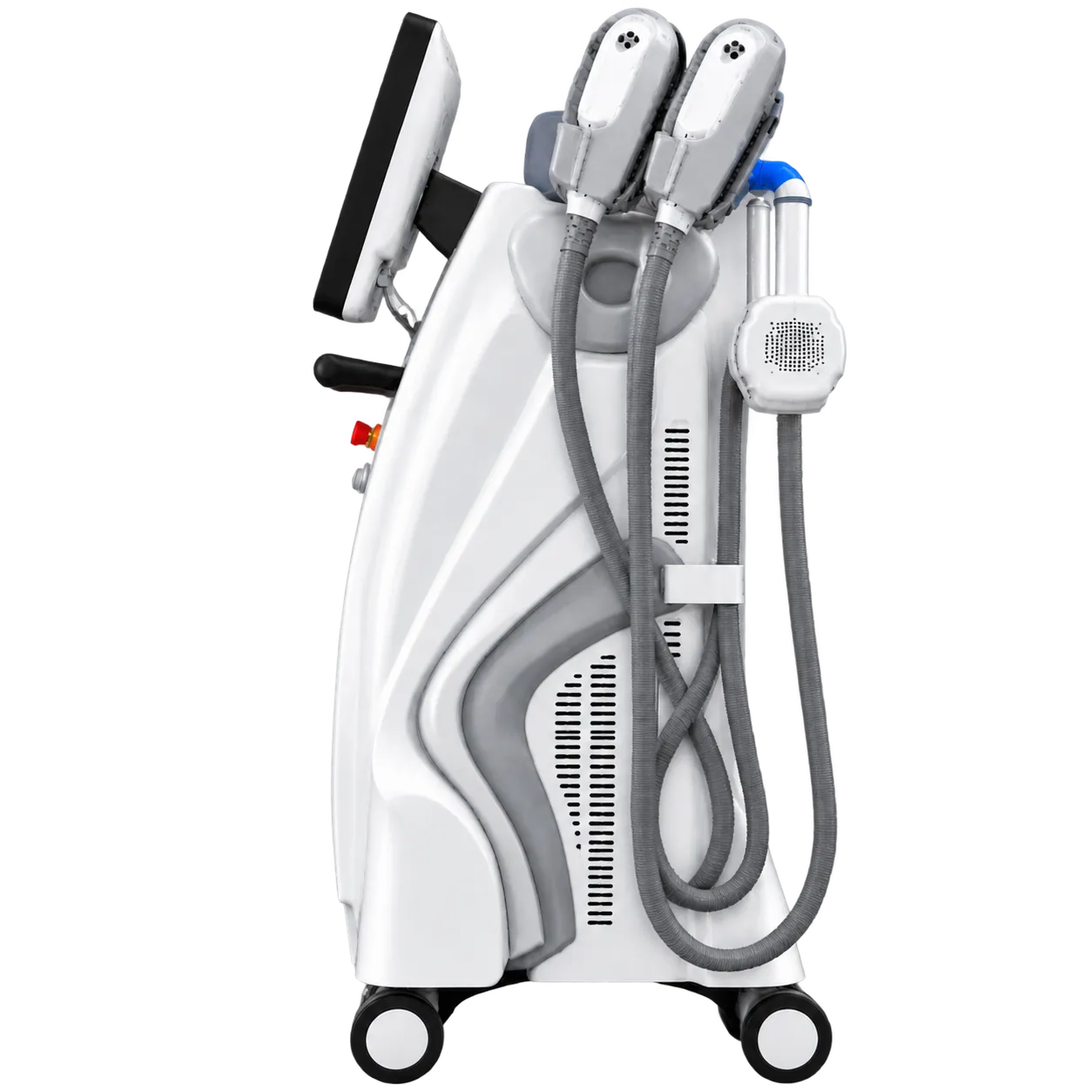
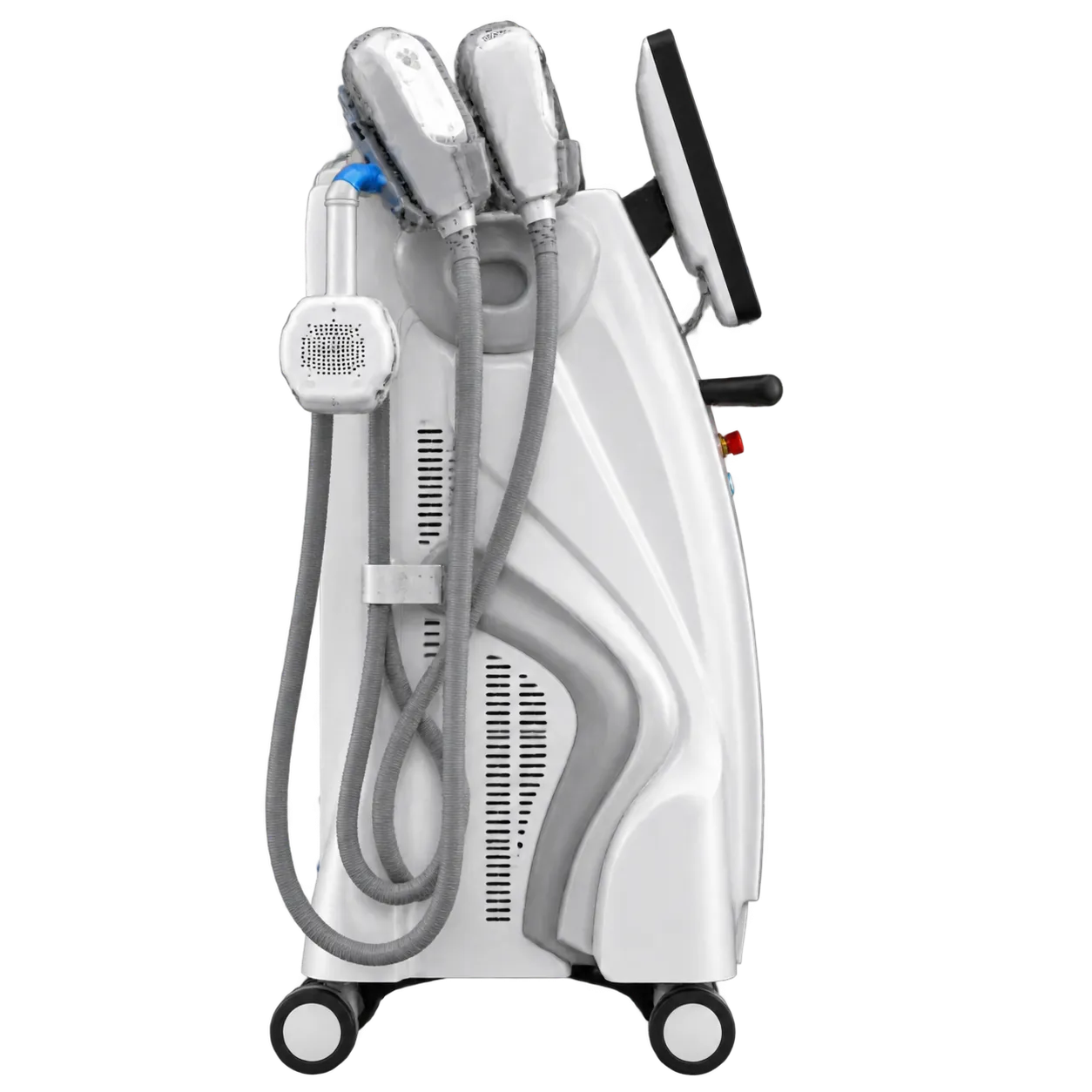
Aesthetic clinics use sculpting towers to tone the abdomen and buttocks in clients who are already close to their target weight. A consultation with a contraindication check, baseline photographs and tape measurements sets expectations and gives a clear record for follow-up. Repeat the same photographs and measurements at the end of the course and again a few months later.
Body contouring studios build four-session packages around one or two areas. With four applicators on the line, a studio can treat the abdomen and both glutes in one appointment, shortening the course for the client and freeing the room sooner. Pricing per area, with a clear course length, keeps packages simple to sell.
Fitness and wellness centres offer muscle toning as an add-on for members who train but struggle to change a stubborn area. Framing the service as support for training, and never as a replacement for exercise, keeps claims honest and in line with advertising rules on body image and results.
Beauty salons with trained staff can offer arm, calf and inner-thigh toning with the smaller handles. Screening every client for electronic and metal implants is non-negotiable, and a written checklist should sit with each consent form.
Post-pregnancy clients often ask about abdominal tone. Treatment should wait until the client is cleared by their doctor or midwife and is no longer pregnant. Anyone with a known abdominal wall separation should be assessed medically before booking.
Doctor-led cosmetic practices can combine sculpting with medical screening for clients with complex histories and refer any unexpected pain, swelling, or irregular heartbeat through established routes.