
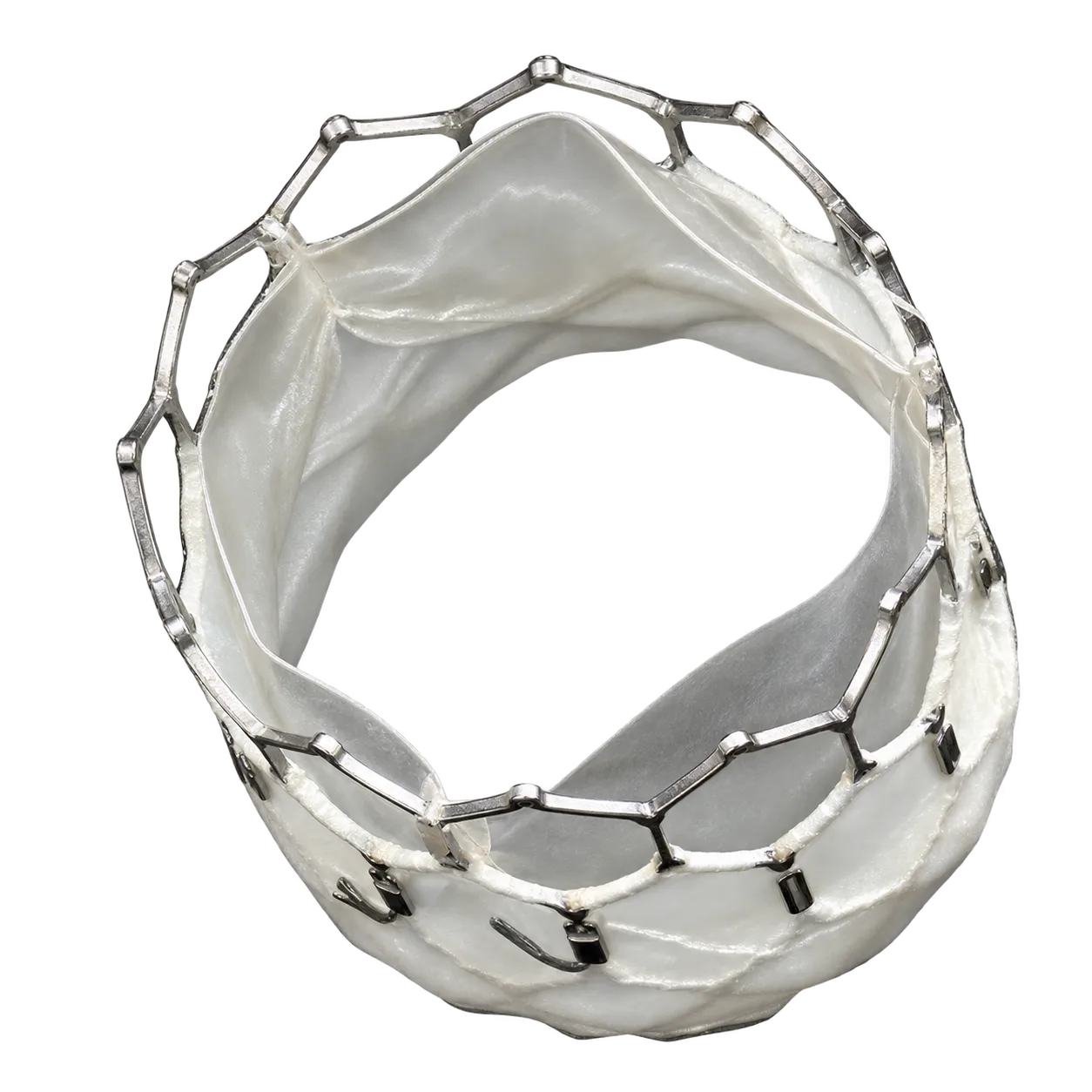
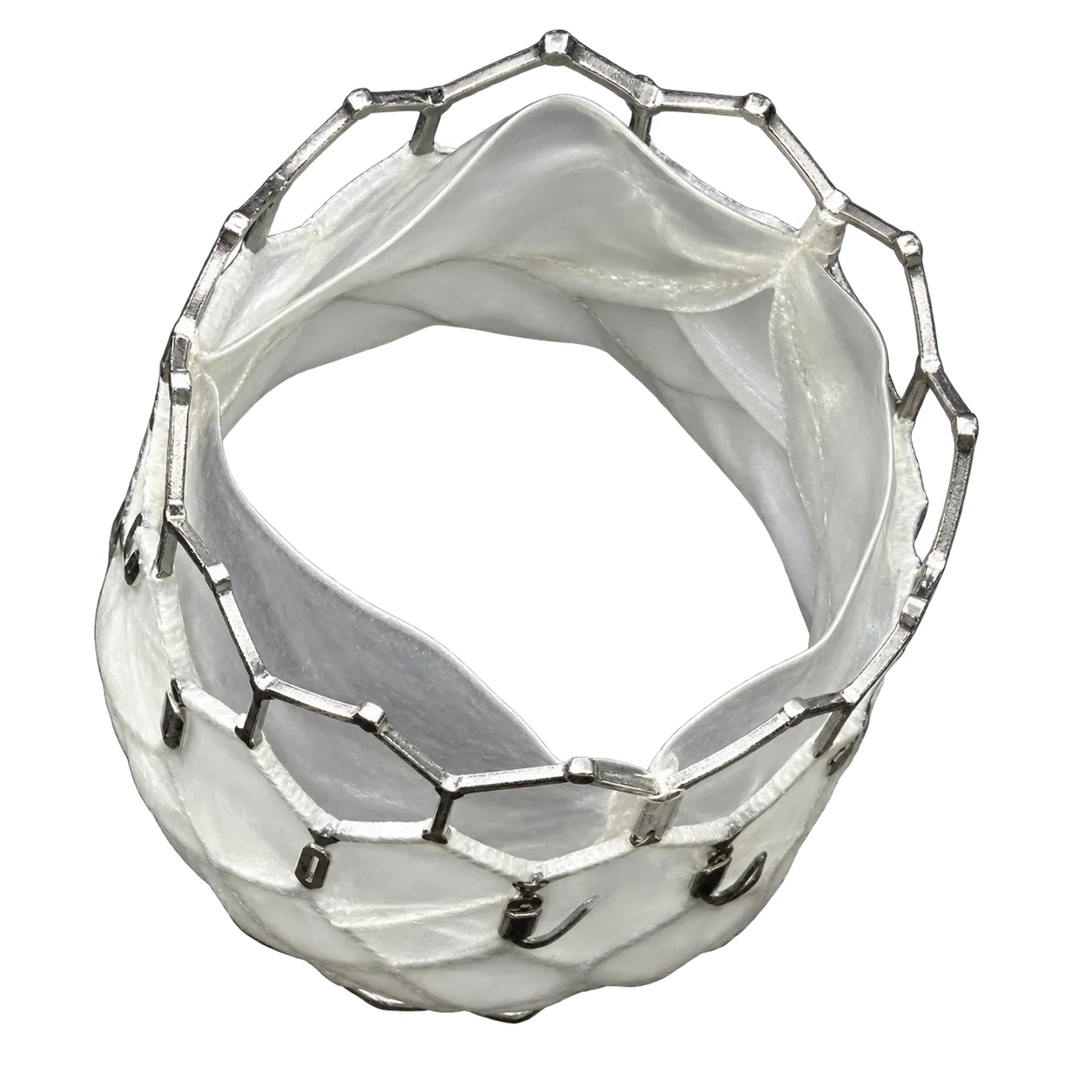
Valve replacement has always involved a compromise. A mechanical valve is extremely durable but demands lifelong anticoagulation. That carries bleeding risk and constrains the patient's life. A tissue valve avoids the requirement for most people. Its leaflets stiffen and wear out, though. A younger patient will very likely face a second operation. Neither option suits a patient who is both young and unable to manage anticoagulation.
Polymer leaflets are being developed to close that gap. The reasoning is sound. Calcium build-up and immune response are properties of animal tissue. A synthetic leaflet should not be subject to them. A polymer surface might also form fewer clots than a mechanical hinge does. If so, the valve could in principle deliver long life without anticoagulation. Rheumatic heart disease populations have most to gain. Those patients are often young, and frequently women of childbearing age.
That is the promise. It is a serious one, and several developers are pursuing it. The idea is not fringe. It is not yet a settled clinical position. Polymer leaflet valves have decades of unsuccessful attempts behind them. Failures came from leaflet tearing, calcification, and thrombosis. The first regulatory approval for commercial use of one came in 2025. Published multicentre one-year outcomes exist for a single device, in a single trial. Any polymer valve should be judged on its own evidence. The promise of the category is not enough on its own.
Each device stands or falls on its own trial data. Medigear.uk will supply the instructions for use once the manufacturer documentation is complete.