
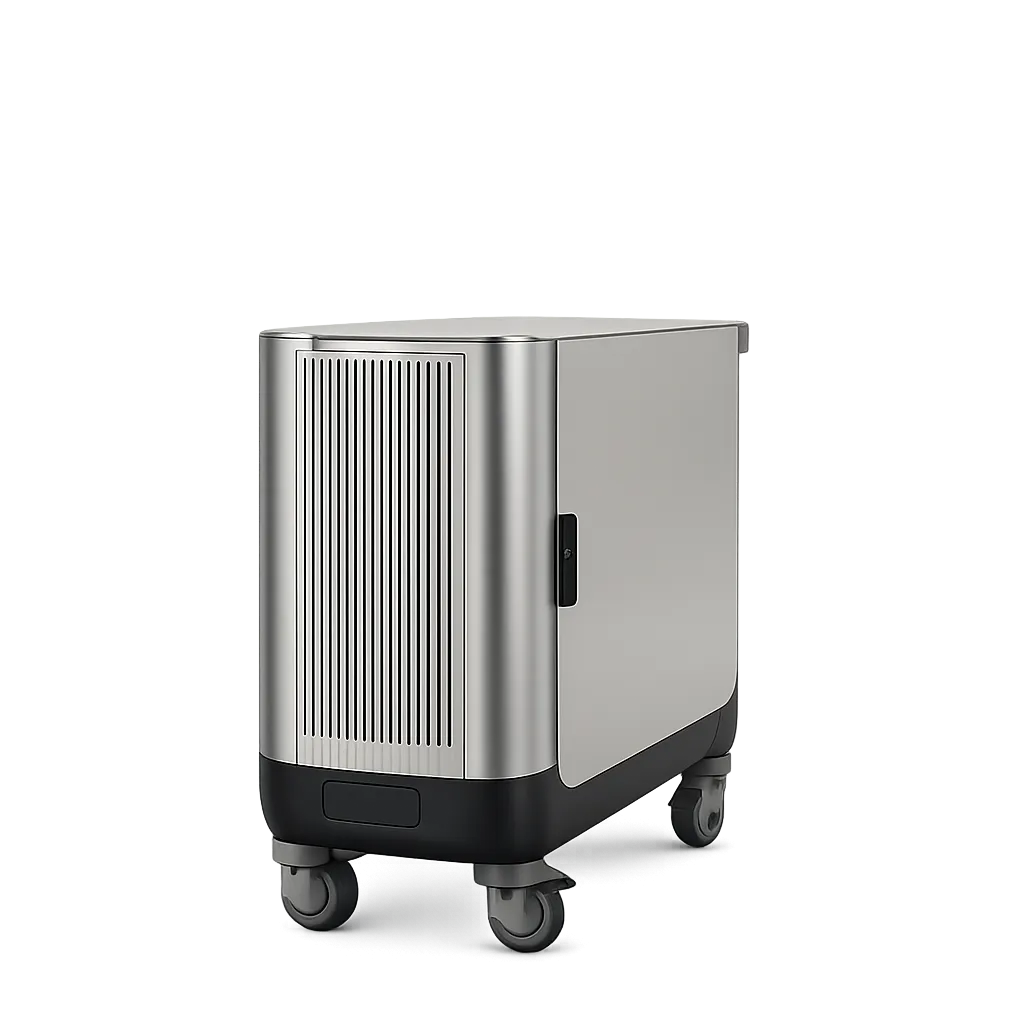
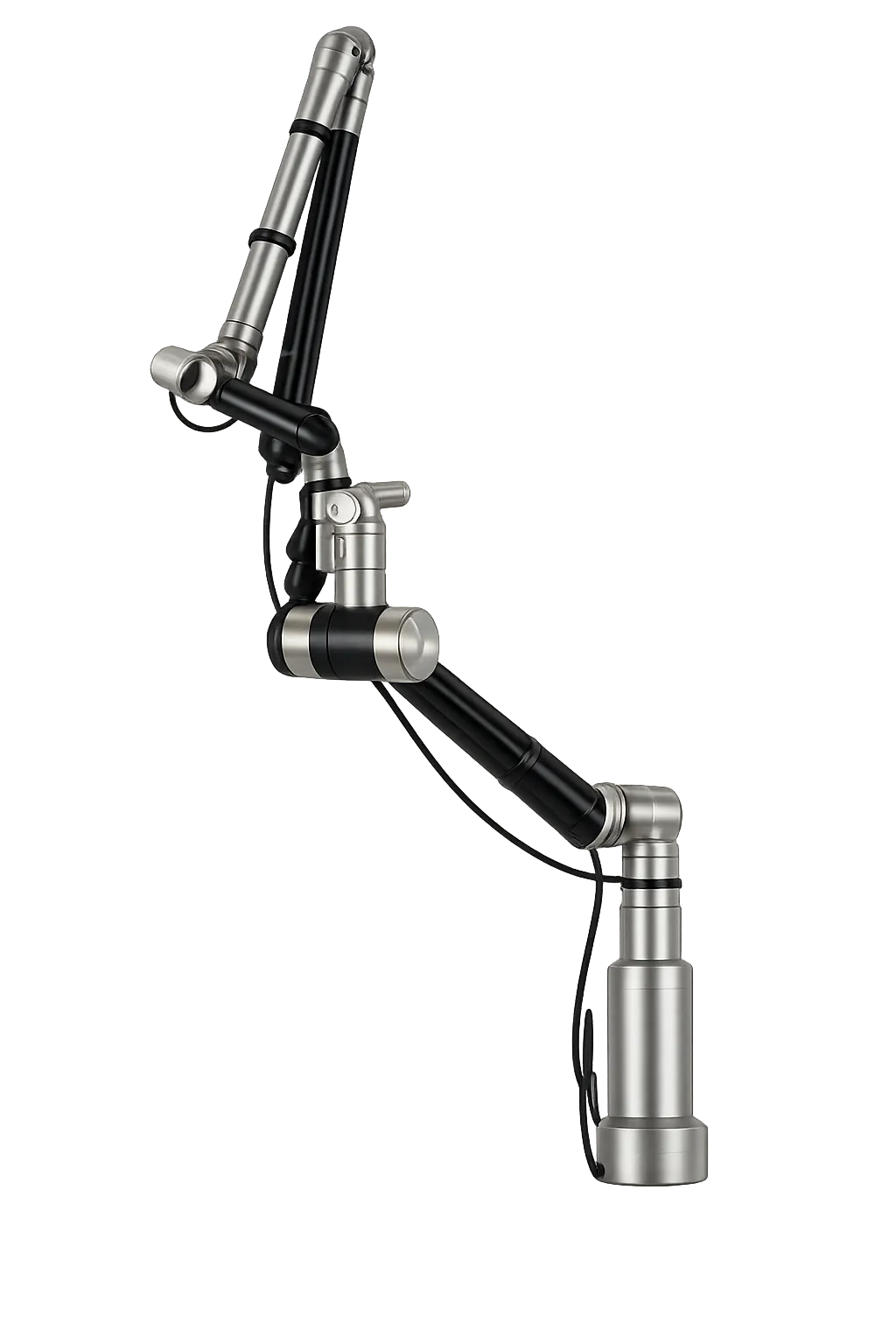
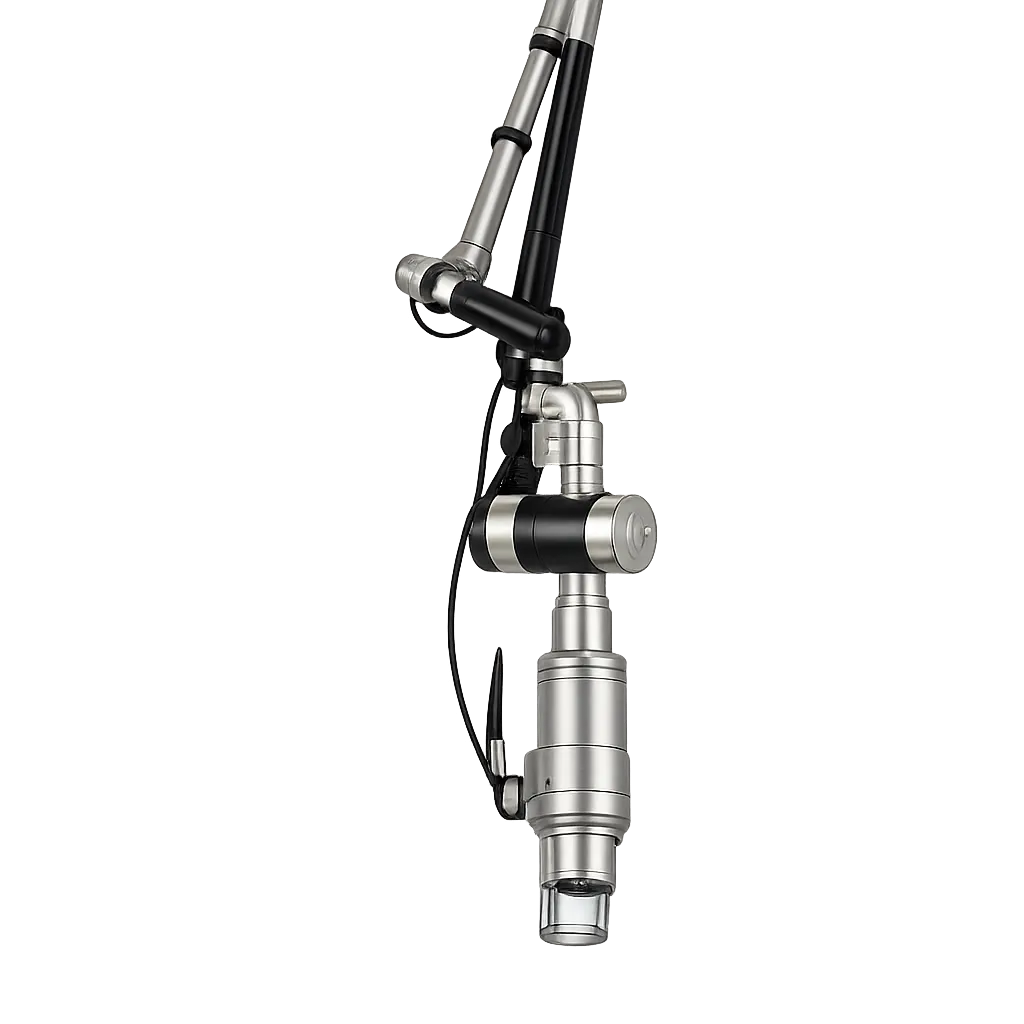
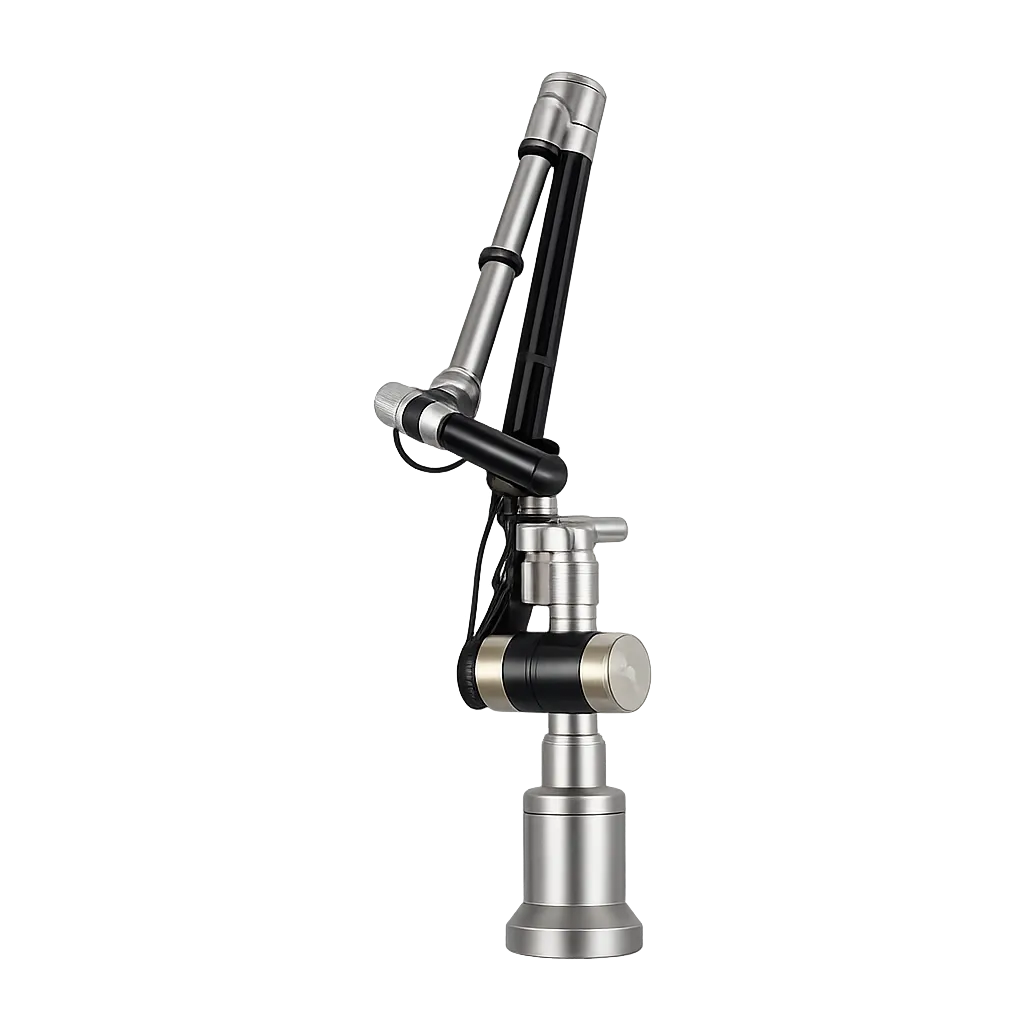
The ADSS SuperPico serves UK aesthetic clinics, dermatology practices, tattoo-removal centres, and pigment-specialist clinics offering picosecond Nd:YAG laser treatment. The dual-wavelength (1064 + 532 nm) standard configuration with optional 755/785 nm filter coverage addresses the full case mix of clinical pigment indications across all skin types and all tattoo colours.
In tattoo removal, the SuperPico clears black and dark-blue ink (1064 nm-absorbing), red and orange and yellow ink (532 nm-absorbing), and — with optional filter — green and blue ink (755/785 nm-absorbing). The photoacoustic shattering mechanism produces faster clearance and lower post-inflammatory hyperpigmentation rates than older Q-switched nanosecond platforms, supporting clinical end-points that nanosecond technology often cannot achieve. Treatment courses typically run 4-10 sessions at 6-8 week intervals.
In melasma and chloasma treatment, the SuperPico's sub-nanosecond pulse duration minimises melanocyte stimulation that drives rebound pigmentation in older laser approaches. Conservative low-fluence protocols across 4-6 sessions at 2-4 week intervals support 50-70% improvement as the realistic end-point. Combination with topical depigmenting agents (hydroquinone, retinoids, azelaic acid under appropriate medical oversight) and strict sun avoidance optimise outcomes.
For benign pigmented lesions — freckles, lentigines (age spots), café-au-lait macules, Nevus of Ota — the SuperPico provides high-clearance treatment typically in 1-3 sessions for superficial lesions and 4-6 sessions for deeper dermal pigment. Nevus of Ota responds particularly well to picosecond 1064 nm because the deep dermal melanocytes are the target chromophore, and picosecond pulse duration matches the thermal relaxation time of dermal melanin more precisely than nanosecond alternatives.
For skin toning and rejuvenation, the fractional/honeycomb tip configuration creates laser-induced optical breakdown (LIOB) spots in the dermis at sub-ablative parameters, driving collagen remodelling and dermal renewal with minimal downtime. This is positioned as a maintenance protocol layered onto pigment-clearance courses or offered standalone for general skin-quality improvement.