
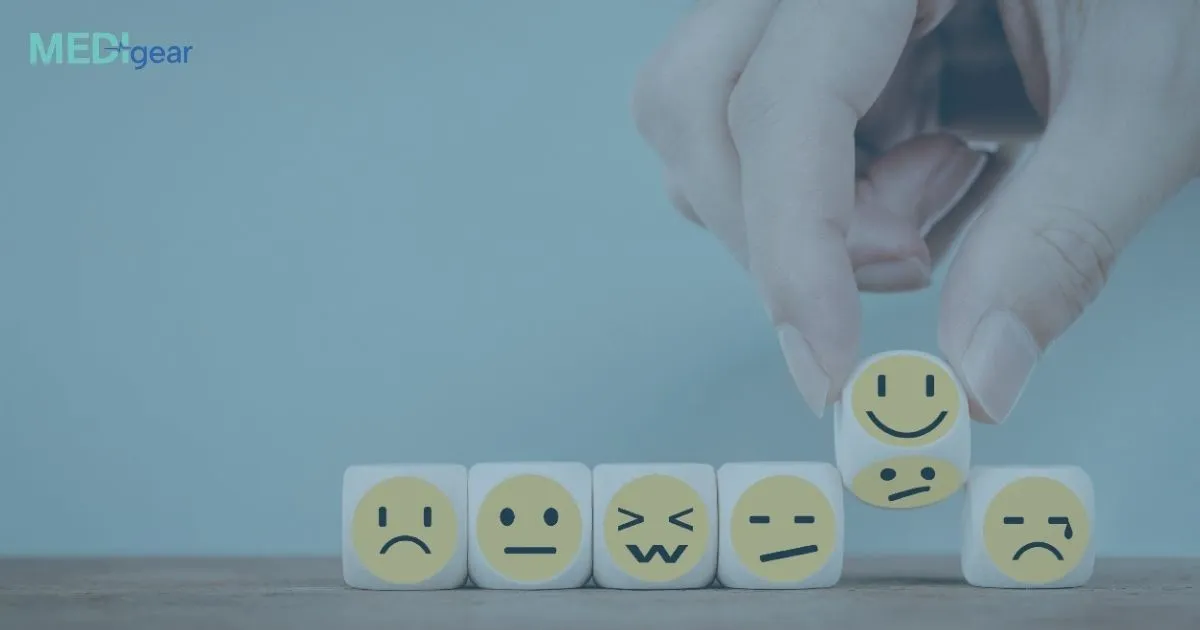
Emotional resilience is the ability to stay strong, calm, and balanced during difficult situations. It helps people handle stress, failure, pressure, and emotional pain without losing control. A resilient person can recover faster from problems and continue moving forward in life. Emotional resilience is important for mental health, relationships, work, and overall well being. Many psychologists and mental health educators working with medigear.uk explain that emotional resilience is not something people are born with only. It can be developed with practice, self awareness, and healthy habits.
What is emotional resilience
Emotional resilience means the ability to adapt to stress, trauma, or challenges in a healthy way. It does not mean avoiding problems. It means facing problems with strength, patience, and positive thinking.
- A resilient person
- Stays calm under pressure
- Recovers after failure
- Handles criticism better
- Controls emotions
- Keeps hope during hard times
Emotional resilience is a key skill for students, professionals, parents, and anyone facing daily stress.
Why emotional resilience is important
Life always includes problems such as exams, job stress, health issues, family conflicts, or financial pressure. Emotional resilience helps people stay mentally strong during these situations.
- Benefits of emotional resilience
- Better mental health
- Less anxiety and depression
- Improved confidence
- Stronger relationships
- Better decision making
- Higher success in life
People with strong emotional resilience can manage both success and failure in a balanced way.
Causes of low emotional resilience
Some people find it difficult to handle stress due to different reasons.
- Childhood trauma
- Lack of emotional support
- Chronic stress
- Mental health disorders
- Negative thinking habits
- Poor sleep
- Lack of confidence
- Social isolation
Low resilience does not mean weakness. It means the person needs support and training to develop coping skills.
Signs of strong emotional resilience
People with good emotional resilience show certain behaviors.
- They stay calm in stressful situations
- They accept mistakes and learn from them
- They do not give up easily
- They control anger and fear
- They stay hopeful
- They ask for help when needed
- They adapt to change
These qualities can be developed with practice.
Signs of poor emotional resilience
Some signs show that emotional strength needs improvement.
- Getting upset very easily
- Feeling hopeless often
- Difficulty handling criticism
- Fear of failure
- Avoiding challenges
- Long lasting stress
- Overthinking problems
Recognizing these signs is the first step toward improvement.
How to build emotional resilience
Emotional resilience can be improved with simple daily habits.
- Practice positive thinking
- Maintain healthy sleep
- Exercise regularly
- Talk to supportive people
- Learn stress management
- Set realistic goals
- Accept that problems are part of life
- Practice meditation or relaxation
Mental health trainers associated with medigear.uk often suggest that emotional resilience grows slowly with consistent effort.
Emotional resilience in children and students
Children also need emotional strength to handle school pressure, exams, and social challenges.
- Parents can help by
- Listening to children
- Encouraging effort not only success
- Teaching problem solving
- Giving emotional support
- Avoiding too much criticism
Strong emotional resilience helps children become confident adults.
Emotional resilience and mental health
People with strong emotional resilience are less likely to develop severe anxiety or depression. They can face difficulties without feeling completely broken. Emotional resilience does not remove problems, but it helps people deal with them in a healthier way. Developing emotional strength is one of the most important life skills.
FAQs About Emotional Resilience
Q.1 What is emotional resilience in simple words
Emotional resilience means the ability to stay calm, strong, and positive during stress, failure, or difficult situations and recover quickly.
Q.2 Why is emotional resilience important for mental health
Emotional resilience helps people manage stress, avoid depression, and stay confident during problems, which improves overall mental health.
Q.3 How can I build emotional resilience naturally
You can build resilience by practicing positive thinking, exercising, sleeping well, talking to supportive people, and learning stress management skills.
Q.4 What are signs of low emotional resilience
Frequent stress, fear of failure, negative thinking, anger, hopelessness, and difficulty handling criticism are common signs.
Q.5 Can emotional resilience be learned
Yes, emotional resilience is a skill that can be developed through practice, therapy, self awareness, and healthy habits.
Q.6 What causes poor emotional resilience
Childhood trauma, lack of support, chronic stress, anxiety, depression, and negative thinking patterns can reduce emotional strength.
Q.7 How does emotional resilience help students
It helps students handle exam pressure, failure, competition, and social stress without losing confidence.
Q.8 Is emotional resilience related to confidence
Yes, confident people usually have better emotional resilience because they believe they can handle challenges.
Q.9 Can meditation improve emotional resilience
Meditation helps control thoughts and emotions, which makes it easier to stay calm and strong during stress.
Q.10 How do parents build emotional resilience in children
Parents can help by giving emotional support, encouraging effort, teaching problem solving, and allowing children to learn from mistakes.
Q.11 What is the difference between mental strength and emotional resilience
Mental strength is the ability to stay focused, while emotional resilience is the ability to recover from emotional stress.
Q.12 Can stress reduce emotional resilience
Long term stress can make people feel weak and tired, which reduces their ability to cope with problems.
Q.13 How long does it take to develop emotional resilience
It takes time and regular practice. Small daily habits can slowly make a person emotionally stronger.
Q.14 Does emotional resilience help in career success
Yes, emotionally strong people handle pressure, criticism, and failure better, which helps in career growth.
Q.15 Which therapy helps improve emotional resilience
Counseling, cognitive behavior therapy, stress management training, and mindfulness therapy can improve emotional resilience.