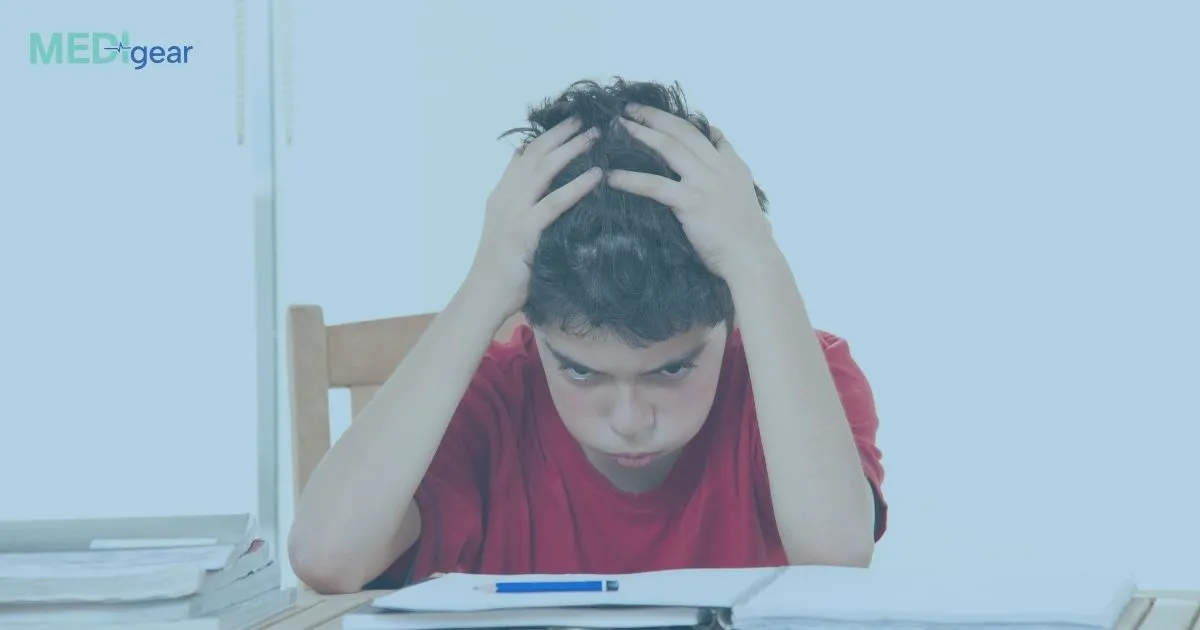
Learning difficulties are conditions that make it harder for a person to understand, remember, read, write, speak, or solve problems. These difficulties are not related to intelligence. Many children and adults with normal or high intelligence may still struggle in school or daily life because their brain processes information differently.
Learning problems can happen due to genetic, medical, psychological, or environmental reasons. Early awareness allows parents, teachers, and healthcare providers to provide the right help at the right time.
What are learning difficulties
Learning difficulties are disorders that affect how the brain receives, processes, stores, and responds to information. They may affect reading, writing, speaking, listening, reasoning, or mathematics.
Common types include
-
Dyslexia which affects reading
-
Dysgraphia which affects writing
-
Dyscalculia which affects math
-
Attention deficit disorder
-
Speech and language disorders
-
Memory and processing problems
These conditions can appear in childhood but may continue into adulthood.
Main causes of learning difficulties
There is no single cause. Learning difficulties usually happen due to a combination of biological and environmental factors.
-
Genetic factors- Learning difficulties often run in families. If parents had reading or learning problems, children may also develop similar issues.
-
Brain development differences- Some children have small differences in brain structure or function that affect learning and memory.
-
Problems during pregnancy- Poor nutrition, infections, alcohol, smoking, or drug exposure during pregnancy can affect brain development.
-
Premature birth or low birth weight- Babies born early or with low weight may have a higher risk of developmental and learning problems.
-
Head injury or neurological illness- Injuries to the brain, seizures, or infections can affect the ability to learn.
-
Hearing or vision problems- If a child cannot hear or see properly, learning becomes difficult.
-
Emotional and psychological stress- Anxiety, trauma, or lack of emotional support can slow learning ability.
-
Poor nutrition- Lack of essential nutrients like iron, iodine, and vitamins can affect brain function.
-
Lack of proper education environment- Limited stimulation, poor teaching, or lack of learning support may lead to learning delays.
Symptoms of learning difficulties
Symptoms vary depending on the type of problem but common signs include
-
Slow reading or writing
-
Difficulty understanding instructions
-
Poor memory
-
Trouble with spelling
-
Difficulty in mathematics
-
Short attention span
-
Problems with organization
-
Avoiding school work
Early signs should not be ignored because early help improves progress.
Who is at risk of learning difficulties
Some children have a higher chance of developing learning problems.
-
Family history of learning disorders
-
Premature birth
-
Low birth weight
-
Brain injury
-
Developmental delay
-
Chronic illness
-
Poor nutrition
-
Lack of early childhood stimulation
These children may need extra monitoring and support.
How learning difficulties are diagnosed
Diagnosis is done by trained professionals using different tests.
-
Psychological assessment
-
Educational testing
-
Speech and language evaluation
-
Hearing and vision tests
-
Medical examination
Early diagnosis helps in planning proper treatment and learning support.
Treatment and support for learning difficulties
Learning difficulties cannot always be cured, but proper support helps children succeed.
-
Special education programs
-
Speech therapy
-
Occupational therapy
-
Behavior therapy
-
Counseling
-
Extra time in exams
-
Individual learning plans
Support from parents, teachers, and healthcare providers is very important.
How to help children with learning difficulties
Parents and teachers can improve learning with simple steps.
-
Give clear instructions
-
Use visual aids
-
Provide extra practice
-
Encourage positive behavior
-
Maintain routine
-
Give emotional support
-
Consult specialists when needed
With the right help, children with learning difficulties can perform well in school and life.
Importance of awareness about learning difficulties
Many children are called lazy or careless when they actually have learning disorders. Awareness helps in early treatment, better education, and improved confidence. Proper guidance can change a child’s future completely.
FAQs
Q.1 What causes learning difficulties in children
Learning difficulties can be caused by genetic factors, brain development differences, poor nutrition, premature birth, emotional stress, or medical conditions affecting the brain.
Q.2 Can learning difficulties be inherited from parents
Yes, learning disorders often run in families. Children whose parents had dyslexia or other learning problems may have a higher risk.
Q.3 What are the most common learning difficulties
The most common types are dyslexia, dysgraphia, dyscalculia, attention deficit disorder, speech problems, and memory processing disorders.
Q.4 At what age do learning difficulties appear
Signs usually appear in early childhood when a child starts school, but some problems may become noticeable later.
Q.5 Can learning difficulties be cured completely
Learning difficulties usually cannot be fully cured, but special education, therapy, and support can greatly improve learning ability.
Q.6 How do doctors diagnose learning difficulties
Doctors use psychological tests, educational assessments, speech evaluation, hearing tests, and medical examination to confirm the problem.
Q.7 Can poor nutrition cause learning problems
Yes, lack of important nutrients like iron, iodine, and vitamins can affect brain development and lead to learning difficulties.
Q.8 Are learning difficulties related to low intelligence
No, many people with learning difficulties have normal or high intelligence. The problem is in processing information, not in intelligence.
Q.9 What are early signs of learning difficulties in school children
Slow reading, poor writing, difficulty understanding instructions, short attention span, and trouble with math are common early signs.
Q.10 Can premature birth cause learning disabilities
Children born early or with low birth weight may have a higher chance of developmental and learning problems.
Q.11 How can parents help a child with learning difficulties at home
Parents should give extra time, use simple instructions, encourage practice, provide emotional support, and work with teachers.
Q.12 Are learning difficulties permanent
They may last for many years, but with therapy and special teaching methods, children can learn successfully.
Q.13 What role does brain development play in learning disorders
Small differences in brain structure and function can affect memory, attention, language, and problem solving skills.
Q.14 Can stress cause learning difficulties in students
Long term stress, trauma, or anxiety can affect concentration and memory, making learning more difficult.
Q.15 Which specialist should be consulted for learning difficulties
A psychologist, pediatrician, neurologist, speech therapist, or special education teacher may help in diagnosis and treatment.