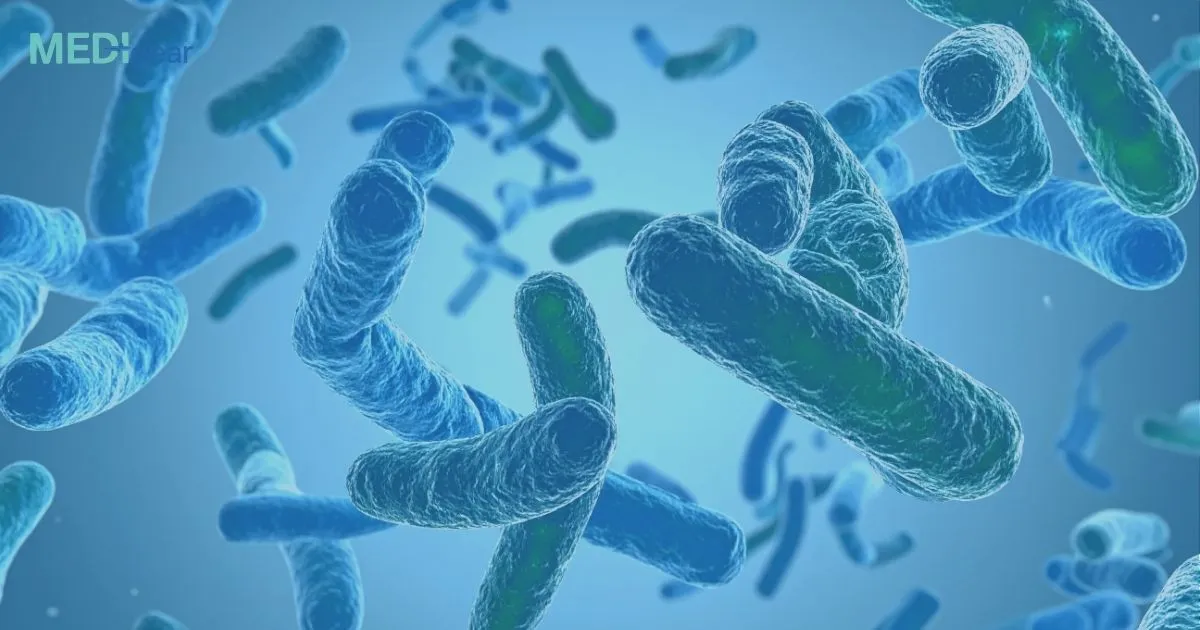
A bacterial toxin is a poisonous substance produced by certain bacteria that can damage cells, tissues, or organs in the human body. These toxins help bacteria survive and spread inside the host by weakening the immune system or destroying body cells. Bacterial toxins are responsible for many serious diseases such as tetanus, cholera, diphtheria, and botulism.
What is a bacterial toxin
A bacterial toxin is a harmful chemical released by bacteria during growth or after cell death. These toxins interfere with normal body functions and may cause fever, tissue damage, paralysis, diarrhea, or even death.
Bacterial toxins are of two main types
- Exotoxins
- Endotoxins
Both types affect the body in different ways.
Types of bacterial toxins
Exotoxins- Exotoxins are proteins released by living bacteria. They are very strong and can cause severe damage even in small amounts. These toxins are usually produced by Gram positive bacteria but some Gram negative bacteria also produce them.
Examples of exotoxin diseases
- Tetanus
- Diphtheria
- Cholera
- Botulism
Endotoxins- Endotoxins are part of the outer wall of Gram negative bacteria. They are released when the bacteria die and break apart. Endotoxins usually cause fever, inflammation, and shock.
Examples of endotoxin effects
- High fever
- Low blood pressure
- Septic shock
- Inflammation
How bacterial toxins affect the body
Bacterial toxins damage the body in different ways depending on the type.
- They may destroy cells
- Block nerve signals
- Cause severe diarrhea
- Damage blood vessels
- Stop protein production
- Trigger strong immune reactions
Because toxins act quickly, symptoms may appear even when the number of bacteria is small.
Examples of important bacterial toxins
- Tetanus toxin affects nerves and causes muscle stiffness
- Botulinum toxin causes paralysis
- Cholera toxin causes severe diarrhea
- Diphtheria toxin damages throat and heart
- Shiga toxin damages intestine and kidneys
These toxins are studied in microbiology and medicine to understand infectious diseases.
Diseases caused by bacterial toxins
Many serious illnesses happen mainly because of toxins, not just the bacteria.
- Tetanus
- Cholera
- Food poisoning
- Diphtheria
- Gas gangrene
- Septic shock
- Whooping cough
- Anthrax
Early treatment is important to prevent complications.
How bacterial toxin infections are diagnosed
Doctors use laboratory tests to detect toxin producing bacteria.
- Blood tests
- Culture tests
- Toxin detection tests
- PCR tests
- Microscopy
Correct diagnosis helps choose the right antibiotic or antitoxin.
Treatment of toxin related infections
Treatment depends on the disease and toxin type.
- Antibiotics to kill bacteria
- Antitoxin to neutralize toxin
- Fluids for dehydration
- Supportive care in hospital
- Vaccination for prevention
Experts associated with medigear.uk often highlight that vaccines against toxin producing bacteria have saved millions of lives.
Prevention of bacterial toxin diseases
Many toxin related diseases can be prevented.
- Vaccination
- Proper hygiene
- Safe food handling
- Clean drinking water
- Early medical treatment
- Avoiding contaminated food
Public awareness is very important to control toxin related infections.
Importance of studying bacterial toxins
Bacterial toxins are important in microbiology, medicine, and vaccine development. By understanding toxins, scientists can create better treatments and prevent deadly infections.
FAQs About Bacterial Toxins
Q.1 What is a bacterial toxin in simple words
A bacterial toxin is a harmful substance made by bacteria that can damage body cells and cause disease.
Q.2 What are the two types of bacterial toxins
The two main types are exotoxins, which are released by living bacteria, and endotoxins, which are released when bacteria die.
Q.3 What is the difference between exotoxin and endotoxin
Exotoxins are strong protein toxins released outside the bacteria, while endotoxins are part of the bacterial cell wall and released after cell death.
Q.4 Which diseases are caused by bacterial toxins
Diseases include tetanus, cholera, diphtheria, botulism, food poisoning, septic shock, and whooping cough.
Q.5 How do bacterial toxins damage the body
They may destroy cells, block nerves, cause inflammation, stop protein production, or trigger severe immune reactions.
Q.6 Are bacterial toxins more harmful than bacteria
Sometimes toxins cause more damage than the bacteria themselves because toxins act quickly even in small amounts.
Q.7 What is an example of exotoxin
Tetanus toxin, cholera toxin, and diphtheria toxin are common examples of exotoxins.
Q.8 What is an example of endotoxin
Endotoxin is found in Gram negative bacteria such as E coli and Salmonella and can cause fever and shock.
Q.9 How are toxin producing bacteria detected
Doctors use culture tests, blood tests, toxin assays, and molecular tests to identify toxin producing bacteria.
Q.10 Can vaccines prevent toxin related diseases
Yes, vaccines for tetanus, diphtheria, and whooping cough protect against toxin producing bacteria.
Q.11 What is botulinum toxin
Botulinum toxin is a powerful exotoxin produced by Clostridium botulinum that causes paralysis.
Q.12 Why are bacterial toxins important in microbiology
They help scientists understand disease mechanisms and develop vaccines, antibiotics, and antitoxins.
Q.13 Can food poisoning be caused by bacterial toxins
Yes, some bacteria produce toxins in food, which cause vomiting, diarrhea, and stomach pain after eating.
Q.14 What is septic shock caused by endotoxin
Endotoxin from Gram negative bacteria can trigger severe immune response leading to low blood pressure and organ failure.
Q.15 How can bacterial toxin infections be prevented
Vaccination, hygiene, safe food, clean water, and early treatment help prevent toxin related diseases.