Alarm management is the deliberate design and governance of clinical alarms so that the alerts staff hear are the ones that matter. On a busy ward, a monitor can sound hundreds of times a shift, and when the great majority are false or clinically insignificant, staff become desensitised. This is alarm fatigue, and it is a recognised patient-safety hazard because a genuine alert can be lost in the noise. Cutting false alerts is therefore not a comfort measure; it is a safety intervention.
For a procurement team, alarm behaviour is a feature to be specified and tested, not an afterthought. The equipment you buy sets the ceiling on how well a unit can manage alarms, so it pays to understand what separates a system that supports good alarm practice from one that fights it.
Why False Alarms Happen
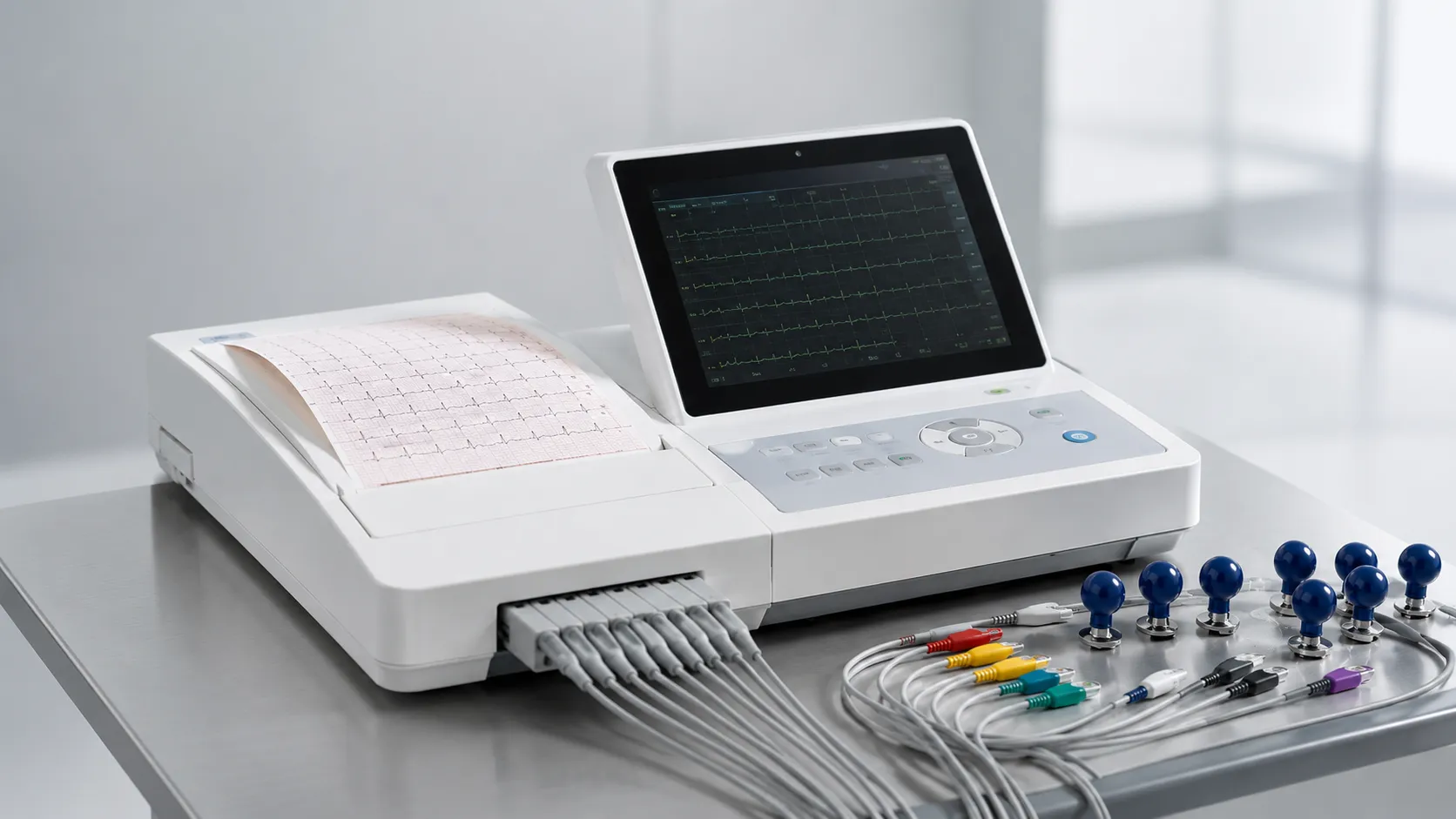
Most nuisance alarms are technical rather than clinical. A dried-out ECG electrode, a patient moving, a slipped oxygen probe or a poorly fitted cuff all generate artefact that a monitor may read as an event. Default alarm limits set too tightly, or not tailored to the individual patient, cause constant boundary breaches. Short, transient excursions that self-correct within seconds trigger alerts that need no action. Duplicate alerts from overlapping parameters can compound the problem, and equipment left on a previous patient's tight limits will alarm continually for the next. Published audits of critical-care and cardiac units have repeatedly found that only a small minority of monitor alarms lead to any clinical action, with the great majority being technical or otherwise non-actionable, which is the evidence base behind alarm fatigue. Understanding these causes points directly to the levers that reduce them.
The Techniques That Cut False Alerts
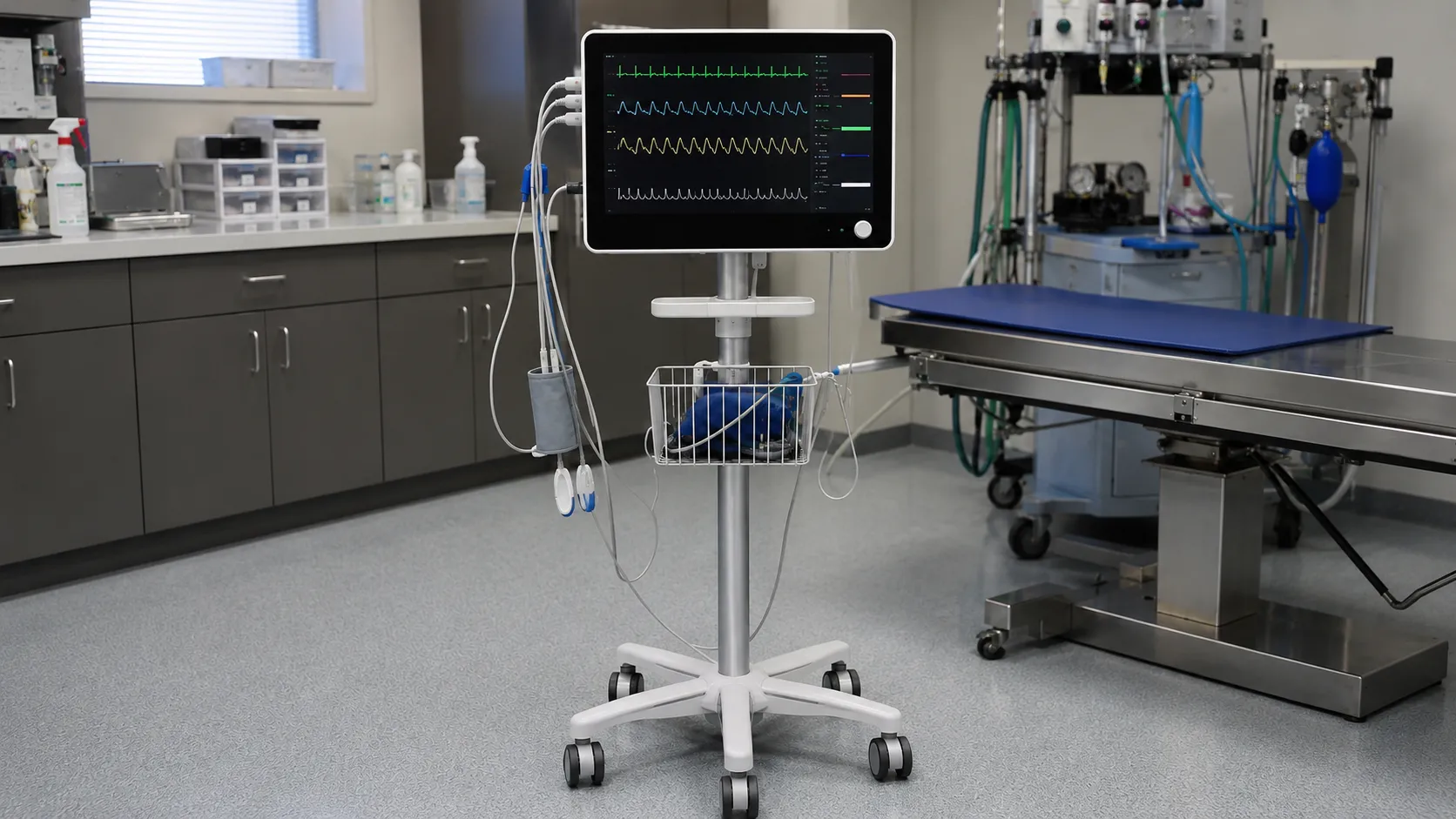
Several established techniques work together. Appropriate, patient-specific alarm limits stop alerts firing for values that are normal for that person. Alarm delays, requiring a condition to persist for a set number of seconds before annunciating, filter out brief transients while still catching sustained events. Signal-quality and artefact rejection logic suppresses alarms the monitor can tell are caused by poor contact rather than physiology. Smart or multi-parameter algorithms combine several signals so a single noisy channel does not raise a false alert on its own. Tiered prioritisation separates high-priority alarms that need immediate action from low-priority advisories, so the urgent ones stand out. Many monitors also let staff apply an area-specific alarm template on admission, so a new patient inherits sensible limits rather than the previous occupant's, and offer a short alarm pause or pre-silence before a known intervention such as suctioning or repositioning, avoiding a predictable burst of alerts.
Alarm Priorities and Signals
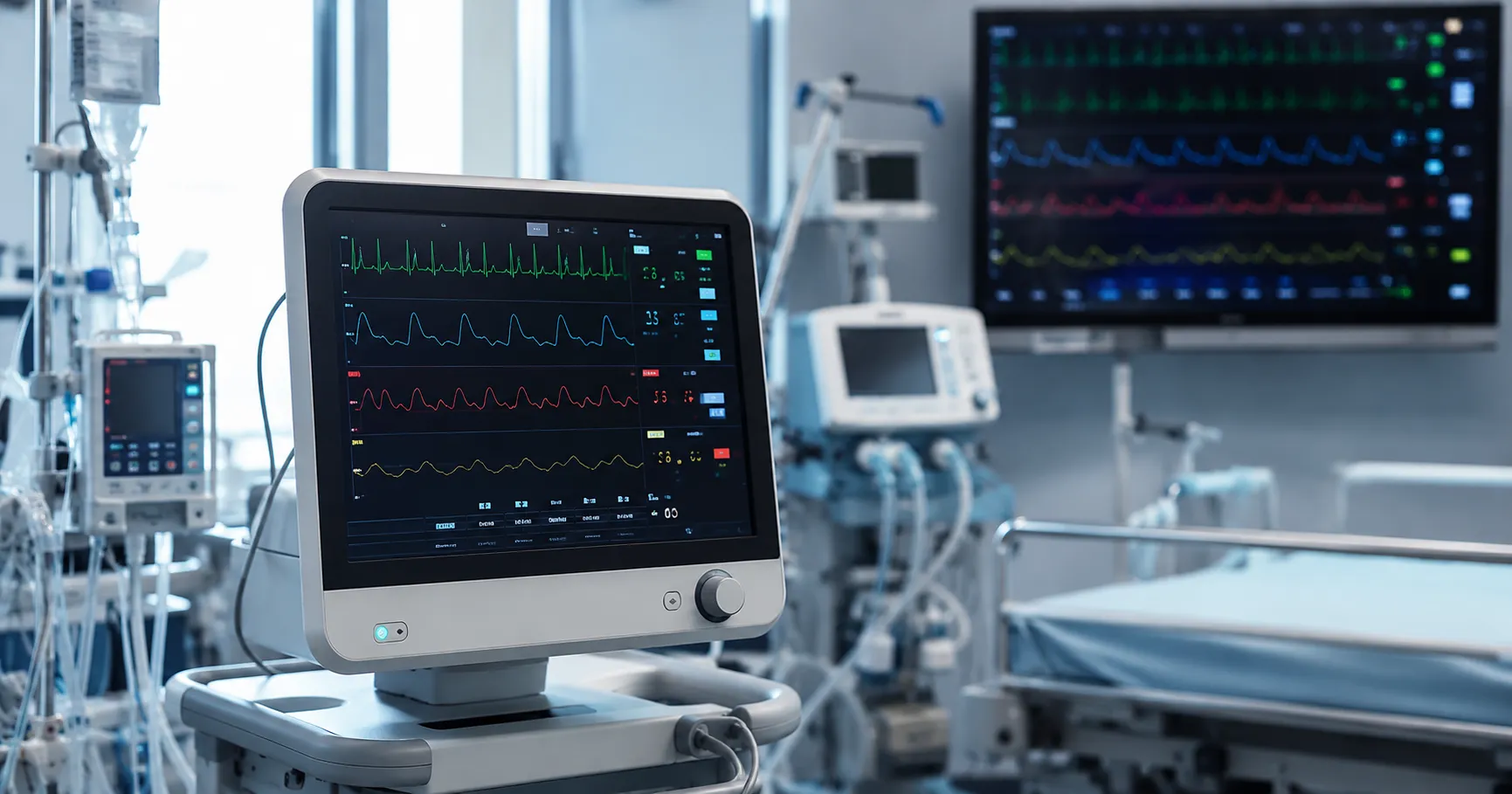
Not all alarms are equal, and a well-designed system makes the difference obvious. High-priority alarms indicate a condition needing immediate response and use the most urgent audible and visual signals; medium and low priorities convey less urgent conditions with correspondingly less insistent signals. This tiering is what lets a clinician judge, without looking, whether an alert demands they drop everything or can wait. Technical alerts, such as a disconnected lead or a low battery, should be distinguishable from physiological alarms so staff know whether the patient or the equipment needs attention. When alarm signals are consistent and meaningful, staff respond faster and trust the system more.
Alarm Governance and Escalation
Technology alone does not fix alarms; governance does. Leading practice sets default limits by clinical area, reviews them regularly, and audits alarm data to find the parameters and beds generating the most nuisance. Clear policy defines who may change limits, how changes are recorded, and how settings return to safe defaults for the next patient. Escalation matters too: if a bedside alarm is not answered, it should route onward to a central station and then to a mobile alerting device so no genuine alert is orphaned. Modern monitors retain a time-stamped alarm history recording the parameter, the value, the priority and whether each alarm was acknowledged or silenced, and this log feeds the audit reports that reveal the worst-offending beds and parameters. When buying, ask whether the system produces the alarm logs and reports that make this audit and improvement possible, because you cannot improve what you cannot measure.
Measuring and Reducing the Alarm Burden
A structured improvement programme starts by measuring the current alarm load: how many alarms sound per bed per day, what proportion are actionable, and which parameters and beds dominate. That baseline shows where to intervene, whether by adjusting default limits, improving electrode and probe practice to cut artefacts, or enabling delays on parameters prone to brief excursions. Because reducing alarms carries its own risk if done carelessly, changes should be made through clinical governance with clear ownership, then remeasured to confirm they cut noise without hiding genuine events. Equipment that exports clean alarm data makes this cycle possible; equipment that does not leaves you working blind.
Standards and Regulation
The design of alarm systems is governed by IEC 60601-1-8, the collateral standard for alarm systems in medical electrical equipment, which defines alarm categories, priorities and the audible and visual signals used to convey them. Distributed alarm arrangements, where alerts travel to remote displays and personal devices, carry additional safety expectations that the supplier should evidence. Devices should carry UKCA or recognised CE marking, and you should confirm current status with the manufacturer and the MHRA. Employers also have general duties around safe systems of work that the HSE sets out.
Procurement checklist
-
Confirm the monitor supports patient-specific limits and configurable default profiles by area.
-
Check for adjustable alarm delays and signal-quality artefact rejection.
-
Verify tiered alarm priorities that clearly distinguish urgent from advisory.
-
Confirm escalation from bedside to central station to a mobile alerting device.
-
Ensure the system logs and reports alarm data for audit and improvement.
-
Verify IEC 60601-1-8 conformity and UKCA or CE status.
-
Check how limit changes are controlled, recorded and restored to safe defaults.
Distributed Alarms and Mobile Notification
Many units now route alarms to phones or pagers so the right nurse is notified wherever they are. This helps quiet the ward and speeds response, but it adds risk if a notification is delayed or missed, so the design must be safe by default. Ask how the system confirms delivery, what happens if a device is out of range or switched off, and how alarms fall back to the bedside and central station. A distributed alarm system should reduce noise without ever reducing the certainty that a genuine alert is answered.
Human Factors and Training
Even well-designed equipment fails if staff cannot set limits quickly or interpret alarm priorities at a glance. Clear controls, unambiguous colour and tone coding, and simple ways to tailor limits at the bedside all raise real-world performance. Consider how easy it is to silence an alarm safely for a defined period during a known intervention, without disabling monitoring altogether, since awkward controls push staff towards unsafe workarounds such as permanently muting a channel. Budget for training and for a named clinical owner of alarm policy, because sustained improvement comes from people and process as much as from hardware. To specify alarm-capable monitors and central systems, MediGear supports buyers through our buyers service and the contact desk.
Conclusion
Alarm management protects patients by making sure the alerts staff hear are the ones that count. Cutting false alarms rests on patient-specific limits, sensible delays, artefact rejection, clear priorities and reliable escalation, all wrapped in governance that audits and improves over time. Choose equipment that supports these techniques and the standards behind them, then back it with policy and training. MediGear can help you compare alarm-capable monitoring systems and buy them well.
Disclaimer
This article is for informational purposes only. It is published by MediGear (medigear.uk) for general information and procurement guidance, and is not clinical, diagnostic, treatment, technical, engineering, legal or regulatory advice, nor a product endorsement, guarantee or substitute for professional assessment. MediGear does not provide medical consultations. Buyers should consult their clinical, biomedical, estates and regulatory contacts, and the manufacturer's documentation, and independently verify all specifications, certifications, compatibility and suitability before purchase. Specifications, certifications and availability are correct at the time of publication and may change without notice. MediGear is a medical-equipment distributor and does not sell medicines or pharmaceutical products.