Ventilator provision is one of the harder equipment decisions a hospital makes. The device has to suit the sickest patients on the unit, work with the existing gas and power supplies, and remain serviceable for years. Departments that buy a single configuration often discover the gaps during a surge, when transport, non-invasive and paediatric needs all appear at once.
Below are ten ventilator categories found across intensive care, what each is designed for, and the specification points that decide whether a model fits your department.
Start with the department, not the device
Before comparing models, map three things: the patient mix, the gas infrastructure and the staffing model. A unit ventilating adults with acute respiratory failure needs different modes and monitoring from one that mostly weans post-surgical patients. A department without piped air needs a turbine-driven machine rather than one requiring compressed air; a rotating workforce benefits from one interface across the fleet far more than from a mixed estate of marginally better individual units.
The ten ventilator categories
1. Full-featured critical care ventilators
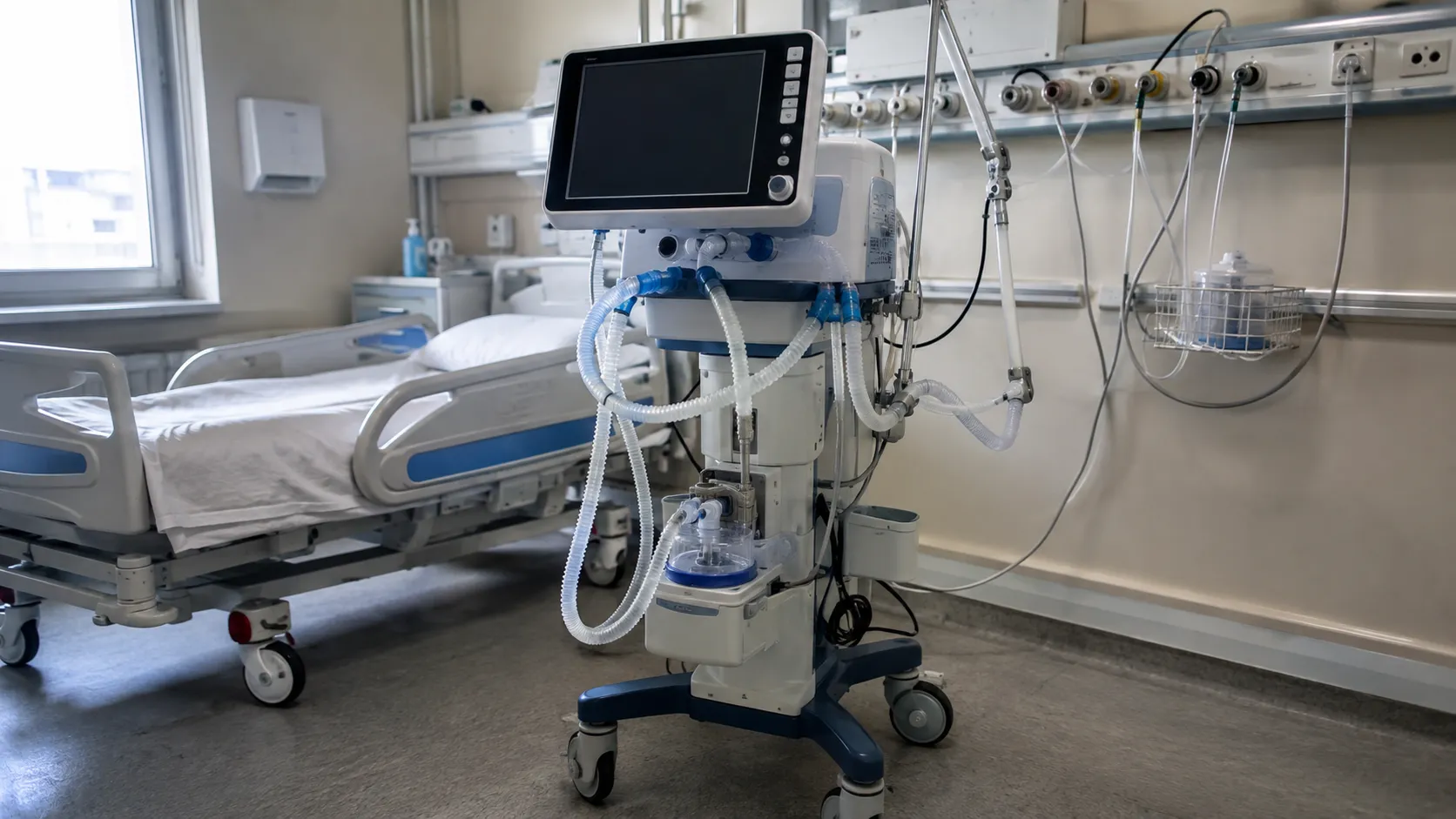
The core intensive care machine, offering ppressueoffers pressures, dual-control graphics and full alarm monitoring. These support the most dependent patients and are usually the standard purchase for the main bays.
2. Turbine-driven ventilators
These generate their own airflow rather than relying on piped medical air. That independence suits departments with limited infrastructure, overflow areas and units that need to ventilate in corridors or side rooms during pressure. Filter servicing is a genuine ongoing task.
3. Compressor-dependent ventilators
Machines that draw from piped or cylinder medical air. They are well suited to established units with reliable infrastructure. Confirm outlet pressure requirements and flow capacity against your building services before ordering.
4. Transport ventilators
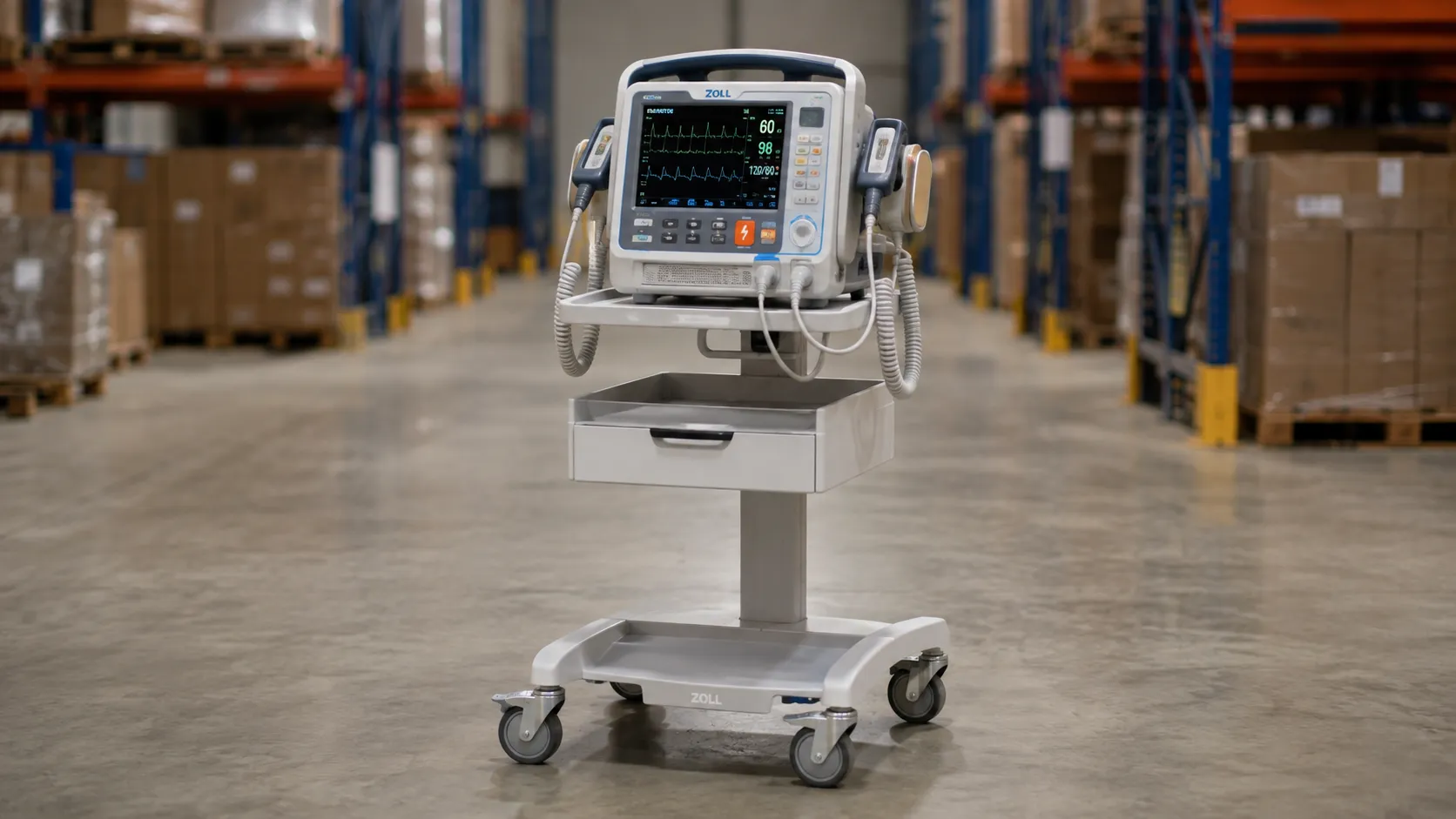
Compact, battery-powered units for movement to imaging, theatre or between sites. Battery runtime, oxygen consumption and mounting compatibility with your trolleys are the decisive specifications, not the number of modes.
5. Non-invasive ventilation units
Dedicated devices delivering pressure support through a mask or helmet, with leak compensation designed for that use. They reduce demand on invasive machines and are heavily used in respiratory step-down areas.
6. High-flow nasal oxygen systems
Not ventilators in the strict sense, but part of the same escalation pathway. They deliver heated, humidified oxygen at high flow rates. Water and circuit consumption is significant, so plan the consumable supply properly.
7. Neonatal and paediatric ventilators
Built for very small tidal volumes and fine flow control, often with dedicated neonatal modes. Adult machines with a paediatric setting are not always an equivalent substitute, so check the volume delivery range against your smallest patients.
8. High-frequency oscillatory ventilators
Specialist devices used in defined clinical situations, mainly in neonatal and selected adult cases. They are a considered addition to an estate rather than a general purchase, and they require focused training to use safely.
9. Anaesthesia ventilators
Integrated into anaesthesia machines for theatre use. They share circuits and monitoring with the wider platform, so their capability is best assessed as part of the whole anaesthesia system rather than in isolation.
10. Home and long-term ventilators
Compact units supporting patients with chronic respiratory failure, used for discharge planning and long-term care. Simplicity, alarm clarity and carer training matter more than advanced mode range.
Specification points that decide the purchase
-
Gas supply. Confirm whether the machine needs piped air, and if so, the circuit type and rate. Pressure dual-limb changes your consumable stock and your leak management.
-
Humidification. Establish whether active humidification is integrated or a separate device with its own servicing needs.
-
Battery performance. Ask for runtime under realistic settings, and confirm battery replacement intervals.
-
Consumable format. Filters, expiratory valves, flow sensors and water chambers all carry a supply commitment.
-
Interface consistency. A shared interface across the fleet reduces errors; the staff of errors rotate between bays.
Installation, training and maintenance
Ventilator commissioning is more involved than plugging in and switching on. Expect gas supply verification, electrical safety testing, a functional check against the manufacturer's specifications, and documented calibration of flow and oxygen sensors. Agree who performs each step and what documentation you receive.
Training should cover both routine ventilation and the failure modes staff will meet at three in the morning: circuit disconnection, sensor faults, battery transfer and manual ventilation fallback. Ask the supplier for structured sessions rather than an informal handover.
For ongoing servicing, agree planned maintenance intervals, oxygen sensor replacement cycles, response times for breakdown cover and the availability of loan units. Confirm the expected support life and spare parts availability in writing. Keeping the estate registered against published medical device safety alerts ensures field safety notices reach your team promptly.
Final thoughts
A workable intensive care ventilator estate usually means one standard critical care platform across the main bays, transport units that share circuits and interface where possible, dedicated non-invasive capability, and specialist machines only where the clinical case is clearly made. Settle gas supply, consumables and service support before delivery, and the fleet stays dependable through the years that follow.
This article offers general procurement guidance for healthcare organisations. It is not clinical advice and does not replace manufacturer instructions, local policy or professional judgement.