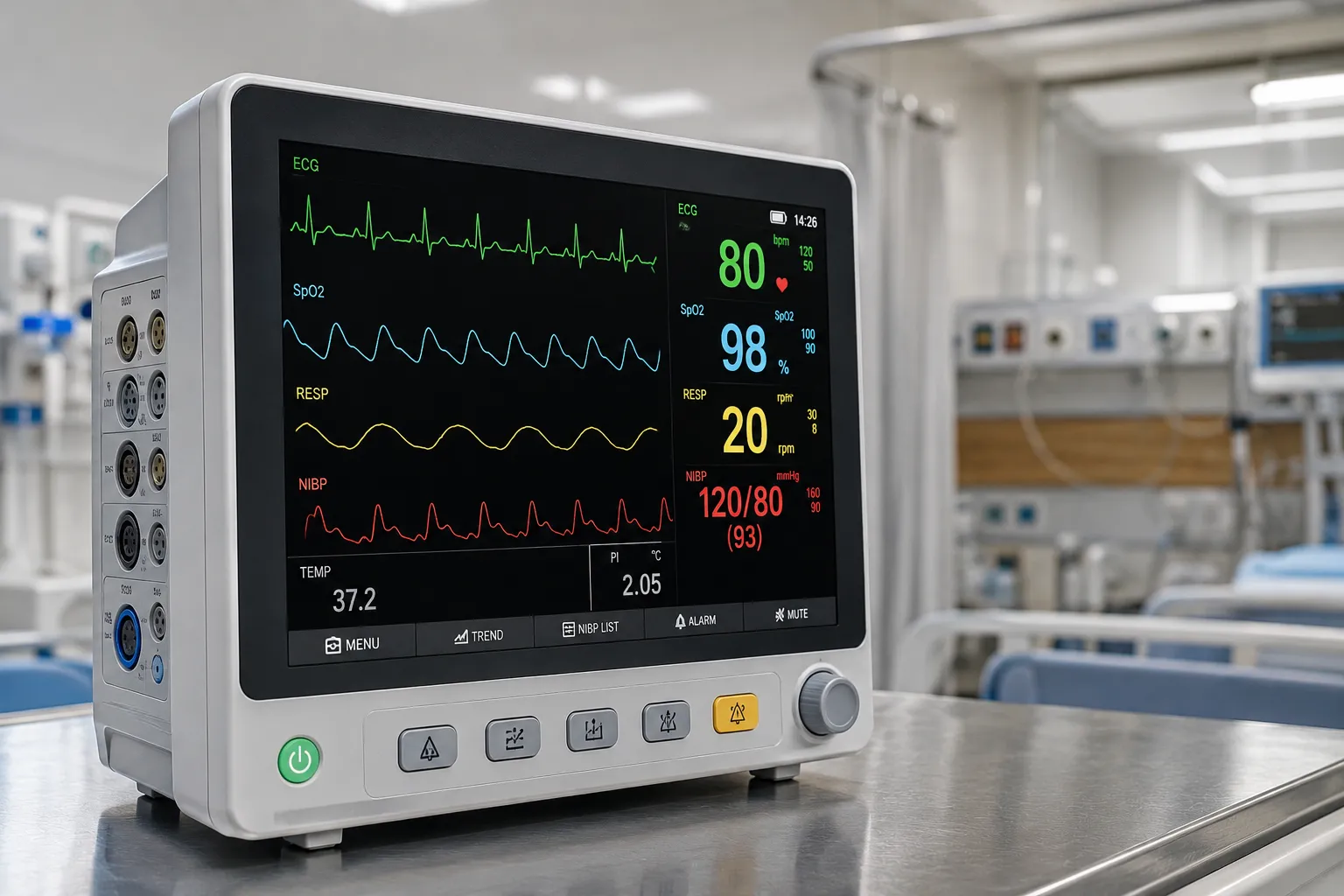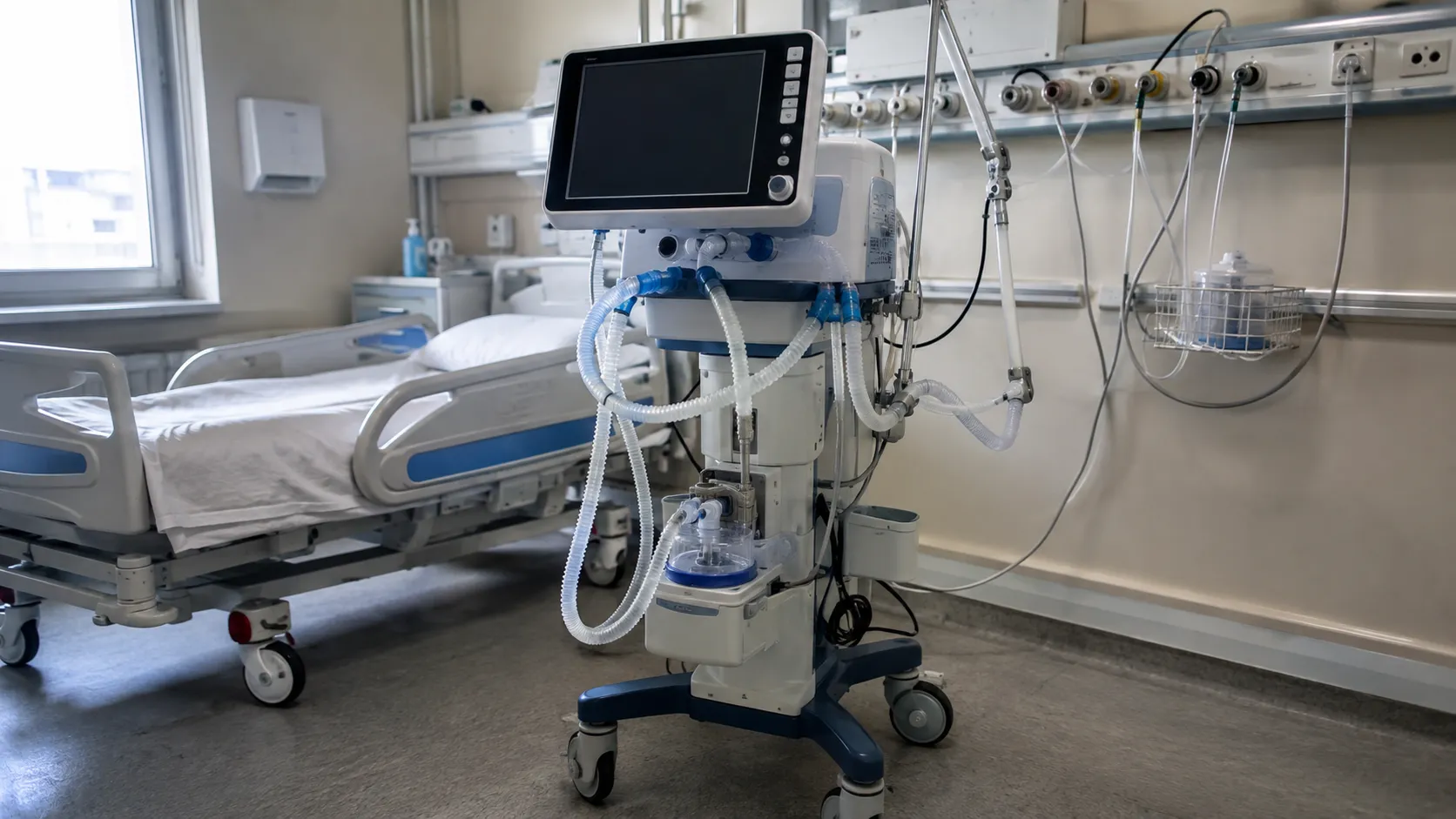
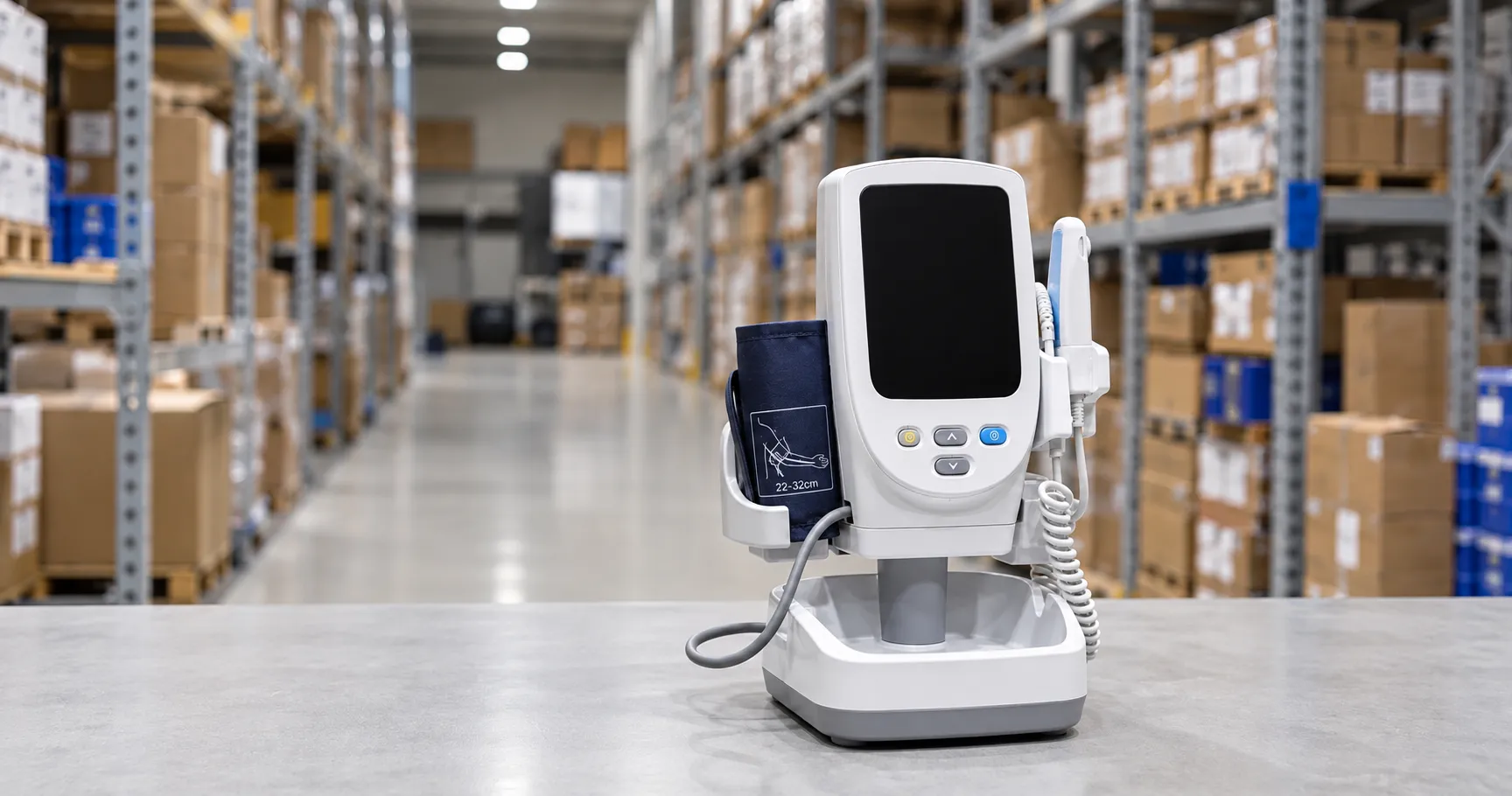
Modern monitoring can measure a remarkable number of things about a patient, and the monitoring parameters below explain what each measurement actually means. From a heart rate to a lactate level, understanding these monitoring parameters is what turns numbers on a screen into meaningful information about a patient. Many buyers compare patient monitoring equipment for buyers on Medigear.uk when planning.
Because monitoring reaches across every system of the body, these monitoring parameters are best understood by the system they describe, from the cardiovascular to the metabolic. Grouping the parameters this way helps a clinic make sense of the many figures a monitor can display.
The one hundred monitoring parameters below are grouped into ten systems of ten, from cardiovascular to general observation. Grouping them this way follows how monitoring is actually organised at the bedside.
The ten systems of monitoring
The parameters fall into ten systems: cardiovascular, respiratory, neurological, temperature, fluid and renal, metabolic, blood and haematology, haemodynamic, fetal and obstetric, and general observation.
Cardiovascular
These parameters describe the heart and circulation. Together these describe how well the heart is pumping and the blood is flowing. Manufacturers can also supply your patient monitoring equipment on Medigear.uk as a partner.
-
Heart rate — beats of the heart each minute
-
Blood pressure — pressure of blood in the arteries
-
Mean arterial pressure — the average arterial pressure
-
Central venous pressure — pressure in the large veins
-
Cardiac output — blood pumped each minute
-
Stroke volume — blood pumped with each beat
-
ECG rhythm — the electrical pattern of the heart
-
Pulse pressure — the gap between high and low pressure
-
Systemic vascular resistance — resistance the heart pumps against
-
Heart rate variability — natural variation between beats
Respiratory
These parameters describe breathing and oxygen. These parameters show how well a patient is breathing and oxygenating.
-
Respiratory rate — breaths taken each minute
-
Oxygen saturation — oxygen carried by the blood
-
End-tidal carbon dioxide — carbon dioxide in exhaled breath
-
Tidal volume — air moved in one breath
-
Minute ventilation — air moved each minute
-
Peak airway pressure — the highest breathing pressure
-
Inspired oxygen — oxygen in the delivered air
-
Respiratory effort — how hard breathing is
-
Apnoea detection — spotting pauses in breathing
-
Lung compliance — how easily the lungs expand
Neurological
These parameters describe the brain and nerves. These measures describe the state of the brain and nervous system.
-
Consciousness level — the patient's degree of alertness
-
Pupil response — how pupils react to light
-
Intracranial pressure — pressure inside the skull
-
Cerebral perfusion pressure — blood pressure reaching the brain
-
Sedation depth — how deeply sedated a patient is
-
Seizure activity — abnormal electrical bursts
-
Motor response — movement in response to stimulus
-
Glasgow score — a scale of consciousness
-
Cerebral oximetry — oxygen reaching the brain
-
Nerve response — how nerves react to testing
Temperature
These parameters describe body heat. Temperature is a simple but revealing sign of a patient's condition.
-
Core temperature — the deep body temperature
-
Skin temperature — the surface temperature
-
Peripheral temperature — temperature at the limbs
-
Temperature trend — the direction of change
-
Fever detection — spotting a raised temperature
-
Hypothermia alert — warning of a low temperature
-
Warming response — how a patient responds to warming
-
Temperature gradient — the gap between core and skin
-
Rectal temperature — a reliable core reading
-
Tympanic temperature — a quick ear reading
Fluid and renal
These parameters describe fluids and the kidneys. These parameters track how well fluids and the kidneys are balanced.
-
Urine output — urine produced over time
-
Fluid balance — fluids in against fluids out
-
Hourly urine output — urine measured each hour
-
Fluid input — fluids given to the patient
-
Catheter output — urine drained by catheter
-
Drain output — fluid from a wound drain
-
Dialysis parameters — settings during dialysis
-
Renal perfusion pressure — pressure reaching the kidneys
-
Bladder pressure — pressure within the bladder
-
Insensible loss — fluid lost unseen
Metabolic
These parameters describe the body's chemistry. These measures reveal the chemistry going on inside the body.
-
Blood glucose — the circulating blood sugar reading
-
Blood pH — how acidic the blood is
-
Lactate — a marker of stressed tissue
-
Base excess — a measure of acid-base balance
-
Bicarbonate — a buffer in the blood
-
Ketones — products of fat breakdown
-
Electrolyte levels — salts such as sodium and potassium
-
Anion gap — a calculated acid-base clue
-
Metabolic trend — the direction of chemistry changes
-
Glucose variability — how much glucose swings
Blood and haematology
These parameters describe blood itself. These parameters describe the blood itself and its ability to carry oxygen.
-
Haemoglobin — the oxygen-carrying pigment
-
Haematocrit — the proportion of red cells
-
Platelet count — the clotting cells present
-
Clotting time — how long blood takes to clot
-
Oxygen delivery — oxygen carried to tissues
-
Blood loss — blood lost during care
-
Transfusion trigger — the point prompting transfusion
-
Coagulation status — how well blood is clotting
-
White cell count — cells fighting infection
-
Blood viscosity — how thick the blood is
Haemodynamic
These parameters describe the flow of blood in detail. These detailed measures describe the flow of blood beat by beat.
-
Pulse waveform — the shape of the pulse signal
-
Perfusion index — strength of the pulse signal
-
Capillary refill time — how fast colour returns
-
Peripheral perfusion — blood reaching the limbs
-
Preload — the filling of the heart
-
Afterload — the load the heart pumps against
-
Contractility — the force of the heartbeat
-
Fluid responsiveness — whether fluids will help
-
Pulse pressure variation — variation with breathing
-
Tissue oxygenation — oxygen reaching the tissues
Fetal and obstetric
These parameters describe pregnancy and birth. These parameters watch over both mother and baby during pregnancy and birth.
-
Fetal heart rate — the baby's heartbeat
-
Uterine activity — contractions of the womb
-
Contraction frequency — how often contractions come
-
Fetal movement — the baby's movements
-
Baseline variability — natural change in fetal heart rate
-
Deceleration pattern — dips in the fetal heart rate
-
Maternal pulse — the mother's heart rate
-
Maternal pressure — the mother's blood pressure
-
Amniotic status — the state of the waters
-
Fetal oxygenation — oxygen reaching the baby
General observation
These parameters describe overall wellbeing. These broader measures capture a patient's overall wellbeing and risk.
-
Early warning score — a combined risk score
-
Pain assessment — a rating of pain
-
Level of consciousness — how alert a patient is overall
-
Mobility level — how well a patient moves
-
Nutrition status — how well nourished a patient is
-
Skin integrity — the condition of the skin
-
Falls risk — the risk of falling
-
Sedation level — the depth of sedation
-
Nausea score — a rating of nausea
-
Comfort level — the patient's overall comfort
Numbers need meaning
A monitor can fill a screen with figures, but numbers only help when their meaning is understood, and a clinic that grasps its monitoring parameters reads a patient rather than a display. Knowing what each parameter measures, and what a change in it suggests, is what makes monitoring useful. Meaning, not measurement, is the goal.
Trends matter more than snapshots.
A single monitoring parameter at one moment tells less than the same parameter over time, because the direction of change often matters more than the value itself. A falling saturation or a rising heart rate signals a story a single reading cannot. Watching trends is at the heart of good monitoring.
The right parameters for the setting
A clinic does not need every parameter an intensive care unit uses, and part of monitoring well is choosing the measurements that matter for the patients seen. Monitoring the right things, rather than everything, keeps attention where it counts. Fitting the parameters to the setting is sensible monitoring.
Parameters work together
No monitoring parameter stands alone, and clinicians read them in combination, so a heart rate is understood alongside a blood pressure and an oxygen level. The picture emerges from the pattern, not from any single figure. Reading parameters together is how monitoring reveals a patient's state.
When a parameter misleads
Monitoring parameters can mislead through a poor signal, an artefact o, or a probe out of place, so a wise clinician checks the patient as well as the number. A reading that does not fit the patient is a prompt to look again, not to act blindly. Healthy scepticism keeps monitoring safe.
Monitoring well in a clinic
A clinic decides which monitoring parameters it needs around the patients it sees and the decisions it must make, so it monitors purposefully rather than gathering numbers for their own sake. Because monitoring guides action, a clinic also agrees what a concerning value means and what should happen next.
Reliable equipment and good technique underpin every parameter, since a poorly applied probe gives a poor reading whatever the device. Training staff to obtain and interpret parameters well is as important as the monitor itself.
Points to keep in mind
-
Meaning. Understand what each parameter measures.
-
Trends. Watch direction, not just value.
-
Right set. Monitor what matters for the setting.
-
Together. Read parameters in combination.
-
Scepticism. Check the patient, not just the number.
Reading the patient behind the numbers
These one hundred monitoring parameters let a clinic read the patient behind the numbers, turning a screen of figures into a clear picture of how someone is doing. Understood by the system, watched as trends and read together, these monitoring parameters make monitoring a source of insight rather than mere data.
From data to decision
A monitor's value lies not in the data it gathers but in the decisions that data informs, and a clinic that understands its parameters turns readings into timely action. Monitoring that does not change what happens is merely watching. Understanding parameters is what makes monitoring purposeful.
Alarms that help, not overwhelm
Monitors alarm to draw attention, but too many alarms can overwhelm rather than help, so understanding which parameters truly warrant an alert is part of monitoring well. Thoughtful alarm settings keep attention where it belongs. Good monitoring is as much about what not to alarm on as what to.
The patient beside the monitor
No parameter replaces looking at the patient, and the wisest use of monitoring pairs the numbers on the screen with what the eyes and hands reveal at the bedside. A monitor informs judgement rather than replacing it. The patient, not the display, is always the real subject.
Monitoring across the journey
Different moments call for different parameters, from close watching after a procedure to routine observation as a patient recovers, and monitoring is adjusted to the stage. Matching the parameters to the moment keeps monitoring both useful and proportionate. Monitoring should follow the patient's changing needs.
Baselines make sense of change.
A single reading means far more when it is compared with a patient's own baseline, so knowing what is normal for a particular person is central to interpreting their monitoring. A heart rate that is high for one patient may be usual for another, and only a baseline tells the difference. Recording and referring to baselines turns raw parameters into meaningful comparisons. Good monitoring reads each patient against themselves, not only against a textbook range, and this personal context often decides what a number really signifies.
Documenting what monitoring shows
The insight monitoring gives is only useful if it is recorded and communicated, so documenting parameters and their trends is part of monitoring well. A clear record lets the next clinician see the story so far and act on it without repeating work. Equipment that records and shares parameters reliably supports this continuity of care. Monitoring that is seen but not recorded is an opportunity half taken, whereas a well-kept record lets a whole team follow a patient's course.
A note on reading the parameters together
No single parameter tells the whole story, and skilled monitoring reads them together, seeing how heart rate, blood pressure, oxygen and the rest move as one picture rather than as separate numbers on a screen. This wider reading is what turns monitoring into understanding. Buyers often source patient monitoring equipment from suppliers on Medigear.uk for their service.
Servicing and safety
Monitoring parameters are only as good as the equipment producing them, so calibration, maintenance and correct technique are essential. Staff should also know how to report a problem with a medical device to the MHRA if a monitor is found faulty.
Monitoring parameters in short
Monitoring only helps when its parameters are understood. Grouping the one hundred parameters by body system, watching trends and reading them together turn a screen of numbers into meaningful information about a patient. Understood this way, monitoring parameters help a clinic recognise and respond to what a patient's readings are showing.
This overview offers general educational and procurement guidance on monitoring parameters and is not clinical advice; local policy and manufacturer instructions always take precedence.