Neonatal equipment is built around the smallest, most fragile patients a hospital treats. A neonatal intensive care unit cares for the smallest and most fragile patients, and its equipment is designed around their particular needs, from keeping a baby warm to supporting breathing that is only just beginning. Equipping a NICU means thinking through the layers of care a newborn may need, since a single cot can involve thermal support, respiratory support and detailed monitoring at once.
The twenty-five items below are grouped by the kind of care they provide. They describe a typical neonatal unit, which each service adapts to the level of care it delivers.
How the list is grouped
The items fall into five groups: thermal care, respiratory support, monitoring, feeding and phototherapy, and family and safety. Each group supports part of caring for a newborn who cannot yet regulate much for themselves.
Thermal care
Keeping a newborn warm is fundamental, and this group provides the controlled thermal environment a baby needs.
-
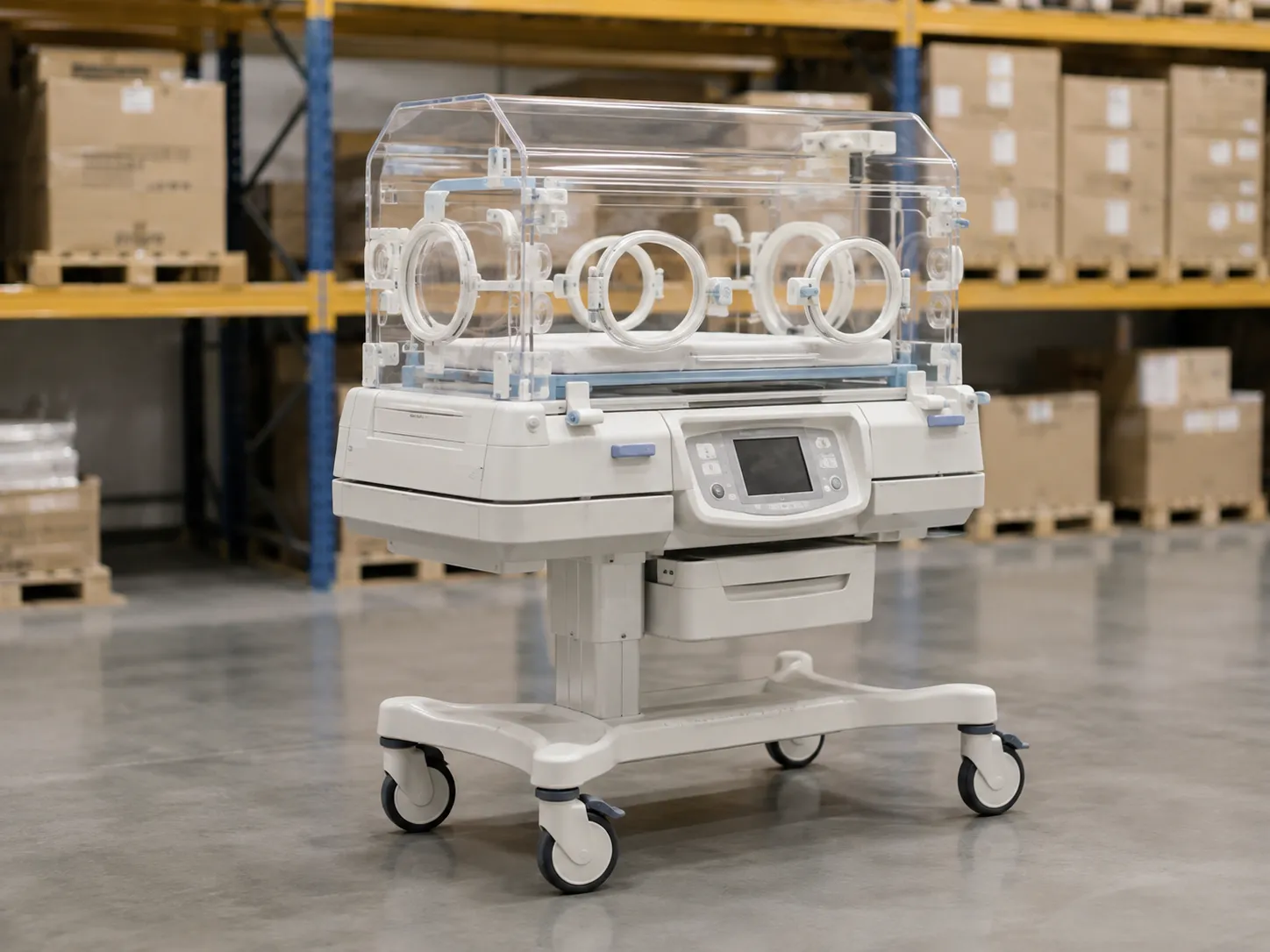
Incubators — a controlled, warm environment for the baby.
-
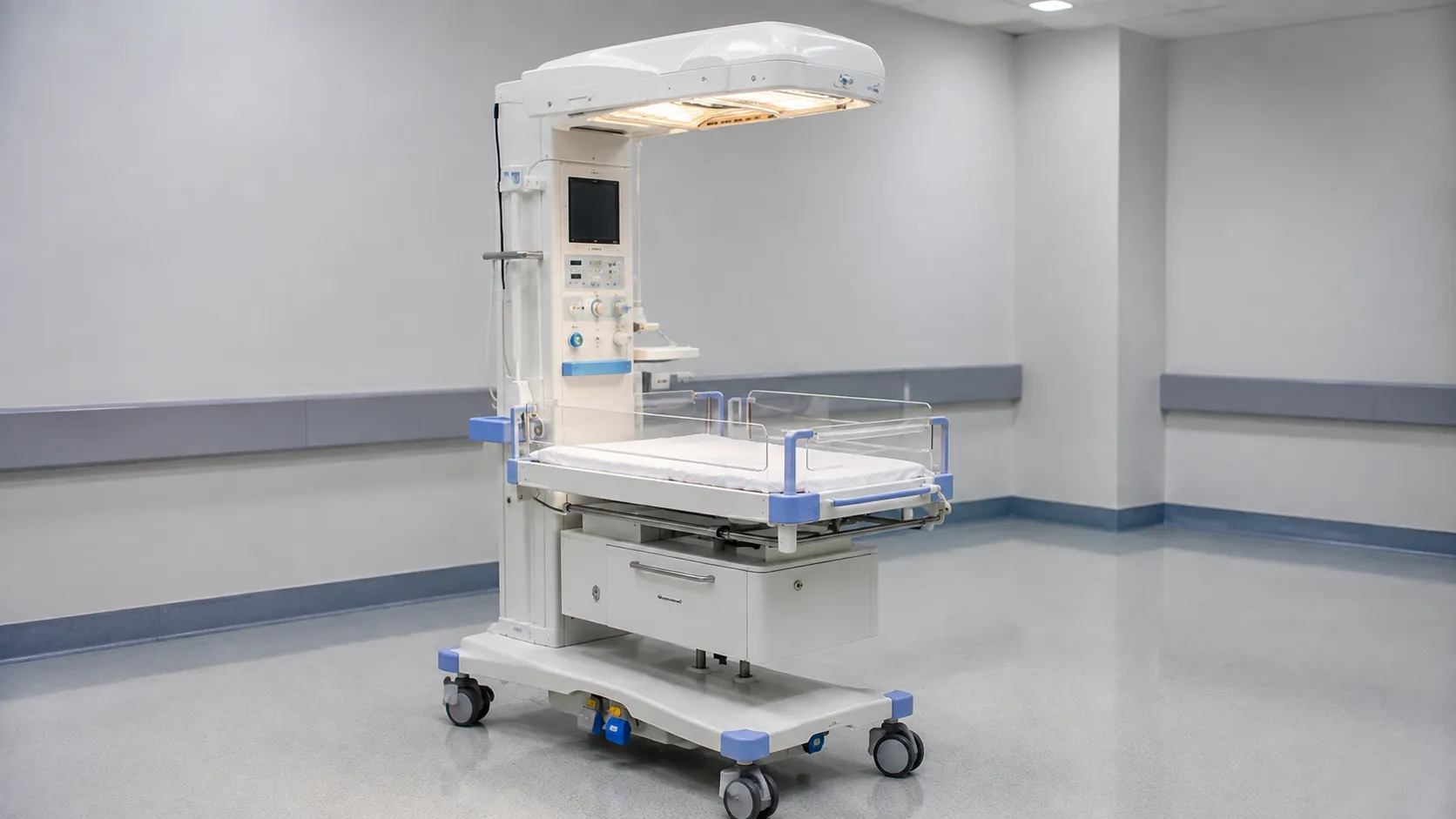
Open care systems — radiant warmers for accessible care.
-
Transport incubators — thermal care while moving a baby.
-
Warming mattresses — supporting thermal care.
-
Humidification — managing humidity for very small babies.
Respiratory support
Many newborns need help breathing, and this group provides support matched to their needs.
-
Neonatal ventilators — respiratory support designed for newborns.
-
CPAP systems — supporting breathing non-invasively.
-
Resuscitaires — supporting newborns at delivery.
-
Blended oxygen delivery — carefully controlled oxygen.
-
Suction units — gentle airway clearance.
Monitoring
Close newborn monitoring relies on equipment sized and set for the smallest patients.
-
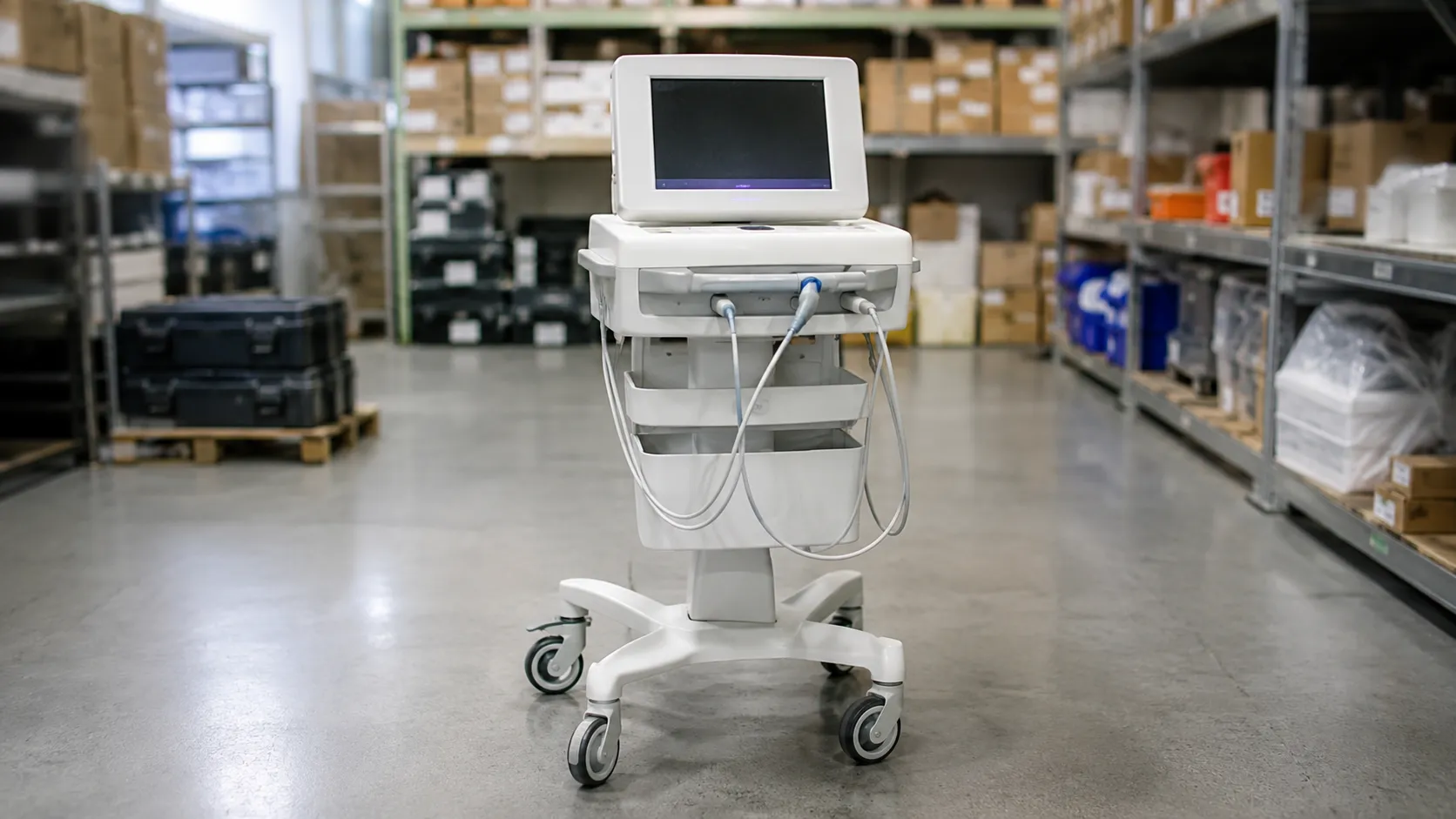
Neonatal monitors — monitoring suited to newborns.
-
Pulse oximeters — oxygen saturation for small patients.
-
Apnoea monitors — alerting to pauses in breathing.
-
Transcutaneous monitoring — non-invasive gas monitoring where used.
-
Neonatal sensors and probes — appropriately sized for newborns.
Feeding and phototherapy
Supporting nutrition and treating jaundice sit here, both common needs on a neonatal unit.
-
Feeding pumps — controlled delivery of feeds.
-
Phototherapy units — treating jaundice.
-
Milk warming and preparation — supporting feeding safely.
-
Syringe pumps — precise fluid and drug delivery.
-
Feeding accessories — supporting different feeding methods.
Family and safety
A neonatal unit supports families as well as babies, and this group underpins safe, family-centred care.
-
Cots and support furniture — for babies moving beyond intensive care.
-
Weighing scales — accurate neonatal weighing.
-
Family support seating — supporting parents at the cotside.
-
Security and identification — supporting infant safety.
-
Infection control equipment — protecting vulnerable babies.
Planning the purchase
Neonatal unit equipment is specialised for newborns, so sensor and consumable sizing matters as much as the devices themselves; a monitor without appropriately sized probes cannot do its job. Standardising incubators, ventilators, and monitors across the unit eases training and equipment movement as a baby's care changes. Thermal care, respiratory support and monitoring often combine at a single cot, so the equipment should work together around one small patient. Planning with the neonatal team ensures the unit matches the level of care it provides, and sensor and consumable sizing deserves early attention, since neonatal probes are not interchangeable with adult equipment.
Points to confirm before ordering
-
Sizing. Confirm neonatal-appropriate sensors, probes and consumables.
-
Standardisation. Establish common incubator, ventilator and monitor families.
-
Integration. Confirm equipment works together at the bedside.
-
Level of care. Match equipment to the care the unit provides.
-
Servicing. Agree on maintenance to keep every cot ready.
Servicing and safety
Neonatal equipment supports extremely vulnerable patients, so maintenance, safety testing, and rapid fault resolution are essential; thermal and respiratory devices, in particular, are checked carefully. Agreed servicing and responsive support keep every cot dependable. Ensure the unit receives published device safety alerts so field safety notices reach the neonatal and clinical engineering teams.
For more on sourcing, contact the Medigear.uk team about specialist equipment.
Bringing the list together
A neonatal unit is equipped around the particular needs of newborns. Grouping the twenty-five items by the care they provide, confirming neonatal-appropriate sizing and standardising the core devices turn the list into a unit ready for its smallest patients, cared for with equipment sized and set for them. Sized and chosen this way, the neonatal equipment suits the smallest patients.
This article provides general procurement guidance for healthcare organisations. It is not clinical or neonatal advice, and it does not replace manufacturer instructions or professional judgement.