An oxygen mask is a face-worn device that channels supplemental oxygen from a flowmeter to the nose and mouth, and how tightly it controls the delivered concentration- rolled delivery settings- is the key distinction between fixed-performance masks, which hold a set oxygen fraction regardless of how the patient breathes, and variable-performance masks, whose delivered concentration rises and falls with the patient's breathing pattern.
This guide is for procurement and clinical-engineering teams choosing oxygen masks for wards, recovery, transport and community care. It sets out the fixed-versus-variable framework, focuses on the simple and controlled masks used day to day, and lists the specifications and standards a buyer should confirm. Venturi and non-rebreather masks are covered in their own articles, so this piece keeps to the wider category and where each mask fits.
Fixed-Performance Versus Variable-Performance
Every oxygen mask falls into one of two performance classes, and getting the right class is the first procurement decision. Fixed-performance (high-flow) masks deliver a known, stable oxygen fraction that does not change with the patient's rate or depth of breathing, because they supply gas faster than the patient can inhale it; the Venturi-type mask is the classic example. Variable-performance masks deliver an oxygen concentration that depends on the patient's minute ventilation and the set flow, so the same mask at the same flow gives a slightly different concentration to different patients. Where an exact, repeatable concentration is clinically required, a fixed-performance device is specified; where a general uplift in oxygen is the goal, a variable-performance mask is simpler and cheaper.
The Simple Oxygen Mask
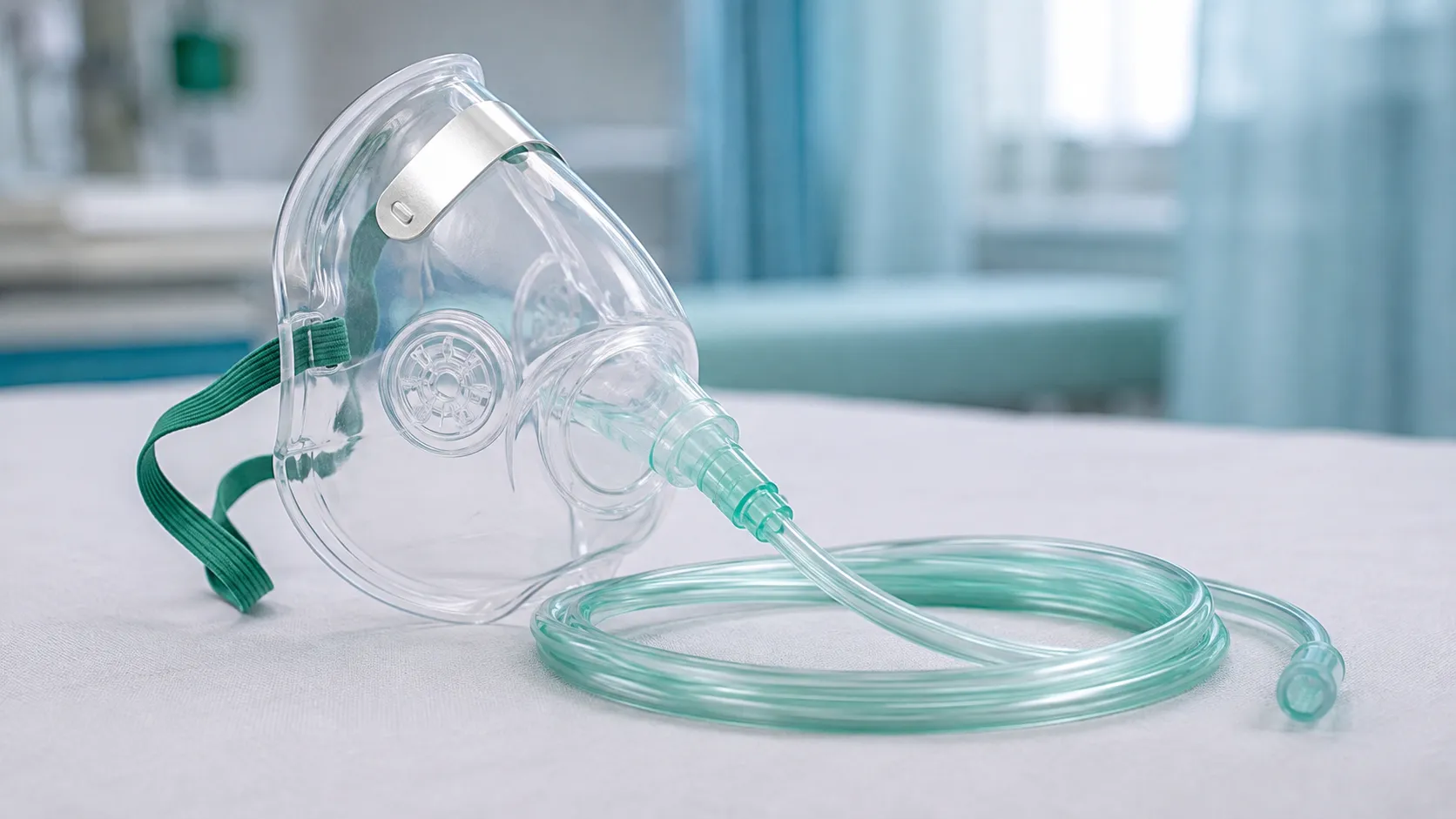
The simple face mask, sometimes called a medium-concentration mask, is the workhorse variable-performance device. It covers the nose and mouth, has open side ports for exhaled gas and room-air entrainment, and connects by tubiflowmeter. Run via tubing at a flow of roughly 5 to 10 litres per minute, it typically delivers about 40 to 60 per cent oxygen, with the exact figure varying by patient. A practical point matters for buyers and users alike: it must run at a minimum flow, usually stated as at least 5 litres per minute, to flush exhaled carbon dioxide from the mask, so it is not suitable for very low oxygen flows where a nasal cannula would be used instead.
Where Higher-Concentration and Fixed Masks Fit
Beyond the simple mask device-specific. A reservoir mask requires more advanced options(non-rebreather); it adds a bag and one-way valves to deliver high concentrations for emergencies, and the Venturi mask uses interchangeable colour-coded barrels to entrain a fixed ratio of air and deliver a precise fraction; both have dedicated articles. Tracheostomy masks and T-piece adaptors deliver oxygen to a stoma or tracheal tube rather than the face. For procurement, the value-add of the whole category is stock, meaning the right mix: a base of simple, fixed-performance masks for routine and titrated therapy, with reservoir masks reserved for acute high-concentration use.
Materials, Sizing and Fit
Masks are typically moulded from soft, clear PVC so the face is visible and any vomit or secretions can be seen, and they should be latex-free. A malleable metal nose clip and an elastic head strap achieve the fit that a variable-performance mask depends on, because a poor seal changes the delivered concentration. Sizes span adult and paediatric, and correctly sized masks matter more than they appear: an oversized mask on a small face both leaks and increases dead space. Confirm the tubing is kink-resistant and othe rightlength a crushed tube quietly throttles delivered oxygen.
Humidification, Nebulisation and Tracheostomy Variants
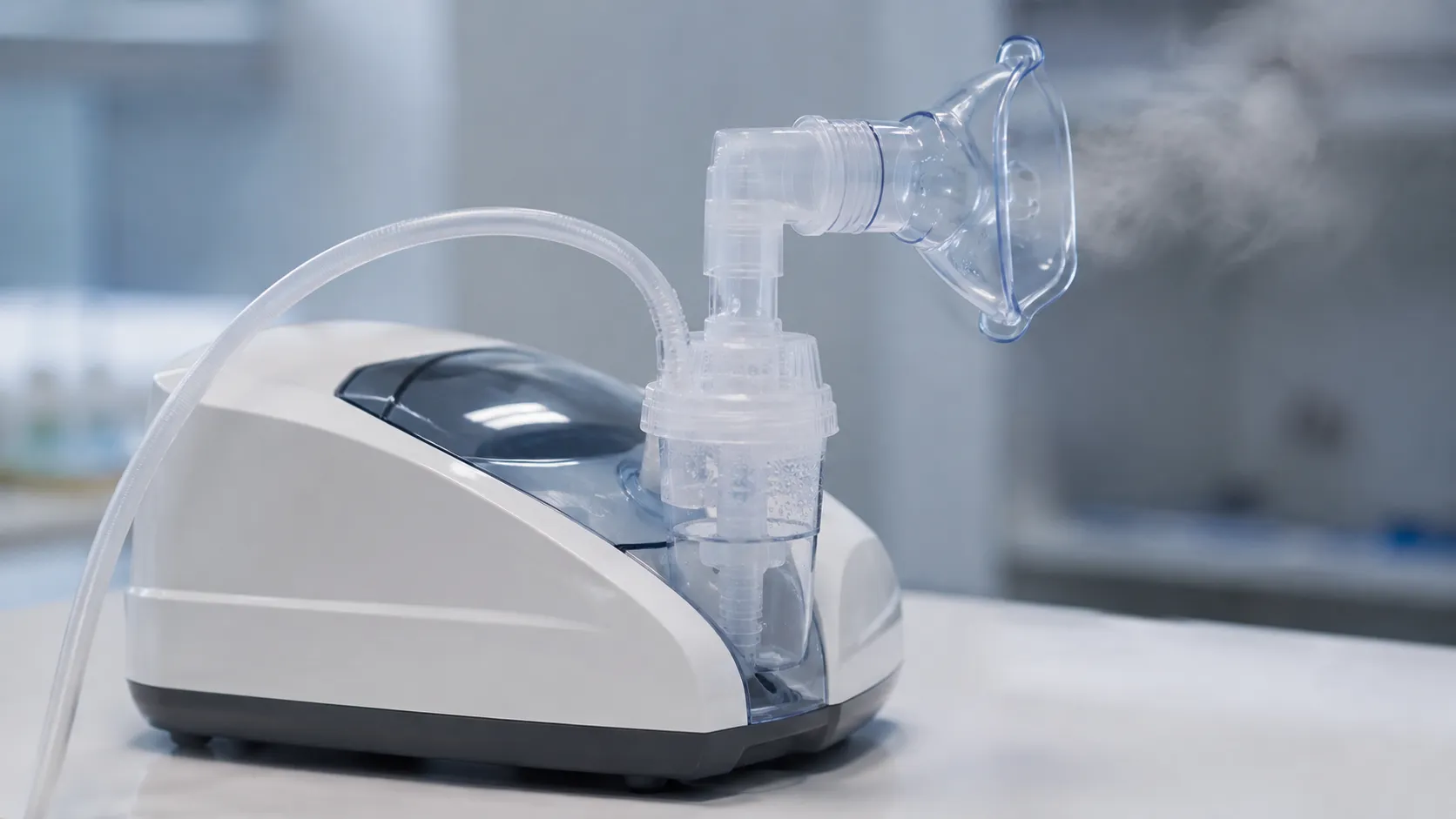
Controlled oxygen delivery is not only about the face mask. Where secretions are thick, or therapy is prolonged, oxygen can be humidified upstream, and some masks are designed to run with a nebuliser chamber so a bronchodilator is driven by the oxygen flow rather than delivered separately. Tracheostomy masks and T-piece adaptors deliver conditioned oxygen to a stoma or tracheal tube for patients who do not breathe through the nose and mouth, and they are a distinct stock line with their own sizing. For procurement, the point is that an oxygen-therapy range needs to cover these situations as well as the standard face mask, so a ward is not left improvising when a patient has a tracheostomy or needs nebulised medication through the same setup.
Key Specifications a Buyer Must Check
Match the performance class to the clinical need: fixed for precise concentrations and variable for general supplementation. Check the delivered-concentration range and the minimum flow the mask requires, that the tubing connector fits your flowmeters and any humidification, and that sizes cover your patient groups. Confirm the mask is latex-free, single-use, and supplied with adequate tubing length, and that colour-coding or labelling makes the type obvious on the trolley. Verify supply continuity and that matching consumables, tubing and connectors are available so stock stays interchangeable across wards.
Standards, Regulation and Safety
Oxygen masks are medical devices and should carry valid UKCA or CE marking from a manufacturer registered with the MHRA. Oxygen is an oxidising gas that vigorously supports combustion, so storage, signage and no-smoking precautions around oxygen therapy fall under fire-safety and workplace guidance from the HSE. Where masks connect to piped or cylinder supplies, the flowmeters and fittings carry their own standards, and oxygen prescribing and target saturation ranges follow national clinical guidance rather than the mask itself. Request the instructions for use and the declared performance range.
Decontamination and Total Cost
Oxygen masks are almost universally single-use to prevent cross-infection, so the cost model is unit price times throughput plus disposal, with no reprocessing. The wider cost picture includes matching tubing, humidification consumables where used, and the flowmeters and connectors that must be compatible across the estate. Standardising on a small set of mask types with common connectors reduces training, simplifies stock and avoids the delay of hunting for an adaptor. Because performance depends on fit and flow, staff familiarity with each mask type is part of getting value from the spend.
Use Across Care Settings
Simple and controlled oxygen masks are used on general and acute wards, in recovery and A&E, during inter- and intra-hospital transfer, and in community and domiciliary oxygen therapy. Fixed-performance masks suit patients who need an exact, stable concentration, including some with chronic respiratory disease where over-oxygenation is a concern; variable-performance masks suit straightforward supplementation—nasal cannula: nasalcover low-flow, comfortable long-term delivery. Choosing the right device for each setting, and stocking a coherent range, is what keeps oxygen therapy both safe and economical.
Procurement Checklist
-
Verify UKCA or CE conformity of the mask range, the manufacturer's HRA registration, and performance/variable-performance class against clinical need.
-
Check delivered-concentration range and the minimum flow the mask requires.
-
Verify tubing connector, length and compatibility with your flowmeters and humidification.
-
Confirm adult and paediatric sizes, latex-free material and clear labelling.
-
Standardise connectors so masks and tubing stay interchangeable across wards.
-
Cost single-use disposal, tubing and any humidification consumables.
Conclusion
Choosing oxygen masks for controlled delivery starts with one question: does the patient need a fixed, exact concentration or general supplementation? Keep a coherent range of simple and fixed-performance masks, reserve reservoir masks for acute high-concentration use, and match every mask to its flowmeter and setting. To compare compliant oxygen masks, tubing and connectors,s or arrange a facility quote, contact MediGear or open a buyer account.
Disclaimer
This article is for informational purposes only. MediGear (medigear.uk) publishes it for general information and procurement guidance. It is not a guarantee, warranty, or professional advice, and does not provide medical consultations. Buyers should consult their clinical, biomedical, estates and regulatory contacts, and the manufacturer's documentation, and independently verify all specifications, certifications, compatibility and suitability before purchase. Specifications, certifications and availability are correct at the time of publication and may change without notice. MediGear is a medical-equipment distributor and does not sell medicines or pharmaceutical products.