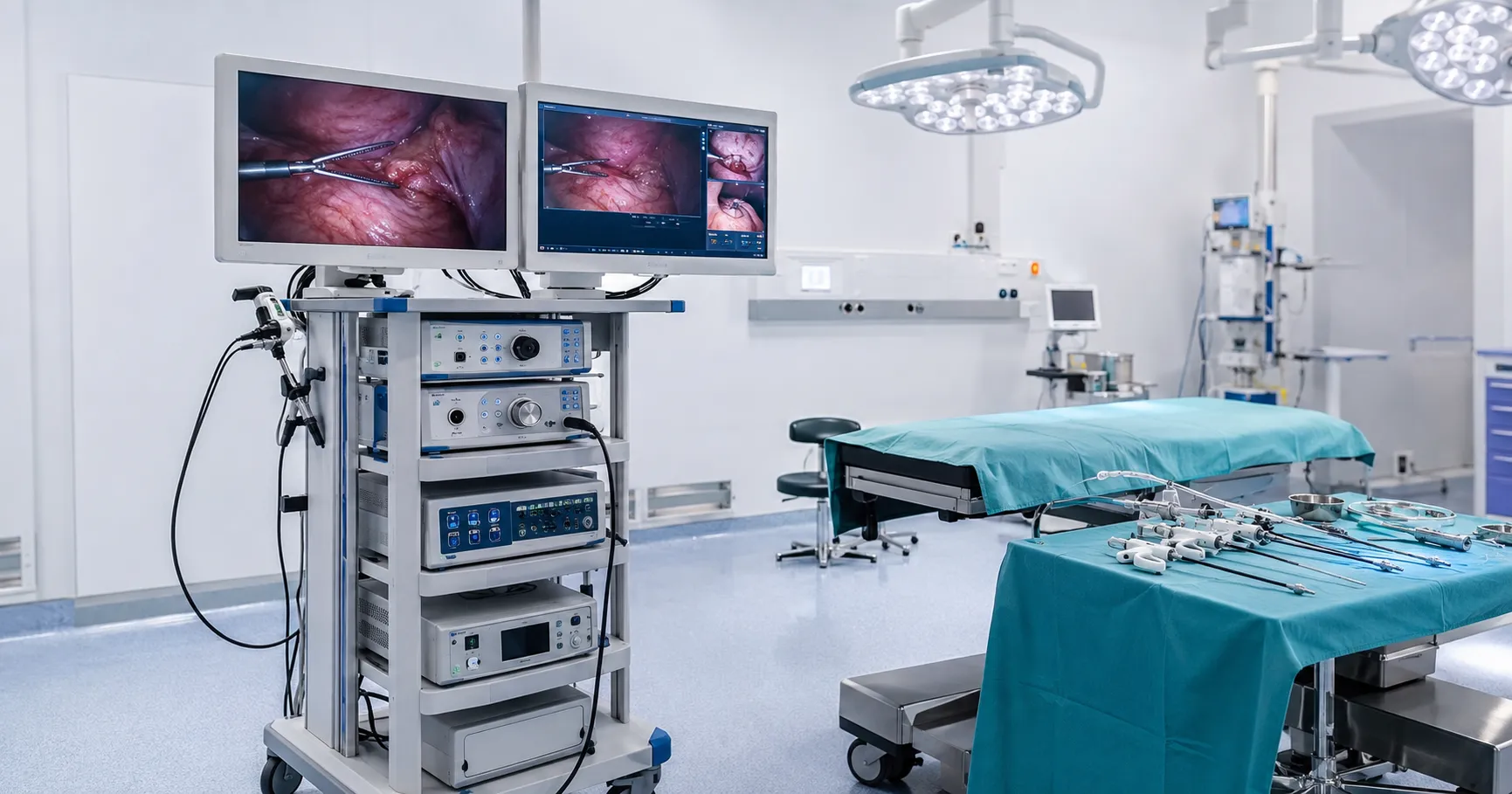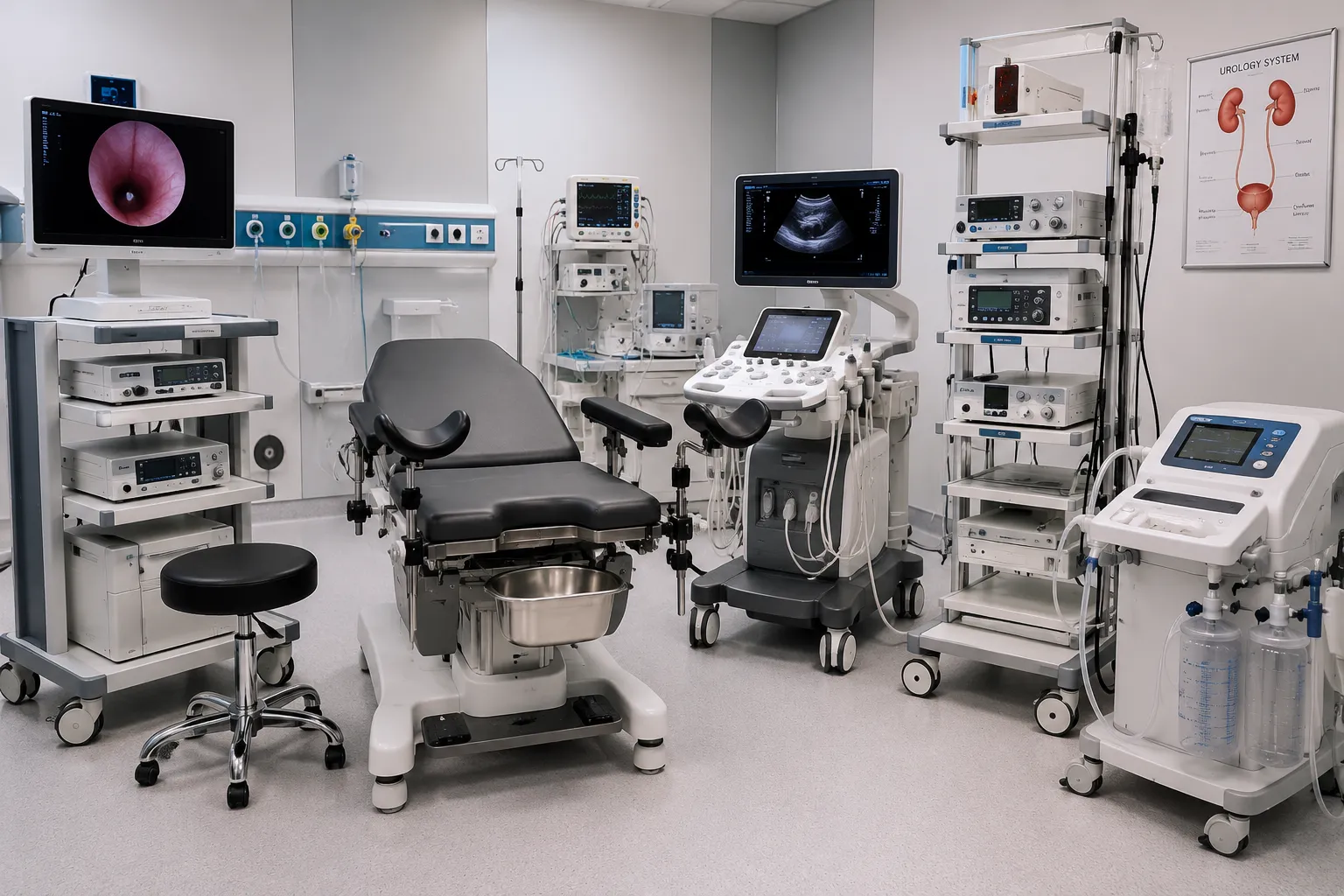
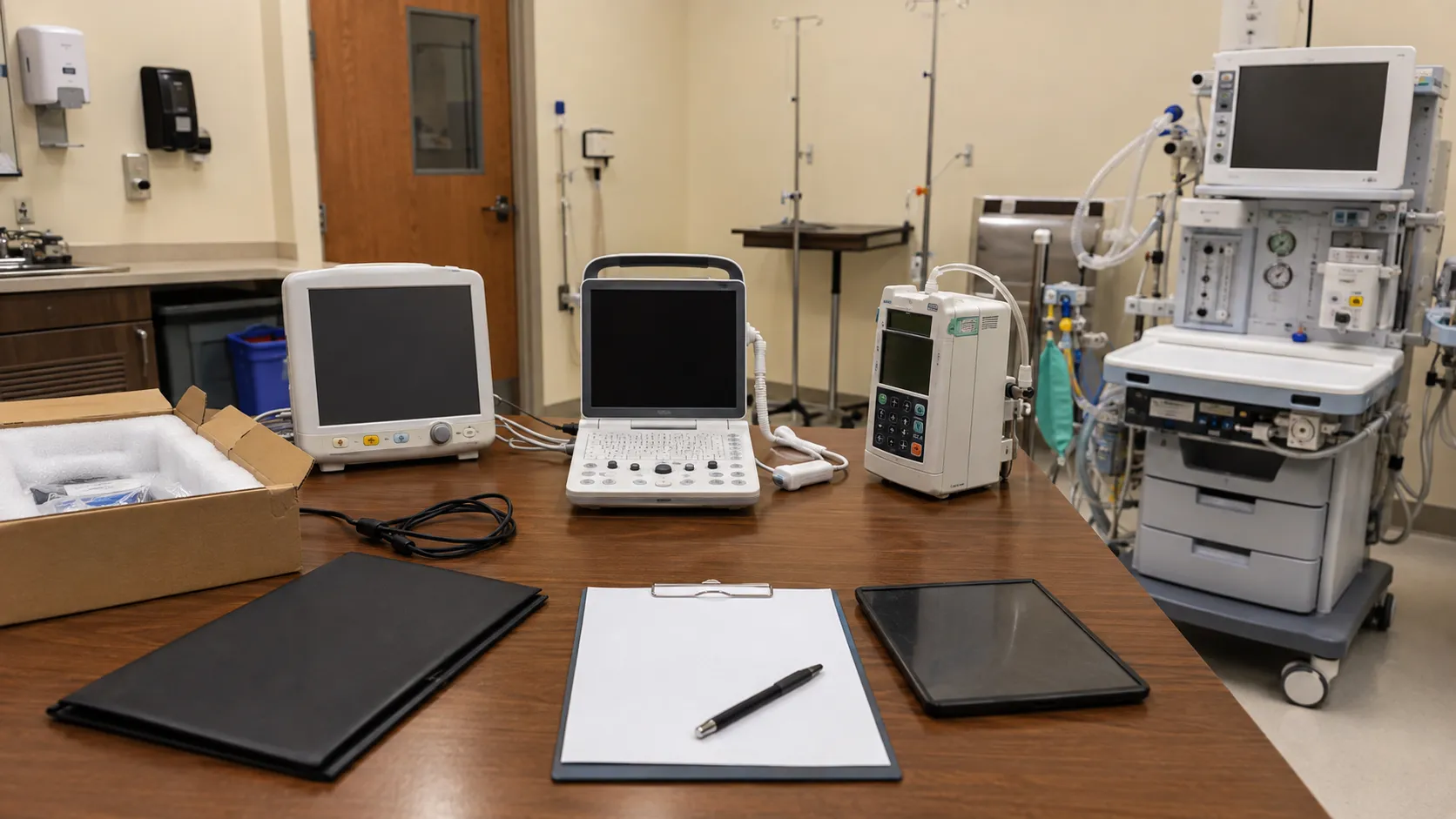
Hospital equipment purchase approval confirms whether a proposed acquisition is clinically necessary, technically suitable and commercially acceptable. Without a controlled approval process, healthcare organisations may order incorrect models, duplicate existing assets, or incur costs not included in the original budget.
For healthcare buyers approving medical equipment purchases, review should begin before a purchase order is prepared. The equipment request, specifications, quantities, supplier quotations, infrastructure requirements, and implementation schedule should be complete.
Clinical users, biomedical engineers, procurement teams, facilities personnel and budget holders may each approve different parts of the purchase. Their decisions should be recorded through one coordinated workflow.
A structured approval process helps hospitals prevent unsuitable purchases and gives authorised decision-makers clear evidence before funds are committed.
Establish Approval Criteria and Responsibilities
The organisation should define what must be approved and who has authority to approve it.
Clinical approval — A suitable clinical representative should confirm the intended use, required performance and expected workload.
Technical approval — Biomedical engineers should assess configuration, compatibility, maintenance, infrastructure and support requirements.
Procurement approval — Procurement personnel should verify the sourcing process, supplier information, quotation and commercial terms.
Budget approval — The authorised budget holder should confirm that funding is available to meet the full requirement.
Facilities approval — Fixed or technically complex equipment may require confirmation of room, electrical, network, ventilation or utility readiness.
Digital approval — Connected equipment may require review of interfaces, licences, data storage and cybersecurity responsibilities.
Legal or contract approval — Complex agreements may require review of liability, termination, warranties and dispute provisions.
Final authorisation — The organisation should identify who has authority to commit funds and approve the purchase order.
In practice, healthcare buyers often find that equipment has been clinically approved but cannot be installed because technical or facilities reviews were not completed.
The approval workflow should therefore cover every department affected by the purchase.
Adapt Approval to Equipment and Purchase Type
The level of review should reflect the equipment’s complexity, value, condition and intended clinical environment.
Routine replacement — Confirm whether the proposed model is compatible with existing accessories, training and technical support.
New clinical service — Review patient demand, staffing, rooms, workflows and operational readiness before approving equipment.
When purchasing from regulated and certified medical equipment suppliers worldwide, buyers should confirm the supplier’s legal identity, relationship with the manufacturer, and after-sales responsibilities.
Critical care equipment — Approval should consider service continuity, backup capacity, alarm management and response support.
Diagnostic equipment — Imaging and laboratory systems may require detailed installation, calibration, and digital integration reviews.
Mobile equipment — Check battery operation, storage, transport, cleaning and equipment-sharing arrangements.
Connected equipment — Review networks, user access, software updates, data handling and cybersecurity support.
Refurbished equipment — Confirm condition, testing, replaced parts, software, accessories, warranty and service history.
International purchasing — Include freight, insurance, customs, unloading, installation and local service responsibilities.
Multi-unit orders — Confirm quantity calculations, standardised configurations and phased implementation requirements.
Experienced clinical supply managers typically apply more detailed approval controls to high-value, clinically critical or infrastructure-dependent equipment.
Review Clinical, Technical and Document Requirements
The approval team should verify that the proposed equipment aligns with the hospital’s documented needs.
Clinical justification — Explain which service requirement the purchase will address and why current equipment is insufficient.
Demand evidence — Use patient volumes, procedures, operating hours, utilisation and replacement needs to support quantities.
Approved specification — Confirm mandatory performance, capacity, safety, mobility and connectivity requirements.
Exact manufacturer and model — Record the complete manufacturer, model, variant and product reference.
Complete configuration — Include probes, cables, batteries, modules, trolleys, software and licences.
Accessory compatibility — Check whether the proposed accessories are compatible with existing workflows and equipment.
Infrastructure compatibility — Confirm electrical, network, ventilation, water, drainage, gas and room requirements.
Cleaning requirements — Review the manufacturer's instructions, equipment materials,s and reusable accessories.
Maintenance requirements — Confirm preventive maintenance, calibration, test tools and engineer support.
Applicable compliance records — Review documentation required under applicable local regulatory standards and, where relevant, standards such as CE, FDA or their regional equivalents.
User and technical manuals — Ensure documents match the exact model, software and intended destination.
Acceptance criteria — Define the inspections, tests, documents and training required before final acceptance.
One aspect that surprises first-time buyers is that a product can meet the headline clinical requirement while remaining incompatible with hospital infrastructure or accessories.
Approval should therefore assess the complete operating configuration rather than only the main equipment.
Evaluate Supplier and Commercial Terms
Commercial approval should confirm that the offer is complete, transparent and suitable for the organisation.
Supplier verification — Confirm the legal business name, address, contacts, payment information and manufacturer relationship.
Quotation comparison — Compare equivalent configurations, quantities, accessories, services and exclusions.
Accuracy of supplier claims — Medical equipment companies advertising products to healthcare buyers should ensure that product, delivery and support claims match formal quotations.
Equipment condition — Confirm whether the proposed units are new, refurbished, demonstration or another approved condition.
Complete purchase cost — Include equipment, accessories, software, freight, installation, training and initial support.
Warranty terms — Review the start date, coverage period, parts, labour, travel, freight and exclusions.
Delivery responsibility — Define responsibility for packaging, freight, insurance, customs, unloading and positioning.
Installation scope — Confirm who will assemble, connect, configure, test and commission the equipment.
Training commitment — Record the number of sessions, participants, trainers and materials included.
Service support — Review engineer access, response targets, spare-parts availability and escalation procedures.
Payment milestones — Link payments to verifiable stages such as shipment, delivery, installation and acceptance.
Commercial exclusions — Require the supplier to identify every excluded component, service and cost.
Healthcare groups managing recurring or multi-site purchases may benefit from structured international medical equipment sourcing partnerships.
Each order should still receive individual approval for its models, quantities, commercial terms and implementation requirements.
Confirm Budget, Risk and Lifecycle Readiness
Purchase approval should consider whether the organisation can afford and support the equipment beyond the initial order.
Capital budget — Confirm that approved funding covers the equipment and required implementation costs.
Maintenance budget — Estimate preventive maintenance, repairs, calibration and replacement parts.
Consumable costs — Review recurring products, expected usage, storage requirements and supplier availability.
Software costs — include licences, subscriptions, interfaces, updates, and data storage requirements.
Training costs — Consider initial, technical and refresher training where these are not included.
Infrastructure costs — Include room preparation, utilities, network work and equipment movement.
Lifecycle cost — Assess the expected ownership cost over the planned service period.
Supplier dependency — Review whether essential parts, software, or support depend on a single provider.
Operational risk — Consider the effect of faults, delays, low capacity or unavailable backup equipment.
Implementation Dependencieseotion, start-upstanddelivery/installation rratiosement support — Review expected product availability, software support and spare-parts access.
Risk acceptance — Record who has authority to approve any remaining procurement or operational risk.
A purchase should not receive final approval when essential lifecycle costs or support responsibilities remain unknown.
Authorise the Order and Verify Final Acceptance
The approved decision should be accurately transferred into the ordering, delivery, and acceptance documents.
Approval record — Retain evidence of clinical, technical, procurement and budget approvals.
Final quotation — Clearly identify the quotation reference and revision authorised for purchase.
Purchase-order accuracy — Ensure that the order matches the approved model, quantity, condition, configuration and price.
Change control — Require written approval for substitutions, quantity changes or revised commercial terms.
Pre-shipment confirmation — Ask the supplier to confirm models, quantities, accessories and documentation before dispatch.
Delivery inspection — Check packaging, equipment identity, serial numbers, quantities and visible condition.
Accessory reconciliation — Compare delivered accessories, software and manuals with the approved order.
Installation verification — Confirm that supplier and hospital implementation responsibilities have been completed.
Commissioning evidence — Retain functional tests, safety checks and calibration results where applicable.
Training confirmation — Record completed training and any outstanding requirements.
Payment release — Approve payments only after the corresponding contract stage has been verified.
Final acceptance — Clinical, technical and procurement teams should confirm that the complete purchase has been delivered.
Healthcare organisations seeking quotation review, supplier coordination or international sourcing support can contact the Medigear.uk team for medical equipment assistance. Enquiries should include the equipment category, manufacturer, model, quantity, condition and destination.
Purchase approval should remain connected to delivery, commissioning and final acceptance rather than ending when the order is issued.
Final thoughts
Hospital equipment purchase approval should confirm that a proposed acquisition is clinically justified, technically suitable and financially supportable.
Healthcare teams should review the exact model, configuration, supplier, quotation, infrastructure and lifecycle costs before authorisation. Approval responsibilities should remain clear across clinical, technical, procurement and financial teams.
Every material change should receive written review before it is accepted.
A controlled approval process helps hospitals prevent unsuitable purchases, protect budgets and improve equipment readiness.
Disclaimer
Medigear.uk is a global medical equipment supplier, exporter, and distributor. The content published on this site is intended for educational and product awareness purposes only. Nothing on this page constitutes medical advice, clinical guidance, or treatment recommendations. All healthcare procurement and clinical decisions should be made by qualified medical professionals and compliant procurement teams operating within the regulatory frameworks of their respective countries.