Many people hear cracking, popping, or clicking sounds when they move their joints, especially in the knuckles, knees, shoulders, or neck. These sounds are usually harmless, but they can be surprising. Understanding why joints crack can help reduce unnecessary worry and improve awareness of joint health.
What Causes Joint Cracking Sounds?
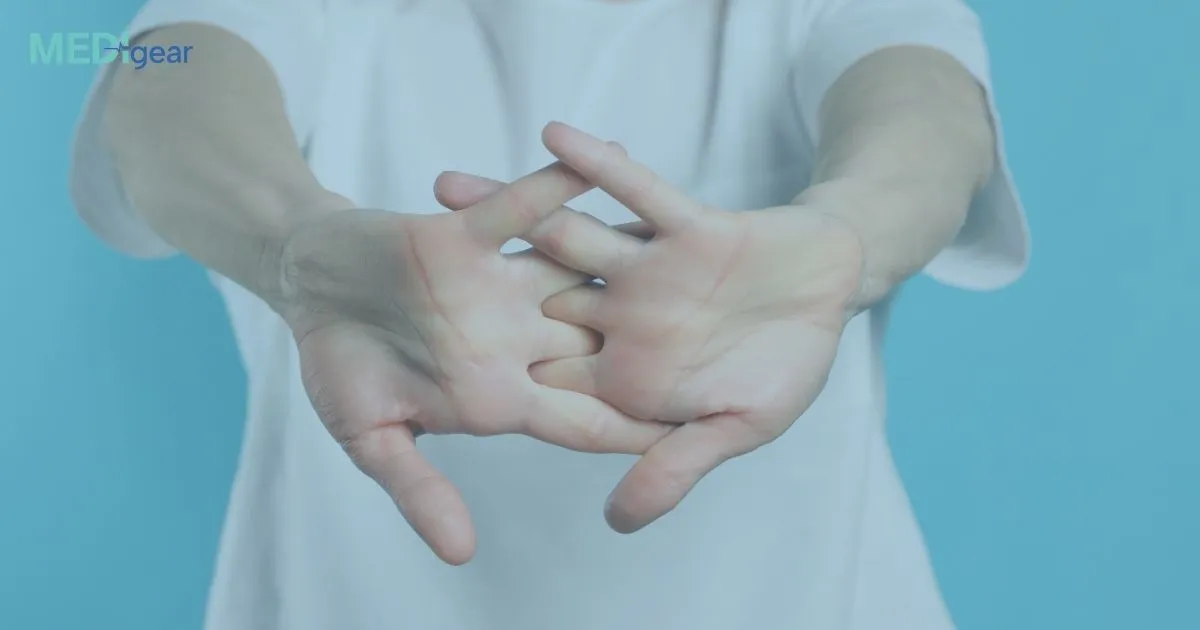
1. Gas Bubbles in the Joint Fluid
Most cracking sounds come from tiny gas bubbles inside the fluid that surrounds your joints.
When you stretch or bend the joint, pressure changes and these bubbles burst, creating a popping or cracking sound.
This is completely normal and not harmful.
2. Movement of Ligaments and Tendons
Ligaments and tendons help hold bones in place and support movement.
Sometimes, they briefly shift position and snap back into place when you move.
This can create a clicking sound, especially around the knees, elbows, or ankles.
3. Joint Stiffness
If a joint has not been moved for a while, stiffness can cause small cracking sounds when you start moving again.
This often happens in the morning or after sitting for a long time.
4. Age-Related Changes
As people age, the cartilage that cushions the joints may wear down.
This can cause more noticeable sounds during movement.
Mild sounds are normal, but pain along with cracking may require attention.
5. Previous Injury
Old injuries can slightly change how a joint moves, leading to occasional clicking or popping sounds.
Are Cracking Sounds Harmful?
In most cases, no.
Joint cracking is usually harmless if:
-
There is no pain
-
There is no swelling
-
Movement is normal
Many people experience these sounds throughout life, and they do not cause damage.
However, loud cracking combined with pain or swelling could be a sign of an underlying issue and should be checked by a qualified professional.
When to Seek Medical Guidance
Consult a professional if joint sounds come with:
-
Persistent pain
-
Swelling
-
Redness
-
Warmth around the joint
-
Difficulty moving the joint
These symptoms may indicate inflammation or injury that needs treatment.
Can You Prevent Joint Cracking?
Cracking cannot always be prevented, but you can reduce unnecessary stress on joints with healthy habits.
Helpful Tips:
-
Stay physically active
-
Stretch regularly
-
Warm up before exercise
-
Maintain good posture
-
Eat nutrient-rich foods that support joint health
-
Stay hydrated
These habits help keep joints flexible and reduce stiffness.
Why Understanding Joint Sounds Matters
Knowing the reasons behind joint cracking helps you:
-
Tell the difference between normal sounds and warning signs
-
Reduce worry about harmless cracking
-
Support your long-term joint health
-
Make informed decisions about exercise and posture
Most joint sounds are simply part of everyday movement, and understanding them increases confidence about your body’s natural functions.