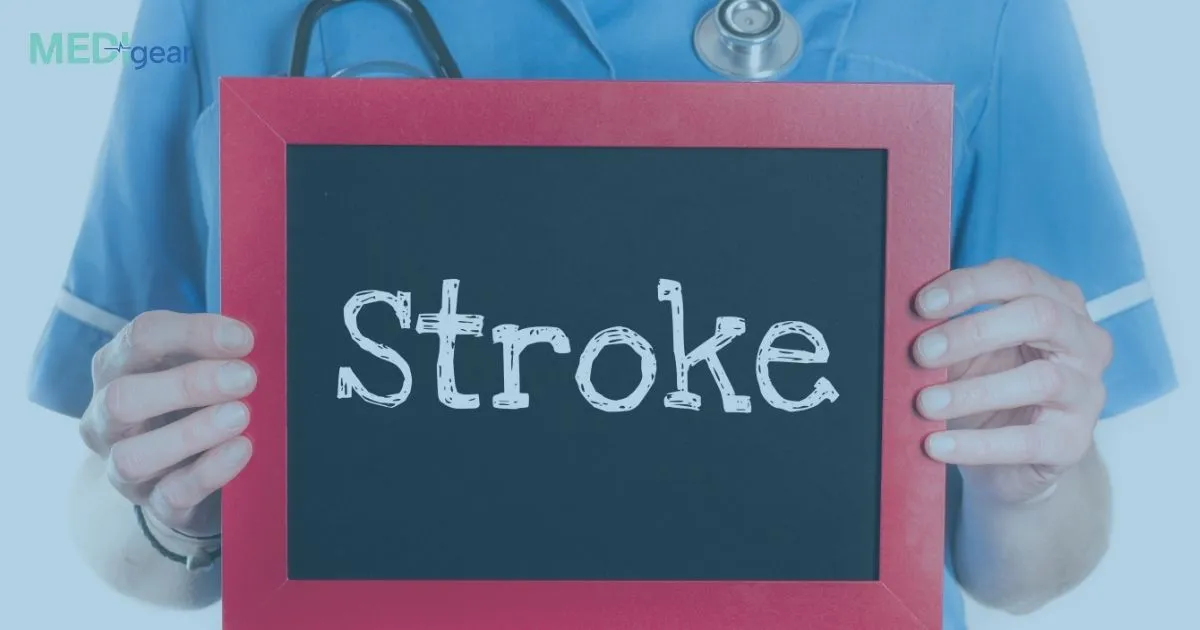
A stroke happens when the blood supply to part of the brain is suddenly blocked or reduced. When the brain does not get enough oxygen, its cells start to weaken very quickly. Recognizing early signs of a stroke is extremely important because fast action can save a life and reduce long-term damage. This article explains the early symptoms in simple, clear language to support better awareness and quick response.
What Is a Stroke?
A stroke is a medical emergency that occurs when:
-
Blood flow to the brain is blocked
-
A blood vessel in the brain bursts
Both situations can cause brain cells to stop working. Early treatment is essential.
The FAST Method: Quick Identification
A common way to remember stroke warning signs is FAST:
-
F – Face drooping: One side of the face may look uneven or droop.
-
A – Arm weakness: The person may not be able to lift one arm properly.
-
S – Speech difficulty: Speech may sound slurred or unclear.
-
T – Time to seek help: Immediate medical attention is necessary.
FAST helps people act quickly when every minute matters.
Early Signs of a Stroke
1. Sudden Numbness or Weakness
Weakness may appear in the face, arm, or leg, usually on one side of the body.
2. Sudden Confusion
The person may have trouble understanding or responding clearly.
3. Trouble Speaking
Speech may become slurred, slow, or difficult to understand.
4. Sudden Vision Problems
A person may experience blurred, darkened, or double vision in one or both eyes.
5. Sudden Difficulty Walking
There may be imbalance, dizziness, or trouble coordinating movement.
6. Sudden Severe Headache
A strong, sudden headache without a known cause can be an early warning sign.
7. Dizziness or Loss of Balance
The person may feel lightheaded or unable to stay steady.
Why Early Recognition Is Important
The earlier a stroke is identified, the greater the chance of:
-
Reducing long-term disability
-
Preventing brain damage
-
Improving recovery outcomes
Immediate medical help is essential. Recognizing signs early ensures timely treatment.
Risk Factors Associated With Stroke
Certain factors increase the chances of stroke:
-
High blood pressure
-
Diabetes
-
Smoking
-
High cholesterol
-
Obesity
-
Lack of physical activity
-
Family history of stroke
Managing these factors can significantly reduce risk.
How to Respond if You Notice Symptoms
-
Stay calm
-
Call for emergency medical help immediately
-
Do not wait to see if symptoms go away
-
Provide support and help the person stay seated or lying down safely
-
Note the time symptoms began
Quick action makes a major difference in recovery.
Prevention Tips
-
Maintain regular physical activity
-
Eat a balanced diet
-
Manage stress levels
-
Get enough sleep
-
Avoid smoking
-
Monitor blood pressure and sugar levels
-
Seek professional guidance for regular check-ups
Healthy daily choices support long-term brain and heart health.