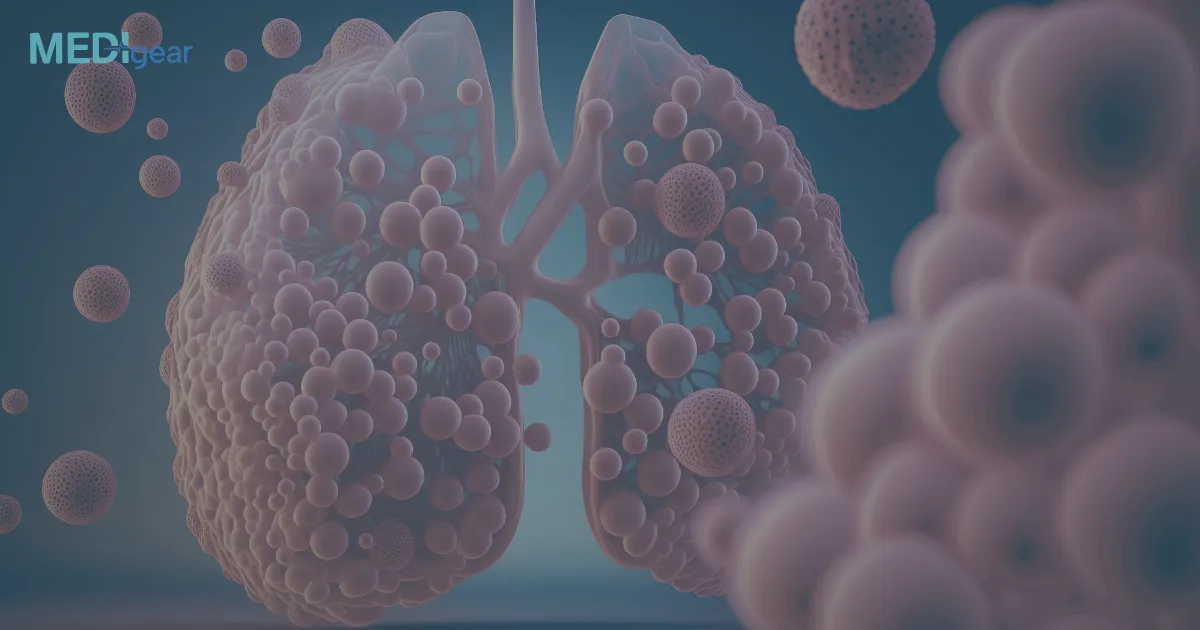
Acute Respiratory Distress Syndrome (ARDS) is a severe and life-threatening lung condition that occurs when fluid builds up in the tiny air sacs (alveoli) of the lungs. This prevents oxygen from reaching the bloodstream, making it difficult for vital organs to receive the oxygen they need.
ARDS usually develops suddenly after a serious illness or injury and often requires treatment in an intensive care unit (ICU).
What Is Acute Respiratory Distress Syndrome?
Acute Respiratory Distress Syndrome is a form of severe lung failure characterized by widespread inflammation and fluid accumulation in the lungs.
When the alveoli fill with fluid, the lungs cannot properly exchange oxygen and carbon dioxide, resulting in dangerously low oxygen levels in the blood.
How ARDS Develops
ARDS usually occurs as a complication of another serious condition.
The process typically includes:
- Severe illness or injury damages lung tissue
- Inflammation increases permeability of lung blood vessels
- Fluid leaks into alveoli
- Oxygen transfer into the bloodstream becomes impaired
- Severe breathing difficulty develops
Common Causes of ARDS
Several conditions can trigger ARDS.
Common causes include:
- Severe pneumonia
- Sepsis (serious infection in the bloodstream)
- Major trauma or injury
- Inhalation of toxic smoke or chemicals
- Severe COVID-19 infection
- Aspiration of stomach contents
- Acute pancreatitis
- Blood transfusion reactions
Symptoms of Acute Respiratory Distress Syndrome
Symptoms often develop rapidly within hours or days after the triggering illness.
Common symptoms include:
Severe Shortness of Breath
Breathing becomes difficult and rapid as the lungs struggle to supply oxygen.
Rapid Breathing
Patients may breathe quickly in an attempt to compensate for low oxygen levels.
Low Blood Oxygen Levels
Oxygen levels drop significantly, which may lead to:
- Bluish lips or fingernails (cyanosis)
- Severe fatigue
- Restlessness
Chest Tightness
Some patients may experience chest discomfort or tightness.
Confusion
Low oxygen levels affecting the brain may cause confusion or difficulty concentrating.
Extreme Weakness
The body becomes weak due to reduced oxygen delivery to tissues.
Risk Factors
Certain individuals are more likely to develop ARDS.
Risk factors include:
- Severe infections
- Chronic lung disease
- Smoking
- Alcohol abuse
- Older age
- Severe injuries or burns
Complications
ARDS can lead to several serious complications if not treated promptly.
Possible complications include:
- Respiratory failure
- Organ failure
- Lung scarring (fibrosis)
- Blood clots
- Long-term breathing problems
Diagnosis
Doctors may use several tests to diagnose ARDS.
These include:
- Chest X-ray or CT scan
- Blood oxygen tests
- Arterial blood gas analysis
- Echocardiogram to rule out heart-related causes
Treatment
ARDS requires immediate medical care, often in an ICU.
Treatment approaches may include:
- Oxygen therapy
- Mechanical ventilation
- Medications to control inflammation
- Fluid management
- Treatment of the underlying cause
Supportive care helps maintain oxygen levels while the lungs recover.
Prevention
Although ARDS cannot always be prevented, certain measures may reduce risk:
- Prompt treatment of infections
- Avoid smoking
- Safe medical care during severe illness
- Protective measures against lung injury
When to Seek Emergency Care
Immediate medical attention is required if symptoms include:
- Severe breathing difficulty
- Bluish lips or skin
- Rapid breathing
- Confusion or extreme fatigue
These may indicate life-threatening oxygen deficiency.
Conclusion
Acute Respiratory Distress Syndrome is a critical lung condition that causes severe breathing difficulty due to fluid-filled air sacs in the lungs. It usually develops as a complication of severe illness or injury and requires urgent medical treatment.
Early recognition, intensive care, and treatment of underlying causes are essential for improving survival and recovery outcomes.
Disclaimer
This article is for educational and informational purposes only and should not be considered medical advice, diagnosis, or treatment. Acute Respiratory Distress Syndrome is a serious medical emergency requiring immediate professional care. Anyone experiencing severe breathing difficulty or symptoms of respiratory failure should seek urgent medical attention. MediGear does not provide medical diagnosis or treatment recommendations.