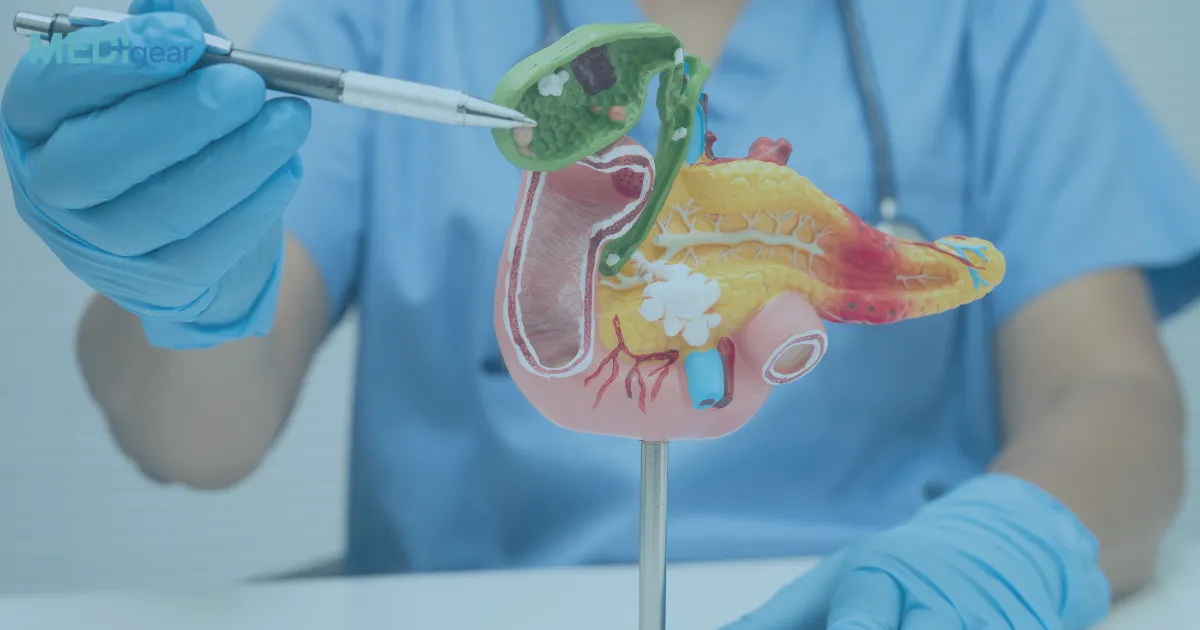
Pancreatitis is a medical condition characterized by inflammation of the pancreas, an important organ located behind the stomach. The pancreas plays a vital role in digestion and blood sugar regulation by producing digestive enzymes and hormones such as insulin.
When the pancreas becomes inflamed, these digestive enzymes may begin damaging pancreatic tissue, leading to severe abdominal pain and digestive problems.
What Is Pancreatitis?
Pancreatitis occurs when the pancreas becomes inflamed due to blockage, injury, or excessive activation of digestive enzymes inside the organ.
There are two main types:
- Acute pancreatitis – sudden inflammation that develops quickly and may resolve with treatment.
- Chronic pancreatitis – long-term inflammation that gradually damages the pancreas.
Common Symptoms of Pancreatitis
Severe Upper Abdominal Pain
The most characteristic symptom is intense pain in the upper abdomen.
Pain may:
- Spread to the back
- Worsen after eating
- Increase when lying flat
- Improve when leaning forward
Nausea and Vomiting
Many patients experience persistent nausea and repeated vomiting due to digestive irritation.
Fever
Inflammation of the pancreas may trigger fever and signs of infection.
Abdominal Tenderness
The abdomen may feel tender or painful when touched.
Rapid Heart Rate
The body may respond to inflammation with an increased heart rate.
Loss of Appetite
People with pancreatitis often lose their appetite due to abdominal discomfort.
Bloating and Indigestion
Digestive disturbances such as bloating or discomfort after meals may occur.
Symptoms of Chronic Pancreatitis
In long-term cases, symptoms may develop gradually.
Possible symptoms include:
- Persistent abdominal pain
- Unexplained weight loss
- Fatty stools (steatorrhea)
- Diarrhea
- Malnutrition
- Diabetes due to insulin deficiency
Causes of Pancreatitis
Several conditions may trigger inflammation of the pancreas.
Common causes include:
- Gallstones
- Heavy alcohol consumption
- High triglyceride levels
- Certain medications
- Abdominal injury
- Pancreatic infections
- Genetic conditions
Risk Factors
Factors that increase the risk include:
- Long-term alcohol use
- Smoking
- Obesity
- Family history of pancreatic disease
- High-fat diet
Possible Complications
If untreated, pancreatitis may lead to serious complications:
- Pancreatic infection
- Pseudocysts (fluid collections)
- Kidney failure
- Breathing difficulties
- Diabetes
- Pancreatic cancer (in chronic cases)
Diagnosis
Doctors may perform several tests to diagnose pancreatitis:
- Blood tests (amylase and lipase levels)
- Abdominal ultrasound
- CT scan
- MRI
- Endoscopic ultrasound
These tests help confirm inflammation and identify the underlying cause.
Treatment
Treatment depends on severity but may include:
- Hospitalization
- Pain management
- Intravenous fluids
- Fasting to allow the pancreas to rest
- Treatment of underlying causes (such as gallstones)
Severe cases may require surgery or specialized procedures.
When to Seek Medical Care
Immediate medical attention is necessary if symptoms include:
- Severe abdominal pain
- Persistent vomiting
- High fever
- Difficulty breathing
- Rapid heartbeat
These may indicate acute pancreatitis.
Prevention
Preventive measures include:
- Limiting alcohol consumption
- Maintaining a healthy weight
- Managing cholesterol and triglyceride levels
- Eating a balanced diet
- Avoiding smoking
Conclusion
Pancreatitis is a serious condition involving inflammation of the pancreas that can cause severe abdominal pain and digestive problems. Early recognition of symptoms and prompt medical care are essential to prevent complications.
Maintaining a healthy lifestyle and addressing risk factors can significantly reduce the risk of pancreatic inflammation.
Disclaimer
This article is intended for general educational purposes only and should not be considered medical advice, diagnosis, or treatment. Symptoms of pancreatitis may resemble other digestive disorders and require proper medical evaluation. Anyone experiencing severe abdominal pain, persistent vomiting, or fever should consult a qualified healthcare professional immediately. MediGear does not provide medical diagnosis or treatment recommendations.