
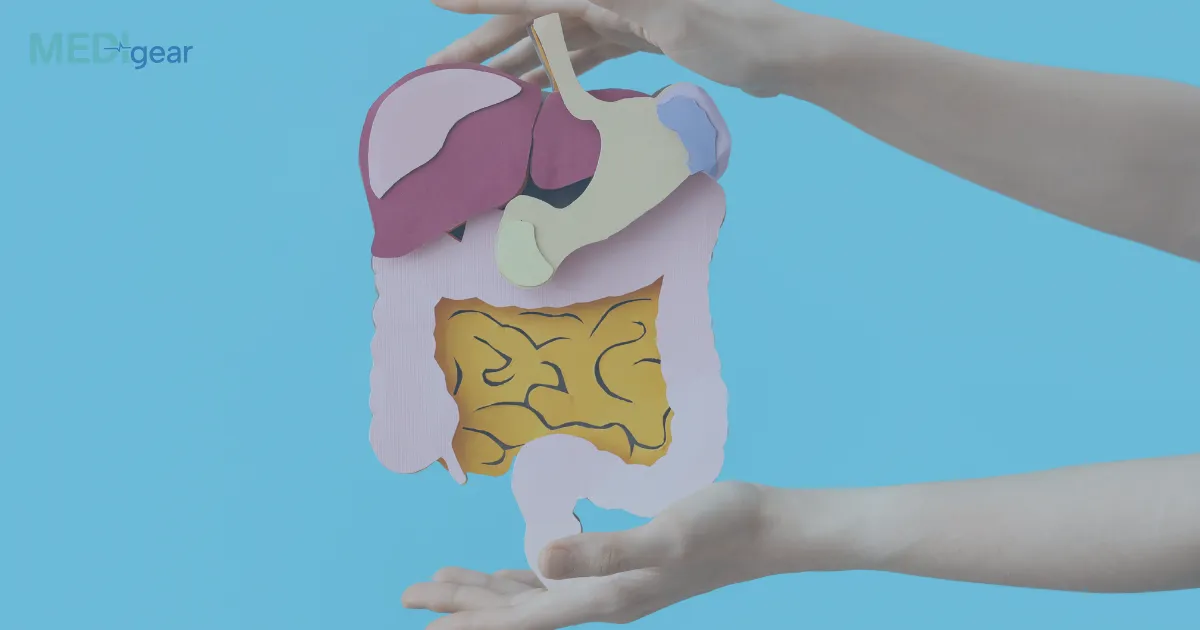
Digestive disorders affect the gastrointestinal (GI) tract, which includes organs such as the stomach, intestines, liver, pancreas, and esophagus. While many digestive issues are temporary, some conditions become chronic, meaning they persist for months or years and may require long-term management.
Chronic digestive disorders can significantly impact quality of life, causing persistent abdominal discomfort, irregular bowel habits, and nutritional problems.
What Is a Chronic Digestive Disorder?
A chronic digestive disorder is a long-term condition affecting the digestive system that causes recurring symptoms or ongoing inflammation of the gastrointestinal tract.
These disorders often involve problems with digestion, absorption of nutrients, or movement of food through the digestive tract.
Common Types of Chronic Digestive Disorders
Several medical conditions fall under chronic digestive disorders.
Irritable Bowel Syndrome (IBS)
IBS is a functional disorder affecting the large intestine.
Common symptoms include:
- Abdominal pain
- Bloating
- Diarrhea or constipation
- Irregular bowel movements
Inflammatory Bowel Disease (IBD)
IBD includes chronic inflammatory conditions such as:
- Crohn’s disease
- Ulcerative colitis
These diseases cause inflammation and ulcers in the digestive tract.
Gastroesophageal Reflux Disease (GERD)
GERD occurs when stomach acid frequently flows back into the esophagus.
Symptoms may include:
- Heartburn
- Acid reflux
- Chest discomfort
- Difficulty swallowing
Chronic Gastritis
Long-term inflammation of the stomach lining can cause persistent digestive discomfort.
Possible symptoms include:
- Stomach pain
- Nausea
- Bloating
- Loss of appetite
Celiac Disease
Celiac disease is an autoimmune condition in which the body reacts to gluten, damaging the lining of the small intestine.
Common Symptoms of Chronic Digestive Disorders
Although symptoms vary depending on the condition, many chronic digestive disorders share similar signs.
Common symptoms include:
- Persistent abdominal pain
- Bloating
- Chronic diarrhea
- Constipation
- Nausea
- Vomiting
- Acid reflux
- Loss of appetite
- Unexplained weight loss
Symptoms may appear in cycles, with flare-ups followed by periods of relief.
Causes of Chronic Digestive Disorders
The causes may vary depending on the specific disorder.
Possible contributing factors include:
- Genetic predisposition
- Immune system abnormalities
- Long-term inflammation
- Gut microbiome imbalance
- Dietary factors
- Stress
- Infections
Risk Factors
Certain factors may increase the risk of developing chronic digestive disorders:
- Family history of digestive disease
- Poor dietary habits
- Smoking
- Excess alcohol consumption
- Obesity
- Chronic stress
Possible Complications
If left untreated, chronic digestive disorders may lead to complications such as:
- Malnutrition
- Dehydration
- Intestinal obstruction
- Ulcers
- Gastrointestinal bleeding
- Increased risk of certain cancers
Early diagnosis and proper treatment can reduce these risks.
Diagnosis
Doctors may use several tests to diagnose chronic digestive disorders.
These include:
- Blood tests
- Stool analysis
- Endoscopy
- Colonoscopy
- CT scan or MRI
- Biopsy of intestinal tissue
These tests help identify inflammation, infection, or structural abnormalities.
Treatment
Treatment depends on the specific condition but often includes:
- Dietary changes
- Medications to reduce inflammation
- Acid suppression therapy
- Probiotics
- Stress management
- Surgery in severe cases
Long-term management may be required to control symptoms.
Lifestyle Management
Lifestyle adjustments can help reduce flare-ups and improve digestive health.
Helpful strategies include:
- Balanced diet rich in fiber
- Adequate hydration
- Regular exercise
- Stress reduction
- Avoiding trigger foods
When to Seek Medical Care
Medical evaluation is important if symptoms include:
- Persistent abdominal pain
- Blood in stool
- Chronic diarrhea
- Unexplained weight loss
- Difficulty swallowing
These symptoms may indicate a serious digestive condition.
Conclusion
Chronic digestive disorders are long-term conditions that affect the gastrointestinal system and can significantly impact daily life. Conditions such as IBS, IBD, GERD, and chronic gastritis require proper diagnosis and ongoing management.
With appropriate treatment, lifestyle changes, and regular medical care, many people with chronic digestive disorders can effectively manage their symptoms and maintain a good quality of life.
Disclaimer
This article is intended for educational purposes only and should not be considered medical advice, diagnosis, or treatment. Symptoms of digestive disorders may vary and require professional medical evaluation. Anyone experiencing persistent digestive symptoms such as abdominal pain, chronic diarrhea, or blood in stool should consult a qualified healthcare professional. MediGear does not provide medical diagnosis or treatment recommendations.