Muscle loss in men is a common health concern that can occur due to aging, lack of physical activity, poor nutrition, hormonal changes, or certain medical conditions. Losing muscle mass can affect strength, energy levels, metabolism, and overall health. Although some muscle loss is a natural part of aging, many cases can be slowed down or prevented with proper lifestyle habits.
What Is Muscle Loss?
Muscle loss refers to a decrease in muscle mass, strength, and function. The medical term often used for age related muscle loss is sarcopenia. This condition usually develops gradually and may become noticeable after the age of 30, with faster loss occurring after the age of 50.
Muscles play an important role in movement, posture, metabolism, and overall physical performance. When muscle mass decreases, the body becomes weaker and more prone to fatigue and injury.
Aging and Natural Hormonal Changes
One of the main causes of muscle loss in men is aging. As men grow older, the body produces less testosterone, which is the hormone responsible for muscle growth and strength.
Lower testosterone levels can lead to:
• Reduced muscle size
• Increased body fat
• Lower strength
• Reduced energy
Growth hormone levels also decline with age, which affects muscle repair and recovery. These natural hormonal changes make it easier to lose muscle and harder to build it.
Lack of Physical Activity
Muscles need regular use to stay strong. When the body remains inactive for long periods, muscle tissue begins to shrink. This process is called muscle atrophy.
Common causes of inactivity include:
• Sedentary lifestyle
• Desk jobs
• Long periods of bed rest
• Lack of exercise
Without regular movement, the body reduces muscle mass because it is not needed for daily activities.
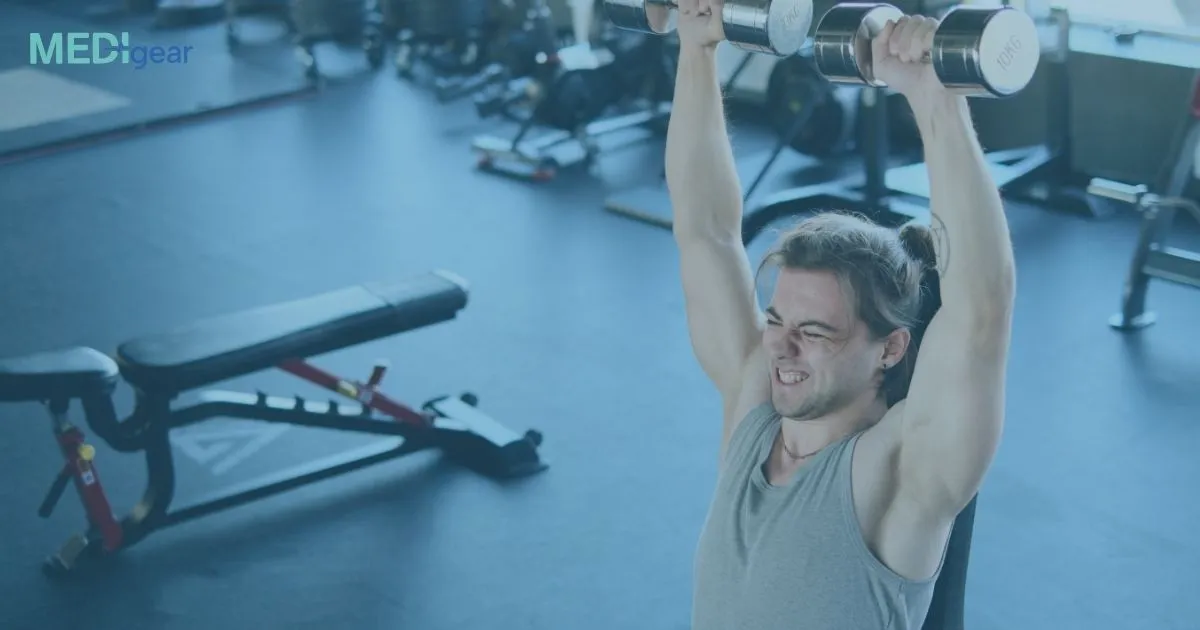
Strength training and physical activity help maintain muscle size and function.
Poor Nutrition
Muscles require proper nutrition to grow and stay healthy. A diet lacking essential nutrients can lead to muscle loss.
Important nutrients for muscle health include:
• Protein
• Vitamin D
• Calcium
• Iron
• Healthy fats
Low protein intake is one of the most common reasons for muscle loss. Protein provides amino acids that are necessary for muscle repair and growth.
Eating too few calories can also cause the body to break down muscle for energy.
Chronic Stress
Long term stress can affect muscle health through hormonal changes. Stress increases the level of cortisol, a hormone that can break down muscle tissue when present in high amounts.
High cortisol levels may cause:
• Reduced muscle growth
• Increased fat storage
• Fatigue
• Weakness
Managing stress is important for maintaining both mental and physical health.
Poor Sleep Quality
Sleep is essential for muscle recovery and hormone production. During sleep, the body releases growth hormone and testosterone, which help repair muscle tissue.
Lack of sleep may lead to:
• Reduced muscle recovery
• Lower testosterone levels
• Increased fatigue
• Reduced physical performance
Adults should aim for about seven to eight hours of good quality sleep each night.
Medical Conditions
Certain medical problems can cause muscle loss in men.
Examples include:
• Diabetes
• Thyroid disorders
• Chronic kidney disease
• Liver disease
• Neurological conditions
These conditions may affect metabolism, hormone levels, or nerve function, leading to muscle weakness.
Long term illness or hospitalization can also cause rapid muscle loss due to inactivity.
Alcohol and Smoking
Excessive alcohol use can interfere with protein synthesis, which is necessary for muscle growth. It may also reduce testosterone levels.
Smoking affects blood circulation and reduces oxygen supply to muscles. Poor circulation can weaken muscle tissue over time.
Avoiding these habits helps protect muscle health.
Weight Loss Without Exercise
Rapid weight loss without proper nutrition or exercise can cause the body to lose muscle along with fat.
When calorie intake is very low, the body may use muscle tissue for energy. This is why healthy weight loss should include both balanced diet and strength training.
Signs of Muscle Loss
Muscle loss often develops slowly, but some common signs include:
• Reduced strength
• Difficulty lifting objects
• Feeling tired easily
• Smaller muscle size
• Poor balance
• Slower physical performance
Recognizing these signs early can help prevent further muscle loss.
How to Prevent Muscle Loss in Men
Muscle loss can often be slowed or prevented through healthy habits.
- Regular Strength Training- Resistance exercises help maintain and build muscle. Activities such as weight lifting, body weight exercises, and resistance bands are effective.
- Eat Enough Protein- Protein rich foods support muscle repair and growth. Good sources include eggs, dairy products, beans, nuts, fish, and lean meat.
- Stay Physically Active- Daily movement keeps muscles strong. Walking, stretching, and sports help maintain muscle function.
- Get Enough Sleep- Proper sleep supports hormone balance and muscle recovery.
- Maintain Healthy Hormone Levels- Regular health checkups can help detect hormonal problems early.
- Manage Stress- Relaxation techniques, exercise, and healthy routines help control stress hormones.
Importance of Maintaining Muscle Mass
Healthy muscle mass is important for overall health. Strong muscles help with daily activities, support metabolism, and protect bones and joints.
Maintaining muscle also reduces the risk of falls, injuries, and chronic diseases as men grow older.
Conclusion
Muscle loss in men can occur due to aging, lack of exercise, poor nutrition, hormonal changes, stress, medical conditions, and unhealthy habits. Although some muscle loss is natural, many causes are related to lifestyle and can be prevented.
Regular exercise, balanced nutrition, good sleep, and stress management play an important role in maintaining muscle strength. By taking care of these factors, men can stay strong, active, and healthy at every stage of life.