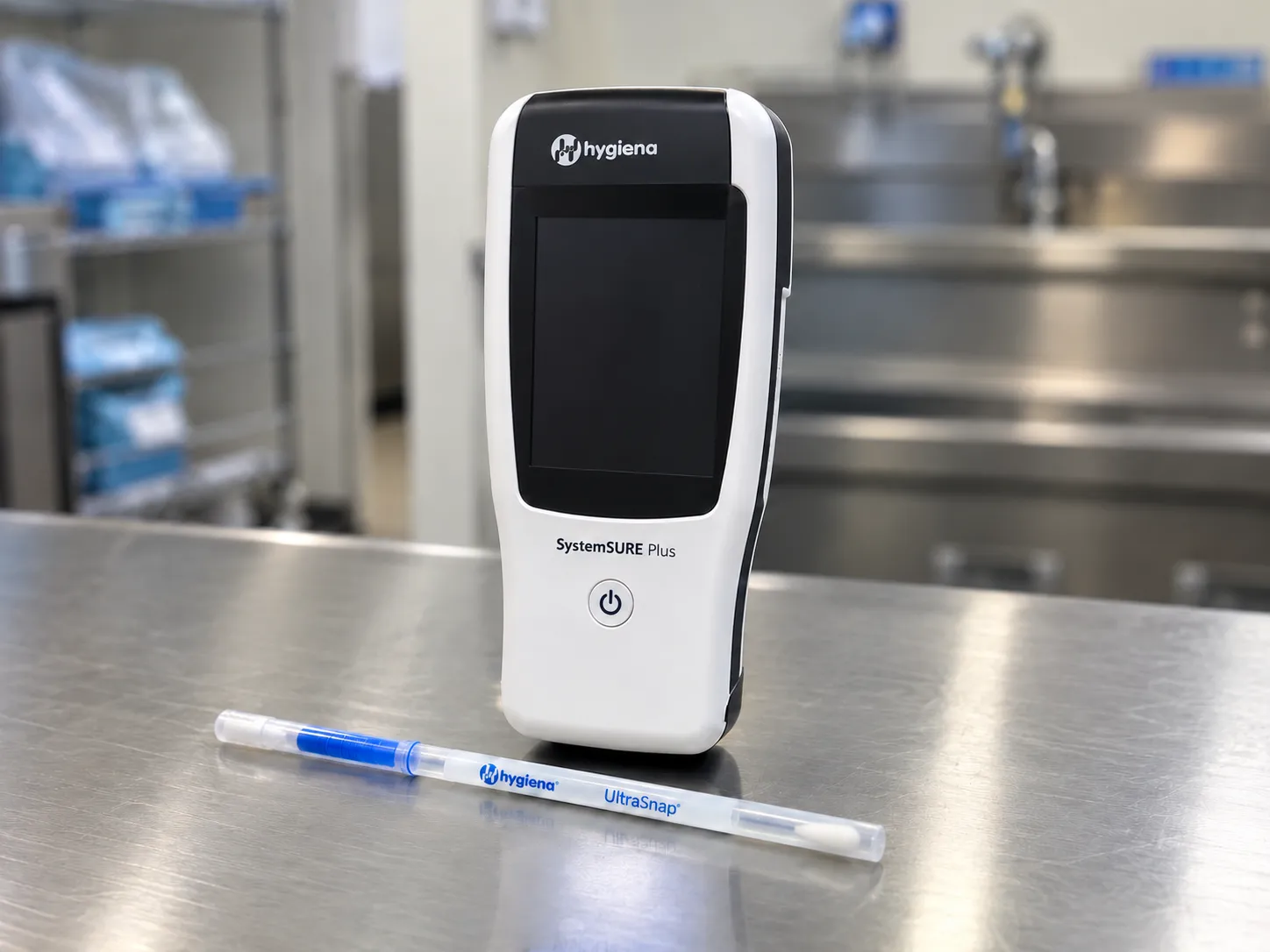
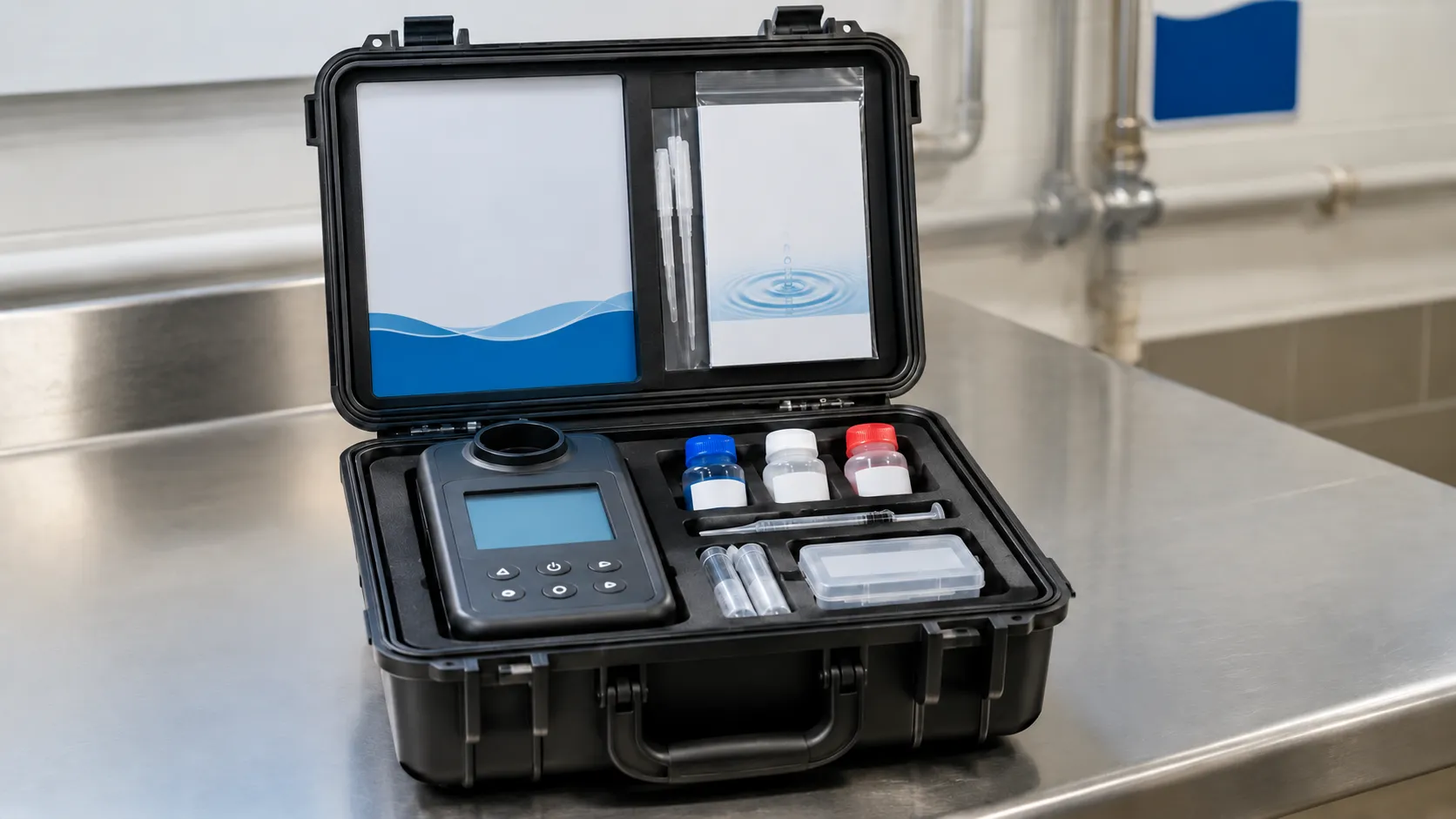
Water testing kits for Legionella screening are the sampling and analysis consumables that let a hospital check its hot and cold water systems for Legionella bacteria and related waterborne risks. A kit typically pairs sterile sample bottles containing a chlorine neutraliser with a defined sampling protocol, then feeds the sample to a laboratory for culture, PCR or a rapid test. The output is a bacterial count that drives the control decisions required by law.
For estates and procurement, the kit is inseparable from the regulatory duty behind it: sampling has to fit a written water safety plan, not sit alongside it.
The regulatory backdrop
Control of legionella in water systems is a legal duty under the HSE Approved Code of Practice L8, with practical detail in the HSG274 guidance, Part 2 covering hot and cold water systems. Healthcare premises add HTM 04-01 (safe water in healthcare premises), which sets tighter expectations for augmented care areas such as neonatal units, intensive care and haemato-oncology. Sampling frequency, sites and action levels all flow from a documented water safety plan overseen by a water safety group.
How samples are taken
Representative sampling is a discipline in itself. Legionella samples are usually one-litre volumes drawn into sterile bottles dosed with sodium thiosulphate to neutralise residual chlorine, so bacteria are not killed in transit. Protocols distinguish pre-flush samples, taken immediately on opening an outlet to capture what a user would receive, from post-flush samples after running and disinfecting the outlet, which assess the wider system. Water temperatures are logged at the same time, because control relies on keeping hot water above 50-55°C and cold below 20°C. Samples are transported cool and analysed promptly.
Analysis methods compared
Culture
Culture to ISO 11731 is the reference method. Water is filtered or concentrated, plated on selective media and incubated, giving a viable count in CFU per litre. It is definitive and required for regulatory action decisions, but takes up to ten days, during which the system keeps running.
qPCR
Quantitative PCR to ISO 12869 detects Legionella DNA and reports genomic units per litre within hours. It is fast and sensitive, useful for screening and outbreak response, but it detects dead as well as live organisms, so a positive PCR is usually confirmed by culture before action levels are applied.
Rapid and general-water tests
Lateral-flow rapid Legionella tests give an on-site indication for triage. Separately, dip slides - agar-coated paddles dipped into a sample and incubated - give a general total viable count for cooling systems and general water quality, though they are not a substitute for Legionella-specific analysis.
Temperature, flushing and outlet checks
Sampling sits inside a wider monitoring routine that a kit has to support. Temperature is the primary control, so monthly checks at sentinel outlets confirm hot water reaches the thermostatic mixing valve above 50-55°C within a minute and cold stays below 20°C. Little-used outlets are the classic risk, which is why flushing regimes and dead-leg removal matter and why sampling often targets low-use points. Outlet components - spray taps, flow straighteners, flexible hoses, nd thermostatic mixing valves - harbour biofilm, so surface sampling swabs on the outlet itself, not just the water, are part of a thorough survey. Touch-free fittings such as knee-operated taps cut hand contact at the point of use but still need the same biofilm checks. A good kit therefore bundles calibrated temperature measurement and outlet swabs alongside the bulk water bottles.
Augmented care and Pseudomonas
The highest-risk patients drive the tightest monitoring. HTM 04-01 Part B addresses Pseudomonas aeruginosa in augmented care - units such as neonatal intensive care, adult and paediatric ICU, haemato-oncology and transplant wards where patients are severely immunocompromised or have breached skin. Here, water at critical outlets - clinical wash-hand basins and surgical scrub sinks, among them - is sampled for Pseudomonas, typically to ISO 16266, on a routine basis, and any detection prompts a defined response including outlet management and review, rather than the graded action levels used for Legionella. Kits for these areas need sterile bottles suited to the smaller point-of-use volumes and swabs for the outlet, and the analysing laboratory must be accredited for the Pseudomonas method as well as for Legionella.
Interpreting the numbers
Under HSG274, Legionella results below 100 CFU/L are generally acceptable with the system under control, 100-1000 CFU/L prompt review and resampling, and above 1000 CFU/L require immediate action. In augmented care, HTM 04-01 also drives routine screening for Pseudomonas aeruginosa to ISO 16266, where detection at critical outlets triggers action regardless of a Legionella result. Kits used in these areas must therefore support more than one target.
General water quality and dip slides
Not every water check is Legionella-specific. For cooling systems, general-purpose water and quick site indications, dip slides give a total viable count: an agar-coated paddle is dipped into the water, incubated, and read against a density chart in CFU/mL. They are inexpensive and immediate but coarse, and they do not identify Legionella or Pseudomonas, so they screen general microbial load rather than replace accredited analysis. Alongside microbiology, routine water monitoring often records parameters such as temperature and w, where relevant d, and disinfectant residual, so the chemistry supporting control is documented too. A kit that separates definitive Legionella sampling from these lower-tier general checks keeps each result interpreted correctly rather than one method being pushed beyond what it can tell you.
What a Legionella sampling kit contains
-
Sterile one-litre bottles pre-dosed with sodium thiosulphate to neutralise chlorine.
-
Outlet swabs and smaller bottles for point-of-use and Pseudomonas sampling in augmented care.
-
A calibrated thermometer or probe to record hot and cold temperatures at each point.
-
Cool-box packaging to keep samples chilled and stable during transport.
-
Chain-of-custody and sample-record forms tying each bottle to a specific outlet and time.
-
A defined pre-flush and post-flush protocol matched to your water safety plan.
What a positive result sets in motion
A result above an action level is the start of a process, not just a number to file. The water safety group reviews the finding against the system context - recent temperature records, works, low usage, or a failed disinfection - and decides on resampling, remedial disinfection such as thermal or chemical treatment, and outlet or system measures, escalating to the responsible person and infection prevention team where patient risk is involved. A waterborne organism that reaches a vulnerable patient can surface as a bloodstream infection flagged by blood culture systems, so the two monitoring streams inform each other. Confirmatory culture usually follows a rapid or PCR-positive result before major action is taken. A good kit and laboratory relationship supports this by giving clear, promptly reported results and easy resampling, so the loop from detection to control decision is short. The sampling programme exists precisely to catch these signals early, while the system is still straightforward to bring back under control.
Choosing a laboratory and kit
The kit is only as good as the laboratory reading it. Verify the lab holds UKAS accreditation for ISO 11731 Legionella culture and for any Pseudomonas or PCR method you need, and confirm turnaround times against your risk profile. Check that bottles arrive sterile with in-date neutraliser, that packaging keeps samples cool, and that the provider supports the sampling frequency your water safety plan demands. Consistent kits and one accredited lab keep results comparable over time. To set up recurring supply across sites, MediGear buyer accounts can consolidate water-testing consumables, and our team can help align kits to your monitoring schedule. General duty-holder guidance is published on GOV.UK.
Running a dependable programme
Legionella screening is not a one-off test but a scheduled, documented programme underpinned by law. Choose kits that neutralise chlorine, capture the right pre- and post-flush samples and support Legionella, Pseudomonas and temperature data together, then pair them with a UKAS-accredited laboratory. Done well, sampling turns a legal duty into genuine assurance that your water systems are safe. Source accredited-lab-backed water testing kits through MediGear.
Disclaimer
This article is for informational purposes only. It is published by MediGear (medigear.uk) for general information and procurement guidance, and is not clinical, diagnostic, treatment, technical, engineering, legal or regulatory advice, nor a product endorsement, guarantee or substitute for professional assessment. MediGear does not provide medical consultations. Buyers should consult their clinical, biomedical, estates and regulatory contacts, and the manufacturer's documentation, and independently verify all specifications, certifications, compatibility and suitability before purchase. Specifications, certifications and availability are correct at the time of publication and may change without notice. MediGear is a medical-equipment distributor and does not sell medicines or pharmaceutical products.