Medical equipment storage planning helps healthcare facilities protect devices while keeping them identifiable and accessible. Poorly planned storage can lead to damaged cables, depleted batteries, missing accessories, unsuitable environmental exposure and delays when equipment is required.
For healthcare buyers planning medical equipment implementation, storage requirements should be considered before purchase approval is granted. Equipment dimensions, weight, packaging, charging needs, accessories, and the manufacturer's environmental limits can affect the space and infrastructure required.
Clinical departments, biomedical engineers, facilities teams, stores personnel and procurement managers may all hold storage responsibilities. These roles should be documented so that equipment does not remain unregistered, uninspected or unavailable between delivery and operational use.
A structured storage plan improves equipment protection, stock visibility and lifecycle control across healthcare facilities.
Define Storage Needs Before Equipment Arrives
Storage planning should begin when equipment requirements and quantities are being prepared.
Equipment dimensions — Record the width, depth and height of each item, including trolleys, accessories and protective cases.
Equipment weight — Confirm that floors, shelves, racks, and lifting arrangements can safely support the equipment.
Quantity planning — Consider current orders, replacement stock, loan devices and expected future purchases when calculating capacity.
Storage duration — Equipment awaiting installation may require different controls from devices stored temporarily between clinical uses.
Operational status — Separate equipment awaiting inspection, approved for use, under repair, restricted or scheduled for disposal.
Packaging requirements — Some equipment should remain in protective export or manufacturer packaging until the installation area is ready.
Charging requirements — Mobile equipment may require controlled access to power without creating cable hazards or overloading sockets.
Accessory volume — Probes, batteries, cables, trolleys, consumables and reusable components may need dedicated storage space.
In practice, healthcare buyers often find that accessory and packaging requirements occupy more space than the equipment dimensions alone would suggest.
Storage capacity should be confirmed before delivery dates are finalised.
Match Storage Controls to Equipment and Facility Types
Different equipment categories and healthcare settings may require different storage arrangements.
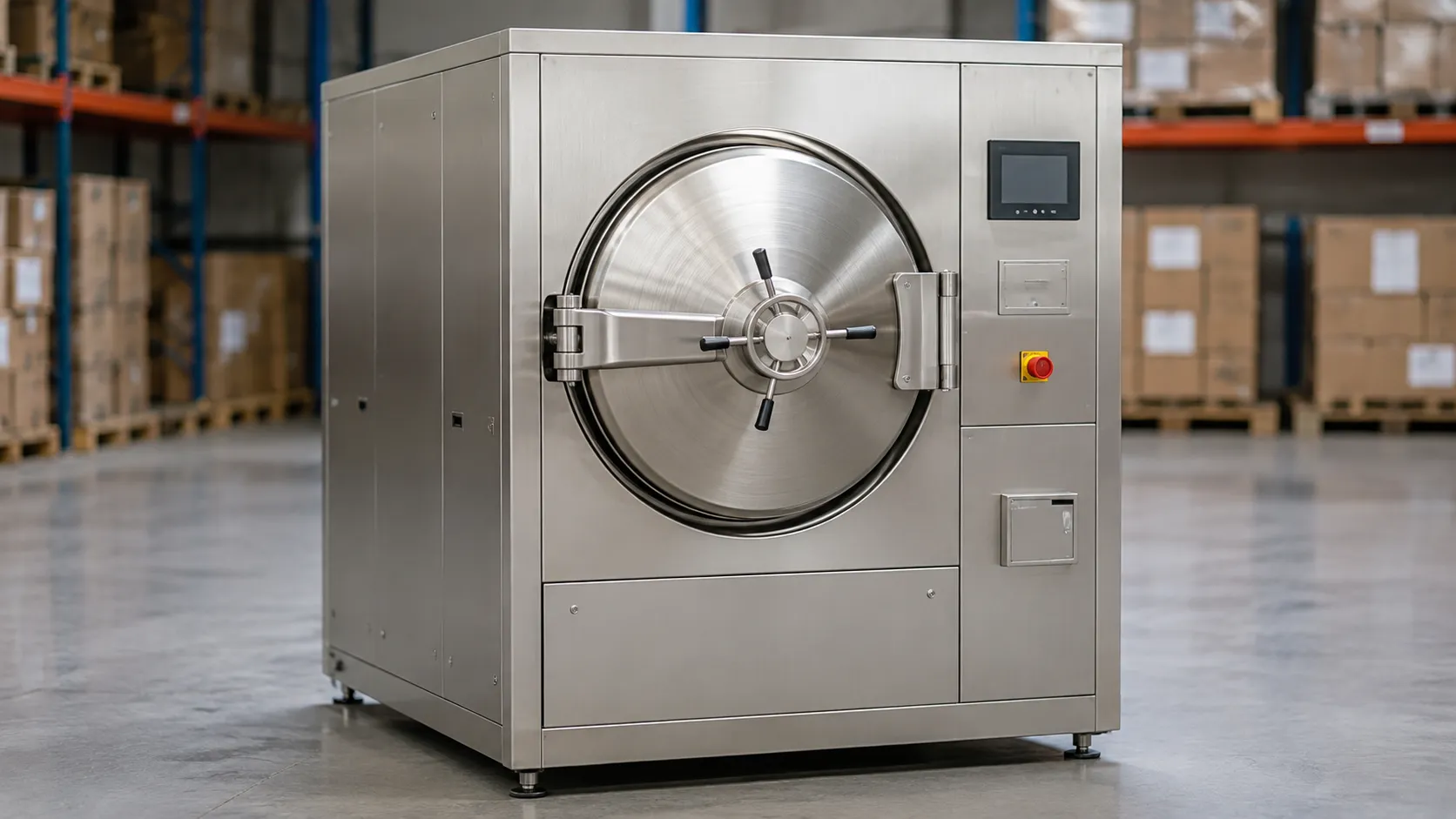
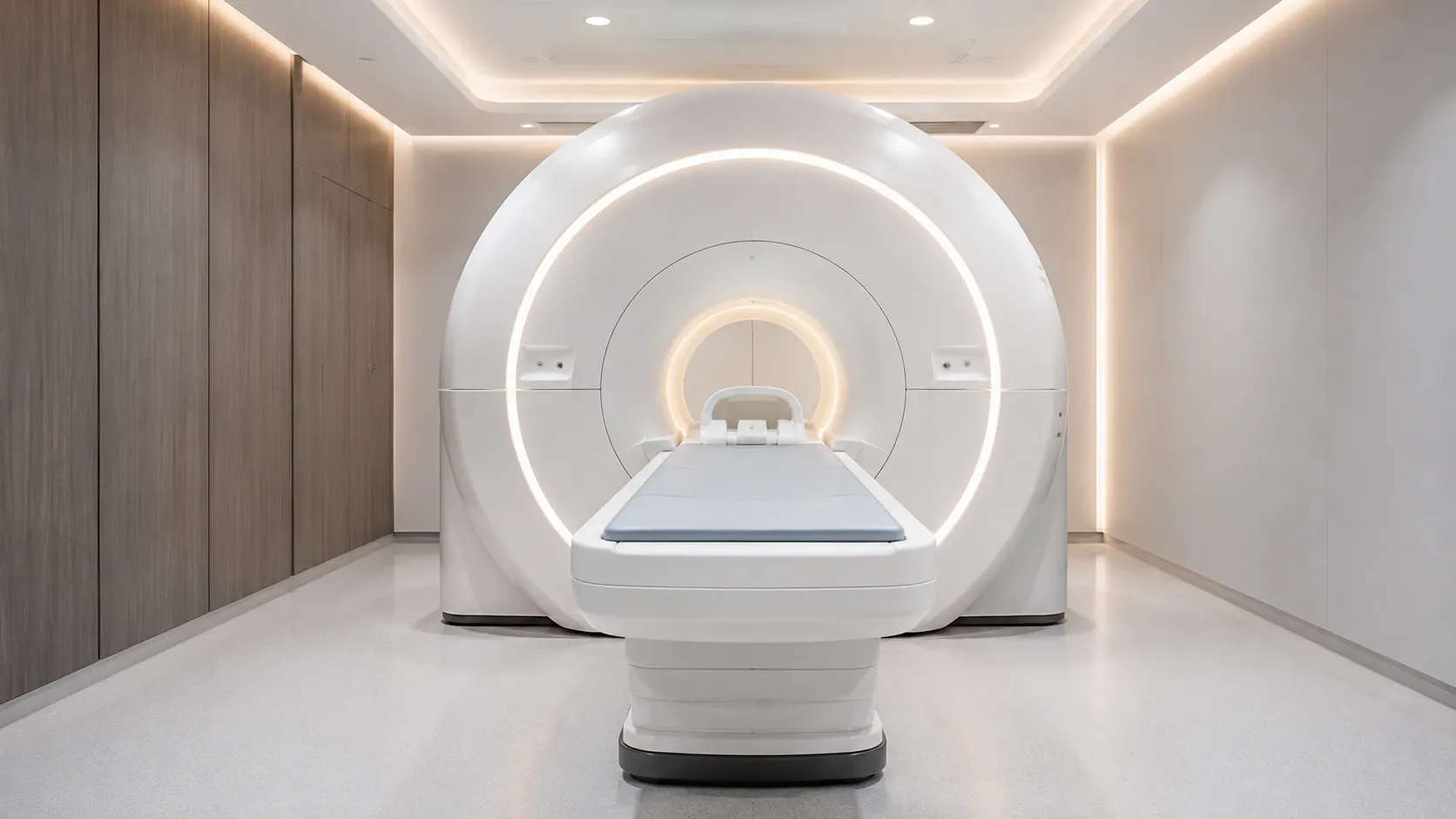
Fixed diagnostic equipment — Large systems awaiting installation may require controlled access, stable flooring and protection from construction dust or moisture.
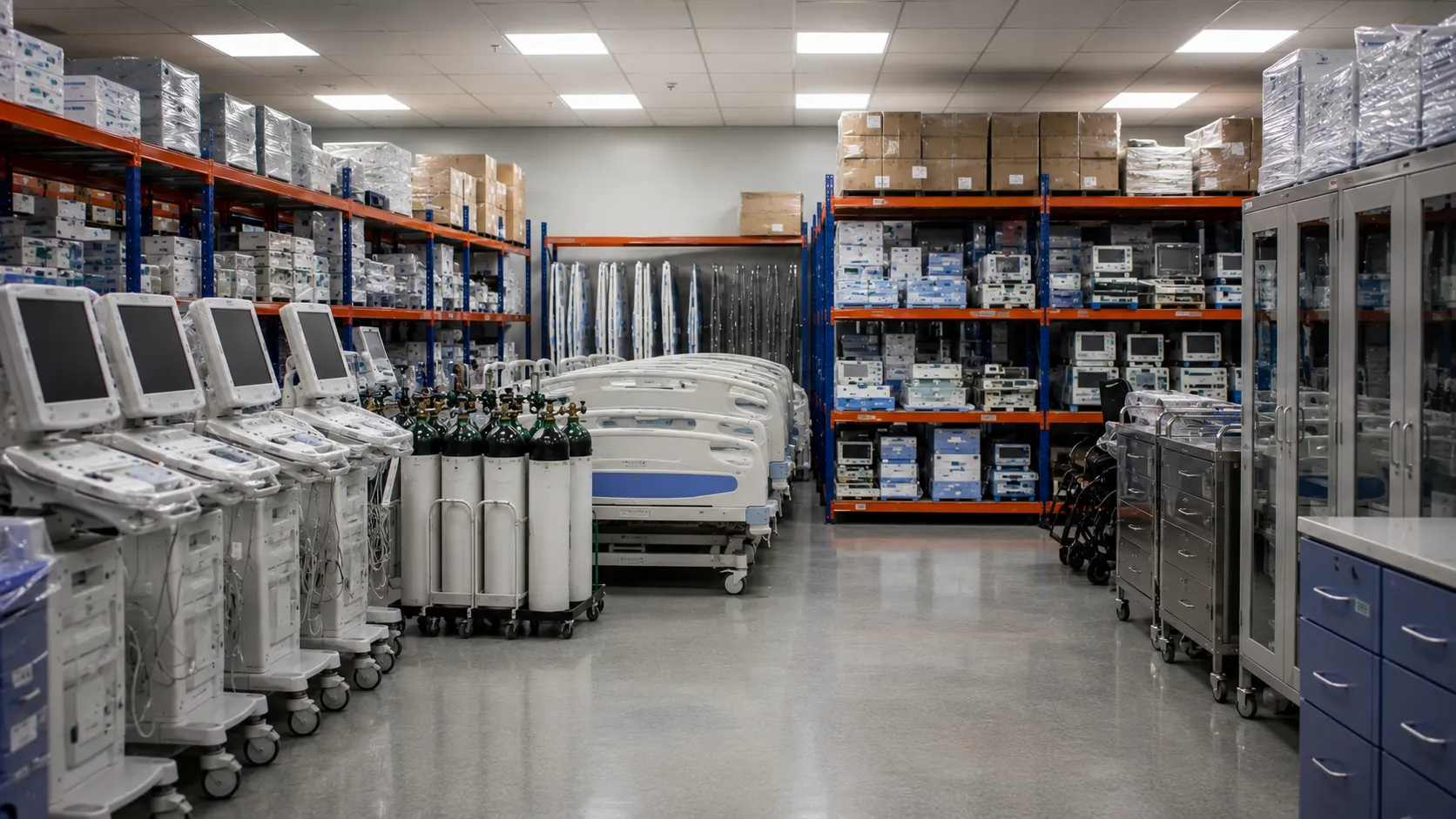
Mobile clinical equipment — patient monitors, infusion devices, portable imaging units, and trolleys — should have defined home locations and charging points.
When working with specialist medical equipment supply networks, healthcare facilities should request model-specific storage, handling and environmental instructions before shipment.
Laboratory equipment — Analysers, refrigeration systems and calibration equipment may have orientation, temperature or vibration limits.
Surgical equipment — Equipment and reusable accessories may require separation based on condition, processing status, and departmental procedures.
Critical care equipment — Devices should remain accessible enough for urgent operational demand while still protected from unauthorised removal.
Rehabilitation equipment — Wheelchairs, mobility aids, and therapy systems — require suitable floor space and controlled organisation to prevent obstruction.
Community clinics — Smaller facilities may need compact storage layouts with clear priority for frequently used equipment.
Mobile healthcare services — Portable systems may need transport cases, battery controls and records showing which team or vehicle holds the equipment.
Multi-facility healthcare groups — Standard storage statuses and location codes can improve transfers between sites.
Experienced clinical supply managers typically adapt storage controls to equipment mobility, criticality and frequency of use.
Control Environmental and Physical Storage Conditions
Storage areas should protect equipment from conditions that may affect performance or appearance.
Temperature control — Confirm the permitted storage temperature for each equipment category and monitor areas where conditions may fluctuate.
Humidity control — Excess moisture can affect electronics, packaging, metal surfaces and optical components.
Dust protection — Equipment awaiting installation should remain protected from construction work, open doors and unsuitable ventilation.
Light exposure — Selected plastics, batteries, packaging and sensitive components may require protection from direct sunlight.
Floor condition — Storage floors should remain level, dry and suitable for moving heavy equipment.
Shelving suitability — Shelves should support the weight and dimensions of stored items without overhanging or unstable stacking.
Equipment spacing — Allow enough room for inspection, cleaning, charging and safe removal.
Cable management — Power leads, patient cables and accessories should be arranged to prevent crushing, tangling or trip hazards.
Battery condition — Inspect batteries for damage, leakage, swelling or reduced charging performance.
Protective covers — Covers should remain compatible with ventilation and manufacturer requirements.
Pest and contamination control — Storage areas should be maintained in accordance with facility procedures and kept free of unsuitable waste or unrelated materials.
Fire and emergency access — Equipment should not block doors, extinguishers, electrical panels or evacuation routes.
One aspect that surprises first-time buyers is that equipment can deteriorate in storage, even if it has never been put into routine operation.
Environmental and physical checks should be recorded when equipment is stored for extended periods.
Coordinate Suppliers, Deliveries and Commercial Responsibilities
Storage arrangements should be connected to supplier delivery schedules and project responsibilities.
Delivery timing — Equipment should not arrive before suitable storage or installation areas are available.
Package dimensions — Suppliers should provide crate, pallet and package measurements for access and storage planning.
Supplier information accuracy — Medical equipment manufacturers advertising products for global hospital buyers should ensure that handling, storage and package information matches the delivered configuration.
Unloading responsibility — Confirm who provides lifting equipment, unloading personnel and movement into the storage area.
Delivery inspection — Packaging, labels, quantities, accessories and visible damage should be checked before the equipment is accepted into storage.
Insurance responsibility — Clarify responsibility for damage during freight, unloading and temporary storage.
Storage charges — International or delayed projects should identify whether warehouse, port or supplier storage charges may apply.
Installation schedule — Delivery, storage release and installation dates should remain coordinated.
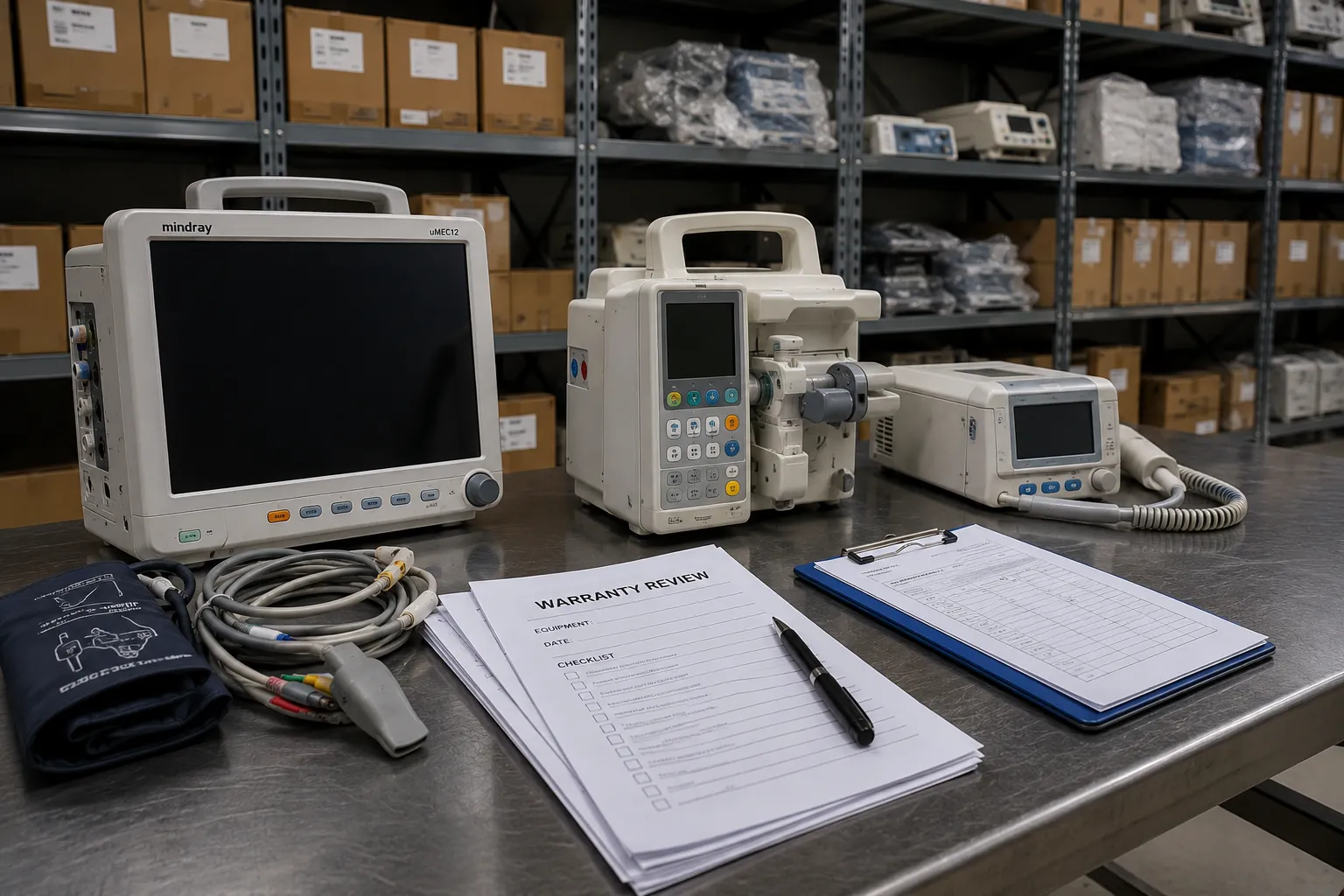
Warranty activation — Confirm whether the warranty begins at shipment, delivery, installation or commissioning.
Supplier access — Define when supplier engineers may inspect, configure or remove equipment from storage.
Damage reporting — Establish a process for recording packaging damage, environmental exposure or handling incidents.
Healthcare groups managing staged deliveries or multi-site projects may benefit from structured international medical equipment sourcing partnerships.
Each shipment should still have documented responsibilities for delivery, inspection, storage, and release.
Implement Inventory, Access and Handling Controls
Equipment should remain traceable from receipt through storage and operational handover.
Asset registration — Record the manufacturer, model, serial number, asset number and current storage location.
Storage location code — Assign a specific room, zone, rack, shelf or floor position where practical.
Status identification — Use controlled statuses such as awaiting inspection, approved, reserved, under repair or restricted.
Access control — Limit entry to authorised personnel for high-value, sensitive, or approval-pending equipment.
Movement records — Document transfers between stores, clinical departments, engineering workshops and installation areas.
Issue procedure — Equipment should leave storage only after required approvals, inspections, and documentation are complete.
Accessory control — Keep probes, modules, batteries, cables and manuals linked to the correct equipment.
Loan-equipment records — Record temporary ownership, maintenance responsibility, location and expected return date.
Cleaning status — Shared and returned equipment should have a clear ready-for-use, awaiting-cleaning or restricted status.
Maintenance status — Prevent equipment with overdue service or inspection from being issued unintentionally.
Handling training — Staff moving equipment should understand lifting, trolley, brake, orientation and packaging requirements.
Periodic physical checks — Compare stored equipment with inventory records and investigate missing or unidentified items.
Simple location and status controls help healthcare teams find the correct equipment without repeatedly moving unrelated assets.
Review Stored Equipment and Approve Release
Equipment condition and documentation should be checked before operational use or installation.
Scheduled inspections — Review stored equipment at intervals appropriate to its condition, value and storage duration.
Packaging condition — Check for crushing, water exposure, broken seals, corrosion indicators or other transport-related concerns.
Equipment condition — Inspect housings, displays, wheels, cables and connectors before release.
Battery readiness — Confirm charging status, battery condition and any required conditioning process.
Accessory completeness — Verify the presence of probes, sensors, chargers, manuals, modules, and installation components.
Documentation availability — Confirm that delivery, warranty, manual and applicable compliance records are accessible.
Software and licence status — Connected equipment may require current licences, approved versions and configuration checks.
Maintenance due dates — Equipment stored for extended periods may require inspection, servicing or calibration before use.
Corrective actions — Assign owners and completion dates for damaged packaging, missing accessories or incomplete documents.
Release approval — Clinical, technical or procurement representatives should approve the equipment before installation or issue.
Healthcare facilities seeking equipment quotations, storage support or international supply coordination can contact the Medigear.uk team for medical equipment assistance. Enquiries should include the equipment category, dimensions, quantity, condition, destination and delivery schedule.
Storage records should be linked to delivery inspection, commissioning, maintenance, and asset management.
Final thoughts
Medical equipment storage planning should begin before devices arrive at the healthcare facility.
Storage areas should provide suitable capacity, environmental protection, access control and equipment traceability. Mobile devices, batteries, accessories and equipment awaiting installation may require different controls.
Disclaimer
Medigear.uk is a global medical equipment supplier, exporter, and distributor. The content published on this site is intended for educational and product awareness purposes only. Nothing on this page constitutes medical advice, clinical guidance, or treatment recommendations. All healthcare procurement and clinical decisions should be made by qualified medical professionals and compliant procurement teams operating within the regulatory frameworks of their respective countries.