Hospital equipment requirements forecasting helps healthcare organisations estimate which devices will be needed, how many units to purchase, and when they must become operational. Weak forecasts can result in equipment shortages, unnecessary duplication, unsuitable specifications or products arriving before rooms and services are ready.
For healthcare buyers planning medical equipment requirements, forecasting should begin before quotations and budgets are finalised. Clinical service volumes, department capacity, existing assets, replacement priorities and implementation schedules should all contribute to the forecast.
Clinical leaders, healthcare planners, biomedical engineers, procurement specialists, facilities managers and finance teams may hold different parts of the required information. Their assumptions should be documented and reviewed through one coordinated process.
A structured forecast provides healthcare organisations with a clearer basis for specifications, capital budgets, supplier discussions, and phased procurement.
Define Service Demand and Planning Assumptions
The forecast should begin with the healthcare services the organisation expects to provide.
Clinical service scope — Identify the departments, procedures, examinations, treatments and support functions included in the plan.
Patient volumes — Estimate daily, monthly and annual patient numbers using approved service-planning data.
Procedure volumes — Calculate expected tests, scans, operations, consultations or treatment sessions for each department.
Operating hours — Record whether services will operate during standard hours, extended shifts or continuously.
Procedure duration — Estimate how long each examination or procedure occupies the equipment, including preparation and turnaround time.
Utilisation target — Set a realistic percentage of available operating time rather than assuming that equipment can run continuously.
Service growth — Include expected increases in patient demand, clinical programmes or referral activity.
Peak demand — Review busy periods, emergency requirements and seasonal changes that may exceed average workload.
In practice, healthcare planners often find that equipment quantities are underestimated when cleaning, setup, maintenance, and staff changeover time are excluded.
Every planning assumption should have an identified source, owner and review date.
Adapt Forecasting to Departments and Healthcare Settings
Different facilities and departments require different forecasting methods.
New hospital projects — Forecasts should align with approved bed numbers, departments, service volumes and phased opening dates.
Existing hospitals — Current equipment inventories, utilisation and condition should be reviewed before additional units are requested.
When comparing verified international medical equipment suppliers, healthcare teams should confirm that available models, configurations and delivery periods match the forecast requirements.
Critical care departments — Forecasts may need to account for bed coverage, isolation areas, backup units and continuous operation.
Operating theatres — Requirements may be based on theatre numbers, operating schedules, speciality mix and equipment-sharing arrangements.
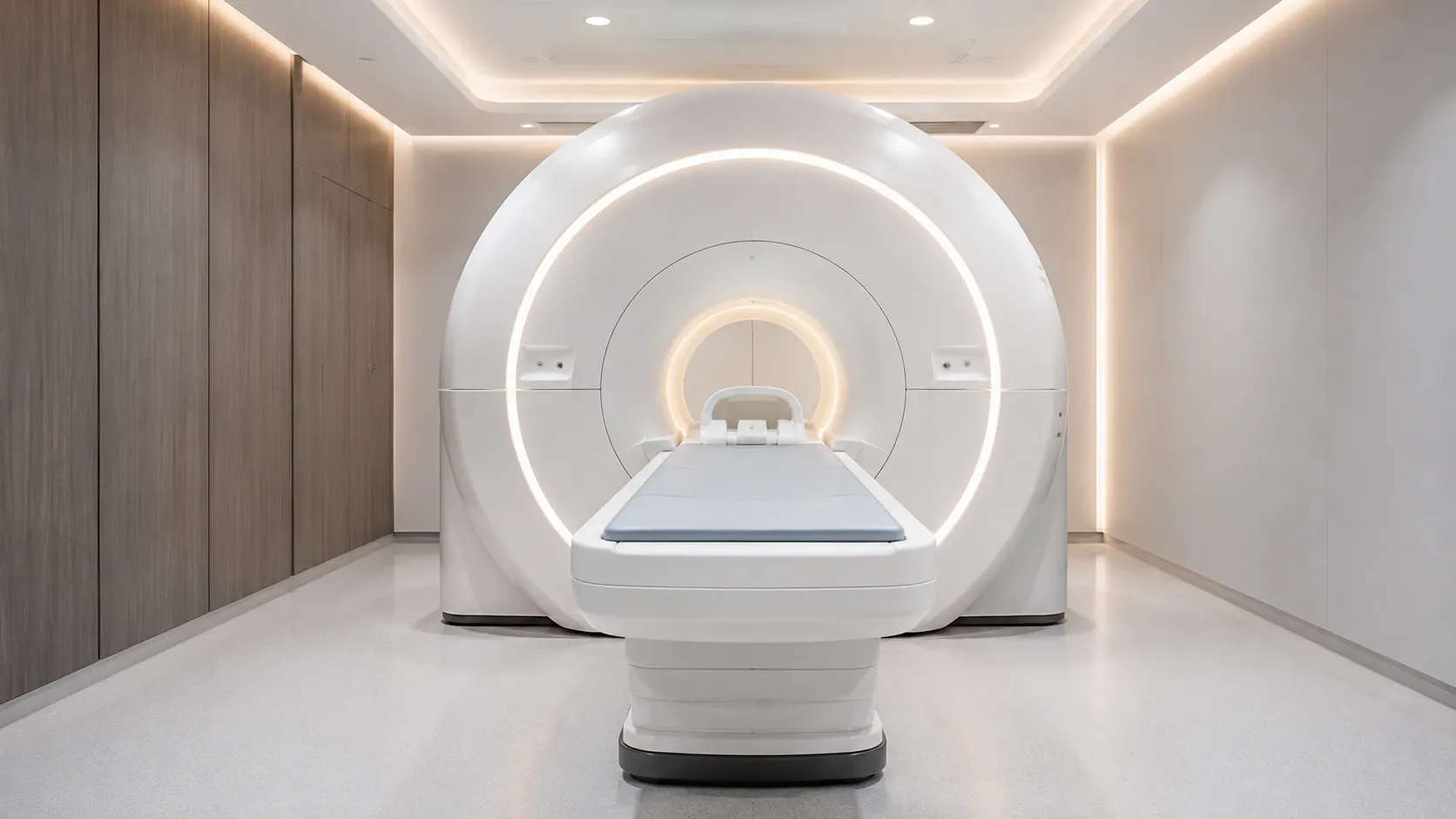
Imaging departments — Forecasts should consider examination types, scan duration, patient preparation, reporting workflow and maintenance downtime.
Laboratories — Equipment quantities may depend on sample volumes, analyser throughput, peak workload and backup testing capacity.
Outpatient clinics — Requirements should reflect consultation rooms, speciality services and expected patient turnover.
Emergency services — Forecasting should account for unpredictable demand, rapid access and equipment that cannot be shared across distant areas.
Community and remote facilities — Limited technical support and long delivery times may increase the need for durable equipment, spares or backup capacity.
Multi-facility groups — Shared purchasing and equipment transfers may reduce duplication when travel and response times remain practical.
Experienced healthcare managers typically apply one forecasting framework while adjusting the assumptions for each service environment.
Convert Workload into Equipment Quantities
Service-demand information must be translated into realistic equipment numbers.
Basic quantity calculation — Divide the total required equipment time by the usable operating time available from one unit.
Available operating time — Exclude planned maintenance, cleaning, calibration, setup and known service interruptions.
Utilisation allowance — Avoid planning equipment at full theoretical capacity, as unexpected delays and demand fluctuations will occur.
Turnaround time — Include cleaning, patient transfer, accessory changes and room preparation between uses.
Backup requirement — Determine whether essential services need standby units during faults or preventive maintenance.
Location requirement — Equipment may need to remain within specific rooms or departments even when average utilisation appears low.
Workflow dependency — Consider whether multiple activities require the same device simultaneously.
Shared-equipment feasibility — Review transport time, charging, cleaning, storage and responsibility before assuming that departments can share units.
Accessory quantities — Calculate probes, cables, batteries, modules, trolleys and reusable accessories separately from the main equipment.
Consumable demand — Forecast recurring products according to equipment workload, storage life and supplier lead time.
Replacement quantities — Separate additional capacity from equipment required to replace ageing or unsupported assets.
Contingency allowance — Include an approved allowance for demand uncertainty, equipment failure or project changes where justified.
One aspect that surprises first-time planners is that the calculated average quantity may be insufficient when several departments require the same equipment during peak periods.
The calculation should remain transparent enough for clinical and finance teams to review each assumption.
Coordinate Supplier Capacity and Commercial Planning
The forecast should be tested against supplier availability, project budgets and procurement timelines.
Market availability — Confirm that equipment meeting the specification is available through suitable supply channels.
Configuration options — Suppliers should identify base units, accessories, software, installation and support included in each proposal.
Accuracy of supplier information — Medical equipment companies advertising solutions to healthcare buyers should ensure that capacity, lead-time and support claims match their formal quotations.
Manufacturing lead time — Customised or high-volume orders may require longer production periods.
Shipping and customs time — International orders should include export preparation, freight, clearance and final delivery.
Installation capacity — Confirm whether enough qualified engineers are available to install several units within the project schedule.
Training capacity — Large programmes may require multiple trainers, sessions, departments and competency checks.
Budget alignment — Compare the forecast with approved capital limits and expected annual procurement phases.
Complete project cost — Include accessories, software, freight, customs, installation, training and initial maintenance.
Framework or phased orders — Large requirements may be divided into controlled phases based on service opening and confirmed demand.
Commercial validity — Quotations should remain valid long enough to support approval and contracting processes.
Healthcare groups coordinating repeated or multi-site equipment forecasts may benefit from structured international partnerships for healthcare equipment.
Each procurement phase should still be checked against the latest service demand, budget and supplier capacity.
Validate Infrastructure and Lifecycle Requirements
The equipment forecast should remain realistic given the available facilities, workforce, and technical support environment.
Room capacity — Confirm that planned quantities can fit within clinical rooms, storage areas and engineering workshops.
Access routes — Review doors, corridors, lifts, loading areas and movement routes for large equipment.
Electrical requirements — Calculate sockets, circuit capacity, grounding, backup power and charging points.
Utilities and ventilation — Confirm water, drainage, medical gases, compressed air, cooling and environmental controls.
Network capacity — Connected systems may require interfaces, addresses, bandwidth, storage and cybersecurity controls.
Staff availability — Forecasts should reflect the number of trained clinical users and technical personnel available to operate and support the equipment.
Maintenance capacity — Consider engineering workload, preventive maintenance schedules, and calibration and repair response times.
Spare-parts support — Review critical components, local stock, supplier lead times and expected support periods.
Software lifecycle — Include licences, subscriptions, updates, integrations and future compatibility requirements.
Storage readiness — Equipment awaiting installation or shared between departments needs suitable storage and status control.
Cleaning workflow — Forecast enough units to allow required cleaning and turnaround without disrupting service capacity.
Replacement horizon — Estimate when each equipment group may require review, upgrade or replacement.
Forecasting should assess whether the healthcare organisation can install, operate, maintain, and store the proposed quantities of equipment.
Approve, Monitor and Update the Forecast
The forecast should remain controlled after the initial quantities have been calculated.
Forecast register — Record each equipment category, quantity, department, procurement phase and required operational date.
Assumption log — Document patient volumes, utilisation rates, operating hours and other calculation inputs.
Existing-asset adjustment — Identify which current assets will remain, transfer, undergo refurbishment or be replaced.
Priority classification — Rank requirements according to clinical importance, service opening and replacement urgency.
Budget status — Record whether each item is estimated, budgeted, approved, ordered, delivered or operational.
Change control — Require approval when quantities, specifications, departments or implementation dates change.
Actual utilisation review — Compare planned demand with real equipment use after services begin.
Supplier lead-time updates — Adjust procurement schedules when production, freight or installation periods change.
Replacement review — Update forecasts when existing assets become unreliable, unsupported or uneconomical to maintain.
Project milestone review — Reassess equipment needs when construction, recruitment or clinical opening dates change.
Final approval record — Retain clinical, technical, procurement and financial approval for the forecast.
Healthcare teams seeking equipment forecasts, quotations, or international sourcing support can contact the Medigear.uk team for assistance with hospital equipment planning. Enquiries should include the facility type, departments, expected capacity, equipment categories, quantities and destination.
A forecast should remain a working planning document rather than a fixed list created at the beginning of the project.
Final thoughts
Hospital equipment requirements forecasting connects service demand with equipment quantities, budgets and implementation schedules.
Healthcare teams should define patient volumes, procedures, operating hours, utilisation and backup requirements before calculating quantities. Existing equipment and replacement priorities should also be included.
Supplier lead times, infrastructure readiness, staff capacity and lifecycle support can materially affect whether the forecast is practical.
A structured and regularly updated forecast helps healthcare organisations reduce equipment shortages, control unnecessary purchases and coordinate procurement with operational demand.
Disclaimer
Medigear.uk is a global medical equipment supplier, exporter, and distributor. The content published on this site is intended for educational and product awareness purposes only. Nothing on this page constitutes medical advice, clinical guidance, or treatment recommendations. All healthcare procurement and clinical decisions should be made by qualified medical professionals and compliant procurement teams operating within the regulatory frameworks of their respective countries.