Medical equipment cleaning workflows help hospitals define how devices move from clinical use through cleaning, inspection, storage and return to service. Without a clear process, responsibilities may be duplicated, missed or assigned to staff who do not have the correct equipment instructions.
For hospital buyers and healthcare teams planning equipment implementation, cleaning requirements should be reviewed before procurement approval. Materials, reusable accessories, electronic components, manufacturer restrictions and department responsibilities can affect whether equipment is practical for the intended environment.
Clinical users, environmental services, infection-prevention personnel, sterile services and biomedical engineers may each hold different responsibilities. These responsibilities should be documented by equipment category rather than assumed from general job roles.
A controlled workflow helps hospitals protect equipment condition, reduce operational delays and maintain clear evidence that devices are ready for use.
Define Cleaning Governance and Responsibilities
The hospital should establish who controls equipment cleaning procedures and who completes each task.
Workflow owner — Assign a department to approve and maintain the equipment cleaning process.
Equipment owner — Identify the clinical department responsible for the device during routine operation.
Cleaning responsibility — State whether clinical users, environmental services, sterile services, or another authorised team is responsible for cleaning.
Technical responsibility — Biomedical engineers should advise where cleaning may affect electrical components, sensors, seals, displays or calibration.
Infection-prevention review — Relevant hospital specialists should review workflows against organisational policies and the equipment’s intended use.
Escalation responsibility — Define who should be contacted when instructions are missing, equipment is damaged, or contamination cannot be managed through the approved workflow.
Record responsibility — Identify who completes cleaning labels, digital records, handover forms or exception reports.
Approval authority — Establish who can authorise the equipment to return to use after cleaning or corrective work.
In practice, healthcare teams often find that shared equipment is left between departments because neither team believes it is responsible for cleaning.
A responsibility matrix should identify the equipment category, cleaning stage, responsible role and escalation route.
Adapt Workflows to Equipment and Clinical Settings
Cleaning processes should reflect the equipment design, clinical environment and movement between departments.
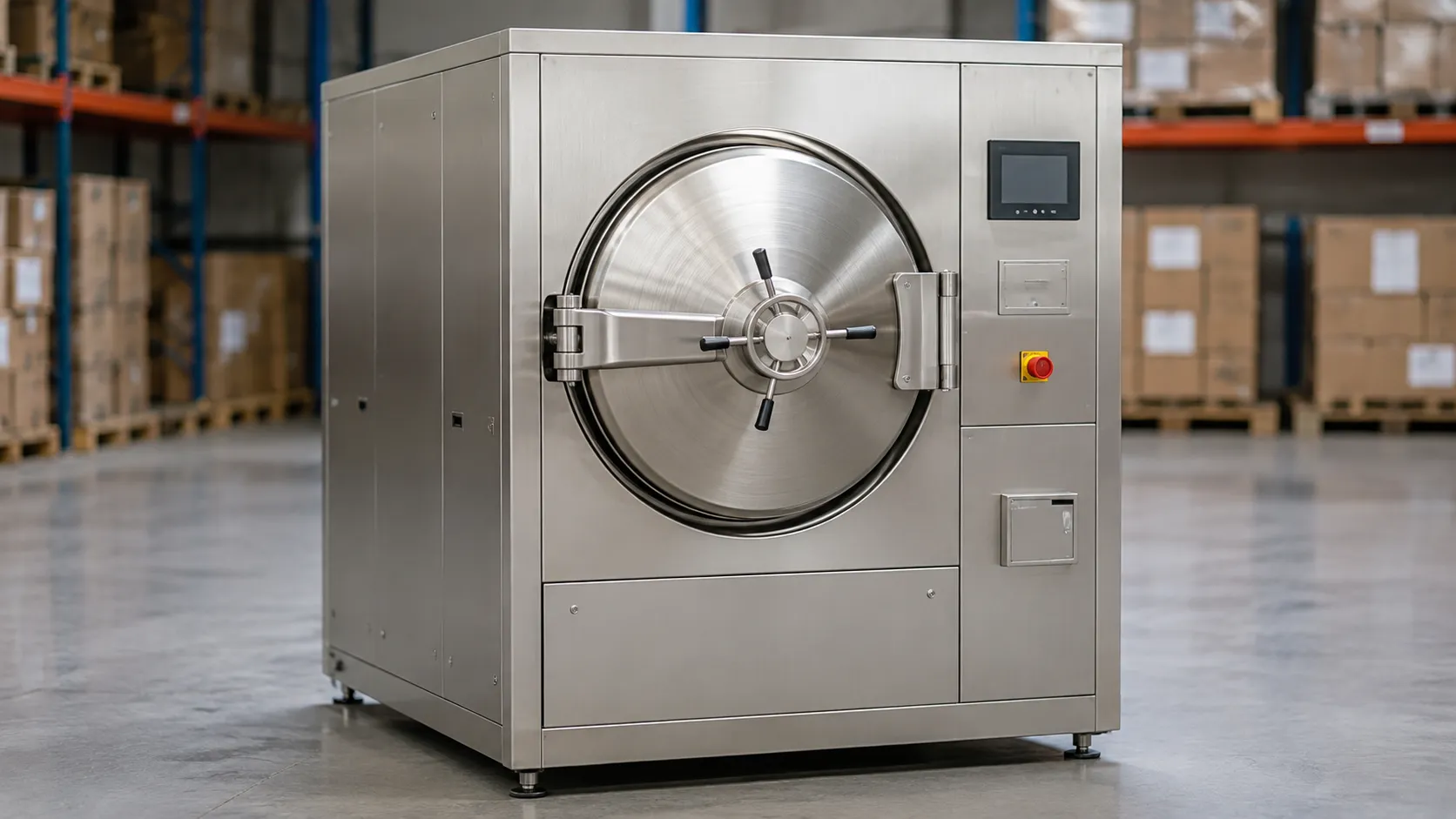
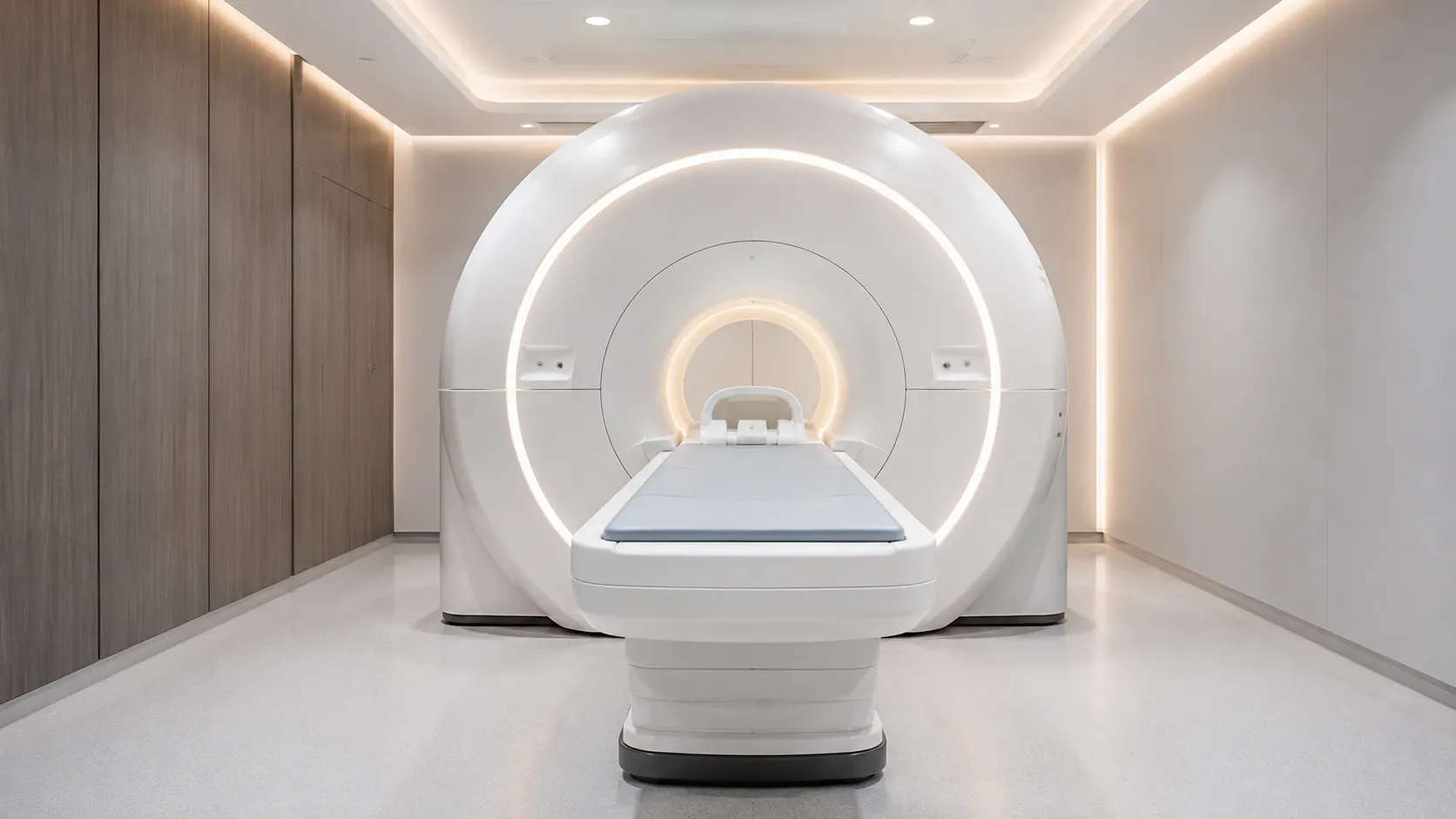
Fixed equipment — Imaging, laboratory and installed systems may require cleaning around screens, controls, cables and fixed surfaces without affecting connections or calibration.
Mobile equipment — Patient monitors, infusion devices, portable imaging systems and trolleys may move between rooms and require clear cleaning points.
When sourcing through regulated and certified medical equipment suppliers worldwide, hospitals should request current cleaning instructions for the exact model, accessories and delivered configuration.
Shared departmental equipment — Devices used by several clinical teams should have a defined home location and visible ready-for-use status.
Critical care equipment — Workflows should minimise delays while preserving controlled inspection and documentation.
Surgical equipment — Reusable components may require separation into different cleaning, disinfection or sterilisation processes according to approved instructions.
Laboratory equipment — Analysers, sample areas and removable components may require separate user and technical cleaning responsibilities.
Rehabilitation equipment — Patient-contact surfaces, supports and reusable accessories should be included in the workflow.
Mobile and remote services — Portable systems may require cleaning supplies, protected storage and status checks before transport.
Loan and demonstration equipment — Temporary devices should be reviewed, cleaned and documented before entry into clinical areas.
Experienced clinical supply managers typically assess cleaning requirements alongside equipment mobility, user numbers and department turnover.
Create Equipment-Specific Cleaning Instructions
Equipment-specific procedures should support general hospital cleaning policies.
Manufacturer instructions — Use the current instructions for the exact manufacturer, model, software and accessory configuration.
Equipment surfaces — Identify housings, screens, controls, handles, cables, and patient-contact areas that require attention.
Approved products — Record the cleaning agents or product types permitted under the manufacturer’s instructions and hospital policy.
Prohibited products — Identify chemicals, sprays, abrasive materials or application methods that may damage the equipment.
Preparation steps — State whether the device must be switched off, disconnected, cooled, moved or separated from accessories.
Electrical precautions — Instructions should prevent liquid from entering connectors, vents, sockets or internal components.
Contact and drying requirements — Record relevant application and drying instructions without replacing the manufacturer’s guidance.
Reusable accessories — Create separate instructions for probes, leads, sensors, batteries, holders and other removable components.
Single-use items — Clearly distinguish disposable products from reusable accessories.
Post-cleaning inspection — Check for damaged seals, cracked housings, unreadable labels, loose components or liquid ingress.
Return-to-use criteria — Define the checks required before the equipment is released for operation.
Damage reporting — Staff should know how to isolate and report equipment that appears damaged during cleaning.
One aspect that surprises first-time buyers is that two devices with similar external materials may have different manufacturer restrictions.
Equipment-specific instructions should remain accessible at the point of use or through an approved digital system.
Coordinate Suppliers, Products and Service Support
Cleaning requirements should be evaluated as part of supplier selection and equipment support.
Manual accuracy — Confirm that cleaning instructions match the exact model and delivered accessories.
Material compatibility — Ask the supplier to clarify any uncertainties regarding plastics, coatings, screens, seals, and reusable parts.
Accuracy of published claims — Medical equipment companies advertising products to healthcare buyers should ensure that cleaning and compatibility information matches formal product documents.
Product availability — Approved cleaning products should be accessible through reliable hospital supply channels.
Alternative products — Substitutions should undergo review before use on medical equipment.
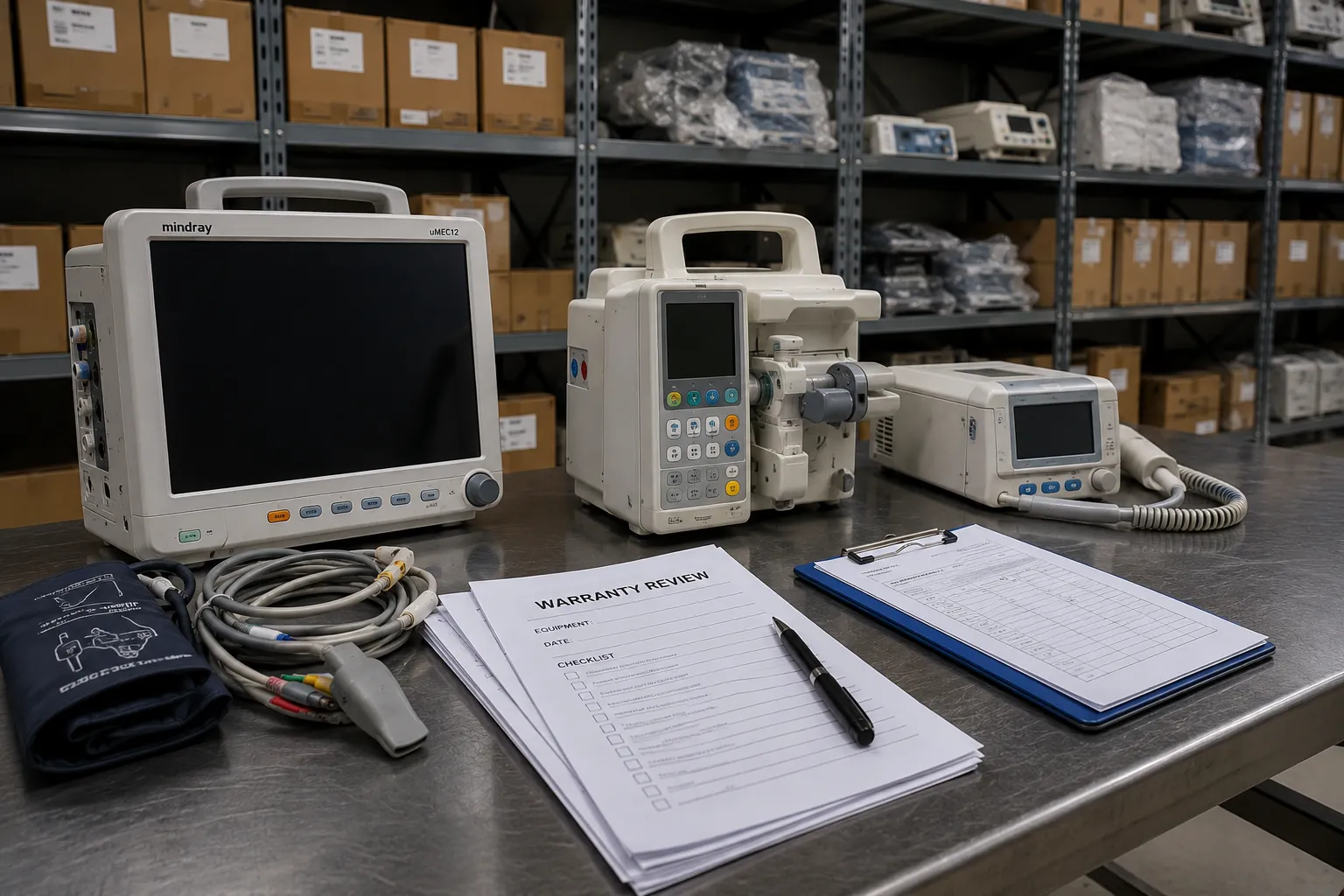
Warranty conditions — Buyers should determine whether unsuitable products or methods could affect warranty coverage.
Damage assessment — Establish whether the hospital, supplier or manufacturer review cleaning-related damage.
Service escalation — Technical teams should have a route for reporting liquid ingress, damaged displays, failed seals or unreadable labels.
Replacement accessories — Approved reusable components should remain identifiable and available when cleaning is required due to damage.
Document updates — Suppliers should communicate changes to approved cleaning methods or equipment materials.
Healthcare organisations coordinating recurring purchases may benefit from structured international medical equipment supply partnerships.
Each model should still receive an equipment-specific cleaning review before clinical acceptance.
Implement Training, Handover and Storage Controls
The workflow should explain what happens before, during and after cleaning.
Point-of-use preparation — Clinical users should remove permitted disposable items and prepare the equipment according to approved instructions.
Safe handover — Staff should identify whether the equipment is in use, awaiting cleaning, under inspection, or ready for service.
Cleaning location — Define whether the task occurs at the bedside, in a department area, in a central facility or through another controlled route.
Staff training — Training should cover responsibilities, approved methods, prohibited products and damage reporting.
Competency checks — Staff may need to demonstrate correct preparation, cleaning, inspection and status recording.
Protective measures — Personnel should follow the hospital’s approved requirements for the task and clinical environment.
Status labelling — Use a clear label, tag, or digital status to indicate whether equipment is ready, awaiting processing, or restricted.
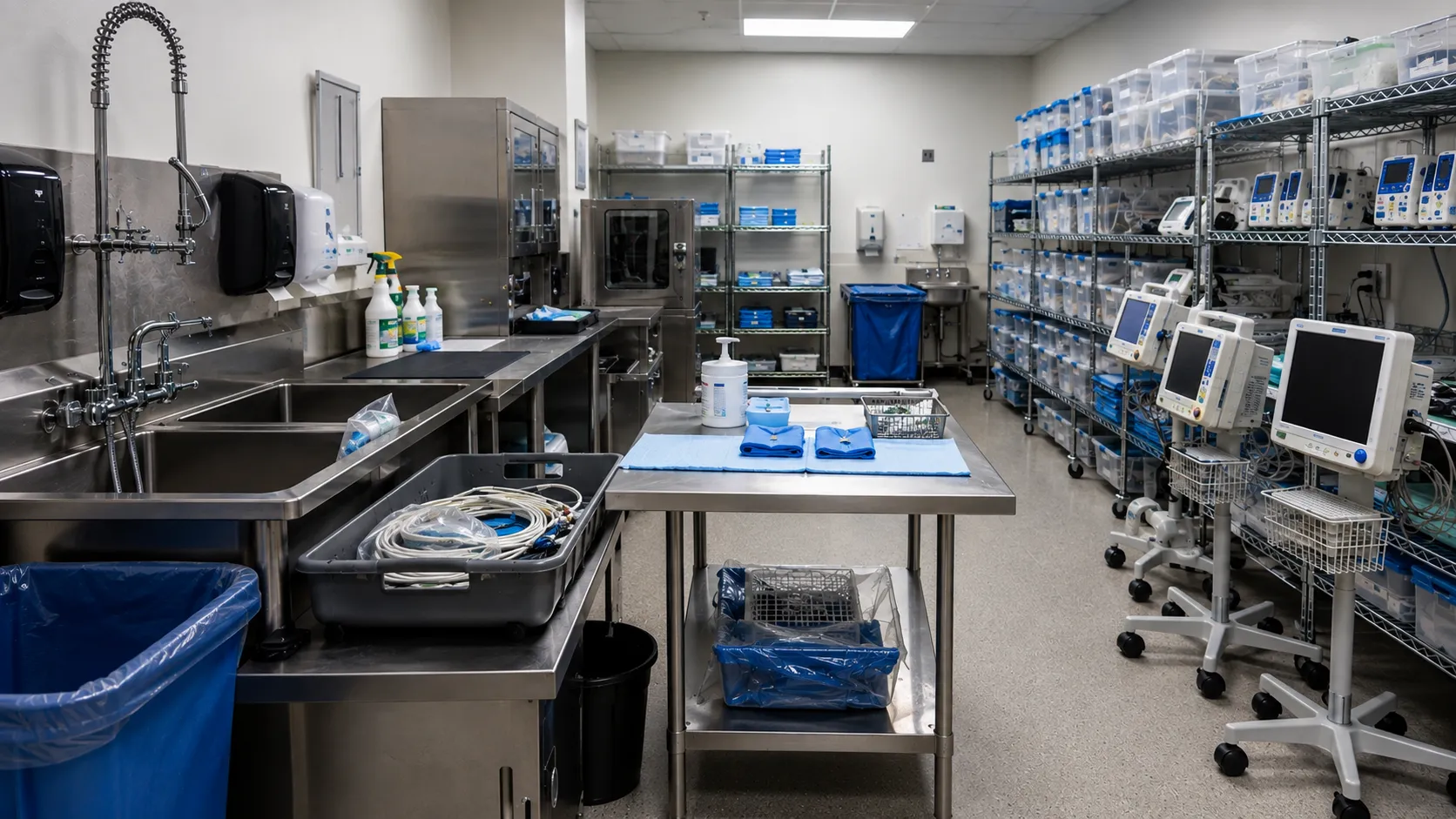
Clean storage — Equipment should be stored in a designated area protected from contamination, damage and unauthorised use.
Cable and accessory storage — Leads, probes and reusable components should remain organised and associated with the correct device.
Battery management — Mobile devices may require charging and battery checks before returning to service.
Record completion — Complete required paper or digital records before final handover.
Shift responsibility — Unfinished tasks should be transferred clearly between teams or shifts.
Simplified,d visible workflow stages help prevent equipment from being returned before cleaning and inspection are complete.
Monitor Performance and Correct Workflow Gaps
Hospitals should review whether cleaning workflows are understood, followed and suitable for the equipment fleet.
Routine observation — Supervisors may review preparation, cleaning, inspection and handover practices.
Record completion — Check whether required labels, logs or digital entries are complete and traceable.
Equipment damage trends — Repeated cracked screens, faded labels or damaged seals may indicate unsuitable methods or products.
Missed cleaning events — Investigate why equipment moved between users or departments without completing the approved workflow.
Workflow delays — Long turnaround times may indicate unclear responsibility, inadequate space or limited equipment availability.
Staff feedback — Clinical and cleaning teams can identify instructions that are difficult to understand or apply.
Manufacturer updates — Review revised manuals, safety notices and changes to cleaning compatibility.
Audit findings — Assign corrective actions, owners and completion dates for identified gaps.
Incident review — Equipment-related incidents should trigger review of instructions, training and status controls where relevant.
Procedure revision — Update the workflow after replacing equipment, software, or accessories.
Approval records — Retain evidence showing who reviewed and approved revised procedures.
Healthcare teams seeking equipment documentation, replacement options, or international sourcing support can contact the Medigear.uk team for assistance with medical equipment. Enquiries should include the manufacturer, model, quantity, condition, destination and required support.
Workflow monitoring should lead to practical corrections rather than only producing audit records.
Final thoughts
Equipment cleaning workflows help hospitals coordinate responsibilities between clinical, cleaning, technical and infection-prevention teams.
Each procedure should reflect the manufacturer’s current instructions, equipment materials, accessories and intended operating environment. Shared and mobile devices require particularly clear handover and status controls.
Training, accessible instructions and consistent documentation help staff understand when equipment is ready for use or requires further attention.
A structured workflow supports equipment traceability, reduces avoidable damage and creates clearer accountability throughout routine hospital operations.
Disclaimer
Medigear.uk is a global medical equipment supplier, exporter, and distributor. The content published on this site is intended for educational and product awareness purposes only. Nothing on this page constitutes medical advice, clinical guidance, or treatment recommendations. All healthcare procurement and clinical decisions should be made by qualified medical professionals and compliant procurement teams operating within the regulatory frameworks of their respective countries.