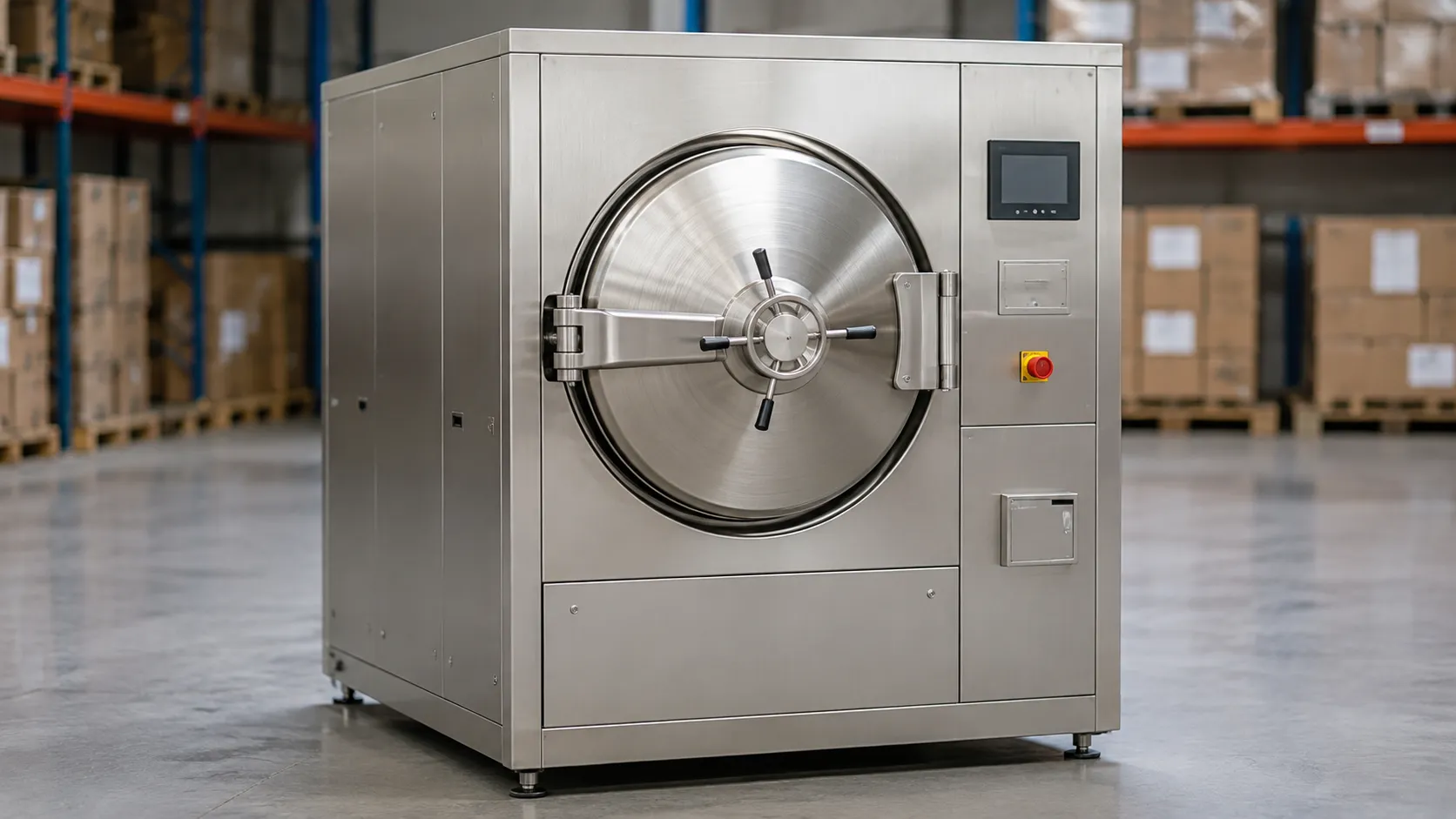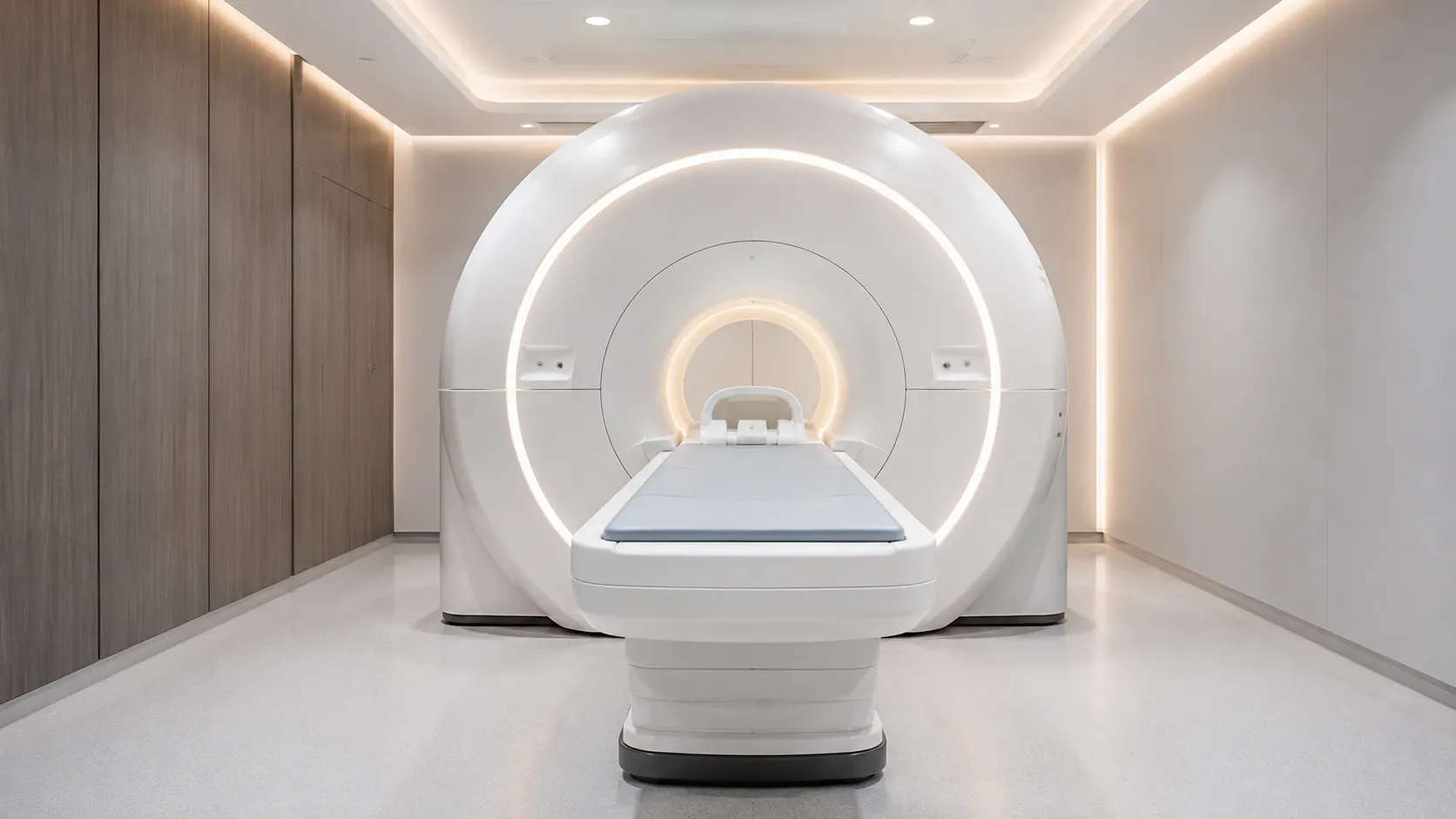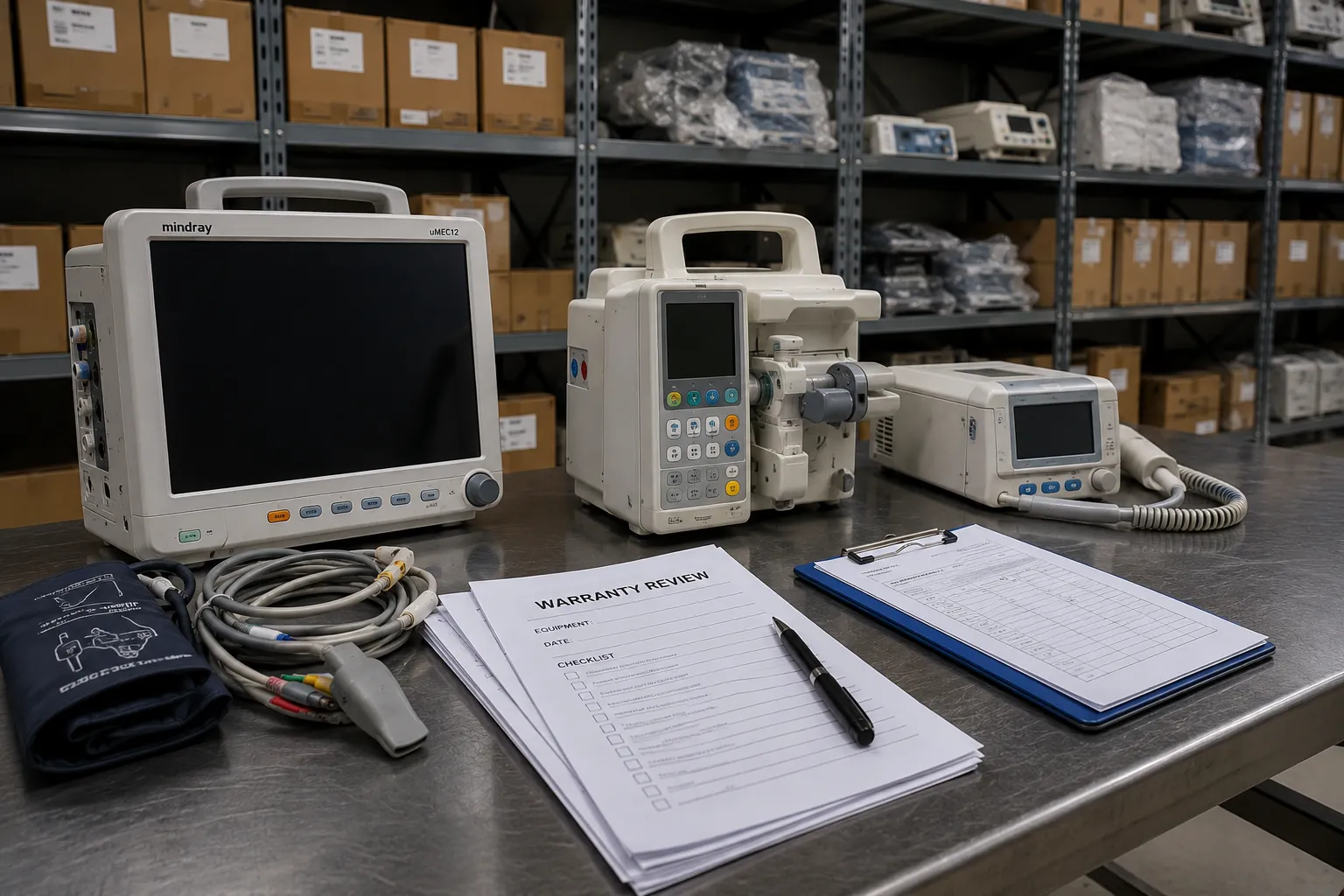

Medical equipment maintenance affects clinical continuity, asset availability and the long-term value of hospital investment. A device may meet its original specification but become unreliable when inspections, servicing, software support or replacement parts are not planned throughout its operating life.
For hospital buyers and healthcare equipment managers, maintenance requirements should be assessed during procurement rather than after the warranty expires. Service intervals, engineer coverage, spare parts access, software updates, and maintenance costs should be part of the purchasing decision.
Biomedical engineers, clinical departments, procurement teams, facilities personnel, and equipment suppliers may all have responsibilities in the maintenance process. These roles should be documented so that faults, planned servicing and technical escalations are handled consistently.
A structured maintenance plan helps hospitals prioritise critical assets, schedule preventive work, control repair records and identify equipment approaching the end of its supportable life.
Build an Accurate Equipment Inventory
Maintenance planning begins with a reliable record of every asset that requires technical support.
Asset identification — Record the manufacturer, model, serial number, asset number, department and physical location. This information helps connect service activity to the correct device.
Equipment category — Group assets by imaging, critical care, laboratory, surgery, monitoring, sterilisation, furniture or another appropriate category.
Clinical function — Document the operational role of each item and the impact that failure could have on hospital services.
Purchase and installation dates — These dates help teams review warranty status, equipment age and expected lifecycle milestones.
Condition status — Record whether the equipment is new, refurbished, operational, restricted, awaiting repair or removed from service.
Warranty information — Include the warranty start date, duration, coverage and supplier contact details.
Service responsibility — Identify whether maintenance is completed internally, by the manufacturer, through an authorised distributor or under an external service agreement.
Software and configuration — Connected devices should have records of software versions, licences, interfaces and update responsibilities.
In practice, biomedical teams often discover that unregistered accessories, transferred equipment or donated devices are missing from the formal maintenance system.
An accurate inventory creates the foundation for scheduling, budgeting and replacement planning.
Prioritise Maintenance According to Clinical Risk
Hospitals should not assign the same maintenance frequency or response priority to every asset.
Clinical criticality — Equipment supporting emergency, surgical, critical care,e or continuous monitoring services may require stronger preventive controls and faster repair response times.
Failure consequences — Consider whether equipment failure could delay treatment, interrupt diagnostics or require patient transfer.
Frequency of use — Devices used continuously or across several shifts may experience greater wear than equipment used occasionally.
When evaluating specialist medical equipment suppliers and service providers, hospitals should confirm that technical support is available for the equipment category and facility location.
Equipment complexity — Advanced imaging, laboratory and connected systems may require specialist tools, software and trained engineers.
Maintenance history — Repeated faults, increasing downtime or frequent parts replacement may justify additional inspections or replacement review.
Operating environment — Heat, humidity, dust, vibration, unstable power or intensive cleaning may influence service requirements.
Backup availability — Equipment without a substitute may require stronger response arrangements than devices with adequate backup capacity.
Manufacturer recommendations — Service and inspection intervals should be reviewed in light of local operating conditions and applicable requirements.
Experienced hospital engineering teams typically combine clinical risk, usage and maintenance history rather than relying only on equipment age.
Create Preventive and Corrective Maintenance Procedures
The maintenance programme should describe how scheduled servicing and unexpected faults will be managed.
Preventive maintenance schedule — Set planned inspection and servicing dates according to manufacturer recommendations, risk classification and workload.
Pre-service preparation — Clinical departments should receive notice so that equipment can be cleaned, made available and removed from routine scheduling.
Visual inspection — Maintenance may include checks for physical damage, loose components, worn cables, damaged plugs, unstable wheels and unreadable labels.
Functional verification — Controls, displays, alarms, batteries and clinically relevant functions should be checked according to approved procedures.
Electrical and safety testing — Qualified personnel should perform applicable safety tests using suitable tools and documented methods.
Calibration requirements — Equipment requiring measurement accuracy should have defined calibration intervals and traceable results.
Corrective-maintenance reporting — Users should have a clear process for reporting faults, symptoms, error messages and recent equipment behaviour.
Equipment isolation — Faulty devices should be labelled and removed from use where their condition could affect safe operation.
Repair authorisation — Hospitals should define who may approve repairs, replacement parts and external service attendance.
Return-to-service approval — Equipment should only return to operation after repair, testing and documentation are complete.
A clear distinction between preventive and corrective work helps the hospital monitor planned performance and unexpected failures separately.
Evaluate Service Contracts and Supplier Support
Maintenance responsibilities and commercial terms should be reviewed before the hospital signs a service agreement.
Service coverage — Confirm whether the contract includes preventive maintenance, corrective repairs, calibration, software and technical support.
Supplier information accuracy — Medical equipment companies advertising services to healthcare buyers should ensure that maintenance claims align with their written quotations and contracts.
Response targets — Define remote-response, engineer-attendance and repair-completion expectations.
Parts coverage — Determine whether replacement parts, batteries, accessories and consumable components are included or charged separately.
Engineer qualifications — Service personnel should have suitable training, diagnostic equipment and access to current technical documentation.
Travel and freight costs — International or regional contracts should clarify engineer travel, accommodation and parts-shipping charges.
Software support — Connected equipment may require software updates, cybersecurity patches, interface assistance and licence management.
Loan equipment — For critical devices, the agreement may address temporary replacement equipment during extended repairs.
Exclusions — Review exclusions relating to accidental damage, consumables, misuse, infrastructure faults or unsupported modifications.
Performance reporting — Suppliers may be required to provide service reports, downtime records, and recurring fault analysis.
Healthcare organisations managing multiple facilities or repeated purchases may benefit from structured international medical equipment service partnerships. Each contract should still define equipment-specific coverage, responsibilities and performance expectations.
A service agreement should provide measurable support rather than relying on general promises of after-sales assistance.
Plan Spare Parts, Software and Maintenance Resources
Equipment availability depends on access to trained personnel, approved parts and current technical information.
Critical spare-parts list — Identify components whose failure could create long downtime or interrupt essential services.
Lead-time assessment — International parts may require extended ordering, shipping and customs periods. These delays should be considered before a failure occurs.
Local stock decisions — Frequently used batteries, cables, sensors, filters or fuses may be suitable for controlled local storage.
Storage conditions — Parts should be protected from moisture, heat, contamination and unauthorised use.
Compatibility control — Replacement components should match the correct manufacturer, model and configuration.
Tool availability — Biomedical teams may require specialised test equipment, calibration tools, or access to software.
Technical documentation—service manuals, parts diagrams and authorised procedures should be accessible to responsible personnel where permitted.
Software updates — Update schedules should account for cybersecurity, compatibility, clinical workflow and possible downtime.
Engineer training — Internal teams should receive appropriate product-specific training when the hospital intends to perform maintenance directly.
Budget allocation — Maintenance budgets should cover planned servicing, emergency repairs, parts, software, calibration and engineer travel.
One aspect that surprises first-time buyers is that a relatively low-cost component can cause extended downtime when it is only available through an international supply chain.
Resource planning helps hospitals reduce avoidable delays while maintaining control over approved parts and service methods.
Monitor Performance and Prepare for Replacement
Maintenance data should help hospitals identify reliability problems and future capital requirements.
Service completion rate — Track whether preventive maintenance is completed by the approved due date.
Equipment downtime — Measure the period between fault reporting and return to operation.
Repeat-fault trends — Recurring problems may indicate incomplete repairs, ageing components or unsuitable operating conditions.
Repair expenditure — Rising maintenance costs can show that equipment is becoming uneconomical to retain.
Parts consumption — Frequent replacement of the same components may identify a wider technical or user issue.
Supplier performance — Compare actual response times, parts delivery and repair results with contracted commitments.
User-related incidents — Repeated operating problems may indicate a training gap rather than equipment failure.
Software support status — Monitor security updates, interface compatibility and manufacturer support announcements.
End-of-support notices — Discontinued parts or software may create increasing maintenance and operational risk.
Replacement criteria — Consider clinical suitability, reliability, support availability, lifecycle cost and compatibility with current infrastructure.
Decommissioning records — Equipment removed from use should have its condition, data status, location and disposal, resale or recycling decision recorded.
Hospitals seeking new or refurbished equipment, replacement quotations, or international support can contact the Medigear.uk team for assistance with medical equipment sourcing. Enquiries should include the equipment category, model, quantity, condition, destination and required technical support.
Maintenance records should contribute directly to equipment budgeting and replacement decisions.
Final thoughts
Medical equipment maintenance planning should begin during procurement and continue throughout the asset’s operational life.
Hospitals need an accurate equipment register, risk-based service priorities and documented procedures for preventive and corrective maintenance. Supplier responsibilities, response times and commercial exclusions should be confirmed before support is required.
Spare-parts availability, engineer training, software updates and maintenance records can significantly affect equipment uptime and ownership cost.
A structured maintenance programme helps hospitals reduce avoidable disruption, strengthen technical accountability and plan equipment replacement before support becomes unreliable.
Disclaimer
Medigear.uk is a global medical equipment supplier, exporter, and distributor. The content published on this site is intended for educational and product awareness purposes only. Nothing on this page constitutes medical advice, clinical guidance, or treatment recommendations. All healthcare procurement and clinical decisions should be made by qualified medical professionals and compliant procurement teams operating within the regulatory frameworks of their respective countries.