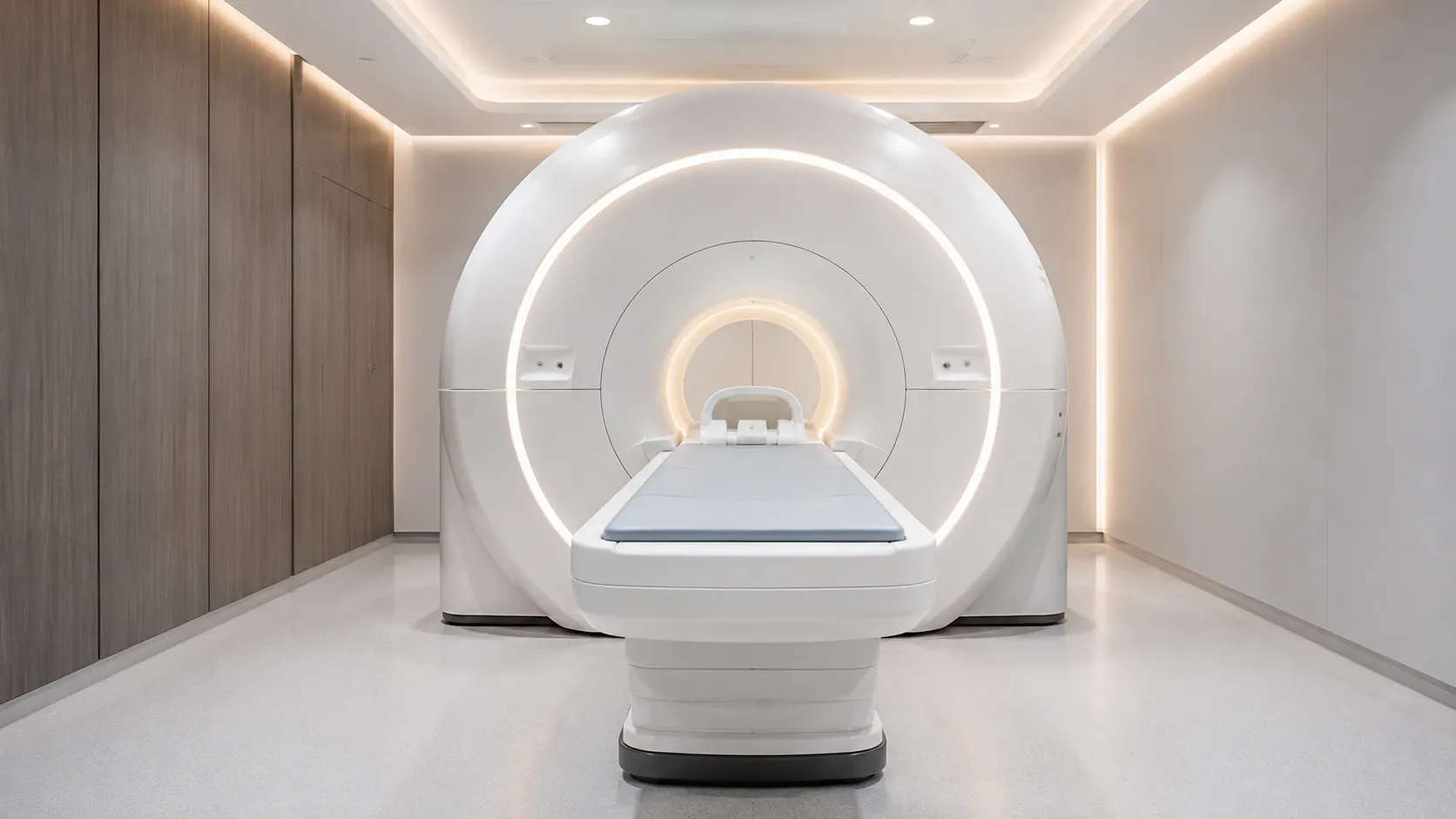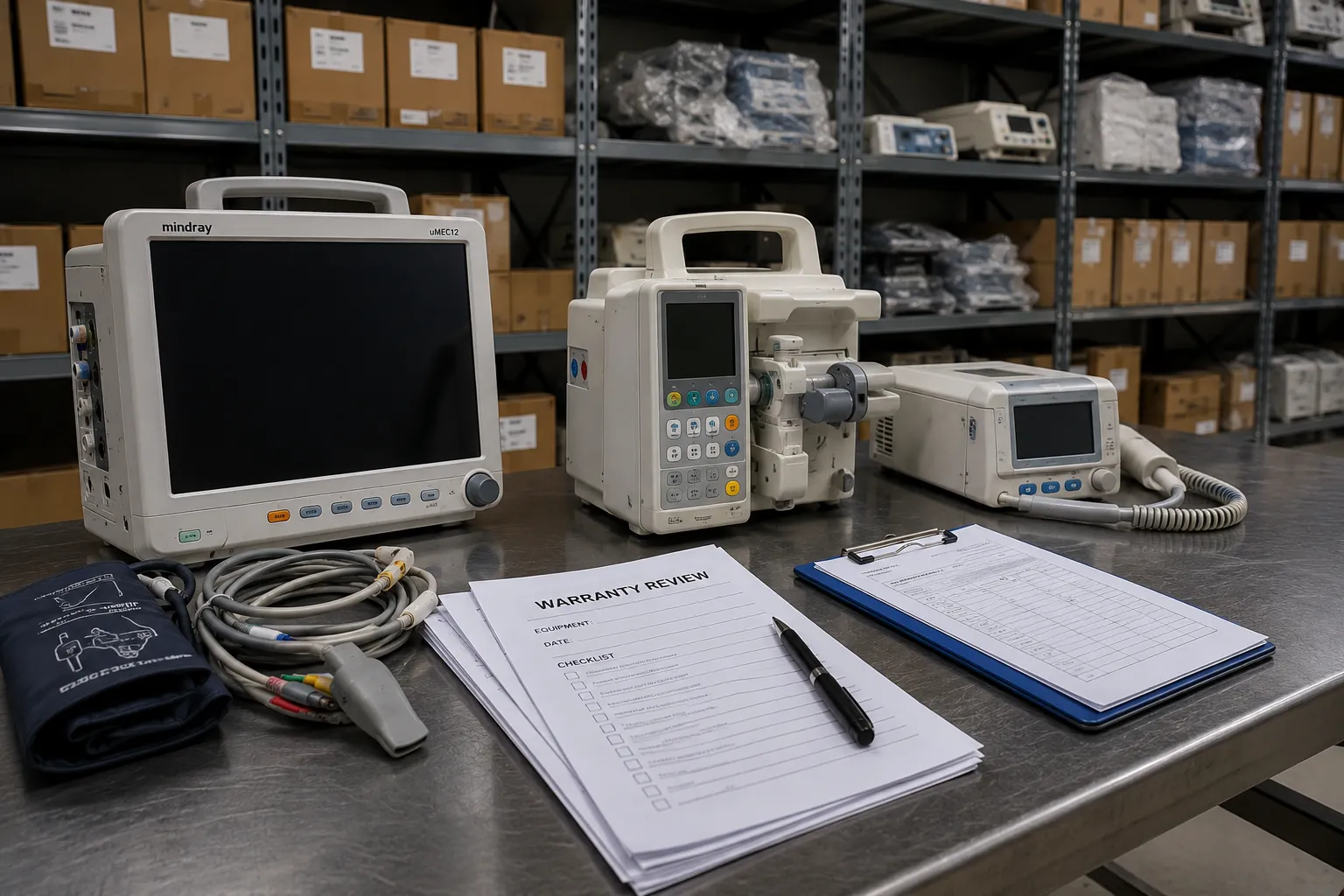

Medical equipment installation can fail even when the selected product is technically suitable. Delays often arise because rooms are incomplete, utilities do not match the approved model, access routes are too narrow or installation responsibilities have not been clearly assigned.
For medical equipment buyers and healthcare project teams, installation planning should begin before the purchase order is issued. The proposed model, room conditions, delivery route, supplier responsibilities and commissioning criteria should be reviewed together.
Clinical users, biomedical engineers, facilities representatives, digital teams and project managers may all need to contribute. Their combined input helps prevent equipment from arriving before the site is ready or being installed without the necessary infrastructure and documentation.
This guide explains how healthcare teams can coordinate site readiness, delivery, installation, testing, training and final equipment handover.
Define Installation Requirements During Equipment Selection
Installation requirements should be reviewed during equipment evaluation, not after the supplier has dispatched the order.
Exact manufacturer and model — The project team should confirm the legal manufacturer, model number, dimensions, weight and configuration. Installation planning based on a general equipment category can lead to incorrect preparation of rooms or utilities.
In practice, healthcare project teams often find that equipment dimensions change when optional modules, trolleys or accessories are added.
Intended location — Every item should be assigned to a specific department and room. This allows the team to connect equipment requirements with architectural and engineering information.
Operating position — Confirm where the equipment will stand, how users will access it and whether doors, drawers or moving components require additional clearance.
Patient and staff movement — The layout should allow safe movement of patients, operators, trolleys and maintenance personnel.
Delivery dimensions — Packaged dimensions may be significantly larger than the installed equipment. Loading bays, corridors, doors and lifts should be checked against the shipping package.
Infrastructure requirements — Review power, ventilation, network access, medical gases, water, drainage and structural support.
Environmental limits — Temperature, humidity, dust, vibration and electromagnetic conditions may affect installation suitability.
Installation responsibilities — The purchasing documents should define who handles unloading, positioning, connection, assembly and testing.
Early installation planning helps the healthcare team prevent avoidable changes after equipment has been ordered.
Coordinate Site Readiness Across Healthcare Settings
Installation priorities vary according to the facility, equipment category and available technical resources.
Large and teaching hospitals — Complex hospitals may need coordination between clinical departments, biomedical engineering, facilities, digital teams and external contractors. Imaging, laboratory and surgical equipment may affect several building systems.
District and regional hospitals — These facilities may have limited access to specialist engineers. When working with regulated and certified equipment suppliers worldwide, healthcare teams should confirm whether installation and service coverage apply to the exact location.
Experienced project managers usually request a supplier site-readiness checklist before confirming delivery.
Community clinics and outpatient centres — Smaller facilities may have limited space, electrical capacity or storage. Compact equipment still requires careful review of access, ventilation and user workflow.
Diagnostic and laboratory facilities — Installation may depend on water quality, drainage, ventilation, benches, reagents, waste handling and data connections.
Surgical and critical care departments — Equipment may require medical gases, isolated power, ceiling supports, alarm integration and backup electricity.
Mobile and remote services — Portable equipment may require charging facilities, protective storage, transport cases and suitable network connectivity.
New hospital projects — Installation must be coordinated with room completion, construction handover, furniture delivery and operational opening schedules.
Multi-facility healthcare groups — Standard installation templates can improve consistency, but each location should still complete a model-specific site review.
The installation plan should reflect actual local conditions rather than assumptions based on another facility.
Prepare Rooms, Utilities and Access Routes
A formal site-readiness assessment should confirm that the receiving area can support the equipment before delivery.
Room dimensions — Confirm usable floor area, ceiling height and maintenance clearances. Architectural drawings should reflect the final equipment model.
Access route — Check the loading area, corridors, lifts, door widths, turning spaces and floor strength along the complete delivery path.
Electrical supply — Review voltage, frequency, socket type, current load, earthing and isolation requirements. Backup or uninterrupted power may be needed for critical equipment.
Ventilation and cooling — Equipment that generates heat may require mechanical ventilation or dedicated cooling. Manufacturer limits should be reviewed.
Water and drainage — Laboratory, sterilisation and other equipment may require specific water quality, pressure or drainage arrangements.
Medical gases — Oxygen, medical air, vacuum or other gas connections should be positioned according to the approved equipment layout.
Structural support — Heavy floor-mounted or ceiling-suspended equipment may require reinforcement or specialist fixings.
Network connectivity — Connected devices may require network outlets, interface servers, secure wireless access and user authentication.
Cybersecurity preparation — The digital team should review network segmentation, software versions, update responsibilities and data protection requirements.
Cleaning and infection control — Room finishes and equipment positioning should support approved cleaning and contamination-control workflows.
Storage areas — Accessories, consumables, batteries, and transport cases should have secure, accessible storage.
Site readiness should be documented and approved before the supplier receives permission to dispatch the equipment.
Control Delivery, Installation and Supplier Responsibilities
Supplier quotations and contracts should clearly define what is included in the installation service.
Review supplier claims — Equipment manufacturers advertising products for global hospital buyers should provide accurate model-specific information about installation, utilities and support. Healthcare teams should compare published claims with formal technical documents.
Confirm delivery scope — Establish whether the supplier is responsible for freight, cargo insurance, customs clearance, unloading and movement to the final room.
Plan delivery timing — Equipment should arrive after rooms, utilities and access routes are ready. Early delivery can create storage, damage and warranty risks.
Arrange delivery inspection — The receiving team should check packaging, manufacturer, model, serial number, quantities and accessories.
Record damage or shortages — Any discrepancy should be photographed and documented before the shipment is accepted.
Control positioning — Heavy or sensitive equipment may require specialist lifting, handling or alignment.
Confirm connection responsibility — Electrical, plumbing, gas and network connections should be completed by authorised personnel.
Prevent unauthorised changes — Suppliers should not substitute the approved model, accessories or software without written technical approval.
Coordinate contractor access — Engineer names, access permits, working hours, safety requirements and infection-control conditions should be arranged in advance.
Healthcare organisations managing repeated installations may benefit from structured distribution and reseller partnership arrangements. Each project should still define specific responsibilities, milestones and acceptance criteria.
A clear installation scope prevents disputes about activities that suppliers consider excluded.
Complete Testing, Commissioning and User Handover
Equipment should not enter clinical service immediately after being placed in the room.
Installation verification — Confirm that the equipment has been assembled, connected and positioned according to manufacturer requirements.
Electrical and safety testing — Biomedical engineers or authorised technicians should complete applicable safety checks before use.
Functional testing — The equipment should be operated through its main functions and compared with the approved specification.
Calibration and performance checks — Equipment requiring calibration should receive appropriate testing and supporting records.
Accessory verification — Every approved probe, sensor, cable, battery, trolley and software licence should be confirmed.
Software configuration — User accounts, network connections, interfaces and security settings should be established and documented.
Clinical user training — Staff should receive instruction covering setup, operation, alarms, cleaning and basic fault reporting.
Technical training — Biomedical engineers may need guidance on preventive maintenance, diagnostic tools,s and service documentation.
Training records — Participant names, dates, topics and materials should be retained.
Asset registration — Equipment should receive an asset number and be entered into the maintenance-management system.
Acceptance approval — Clinical, technical and project representatives should confirm that the equipment is complete and ready for use.
Commissioning closes the gap between physical installation and safe operational readiness.
Manage International Installation and Lifecycle Risks
International equipment installations require additional control because the supplier, engineer and healthcare facility may operate in different markets.
Destination-market compatibility — Confirm voltage, plugs, language, software, registration and labelling requirements before shipment.
Engineer travel arrangements — Clarify responsibility for travel, accommodation, permits, local transport and scheduling.
Customs and delivery delays — Installation dates should allow for documentation checks, customs clearance and local transport.
New and refurbished equipment — Refurbished systems should include condition reports, testing evidence, configuration details, software information and warranty records.
International warranty coverage — Confirm whether parts, labour, freight and engineer attendance apply at the installation location.
Remote support readiness — Facilities may need secure remote-access arrangements for diagnostics and software assistance.
Spare-parts planning — Critical components may need to be purchased or stored locally when international lead times are long.
Warranty activation — The contract should state whether coverage begins at dispatch, delivery, installation or commissioning.
Lifecycle maintenance planning — Service intervals, calibration dates, and software updates should be scheduled from the commissioning date onward.
Healthcare teams seeking equipment quotations, installation coordination or international supply support can reach the Medigear.uk sourcing and export team. A useful enquiry should include the equipment category, quantity, destination, room-readiness status and preferred installation period.
Installation should be considered complete only after documentation, training, warranty and maintenance responsibilities have been transferred to the operational team.
Final thoughts
Medical equipment installation planning should begin during product selection and continue through site readiness, delivery, commissioning and handover.
Healthcare teams should confirm the exact model, room, utilities, access route and supplier responsibilities before dispatch. Site-readiness approval can reduce delays, damage and unexpected construction changes.
Physical placement does not complete an installation. Safety checks, functional testing, training, asset registration and documentation should be finished before clinical use.
A coordinated installation plan helps healthcare facilities place equipment into service on schedule while protecting performance, warranty coverage and long-term support.
Disclaimer
Medigear.uk is a global medical equipment supplier, exporter, and distributor. The content published on this site is intended for educational and product awareness purposes only. Nothing on this page constitutes medical advice, clinical guidance, or treatment recommendations. All healthcare procurement and clinical decisions should be made by qualified medical professionals and compliant procurement teams operating within the regulatory frameworks of their respective countries.