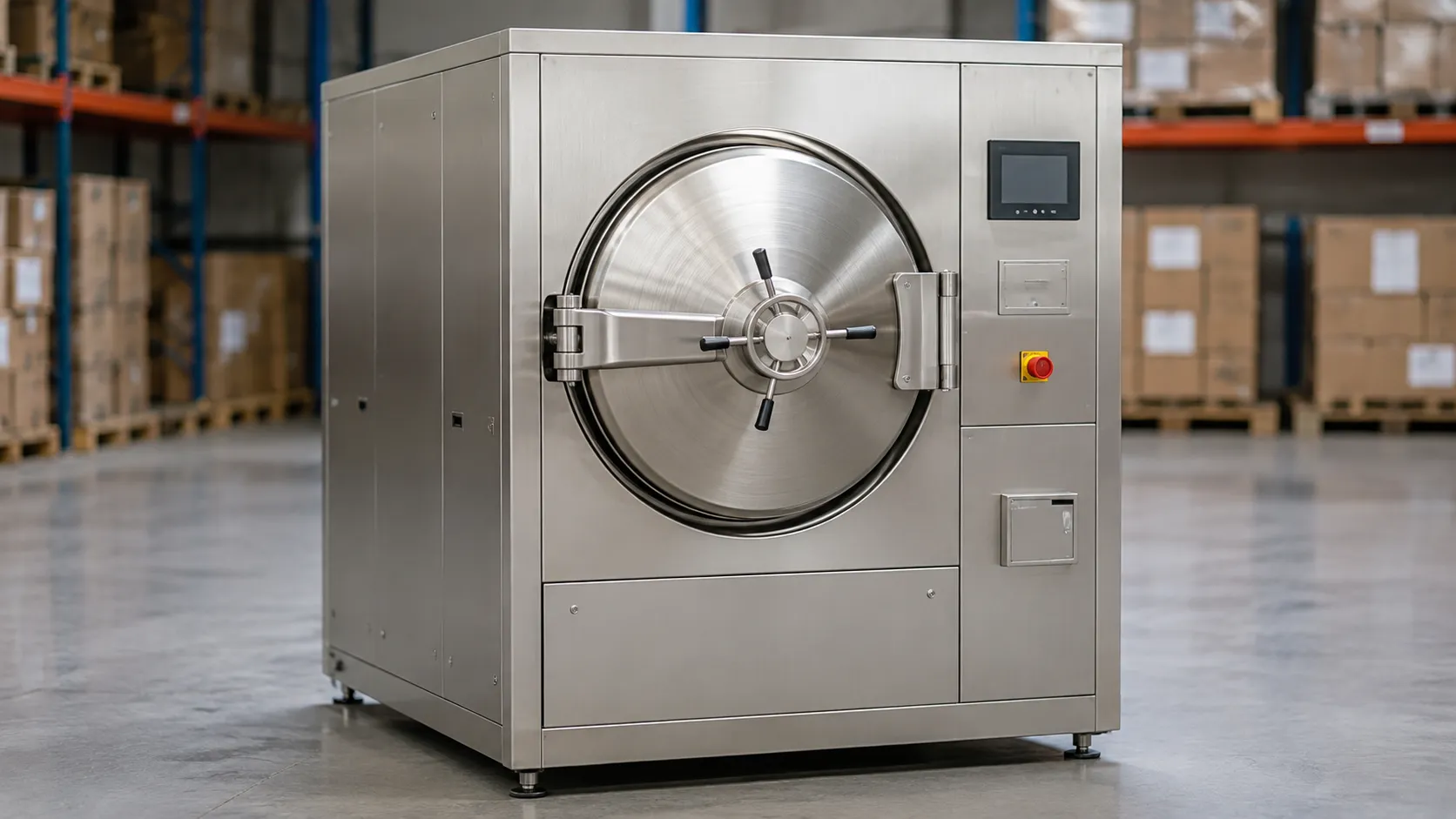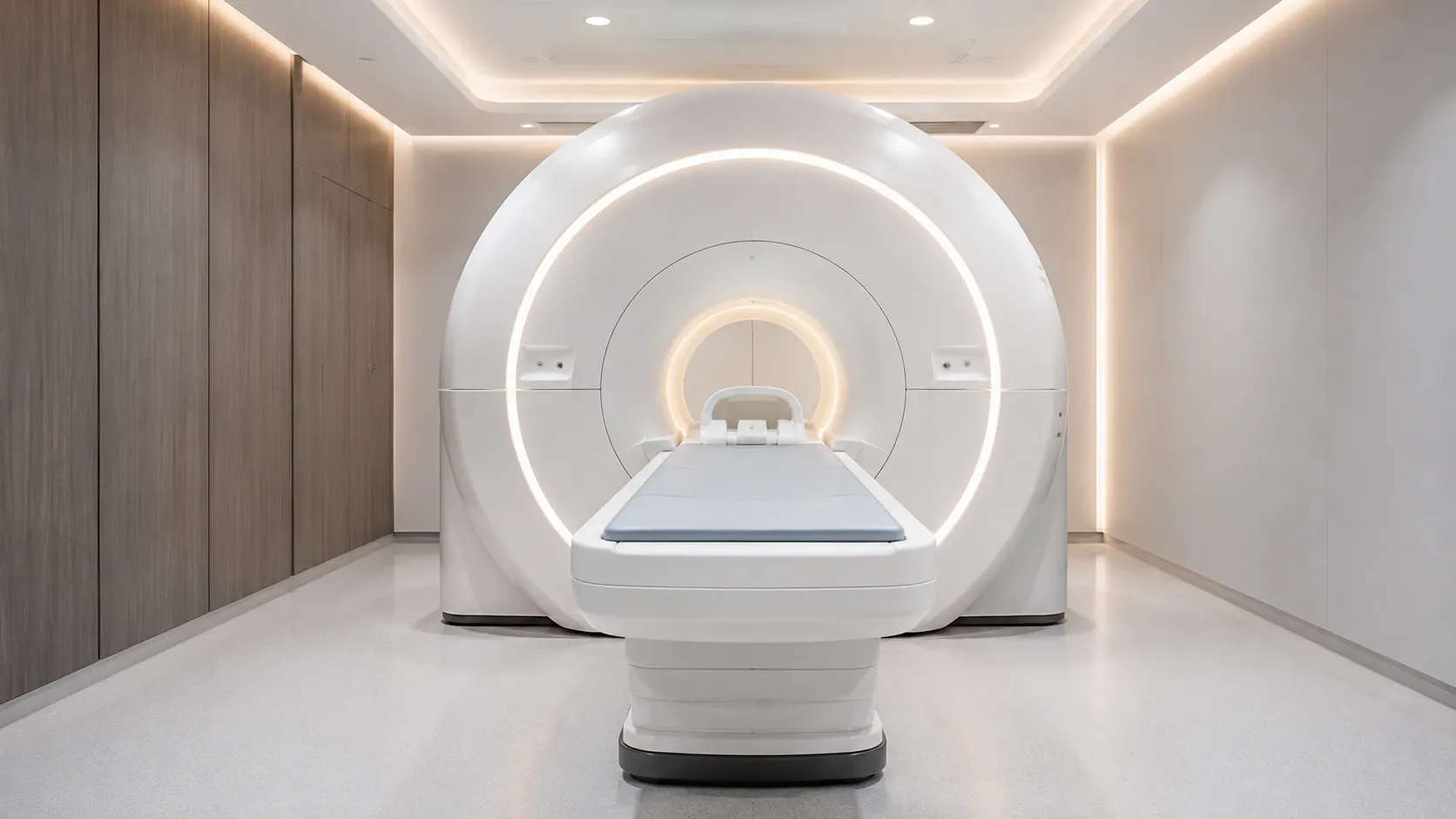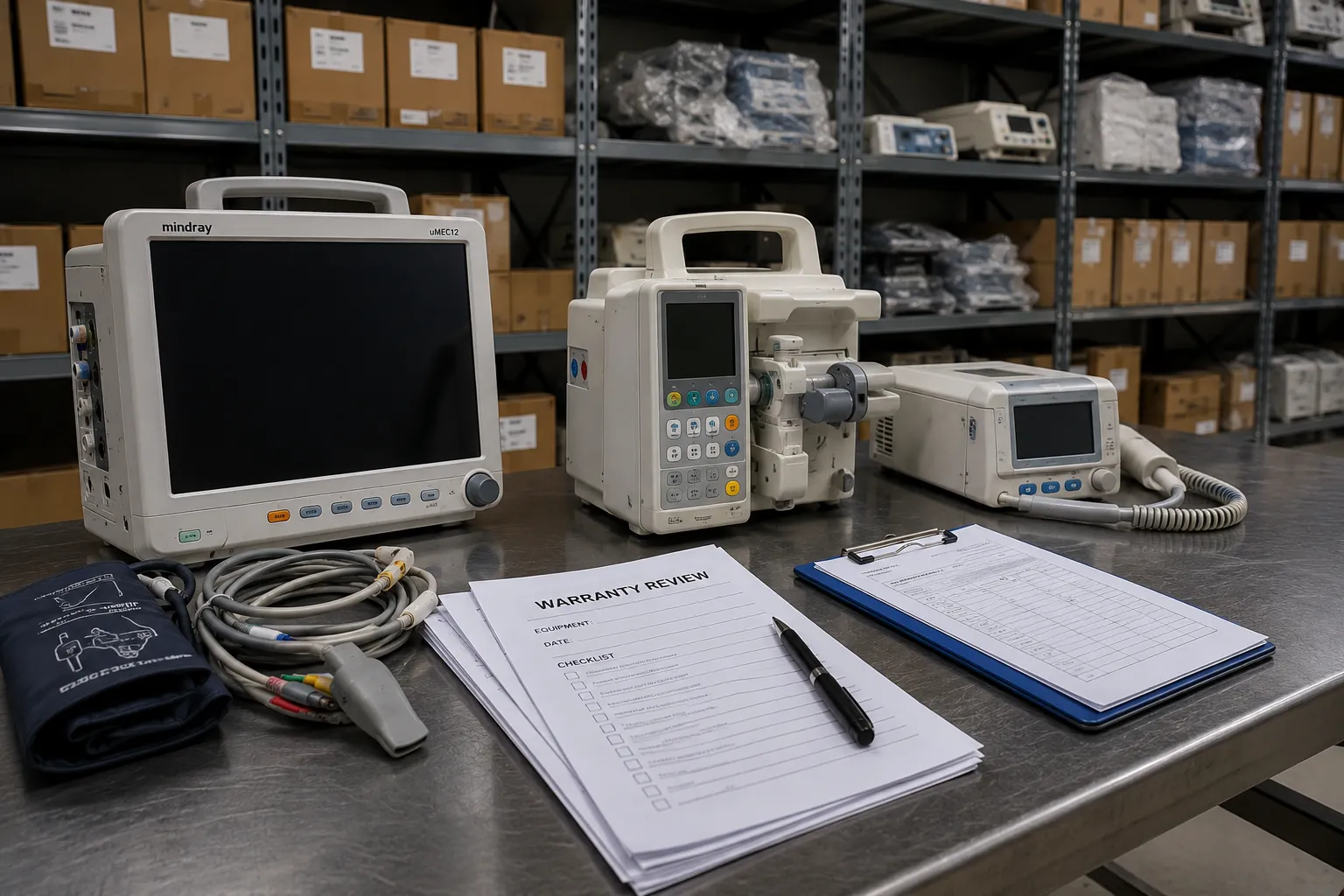
Medical equipment should not enter clinical operation simply because it has arrived and been connected. The hospital must confirm that the correct model and configuration were delivered, that the installation meets the manufacturer's requirements, and that the equipment performs in accordance with the approved specification.
For hospital buyers sourcing certified medical equipment, commissioning provides a controlled point between installation and operational handover. It helps identify missing accessories, unresolved damage, incorrect software, incomplete training and documentation gaps before final acceptance.
The commissioning team may include healthcare buyers, biomedical engineers, clinical users, facilities representatives, digital teams and supplier personnel. Responsibilities should be assigned before testing begins.
A documented commissioning process helps the hospital confirm equipment identity, safety, performance, training, warranty and maintenance requirements before the device is added to operational service.
Establish the Commissioning Scope Before Delivery
Commissioning requirements should be agreed upon when the equipment is purchased. Waiting until installation is complete can leave the hospital without clear testing criteria or supplier accountability.
Approved technical specification — Use the final specification against which the equipment was selected. The commissioning team should be able to trace every important requirement to a supplier response or product document.
Exact equipment configuration — Record the manufacturer, model, software version, modules and required accessories. Commissioning should cover the complete approved package, not just the main unit.
Defined responsibilities — State who will complete installation checks, electrical testing, functional verification, training and final approval.
Acceptance criteria — Establish the conditions the equipment must satisfy before the hospital signs the acceptance certificate.
Testing resources — Identify test equipment, calibration tools, simulators, consumables and qualified personnel needed for verification.
Required documents — Prepare a checklist covering manuals, certificates, installation reports, test records, warranty terms and training documents.
Commissioning schedule — Coordinate supplier engineers, biomedical staff, and clinical users to ensure required checks are completed without unnecessary delay.
In practice, hospital buyers often find that unclear acceptance criteria make it difficult to resolve incomplete installations or supplier disagreements.
Coordinate Commissioning Across the Hospital Team
Commissioning should involve the departments responsible for purchasing, operating, maintaining and supporting the equipment.
Healthcare procurement team — Buyers should confirm that the delivered equipment matches the purchase order, quotation and agreed commercial terms.
Biomedical engineering team — Engineers should verify technical installation, equipment identity, safety records and maintenance requirements.
When hospitals work with certified medical equipment suppliers and distributors, the commissioning plan should clearly state whether supplier engineers will attend on site or provide remote support.
Clinical users — Department representatives should confirm that the configuration supports the intended workflow and that training has been completed.
Facilities team — Facilities personnel may need to verify electrical supply, ventilation, water, drainage, medical gases or structural connections.
Digital and cybersecurity teams — Connected devices may require network approval, interface testing, access controls, and software security checks.
Infection-control representatives — Equipment surfaces, accessories, and installation layouts may need to be reviewed against approved cleaning procedures.
Asset-management team — The equipment should be registered with its model, serial number, location, warranty and maintenance schedule.
Experienced commissioning teams assign one coordinator to manage findings, supplier responses and final approvals.
Verify Installation, Safety and Technical Configuration
The first commissioning stage should confirm that the equipment has been installed in accordance with the approved documents and the manufacturer's requirements.
Equipment identity — Verify the legal manufacturer, model number, serial number and product version. These details should match the purchase and delivery records.
Physical installation — Check positioning, stability, mounting, mobility, maintenance clearance and access to controls.
Utility connections — Verify power, earthing, ventilation, water, drainage, medical gases and network connections where applicable.
Electrical safety checks — Qualified technical personnel should complete the required safety tests before clinical operation.
Accessory verification — Check the description, quantity, compatibility and condition of every probe, sensor, cable, battery, trolley and mount.
Software version — Confirm installed software, licences, options and update status.
Language and labelling — User controls, warning labels and manuals should meet applicable destination and user requirements.
Battery and backup operation — Test charging, battery condition and backup-power behaviour where relevant.
Alarm configuration — Confirm audible and visual alarms, alarm limits and escalation behaviour for relevant equipment.
Calibration status — Review calibration certificates and complete additional performance checks where required.
Any deviation from the approved configuration should be documented and resolved before final acceptance.
Complete Functional Testing and Supplier Review
Functional commissioning should demonstrate that the equipment performs its required functions under controlled conditions.
Test against the approved specification — Each critical performance requirement should be linked to a documented test, observation or manufacturer record.
Verify operating controls — Check displays, buttons, touchscreens, pedals, switches and remote controls.
Review supplier claims carefully — Medical equipment companies advertising products to healthcare buyers should ensure that advertised functions match the delivered configuration and formal product documentation.
Test operational modes — Confirm the functions, settings and workflows required by the receiving department.
Check data and connectivity — Test network connections, data transfer, reporting functions and approved interfaces where applicable.
Confirm consumable compatibility — Reagents, filters, electrodes and other recurring items should work with the delivered model.
Review fault behaviour — Check error messages, alarms, shutdown procedures and recovery steps where appropriate.
Document test results — Record pass, conditional pass or fail status for every critical test.
Manage deficiencies — Assign responsibility and completion dates for missing items, failed tests or incomplete documents.
Prevent premature acceptance — Final payment or operational release should follow the agreed commercial and commissioning conditions.
Hospital groups managing recurring equipment programmes may benefit from structured partnerships for medical equipment distribution and procurement. Each installation should still receive model-specific testing and formal approval.
Complete Training, Handover and Lifecycle Setup
Commissioning should prepare both the equipment and the hospital team for ongoing operation.
Clinical user training — Staff should receive instruction on setup, operation, alarms, cleaning, shutdown and basic fault reporting.
Technical training — Biomedical personnel may require guidance on preventive maintenance, diagnostic procedures, and access to service documentation.
Training attendance — Record participant names, dates, subjects and trainer details.
User manuals — Confirm that current operating instructions are available to relevant departments.
Service manuals — Technical documents should be provided where included in the contract and permitted by the manufacturer.
Warranty activation — Record the agreed warranty start date, duration, scope and reporting procedure.
Preventive maintenance schedule — Enter inspection, service, and calibration requirements into the maintenance management system.
Spare-parts planning — Confirm availability and lead times for critical parts, batteries and accessories.
Consumable planning — Record recurring products, storage requirements, shelf life and supplier details.
Asset registration — Add the equipment to the hospital asset register, including its serial number, location, cost centre, and responsible department.
Support escalation — Document supplier, manufacturer and local service contacts.
A complete handover helps prevent the equipment from entering service without trained users, maintenance planning or clear technical support.
Control International and Final Acceptance Risks
Internationally sourced equipment may require additional checks before the hospital accepts the installation.
Destination compatibility — Confirm voltage, plug type, language, software, labelling and applicable local regulatory requirements.
Supplier attendance — Establish whether commissioning support will be delivered on site, through an authorised local engineer or remotely.
Remote access controls — Connected equipment may require approved secure access for diagnostics or software support.
New and refurbished equipment — Refurbished systems should include condition reports, testing evidence, software details, service history and warranty records.
International warranty coverage — Confirm whether parts, labour, freight and engineer travel apply at the hospital’s location.
Outstanding delivery issues — Missing accessories, damaged items and document discrepancies should be closed before final approval.
Conditional acceptance — Where minor issues remain, record them with responsible parties, deadlines and any retained payment.
Final acceptance certificate — The certificate should identify the equipment, location, test status, training status and unresolved conditions.
Operational release — Only authorised hospital representatives should approve the equipment for routine use.
Hospital buyers seeking quotations, certified equipment or commissioning coordination can contact the Medigear.uk team for medical equipment support. The enquiry should include the equipment category, model, quantity, destination and required installation or commissioning services.
The commissioning file should be complete before the hospital closes the purchase and transfers responsibility to the operational department.
Final thoughts
Medical equipment commissioning provides a controlled transition from delivery and installation to operational use.
Hospital buyers should confirm the equipment'sdentity, configuration, accessories, safety, performance, and documentation before signing the final acceptance. Installation alone does not demonstrate that the complete system meets the approved purchasing requirement.
Clinical and technical training, asset registration, warranty activation and maintenance planning should form part of the commissioning process.
A documented multidisciplinary approach helps hospitals identify deficiencies early, protect commercial rights and place equipment into service with clearer operational and lifecycle support.
Disclaimer
Medigear.uk is a global medical equipment supplier, exporter, and distributor. The content published on this site is intended for educational and product awareness purposes only. Nothing on this page constitutes medical advice, clinical guidance, or treatment recommendations. All healthcare procurement and clinical decisions should be made by qualified medical professionals and compliant procurement teams operating within the regulatory frameworks of their respective countries.