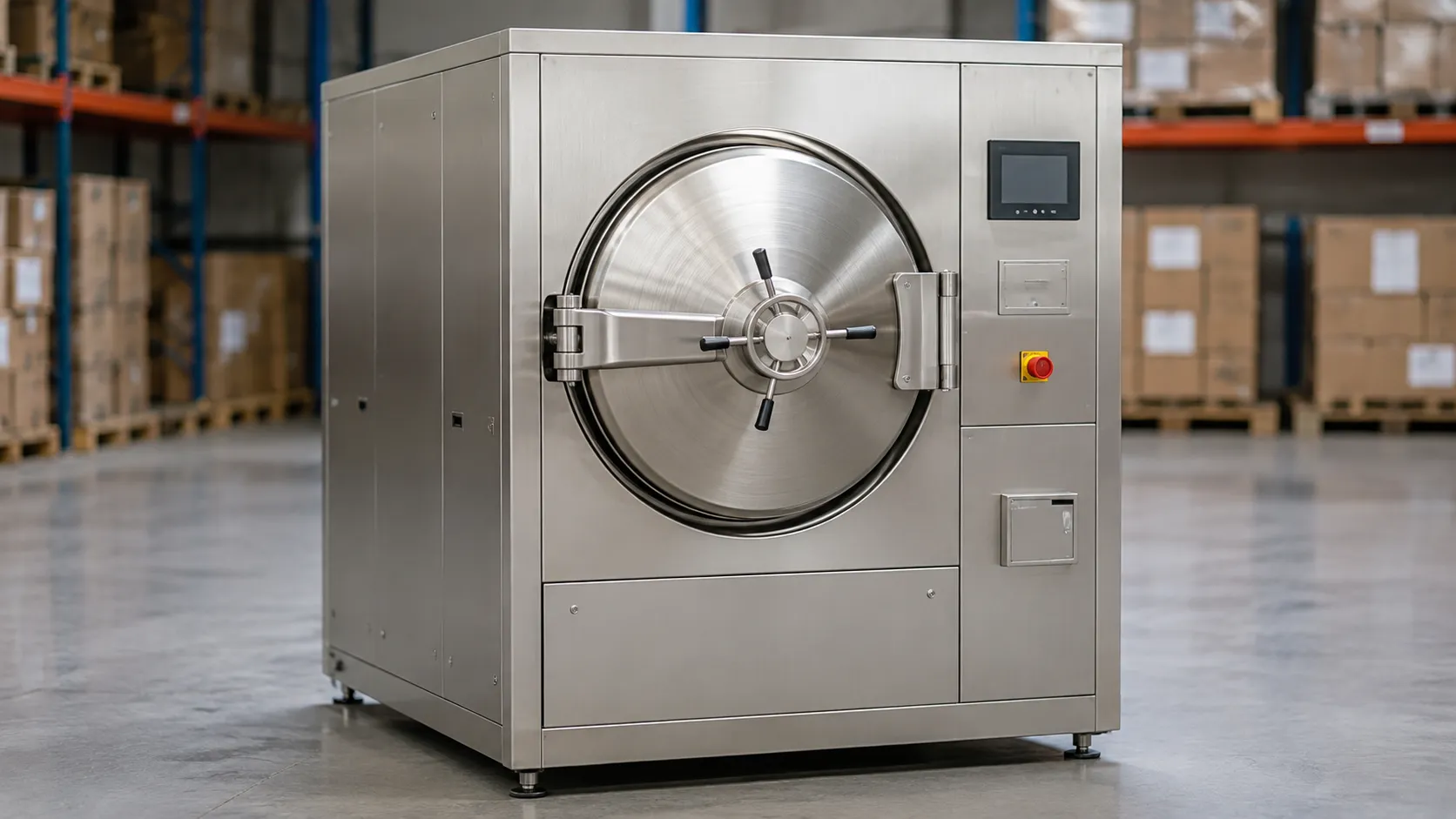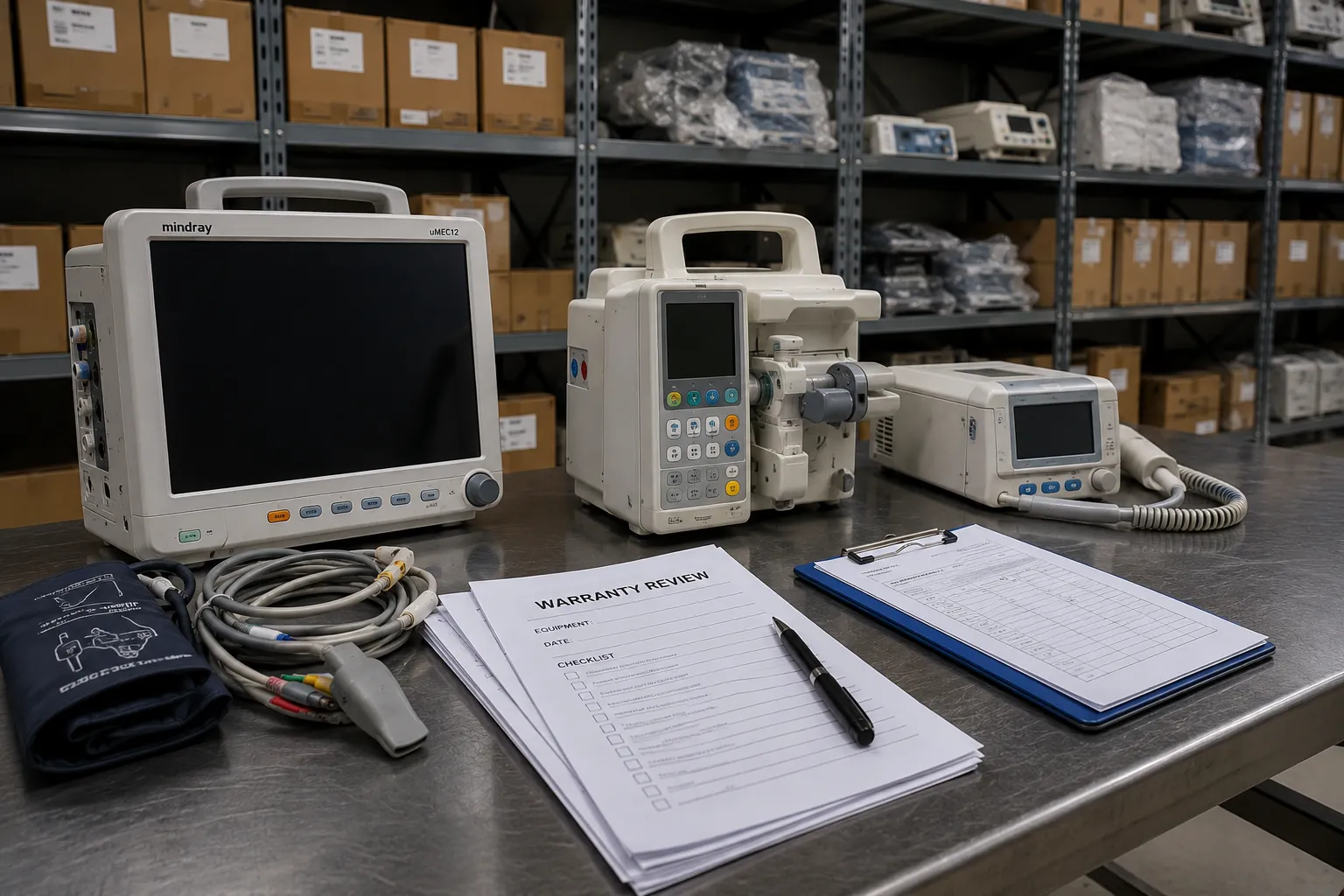
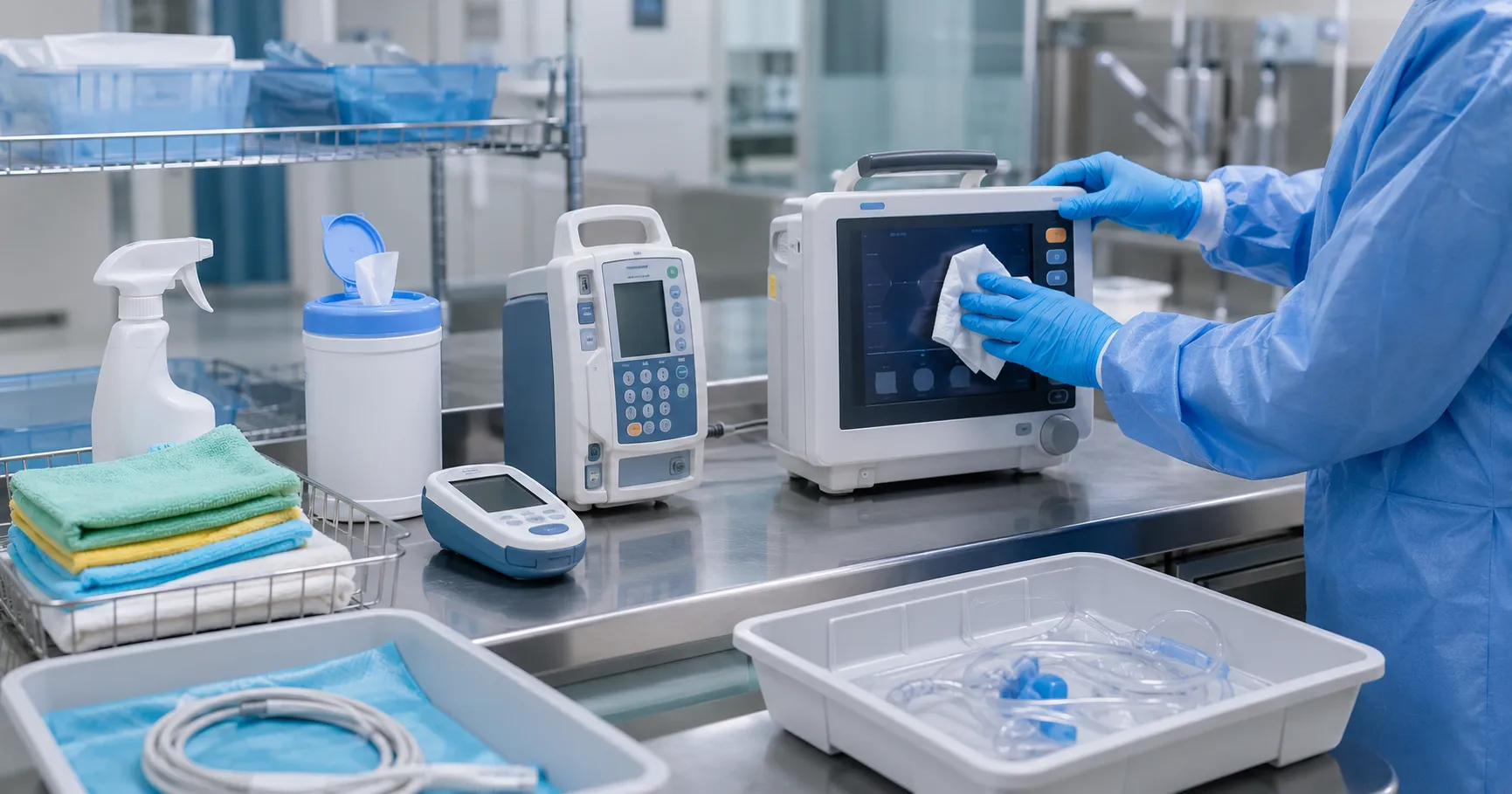
Shared medical equipment may pass through several patients, departments, and storage locations during a single working period. Without a controlled cleaning workflow, staff can lose track of whether a device has been cleaned, inspected or approved for reuse. Equipment may also be damaged when unsuitable chemicals, excessive moisture or incorrect methods are applied.
For healthcare buyers, cleaning requirements should be assessed before purchasing equipment. Buyers need to know which surfaces and accessories require cleaning, which products can be used, and whether the process fits the hospital’s staffing, infection control, and turnaround requirements.
Cleaning, disinfection and sterilisation are not interchangeable processes. The required method depends on the equipment, intended use, manufacturer instructions and applicable local infection-prevention policies.
A structured workflow gives hospital teams clear responsibilities from collection through cleaning, inspection, documentation and release. This guide explains how facilities can organise that process while protecting equipment condition and clinical availability.
How a Controlled Cleaning Workflow Supports Equipment Readiness
A medical equipment cleaning workflow should identify every stage in between the completion of clinical use and the safe return to service. Each stage needs a responsible person, an approved method and a visible equipment status.
Point-of-use preparation — Staff should complete any immediate preparation required after use, such as removing disposable items, disconnecting approved accessories or containing visible contamination. Delays can allow material to dry on surfaces, making later cleaning more difficult.
In practice, procurement teams often find that workflow failures begin because staff assume another department will complete the first cleaning step.
Safe collection and movement — Used equipment should follow a defined route that limits contact with clean devices, public areas, and unrelated supplies. Transport trolleys or protective containers may be required for certain equipment.
Cleaning before disinfection — Visible soil and residue can affect later contamination-control steps. Hospital procedures should therefore distinguish physical cleaning from any required disinfection or sterilisation process.
Clearly assigned responsibility — The workflow should show whether clinical users, environmental services, sterile-processing staff or biomedical engineers perform each task. Shared responsibility without a named owner often leads to missed steps.
Inspection before release — Equipment should be checked for remaining contamination, surface damage, missing accessories and obvious functional concerns. A device should not be marked ready merely because its external surfaces appear clean.
Visible release status — Staff need a reliable way to identify ready equipment, awaiting cleaning, quarantined, or under repair. Labels, digital records or controlled storage zones can support this distinction.
A useful workflow makes the correct process easy to follow during routine activity and periods of high clinical demand.
Cleaning Workflows Across Different Healthcare Settings
Cleaning requirements vary according to equipment use, patient contact, facility layout and access to specialised processing areas.
Large hospitals and teaching facilities — Major hospitals may manage central equipment libraries, departmental cleaning stations and sterile-processing services. Shared equipment can move between wards, operating areas and critical care units, making status tracking essential.
Central processes can improve consistency, but transport and turnaround times must remain practical.
District and regional hospitals — Regional facilities may have fewer dedicated cleaning areas and limited access to replacement equipment. When sourcing from regulated and certified equipment suppliers worldwide, buyers should confirm whether approved cleaning instructions and compatible materials are readily available.
Experienced clinical supply managers typically examine cleaning requirements during product evaluation rather than after delivery.
Community clinics and outpatient centres — Smaller facilities may clean equipment close to the point of use. The workflow should still separate used and ready equipment and prevent cleaning supplies from entering inappropriate clinical areas.
Compact equipment should not be selected solely because it saves space if its surfaces and accessories are difficult to process.
Operating theatres and treatment areas — Surgical and procedural equipment may require several levels of processing depending on its use. Reusable accessories should be identified separately from the main device because they may follow different cleaning, disinfection or sterilisation routes.
Diagnostic and laboratory facilities — Analysers, imaging devices and examination equipment may contain sensitive displays, controls, probes and ventilation openings. Fluid control and material compatibility are particularly important.
Mobile and outreach healthcare services — Cleaning may occur in vehicles or temporary locations with limited water, power and storage. Teams should plan approved supplies, waste handling, drying and separation of used and ready equipment.
Multi-facility healthcare networks — Group-wide procedures can support standardisation, but each site should confirm that approved products, space and trained staff are available.
The workflow should match the environment in which the equipment is actually used and processed.
Technical Factors That Affect Safe Equipment Cleaning
Medical equipment is made from plastics, metals, seals, displays, coatings and electronic components that may react differently to cleaning products and repeated processing.
Manufacturer instructions for use — The current instructions should identify permitted cleaning agents, concentrations, contact methods and fluid limitations. Hospital procedures should not rely on assumptions based on visually similar equipment.
Where instructions are unclear, the manufacturer or authorised supplier should provide clarification before the device enters routine use.
Material compatibility — Repeated exposure to unsuitable chemicals can cause cracking, fading, corrosion, clouded screens or damaged seals. These changes may affect both appearance and equipment integrity.
Moisture and electrical protection — Liquids should not enter connectors, vents, switches or battery compartments unless the equipment has been designed for the specified exposure. Spraying products directly onto powered equipment may create an avoidable risk.
Required contact period — Where a product requires a defined wet-contact period, the workflow should allow staff to maintain it without damaging the device. A product that dries too quickly or leaves excessive residue may be unsuitable for the process.
Detachable accessories — probes, cables, cuffs, sensors, and reusable attachments — may require separate instructions. Teams should avoid assuming that accessories can tolerate the same method as the main device.
Disassembly and reassembly — Some equipment must be partially dismantled to reach contaminated surfaces. The process should remain simple enough for trained staff to complete without losing parts or assembling the device incorrectly.
Drying requirements — Equipment and accessories should be dry before storage, charging or reconnection. Trapped moisture can affect electronics, connectors and packaging.
Post-cleaning function check — Alarms, controls, cables and moving components may need inspection after cleaning. A biomedical engineering review should be requested when damage or fluid entry is suspected.
Technical cleaning requirements should be included in training documents and equipment records rather than passed informally between staff.
How Procurement Teams Should Evaluate Cleaning Requirements
Cleaning compatibility should be treated as a purchasing criterion. Equipment that is difficult or expensive to process can create recurring workflow, infection-control and maintenance problems.
Review the intended environment — Buyers should establish how often the equipment will be used, which patients it will contact and where cleaning will occur. A device suitable for occasional use may not support rapid turnover across several departments.
Request complete cleaning instructions — Supplier documents should cover the main device, reusable accessories and detachable components. Instructions should clearly identify prohibited products and methods.
Assess published equipment information — Medical equipment advertising reaching international procurement teams should provide accurate information on materials, accessories, and cleaning. Procurement teams should verify public claims against formal manufacturer instructions before approval.
Calculate workflow costs — Buyers should consider cleaning products, reusable covers, replacement accessories, staff time and equipment downtime. A lower purchase price may provide limited value if every turnaround requires a lengthy process.
Check compatibility with hospital products — The equipment should be evaluated against the facility’s approved cleaning and contamination-control products. Introducing a separate product for a single device can complicate storage, training, and stock management.
Include infection-control review — Infection-prevention teams should review equipment with complex surfaces, reusable patient-contact parts or difficult-to-access areas. Procurement approval should record unresolved limitations.
Plan staff training — Training should cover product preparation, cleaning sequence, contact requirements, drying, inspection and equipment-status recording. Short supplier demonstrations may need to be converted into facility-specific procedures.
Healthcare groups standardising equipment across several locations may benefit from collaborative global distribution and procurement partnerships. These arrangements should still require verified cleaning instructions, compatible accessories and measurable documentation support.
Protecting Equipment Condition Through Repeated Cleaning
Cleaning processes occur throughout the equipment lifecycle. Small amounts of damage can accumulate until labels, surfaces, cables, or seals become difficult to maintain.
Routine surface inspection — Staff should look for cracks, peeling coatings, damaged labels, loose seals and corrosion. These defects can create areas that are difficult to clean and may require technical assessment.
Cable and connector checks — Repeated wiping, bending,g and chemical exposure can damage insulation and connection points. Cables should be inspected before they are returned to storage.
Accessory replacement planning — Reusable cuffs, pads, sensors and covers may have defined replacement limits. Procurement teams should budget for wear caused by both clinical use and repeated cleaning.
Cleaning-product control — Unapproved products should not enter equipment-cleaning stations. Decanted solutions should be managed in accordance with the facility policy, with clear identification and expiry controls where relevant.
Preventive maintenance coordination — Cleaning damage and fluid entry should be recorded in maintenance reports. Biomedical engineers can use these records to identify unsuitable methods or repeated user errors.
Cleaning records and traceability — High-risk or shared equipment may require documented cleaning status. Records can include the equipment identity, date, responsible person and identified problem.
Storage after cleaning — Cleaned equipment should be stored dry, complete and protected from recontamination. Clean and used equipment should not be stored in the same uncontrolled area.
Facilities with limited local technical support may incur high costs when cleaning damage requires replacement parts or a specialist engineer's travel. Protecting materials and electronics can therefore reduce total ownership expenditure.
International Sourcing and Cleaning-Workflow Readiness
International equipment purchases can introduce cleaning challenges when instructions, approved products or replacement accessories differ from those available at the destination.
Availability of instructions — Buyers should obtain current cleaning information in a usable language and format. Product manuals should arrive before installation and staff training.
Regional product availability — A cleaning agent referenced by the manufacturer may not be available in every market. Buyers should confirm approved alternatives before placing the equipment into use.
New and refurbished equipment — New equipment should arrive protected and free from shipping contamination before commissioning. Professionally refurbished equipment should include documented inspection, cleaning and condition information.
Packaging and delivery condition — Equipment should be inspected for moisture, dust, damaged seals and compromised protective packaging. Delivery inspection should occur before items are moved into clean storage.
Reusable-accessory supply — International lead times for probes, covers, cuffs and other reusable components may affect cleaning rotation and equipment availability. Facilities may need additional accessory sets.
Training across locations — International suppliers should explain how cleaning and user training will be delivered. Remote instruction may need to be supported by facility procedures and practical competency checks.
Compliance with local procedures — Manufacturer guidance must be applied alongside applicable local infection-prevention and occupational-safety requirements. Where requirements conflict or remain unclear, the equipment should not be released until the issue is resolved.
Specialist sourcing support — Hospital teams evaluating cleaning compatibility, accessories or international equipment requirements can contact the Medigear.uk team for supply support. A useful enquiry should include the equipment type, quantity, destination and required clinical environment.
Cleaning workflow readiness should be confirmed before shipment so equipment can move safely from commissioning into routine use.
Final thoughts
A medical equipment cleaning workflow helps hospital teams control the process between use and safe return to service. It should identify responsibilities, approved methods, equipment status and the process for reporting damage or uncertainty.
Manufacturer instructions, material compatibility and local contamination-control requirements should guide each procedure. One cleaning method should not be applied automatically to every device or accessory.
Procurement teams should assess cleaning requirements before purchasing equipment. Turnaround time, staff training, approved products, reusable accessories and maintenance risks can all affect long-term value.
A controlled workflow protects equipment condition, improves traceability and helps clinical teams access devices that are clean, complete and ready for use.
Disclaimer
Medigear.uk is a global medical equipment supplier, exporter, and distributor. The content published on this site is intended for educational and product awareness purposes only. Nothing on this page constitutes medical advice, clinical guidance, or treatment recommendations. All healthcare procurement and clinical decisions should be made by qualified medical professionals and compliant procurement teams operating within the regulatory frameworks of their respective countries.