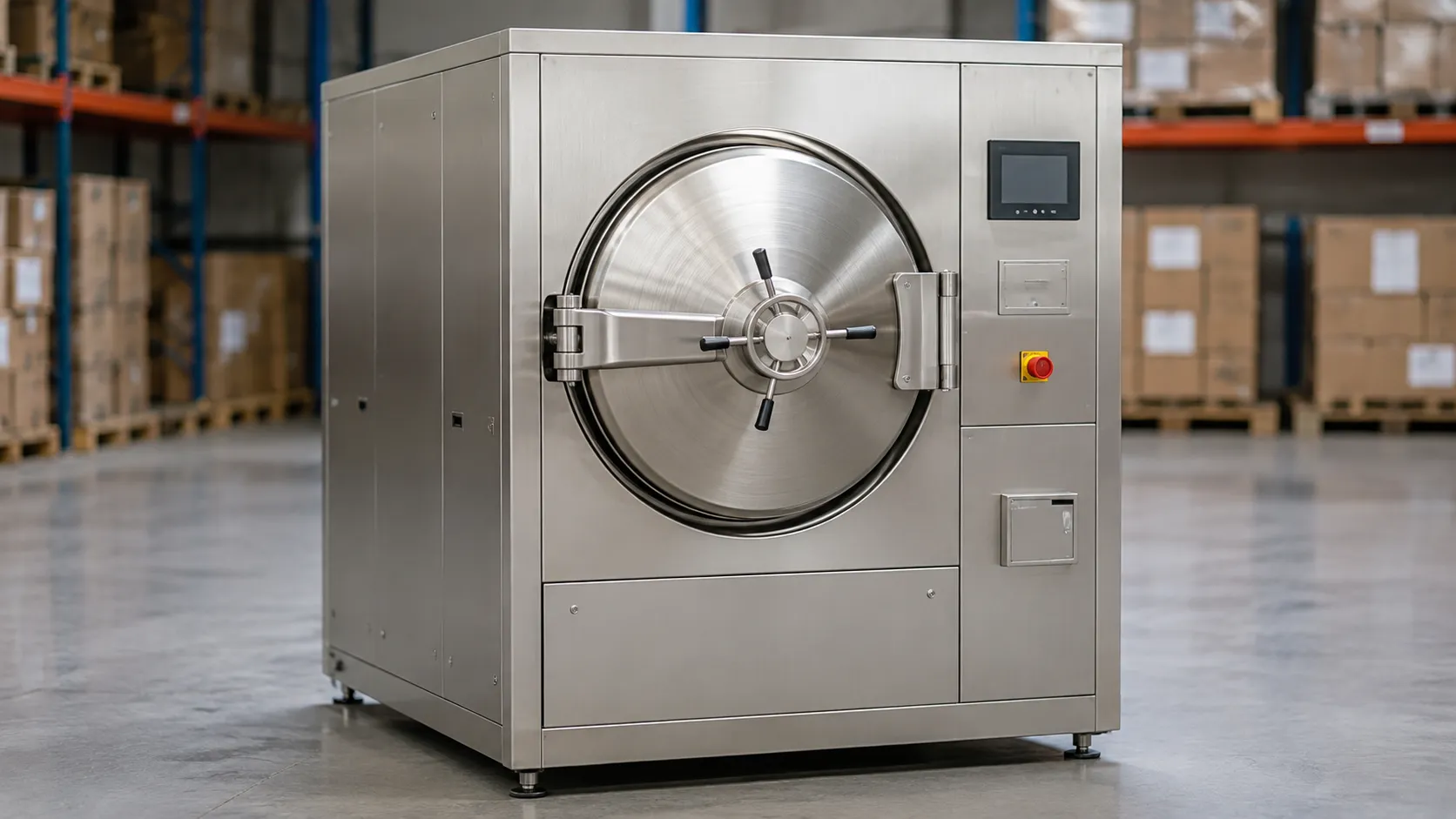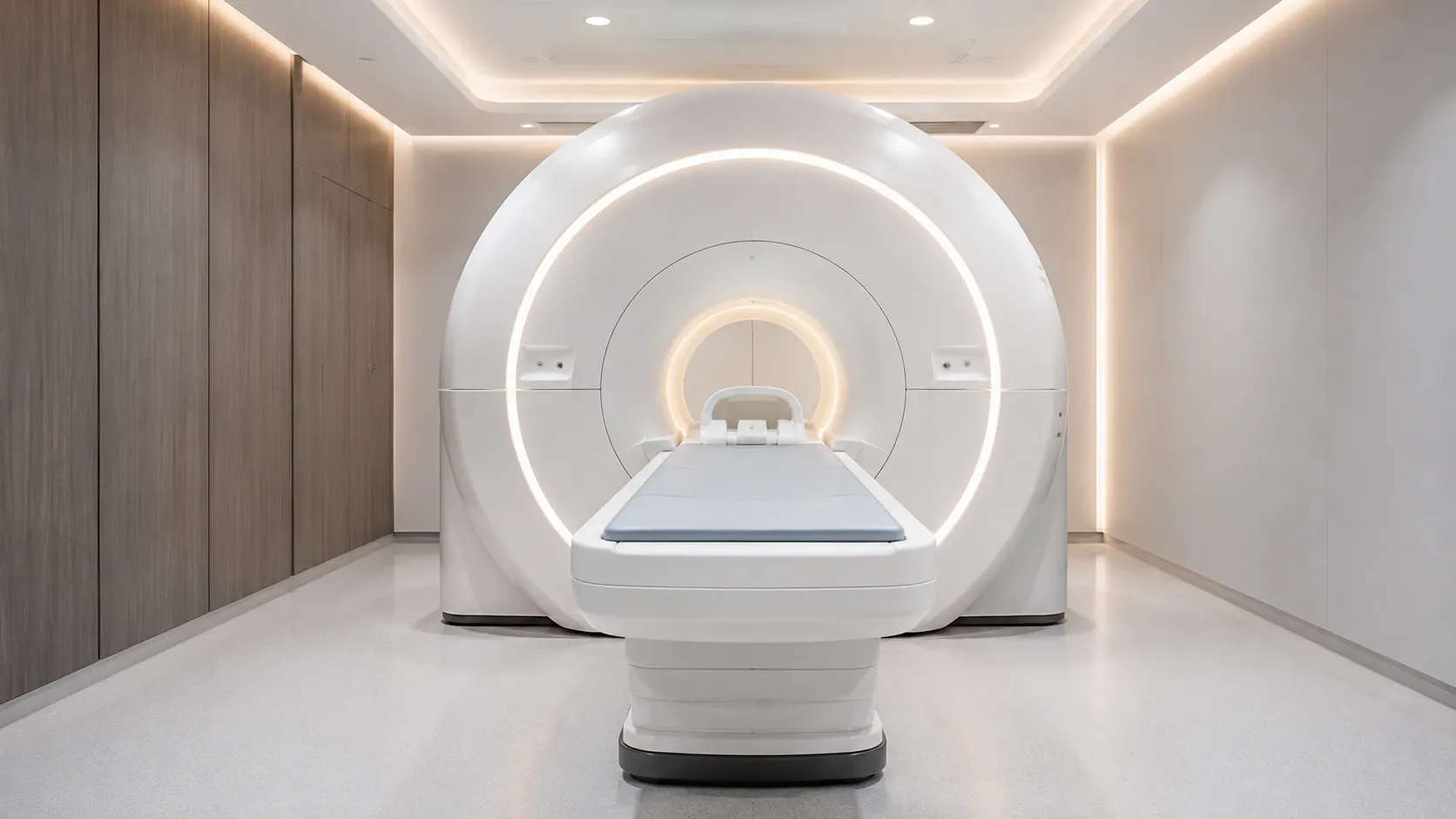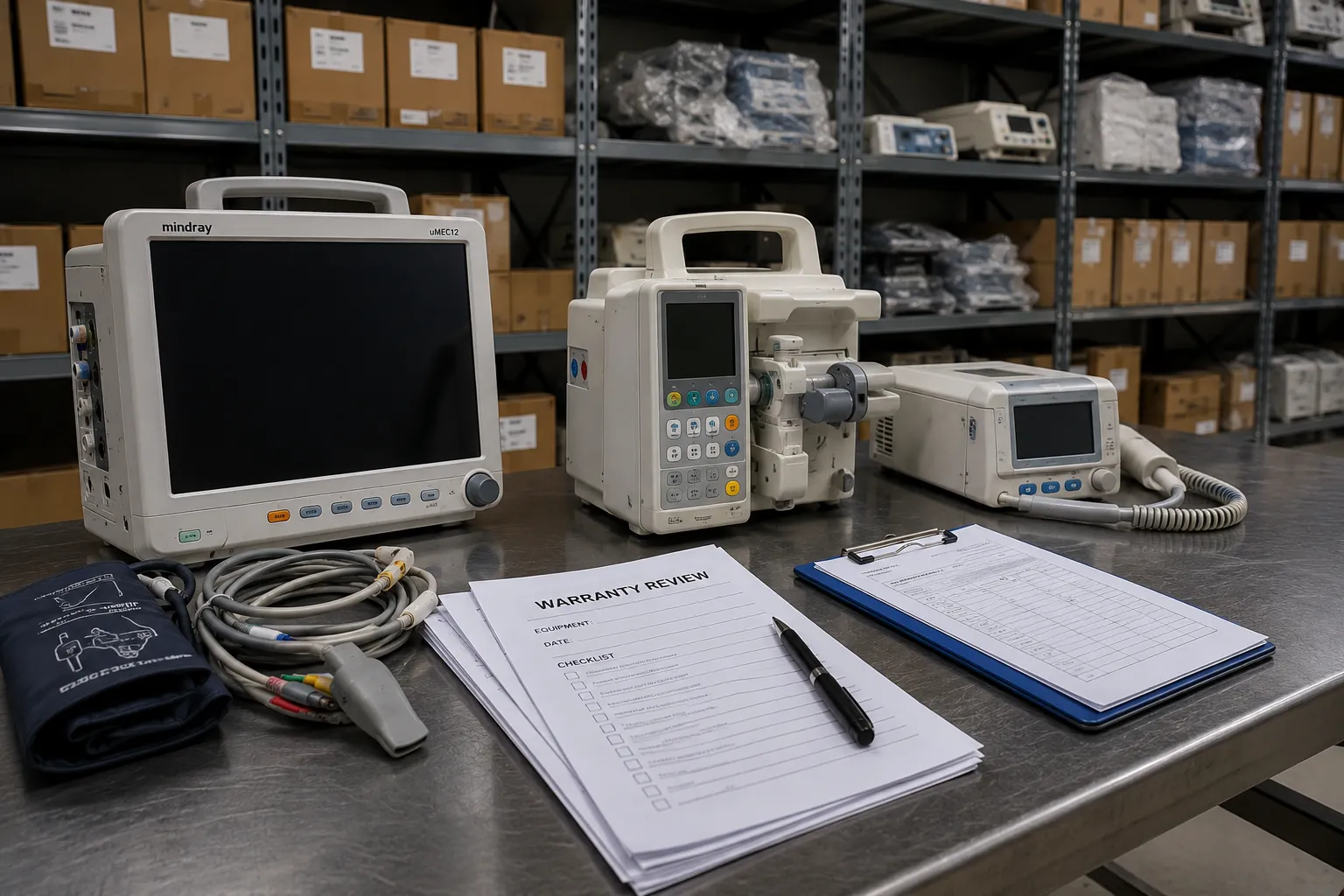

Medical equipment can become unavailable even when it is physically present within a healthcare facility. Devices may be placed in overcrowded rooms, stored without charging, mixed with equipment awaiting cleaning or moved without updating asset records. Staff then spend valuable time locating equipment or discover that it is not ready for clinical use.
For healthcare buyers and clinic procurement teams, hospital equipment storage planning should begin before new products are delivered. Buyers need to understand where equipment will be kept, how it will be protected and who will control movement, inspection and release.
Storage requirements differ according to equipment type, clinical risk, frequency of use and environmental sensitivity. Portable monitors, surgical equipment, laboratory devices, hospital furniture and spare units cannot always be managed through the same storage process.
A structured storage plan protects equipment condition, improves traceability and supports faster clinical access. This guide explains how healthcare teams can design storage areas, organise equipment and manage assets throughout their service life.
How Storage Planning Supports Clinical Readiness
Equipment storage is an operational function rather than a simple requirement for unused floor space. A well-designed storage system helps ensure that devices remain clean, complete and ready when clinical teams need them.
Immediate equipment availability — Frequently used devices should be placed where authorised staff can retrieve them without unnecessary delay. Storage location should reflect the departments using the equipment and the clinical consequences of slow access.
In practice, procurement teams often find that devices are purchased in sufficient numbers but remain difficult to locate because departments use informal storage areas.
Equipment-condition protection — Impacts, dust, moisture, heat, or improper stacking can damage medical devices. Storage plans should reflect manufacturer guidance and the physical sensitivity of each product.
Clear equipment status — Staff should be able to identify whether a device is clean, ready for use, awaiting inspection, under repair or scheduled for disposal. Equipment with different statuses should not be mixed without clear control in the place.
Clinical workflow support — Storage should follow the equipment's movement through use, cleaning, inspection, and return. Poorly planned movement routes can cause delays or increase the risk of clean and contaminated items crossing paths.
Accessory completeness — Equipment should remain stored with the correct cables, probes, batteries, stands and reusable accessories. Missing accessories can make an otherwise functional device unusable.
Safe movement and handling — Trolleys, lifting aids and access routes should support the weight and dimensions of stored equipment. Large devices should not block emergency routes, doors or fire-safety equipment.
Storage planning supports clinical readiness by ensuring equipment is available in the correct condition, configuration, and location.
Storage Requirements Across Healthcare Settings
Storage arrangements should reflect the facility's size, equipment workload, and available space. One central storage system may work for some organisations, while others require a combination of departmental and shared areas.
Large hospitals and teaching facilities — Major hospitals may need central equipment libraries, departmental storage rooms and controlled areas for specialised systems. Asset movement should be recorded because equipment may travel between wards, theatres and diagnostic departments.
Central storage can improve utilisation, but response times and internal transport capacity must remain adequate.
District and regional hospitals — Regional facilities may hold larger quantities of spare parts or backup equipment because external support can take longer to reach the site. When sourcing from specialist medical equipment supply networks, buyers should confirm storage conditions, packaging and battery requirements before delivery.
Experienced clinical supply managers typically request manufacturer storage guidance for equipment expected to remain unused for extended periods.
Community clinics and outpatient centres — Smaller facilities may have limited dedicated storage space. Mobile shelving, secure cabinets and clearly assigned equipment zones can improve organisation without obstructing clinical rooms.
Frequently used equipment should remain accessible without being left in corridors or treatment areas.
Diagnostic and laboratory facilities — Laboratory storage may require temperature control, refrigeration, humidity monitoring or separation of reagents and technical components. Equipment and consumables should be managed according to their individual storage conditions.
Surgical and sterilisation areas — Clean equipment, sterile items, and devices awaiting decontamination require controlled separation. Storage design should support infection-control workflows and prevent damage to wrapped or processed items.
Mobile and outreach healthcare services — Equipment may remain in vehicles, transport cases or temporary facilities. Storage planning should consider vibration, heat, battery charging, theft and repeated movement.
Multi-facility healthcare networks — Central warehouses may support several hospitals or clinics. Inventory systems should identify which facility owns, holds and uses each device.
Storage models should be adapted to actual clinical operations rather than copied from facilities with different services and resources.
Technical Conditions Required for Equipment Storage
Medical equipment storage areas should provide environmental, physical and electrical conditions that protect product performance. Requirements vary by device and should be confirmed before a storage area is approved.
Temperature and humidity control — Some devices, batteries, sensors and diagnostic accessories can deteriorate outside specified environmental ranges. Healthcare teams should monitor conditions where sensitive equipment is stored.
Uncontrolled storage may affect performance even when no visible damage is present.
Cleanliness and dust control — Dust can enter vents, connectors and mechanical components. Storage rooms should be included in regular cleaning schedules and should not be used for unrelated maintenance materials.
Ventilation and heat management — Charging batteries and operating storage-room equipment can produce heat. Ventilation should prevent excessive temperature and reduce risks associated with unsuitable charging environments.
Electrical access — Equipment that requires periodic charging should have safe electrical points and controlled charging procedures. Extension leads and overloaded sockets should not be used as permanent storage solutions.
Shelving and weight capacity — Shelves, racks and cabinets should support the weight and dimensions of stored devices. Heavy equipment should be placed at suitable heights to reduce the risk of lifting.
Protection from impact — Equipment should not be stacked in a way that could cause it to fall or be damaged during movement. Protective covers, transport cases and wheel locks may be required.
Network and monitoring access — Connected asset systems may require barcode, RFID or wireless coverage within storage areas. Environmental sensors may also need network connectivity.
Fire and emergency safety — Storage plans should preserve access to exits, alarms, extinguishers and emergency systems. Equipment should not block corridors or create unstable loads.
Security controls — High-value, controlled or portable devices may require restricted access, secure cabinets or movement authorisation. Security should not prevent urgent clinical access.
Technical storage conditions should be documented for each equipment category rather than assumed based on the device's appearance.
How Healthcare Teams Should Design Storage Controls
Storage controls should make it easy for staff to follow the correct process. Complex procedures are less likely to work when equipment is frequently moved or accessed by multiple departments.
Create defined storage zones — Areas can be designated for ready-to-use equipment, cleaning, quarantine, repair, accessories and disposal. Clear zoning reduces confusion and supports infection-control requirements.
Use consistent equipment identification — Asset numbers, barcodes, or other identifiers should remain visible. Labels should not cover manufacturer or regulatory information.
Maintain movement records — Healthcare teams should record when equipment leaves storage, where it goes and who is responsible. Digital systems may improve traceability where equipment moves frequently.
Review supplier information carefully — Healthcare equipment vendors advertising across global markets should provide accurate information about storage temperature, humidity, charging and packaging. Buyers should verify these requirements through formal manuals and technical documents.
Separate equipment by status — Clean, damaged, recalled, repaired,d and decommissioned devices should be clearly distinguished. Equipment under investigation should not be accidentally returned to clinical use.
Control accessories and consumables — Cables, probes, and reusable components should be linked to the correct equipment. Consumables should be stored according to shelf life, batch and environmental requirements.
Establish inspection schedules — Stored equipment should be checked for damage, missing accessories, expired consumables, battery condition and overdue maintenance. Inspection frequency should reflect risk and expected storage duration.
Healthcare organisations managing shared storage and distribution across several sites may benefit from structured distribution and reseller partnership arrangements. These arrangements should still include clear responsibilities for handling, storage, documentation, and delivery.
Maintenance and Equipment Condition During Storage
Equipment that is not used regularly still requires management. Storage can hide declining battery condition, environmental damage or overdue maintenance until the device is urgently needed.
Battery inspection and charging — Rechargeable batteries may lose capacity during extended storage. Teams should follow the manufacturer's guidance for charging intervals, storage levels, and replacement.
Preventive maintenance status — Stored devices should remain within approved maintenance and calibration schedules. Lack of use does not automatically remove inspection requirements.
Cleaning and decontamination — Equipment should enter clean storage only after required cleaning or decontamination. Records may be necessary where equipment moves between departments or facilities.
Protection of mechanical parts — Wheels, brakes, adjustment mechanisms and moving components should be checked during storage inspections. Long periods of inactivity may affect certain mechanical systems.
Software and time-sensitive updates — Connected equipment may require software updates, licence renewals or security patches even when it is stored. Equipment should not return to service without confirming its digital status.
Accessory expiry and deterioration — Sensors, adhesive products, sterile items and other accessories may expire or degrade. Stored equipment packages should be reviewed as complete clinical configurations.
Recall and safety-notice control — Asset records should allow affected equipment to be located and isolated quickly. Storage teams should prevent recalled devices from returning to use until corrective action is complete.
Long-term storage decisions — Equipment stored for extended periods should be reviewed for redeployment, resale, refurbishment or disposal. Keeping unused assets indefinitely can consume space and hide lifecycle costs.
Facilities with limited technical support may need more frequent storage inspections because late-discovered faults can take longer to resolve.
International Delivery, Warehousing and Storage Risk
International purchasing can involve temporary warehousing before the equipment reaches the healthcare facility. Storage responsibilities should remain clear throughout transport and delivery.
Supplier packaging standards — Packaging should protect equipment against shock, moisture, dust and transport conditions. Buyers should confirm whether the original packaging should be retained for future movement or warranty returns.
Warehouse environmental controls — Equipment may remain in supplier, freight or customs warehouses. Temperature-sensitive products should not be stored in uncontrolled areas without appropriate protection.
Delivery inspection — Packaging and equipment should be inspected for visible damage, moisture, impact and missing components. Photographs and signed records can support claims.
Customs and storage delays — Missing import documents may cause equipment to remain in storage longer than planned. Buyers should review invoices, packing lists and conformity documents before dispatch.
New and refurbished equipment — Professionally refurbished equipment should arrive clean, protected and supported by condition and service documentation. Storage requirements may differ where batteries or accessories have already been used.
Site readiness — Equipment should not be delivered before storage or installation areas are prepared. Early arrival can lead to overcrowding, damage and reduced effective warranty coverage.
Insurance and responsibility — Commercial terms should identify who carries risk during freight, customs storage, unloading and final delivery. Insurance coverage should match equipment value and sensitivity.
Specialist sourcing assistance — Healthcare teams planning international deliveries, temporary warehousing or multi-category equipment orders can contact the Medigear.uk team for supply support. A useful enquiry should include equipment type, quantity, destination and expected delivery and storage arrangements.
International storage planning should cover the complete route from supplier release to clinical acceptance.
Final thoughts
Hospital equipment storage planning protects medical devices from damage, loss, contamination and avoidable deterioration. It also helps healthcare teams locate equipment quickly and confirm that it is ready for clinical use.
A strong storage plan uses defined zones, accurate asset identification, movement records and regular inspections. Environmental conditions, charging requirements and equipment status should remain visible throughout storage.
Storage requirements must reflect equipment risk and facility conditions. Critical care devices, laboratory systems, portable equipment and hospital furniture may need different controls.
Healthcare teams should review stored equipment regularly and decide whether unused assets should be redeployed, refurbished or removed. Controlled storage supports equipment availability, lifecycle management and safer clinical operations.
Disclaimer
Medigear.uk is a global medical equipment supplier, exporter, and distributor. The content published on this site is intended for educational and product awareness purposes only. Nothing on this page constitutes medical advice, clinical guidance, or treatment recommendations. All healthcare procurement and clinical decisions should be made by qualified medical professionals and compliant procurement teams operating within the regulatory frameworks of their respective countries.