Medical equipment budgets are often prepared under competing pressures. A healthcare facility may need to replace ageing equipment, expand clinical capacity, improve diagnostic services, meet new infrastructure requirements, and maintain existing assets simultaneously. Available funding, however, rarely increases at the same pace as every operational requirement.
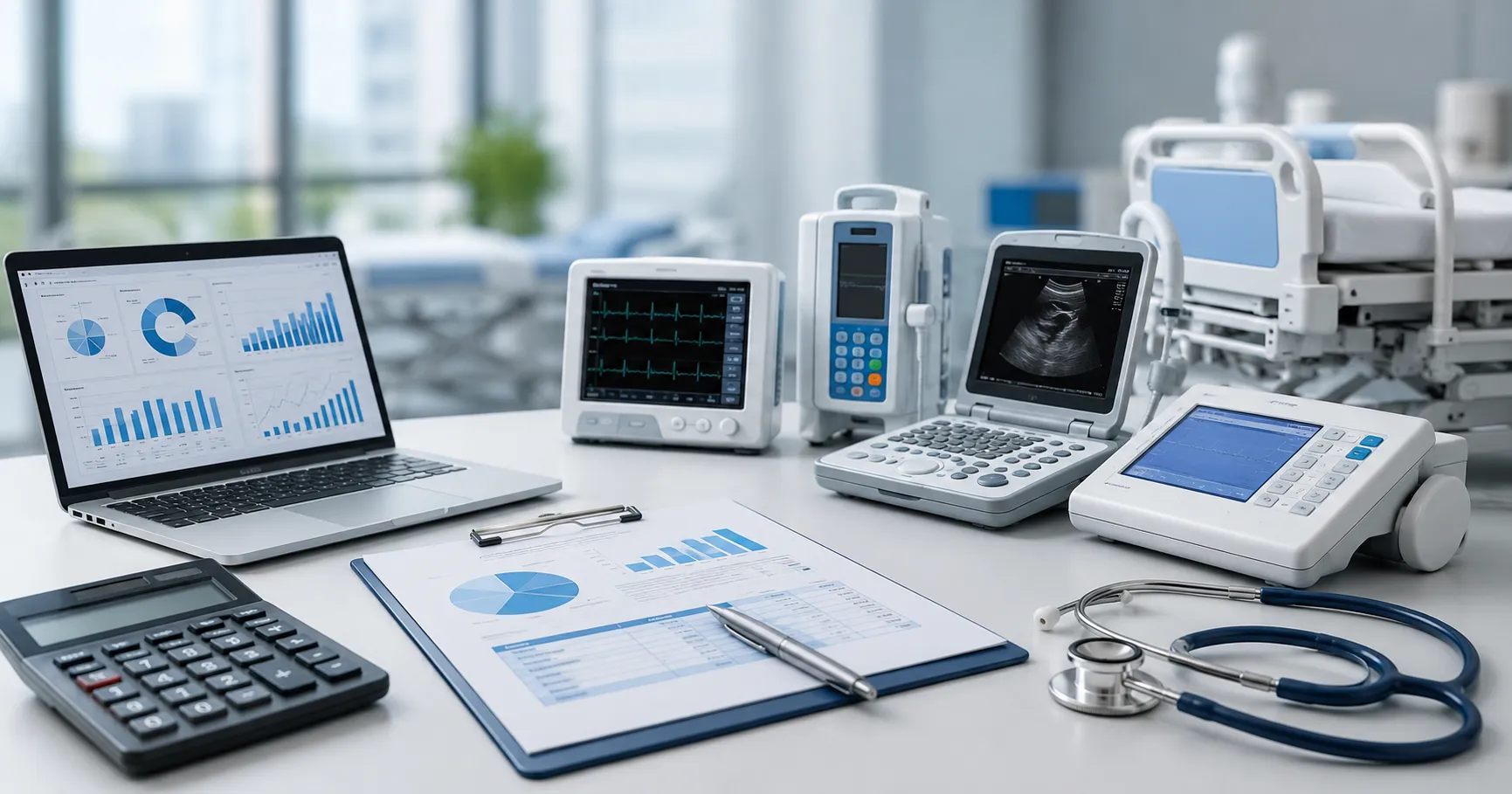
For medical equipment buyers and professionals worldwide, effective budget planning means looking beyond the purchase quotation. A realistic budget must account for clinical priorities, installation, infrastructure, training, consumables, maintenance, spare parts, regulatory obligations, and eventual replacement. WHO guidance places medical equipment within a broader health technology management cycle that includes planning, budgeting, selection, procurement, installation, training, maintenance, and eventual decommissioning.
This Medigear.uk guide explains how healthcare facilities can build a more practical medical equipment budget and make better-informed decisions about equipment investment, lifecycle costs, procurement priorities, and long-term service requirements.
Start Medical Equipment Budget Planning With Clinical Priorities
A healthcare equipment budget should begin with clinical and operational needs rather than available products. The first question is not simply how much equipment can be purchased, but which equipment will have the greatest effect on safe and effective healthcare delivery.
Clinical Service Needs — Review the services the facility currently provides and the services it plans to introduce or expand. Equipment requirements for a large teaching hospital may differ substantially from those of a district hospital, community health centre, mobile service, or specialist clinic.
Patient Demand — Examine workload, patient volumes, referral patterns, waiting times, and expected future demand. Equipment that is adequate for current activity may become insufficient if the facility is expanding its services.
Patient Safety Priorities — Ageing, unreliable, or unsupported equipment may create a higher priority than purchasing a new device with additional advanced features. Budget decisions should consider the consequences of equipment failure and the availability of alternatives.
Service Development Plans — New departments, expanded diagnostic capacity, surgical services, neonatal care, rehabilitation, and digital health initiatives may require coordinated equipment investments rather than isolated purchases.
WHO notes that medical device selection and planning should support access to appropriate, safe, effective, and quality equipment, while health technology assessment can help evaluate clinical, economic, ethical, and social implications of technology decisions.
A practical budget therefore starts with a prioritised equipment needs assessment.
Map the Full Cost of Bringing Equipment Into Service
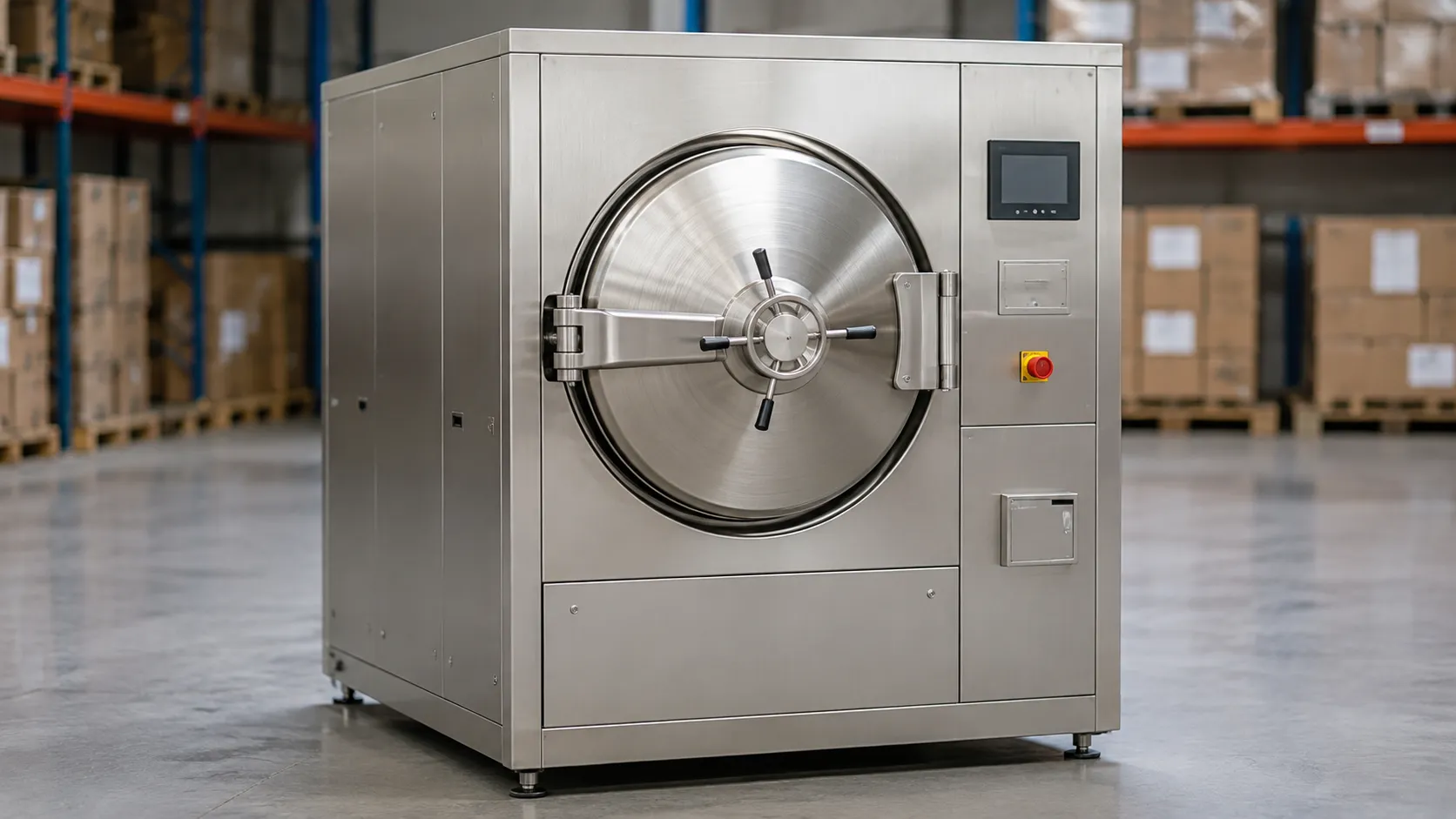
The quoted purchase price is only one part of the financial requirement. Equipment may need site preparation, additional utilities, software, accessories, training, and commissioning before it can support clinical work.
Purchase and Delivery Costs — Include the equipment price, shipping, insurance, customs-related costs where applicable, local transport, and other acquisition expenses. International procurement may involve additional documentation and logistics requirements that should be considered before approving the budget.
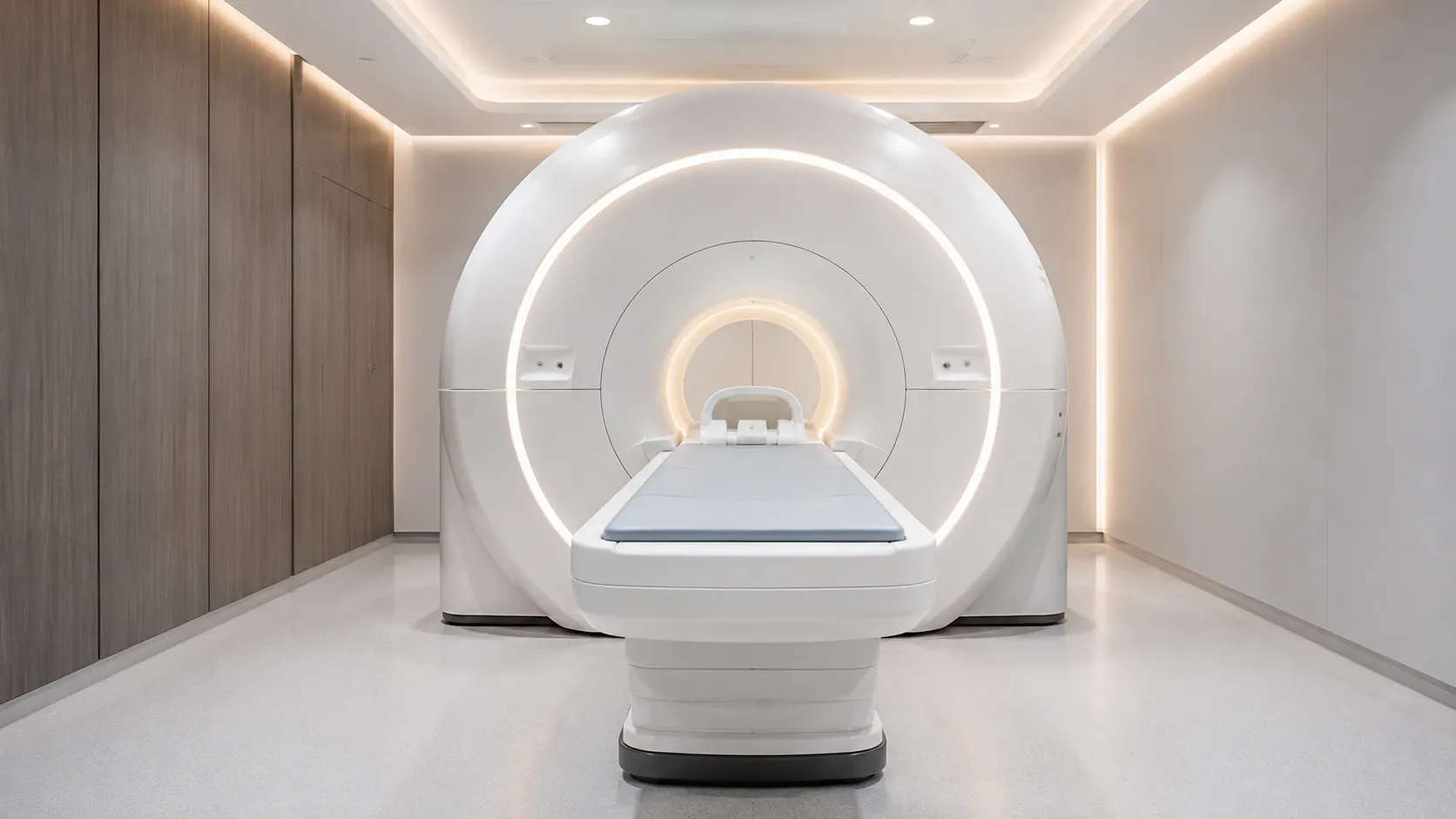
Installation and Commissioning — Some equipment requires specialist installation, room preparation, testing, calibration, or commissioning. Large systems may require structural work, ventilation, electrical upgrades, network connections, or other infrastructure investment.
Training Costs — Budget for clinical user training, technical training, refresher sessions, and training materials where required. A facility may purchase suitable equipment but fail to obtain its full value if users are not adequately trained.
Supporting Infrastructure — Power supply, backup systems, ventilation, water, gases, data connectivity, room modifications, and environmental controls can all affect the real cost of deployment.
Facilities working with verified global medical equipment suppliers should request a complete understanding of the equipment package, including required accessories, installation conditions, documentation, and service support rather than budgeting around the base unit alone.
Separate Capital Investment From Recurring Operating Costs
A strong medical equipment budget distinguishes between one-time investment and the recurring expenditure required to keep the equipment operational.
Capital Equipment Expenditure — This generally covers the acquisition of major equipment and associated installation or infrastructure work, depending on the facility's accounting policies. Capital planning should consider the expected service life and strategic importance of the asset.
Routine Operating Costs — Consumables, software subscriptions, maintenance contracts, calibration, energy use, replacement batteries, filters, and other recurring requirements may continue for years after the purchase.
Service and Repair Expenditure — Equipment may require preventive maintenance, corrective repairs, spare parts, technical visits, or specialist support. These costs can vary significantly according to equipment complexity and local service availability.
Replacement Reserve — Facilities that plan only for the initial purchase may face future funding gaps when critical equipment reaches the end of its useful life. A replacement reserve or forward-looking asset plan can reduce this risk.
The distinction between capital and operating costs helps finance and clinical teams understand the full financial commitment associated with a new equipment purchase.
Use Total Cost of Ownership to Compare Equipment Options
Two equipment options with similar purchase prices can produce very different long-term costs. Total cost of ownership provides a more complete view of the financial impact.
Consumable Dependency — Some equipment requires proprietary or specialised consumables. The budget should consider expected usage, availability, import lead times, and price changes over the anticipated service life.
Maintenance Requirements — Preventive maintenance, calibration, software support, replacement parts, and service contracts can materially influence the long-term cost of ownership. Facilities with limited local technical support should assess the cost and time involved in obtaining specialist assistance.
Downtime Risk — Equipment that is unavailable for extended periods may create operational costs through cancelled procedures, delayed diagnosis, patient transfers, or reduced service capacity.
End-of-Life Costs — Decommissioning, disposal, replacement, data migration, and site preparation for new equipment may also require funding.
WHO's recent health technology management guidance describes the medical device lifecycle as extending from planning and procurement through installation, training, maintenance, and decommissioning.
A realistic budget should therefore compare the cost of keeping equipment functional, not simply the cost of acquiring it.
Prioritise Equipment Purchases With a Structured Evaluation
Healthcare facilities rarely have enough funding to purchase every requested item at once. A structured prioritisation method helps direct available resources toward the most important needs.
Clinical Importance — Give priority to equipment that directly supports essential or high-demand clinical services. The level of clinical dependency should be considered alongside equipment availability and alternatives.
Equipment Condition — Age, failure history, performance problems, lack of spare parts, and discontinued manufacturer support can increase replacement priority.
Operational Impact — Consider how equipment availability affects patient flow, waiting times, service capacity, and staff productivity.
Regulatory and Safety Requirements — Equipment that no longer meets applicable local regulatory, safety, or operational requirements may require urgent attention.
Funding Feasibility — A high-priority project may still require phased investment if the complete cost exceeds the current budget.
A scoring system can help procurement, clinical, biomedical engineering, finance, and management teams compare competing requests using consistent criteria.
Evaluate Suppliers and Procurement Routes Carefully
Budget planning is also a supplier evaluation exercise. A low quotation may not provide the best financial outcome if the equipment requires expensive support or has limited availability of parts and consumables.
Supplier Reliability — Assess experience, documentation, product support, financial stability, and the ability to deliver the required equipment configuration.
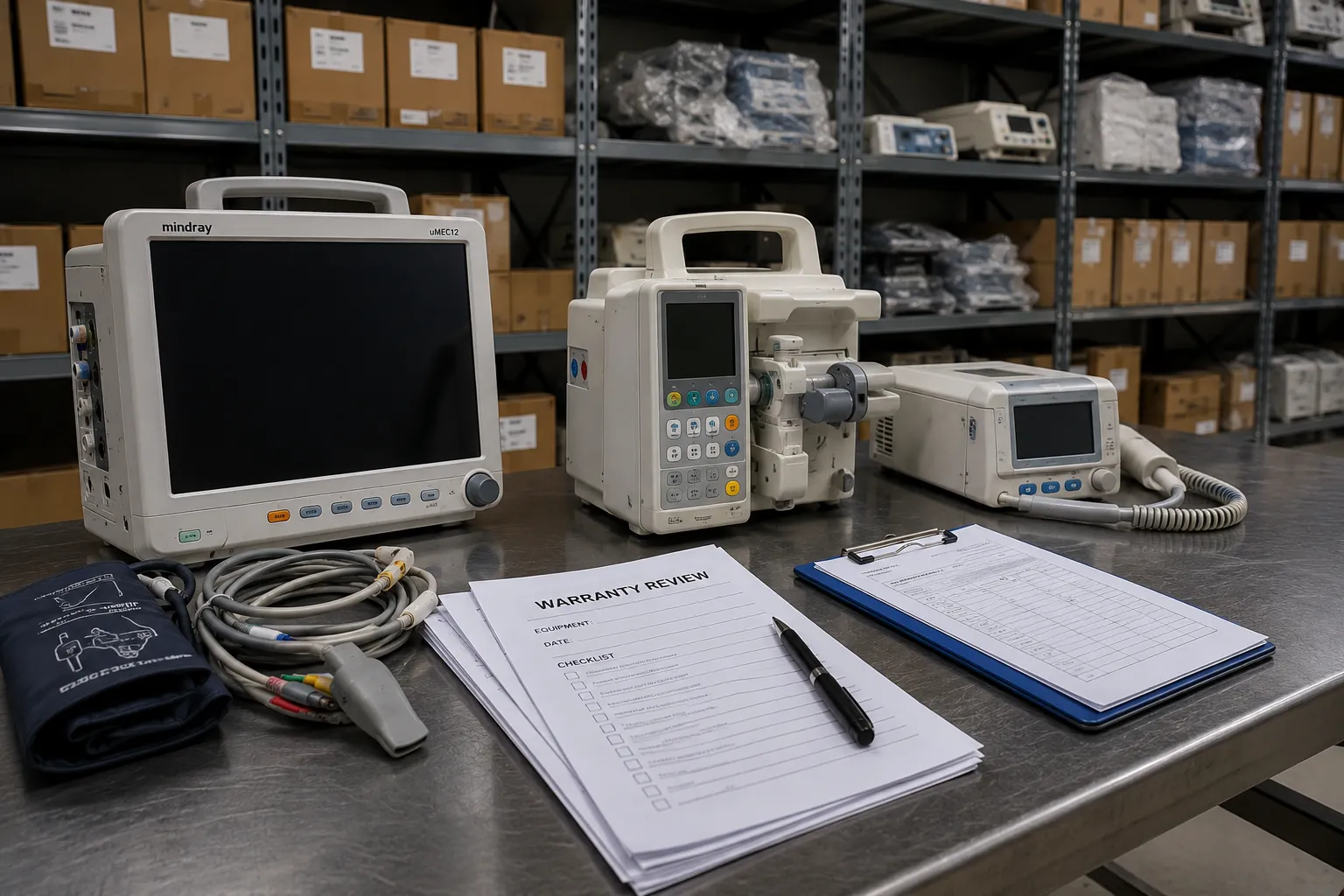
After-Sales Support — Clarify warranty coverage, response times, technical assistance, service locations, spare-parts availability, and escalation arrangements.
Suppliers and manufacturers advertising to global healthcare buyers should provide procurement teams with clear information about equipment configuration, lifecycle costs, technical support, and documentation so that financial decisions are not based solely on the initial quotation.
Procurement Competition — Where appropriate, compare technically suitable alternatives rather than selecting equipment based on familiarity or a single supplier relationship.
Long-Term Supply Relationships — Healthcare networks with multiple facilities may benefit from formal international supply chain partnerships that improve planning for equipment supply, replacement, documentation, spare parts, and ongoing support and contact at Medigear.uk.
WHO guidance also highlights the importance of evaluating supplier credibility and support capability, including warranties, spare parts, technical assistance, training, and maintenance capacity.
Include Maintenance and Replacement Planning in Annual Budgets
Equipment budgeting should continue after installation. Maintenance and replacement planning help protect the original investment.
Preventive Maintenance Funding — Allocate funds for scheduled inspections, servicing, calibration where applicable, and performance verification.
Repair and Spare Parts Planning — Some equipment requires expensive or imported components. A realistic budget should account for expected replacement parts and potential lead times.
Asset Inventory Management — Maintain records of equipment age, location, condition, maintenance history, warranty status, and replacement priority. Accurate asset information supports better budget forecasting.
Replacement Scheduling — Do not wait for every item to fail before planning replacement. A phased replacement programme can reduce emergency purchases and allow more predictable capital planning.
The cost of maintenance is often easier to manage when it is planned. Unscheduled failure can create a combination of repair costs, operational disruption, and urgent procurement pressure.
Build a Flexible Budget for Future Healthcare Requirements
Healthcare facilities operate in changing environments. Patient demand, clinical priorities, technology, supply chains, and regulatory requirements may change during the equipment's service life.
Technology Development — Digital connectivity, software, automation, data integration, and AI-enabled functions may influence future equipment planning. These features should be assessed according to real clinical value and infrastructure readiness rather than novelty alone.
Sustainability Considerations — Energy consumption, repairability, product longevity, consumable use, packaging, and end-of-life management may influence procurement decisions. WHO has highlighted sustainable procurement and supply-chain decarbonisation as areas requiring action across health systems.
Scalable Investment — Where appropriate, facilities may prefer equipment that can support future expansion, additional users, increased workload, or compatible upgrades.
Contingency Planning — Budgets should allow for unexpected price changes, shipping delays, urgent equipment failure, infrastructure problems, or changes in clinical demand.
Flexible planning does not mean purchasing the most expensive equipment available. It means ensuring that the selected investment remains practical as the healthcare environment changes.
Final Thoughts
Medical equipment budget planning is most effective when it reflects the complete lifecycle of healthcare technology. The initial purchase is only one financial event within a much larger process that includes infrastructure, installation, training, maintenance, consumables, service support, replacement, and eventual decommissioning.
A practical budget begins with clinical priorities and connects them to realistic financial planning. Facilities should compare equipment based on long-term value, not only the lowest initial quotation. They should also consider service availability, infrastructure readiness, regulatory requirements, future demand, and the consequences of equipment downtime.
For healthcare facilities operating across different regions, budget assumptions should be adapted to local costs, import requirements, service availability, infrastructure conditions, and applicable regulatory standards. A well-planned medical equipment budget gives clinical and procurement teams a stronger foundation for sustainable investment and more reliable healthcare delivery.
Disclaimer
Medigear.uk is a global medical equipment supplier, exporter, and distributor. The content published on this site is intended for educational and product awareness purposes only. Nothing on this page constitutes medical advice, clinical guidance, or treatment recommendations. All healthcare procurement and clinical decisions should be made by qualified medical professionals and compliant procurement teams operating within the regulatory frameworks of their respective countries.