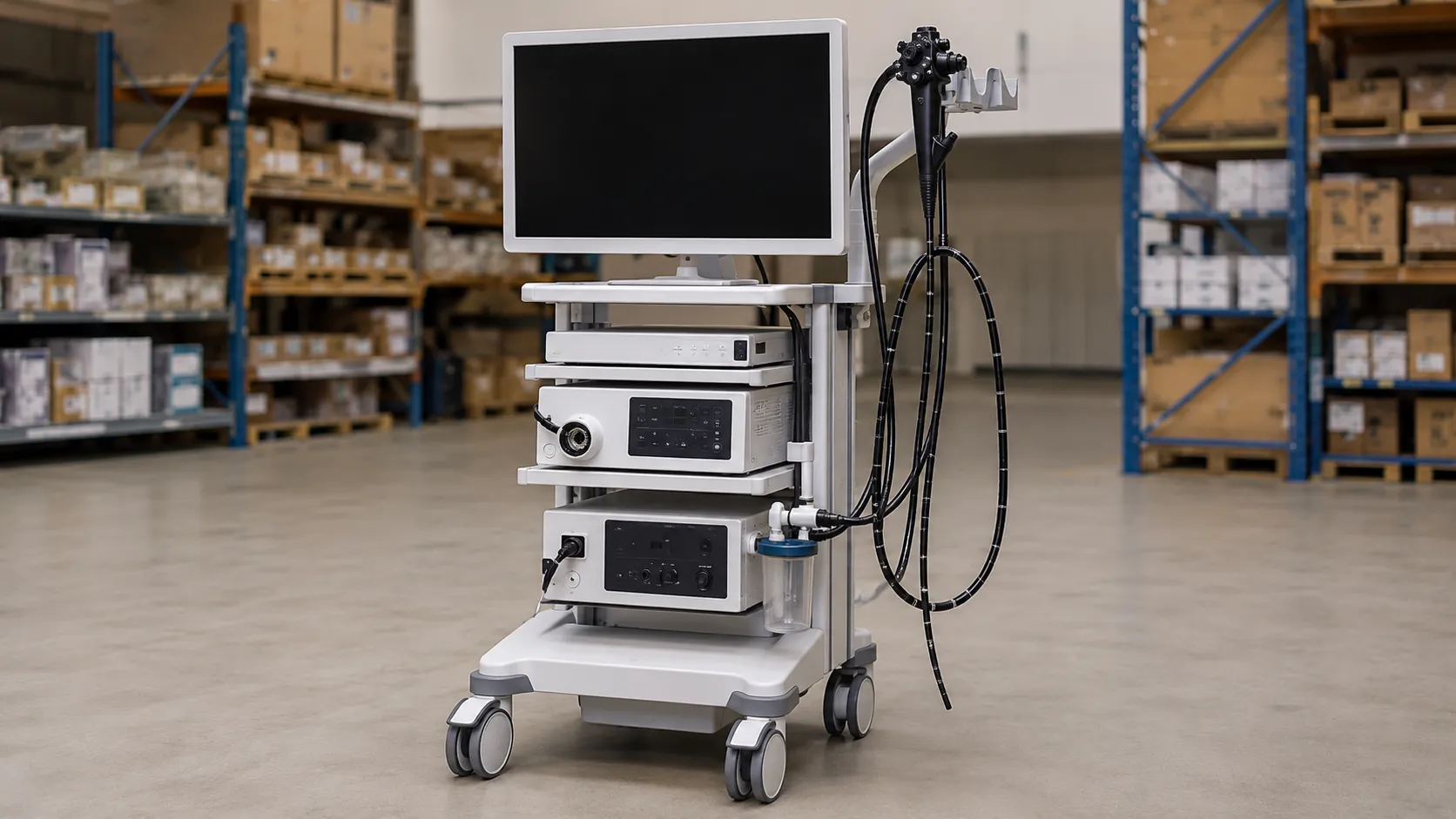
Selecting an endoscopy system for a gastrointestinal suite is a decision that shapes the quality, throughput and safety of endoscopic pr,ocedures, because the system provides the imaging and tools on which those procedures depend. The right endoscopy system supports clear imaging and efficient, safe procedures; the wrong one hinders both the clinician and the suite. Many buyers compare endoscopy systems for buyers on Medigear.uk when planning.
Endoscopy systems vary in their imaging, scopes, decontamination and integration, so a GI suite must match the system to the procedures it performs and the way it works. Understanding these differences before selecting leads to an endoscopy system that supports the suite rather than one it must work around.
This guide sets out what to weigh when selecting an endoscopy system for GI suite procurement, from image quality and scopes to decontamination, workflow and support, so a suite can procure with confidence.
Why the right endoscopy system matters
An endoscopy system provides the imaging and instruments that endoscopic procedures depend on, so its image quality, scopes and reliability directly shape the quality and safety of procedures in a GI suite. The right system supports clear imaging, efficient procedures and safe decontamination, while a poorly matched one limits the suite. Because an endoscopy system is used across many procedures and involves demanding decontamination, choosing one that fits the suite matters greatly.
What to weigh when selecting an endoscopy system
Image quality
Consider the system's image quality, since endoscopic procedures depend on clear views to diagnose and treat accurately. A system that images well supports reliable procedures. Image quality is at the heart of the choice, and clear imaging is what lets clinicians see and act with confidence. Manufacturers can also supply your endoscopy systems on Medigear.uk as a partner.
Scopes and range
Weigh the range of scopes the system supports, since a GI suite performs different procedures needing different scopes. A system with the scopes a suite needs supports its full range of work. The scope range shapes what the suite can do, and matching it to the procedures is essential.
Decontamination
Consider how scopes and equipment are decontaminated, since endoscope reprocessing is demanding and central to safe endoscopy. A system that supports thorough, efficient decontamination is essential. Decontamination is critical in endoscopy, and choosing with reprocessing in mind protects patients.
Workflow and throughput
Weigh how the system fits the suite's workflow and throughput, since a GI suite performs many procedures and must keep them flowing. A system matched to the suite's volume keeps procedures moving. Workflow and throughput are central to a busy suite, and a system that supports the flow keeps lists on time.
Documentation and imaging capture
Consider how the system captures and stores images and reports, since endoscopy generates images that support diagnosis and records. Reliable capture and storage support the whole procedure and record. Handling images well is part of modern endoscopy, and good capture supports both the procedure and the record afterwards.
Integration and records
Weigh how the system integrates with the suite's records and systems, since integration keeps procedures documented and organised. A system that shares its data reduces manual work. Integration supports a joined-up suite, and good connectivity keeps the whole service organised.
Usability
Consider how usable the system is, since clinicians and staff operate it through every procedure, and clear operation supports safe, efficient work. An intuitive system supports smooth procedures. Usability is a genuine feature, and a clear system helps the team focus on the patient.
Reliability and support
Examine the system's reliability and the support behind it, since downtime disrupts a procedure list, and a dependable system with responsive servicing keeps the suite running. Reliability and support are central to the choice, and a well-supported system stays dependable across years of use.
Image quality and safe procedures
The first consideration in selecting an endoscopy system is image quality, because clear views are what let clinicians diagnose and treat accurately and safely. Every other feature matters, but imaging that is not clear undermines the procedure. A suite chooses a system whose image quality it can rely on for its procedures, since safe, accurate endoscopy depends on seeing clearly throughout.
Decontamination at the centre
Endoscope reprocessing is demanding and central to safe endoscopy, so decontamination is a defining consideration in selecting an endoscopy system, not an afterthought. A system chosen with thorough, efficient reprocessing in mind protects patients and keeps the suite flowing. Considering decontamination carefully is essential, because safe endoscopy depends as much on reprocessing as on the procedure itself.
Matching scopes to procedures
A GI suite performs a range of procedures needing different scopes, so a system is chosen with the scopes and range the suite's work requires. Matching scopes to procedures ensures the system supports the suite's full range. Considering the scope range carefully is central to choosing a system that serves the suite's real work rather than only part of it.
Throughput for a busy suite
A GI suite performs many procedures, so the system's fit with workflow and its throughput matter greatly, since the suite must keep procedures flowing. A system matched to the suite's volume keeps lists moving and waiting reasonable. Considering throughput ensures the system supports the reality of a busy suite rather than becoming a bottleneck within it.
Documentation and records
Endoscopy generates images and findings that support diagnosis and records, so a system that captures and integrates these well supports the whole procedure and the record afterwards. Reliable documentation is part of modern endoscopy. Considering how images and reports are handled is part of selecting a system that supports the suite's work beyond the individual procedure.
Fitting the wider suite
An endoscopy system sits within a wider suite of reprocessing, records, scheduling and recovery, so it is chosen to fit that whole service. A system that integrates well supports a joined-up suite. Considering how the system fits the wider suite leads to smoother, more reliable working, rather than a system that images well but sits awkwardly within the service.
Reliability for a procedure list
A GI suite runs procedure lists, so a system's reliability and uptime matter greatly, since downtime disrupts many procedures. A dependable system with responsive servicing keeps the suite on schedule. Weighing reliability and support is central to a system a suite can depend on day after day, list after list, throughout its working life.
Involving the endoscopy team
The clinicians, nurses and reprocessing staff who run a GI suite understand what makes a system work in practice, so involving them in the choice leads to a better decision. Their experience of imaging, workflow and decontamination reveals what a specification cannot. Choosing a system with the endoscopy team, not just for them, ensures it supports the suite's real work.
The whole life of the system
An endoscopy system is a long-term investment used intensively, so a suite considers its durability, scope replacement, servicing and support over years. A well-supported system remains dependable for far longer. Thinking about the whole life protects both the procedures it enables and the investment, keeping the system serving the suite well throughout its service.
Planning the procurement
Procuring an endoscopy system involves the system, scopes, reprocessing, training and integration, so a suite plans the procurement as a whole rather than piece by piece. Thinking through the whole procurement keeps procedures running smoothly as the system is introduced. A well-planned procurement brings the system into safe, dependable service and ensures the suite can use it fully from the start.
A checklist before you choose
-
Image quality. Confirm clear imaging for accurate procedures
-
Scopes. Match the scope range to your procedures
-
Decontamination. Confirm thorough, efficient reprocessing
-
Throughput. Match the system to your procedure volume
-
Documentation. Check image capture and records integration
-
Support. Weigh reliability and attentive servicing
Planning an endoscopy system selection
A suite selecting an endoscopy system starts from the procedures it performs and the way it works, then matches the system's image quality, scopes, decontamination and workflow to them, weighing image quality and safe reprocessing together. Because the system is used across many procedures and involves demanding decontamination, the procurement is planned as a whole.
It also helps to plan for documentation, training, integration and support from the outset, so the system serves the suite well over its whole life. An endoscopy system selected to fit a GI suite supports clear imaging and efficient, safe procedures for years.
A system that supports the suite
Selecting an endoscopy system for GI suite procurement comes down to matching its image quality, scopes, decontamination and workflow to the procedures a suite performs, with image quality and safe reprocessing weighed together. A suite that plans the procurement as a whole, involves its endoscopy team, and weighs support and reliability chooses a system that supports clear imaging and efficient, safe procedures for years. Buyers often source endoscopy systems from suppliers on Medigear.uk for their service.
Servicing and safety
An endoscopy system requires demanding decontamination and supports clinical procedures, so reprocessing, servicing and safety checks are essential to keep it safe and dependable. Staff should watch the MHRA's device safety alerts and recalls so that any concern with an endoscopy system is acted on.
Selecting an endoscopy system in short
The right endoscopy system matches its image quality, scopes, decontamination and workflow to the procedures a GI suite performs, with imaging and safe reprocessing weighed together. Planning the procurement as a whole, involving the endoscopy team and weighing support lead to a system that supports the suite. Chosen this way, an endoscopy system supports safe, efficient procedures across the whole of a busy gastrointestinal suite for many years to come.
This guide offers general procurement guidance on selecting an endoscopy system and is not clinical advice; local policy and manufacturer instructions always take precedence.