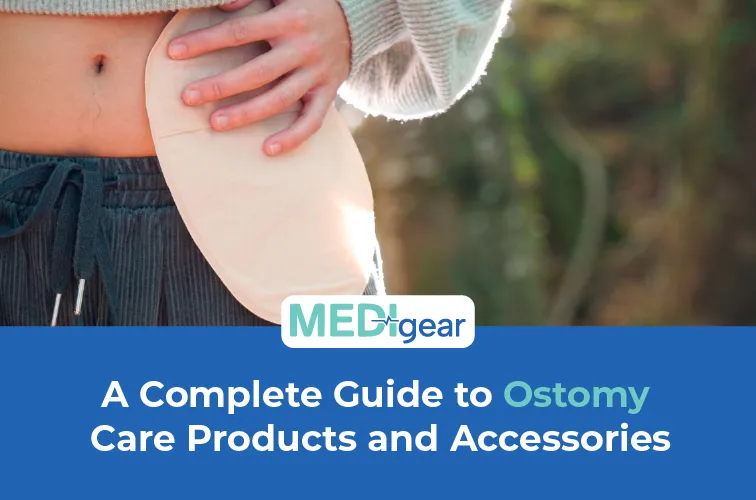
The bag is the thing everyone fixates on. Patients. Partners. Friends who do not know what to say. The entire conversation around stomas tends to collapse into a single anxious question — what about the bag?
But ostomy care is so much bigger than the pouch. It is skin protection that stops soreness before it starts. Accessories that prevent leaks at three in the morning. Deodorants that remove the fear of sitting next to someone on the bus. Barrier rings that make the difference between a pouch that holds for five hours and one that holds for three days. The bag matters, of course. But everything around it matters just as much.
This guide covers ostomy care products and accessories with the honesty that people living with a stoma actually need. Not clinical textbook language. Not vague reassurance. Real, specific, practical guidance on what works, what does not, and how to build a daily routine that gives you back the confidence your surgery took away.
Medigear supplies certified ostomy products to patients and healthcare teams across the UK. Every recommendation here comes from years of supporting people through one of the most personal adjustments healthcare can ask of a human body.
What Is a Stoma
A stoma is a surgically created opening on the abdomen that allows waste to leave the body when the normal route no longer works. Colostomies divert from the colon, ileostomies from the small intestine, and urostomies redirect urine from the bladder. Each type produces different output — varying in consistency, volume, and acidity — and each demands a slightly different approach to pouching, skin care, and accessory selection. Getting the basics right from the start saves months of trial, error, and unnecessary discomfort.
Ostomy Pouch Systems
Ostomy pouches come in two fundamental designs. One-piece systems combine the skin barrier and collection bag into a single unit — simpler to apply, lower profile, and often preferred by patients who value discretion and speed. Two-piece systems separate the baseplate from the pouch, allowing bag changes without disturbing the skin barrier — reducing irritation and extending wear time. Neither design is universally better. The right choice depends on stoma type, output volume, skin sensitivity, dexterity, and personal preference.
Drainable, Closed, and Urostomy Pouches
Drainable pouches are suitable for ileostomies and high-output stomas, where frequent emptying is necessary. The clip or integrated closure at the bottom allows emptying without removing the pouch. Closed pouches suit colostomies with formed output — they are disposed of after a single use and replaced with a fresh one. Urostomy pouches include a tap valve at the base for draining urine and connect to a night drainage bag for overnight collection. Matching the pouch type to the stoma output is the single most important product decision any ostomate makes.
Skin Barriers and Baseplates
Skin barriers and baseplates protect the peristomal skin from output that would otherwise cause chemical burns, maceration, and breakdown. Flat barriers suit stomas that protrude well from the abdomen. Convex barriers push gently into the skin around flush or retracted stomas, improving seal and preventing undermining leaks. Cut-to-fit barriers let patients trim the opening to match their exact stoma size. Pre-cut barriers save time for patients with stable, well-shaped stomas. The barrier is the foundation of every successful pouching system — nothing else works properly if this part fails.
Barrier Rings and Seals
Barrier rings and seals fill gaps between the stoma and the baseplate opening, creating a tighter seal that prevents output from reaching the skin. Moldable rings conform to irregular stoma shapes without cutting. Flat rings add a secondary seal layer for patients prone to leaking. These small, inexpensive accessories make an outsized difference to wear time, skin health, and daily confidence. Most stoma nurses consider them essential rather than optional.
Adhesive Removers and Cleansers
Adhesive removers and skin cleansers make pouch changes gentler and less painful. Medical adhesive remover sprays or wipes dissolve the bond between barrier and skin without tearing or stripping. Stoma skin cleansers remove residue without leaving moisture that compromises the next barrier's adhesion. Using the right removal and cleansing products protects skin integrity over thousands of pouch changes across a lifetime of ostomy care.
Skin Protection Products
Skin protection products form an invisible shield between the peristomal skin and adhesive or output. Barrier films, barrier creams, and stoma powder each serve different purposes. Films create a smooth surface that improves adhesion and protects against stripping. Creams soothe and protect irritated or broken skin. Stoma powder absorbs moisture from weeping skin, creating a dry surface for barrier application. Knowing when to use each one — and when not to — prevents the common mistake of layering products that actually interfere with pouch adhesion.
Belts and Support Garments
Ostomy belts and support garments provide additional security and confidence for active patients. Elastic belts attach to pouch tabs and hold the system closer to the body during movement. Support garments — specialised underwear and wraps — distribute pouch weight, smooth the profile under clothing, and give patients the confidence to exercise, work, and socialise without constant awareness of their pouch. For patients managing stomas alongside other medical devices, our complete guide to prosthetics, covering types, fitting, and maintenance, explores how people living with long-term devices build daily routines that protect comfort, function, and quality of life across all the equipment they depend on.
Deodorants and Filters
Pouch deodorants and filters address the concern that sits behind most social anxiety around stomas — smell. Pouch deodorant drops neutralise odour inside the bag. Charcoal filters built into many modern pouches allow gas to escape without releasing odour. Separate room deodorant sprays provide backup confidence in shared spaces. These products do not just manage a physical problem — they remove the invisible barrier between an ostomate and normal social life.
Night Drainage Systems
Night drainage systems extend pouch capacity during sleep. A connector tube links the pouch to a larger bedside collection bag, preventing overnight fullness and reducing the risk of leaks that disrupt rest. Secure, kink-free tubing and a stable drainage bag stand keep the system working reliably through the night. Sleep quality matters enormously to recovery and wellbeing — and a good night drainage setup protects it.
Diet and Hydration
Diet and hydration play an important role in successful ostomy management. Certain foods increase gas, alter output consistency, or produce stronger odour, and learning which ones affect your stoma takes honest experimentation rather than rigid restriction. Staying well hydrated is especially important for ileostomy patients, where fluid loss through the stoma can lead to dehydration faster than most people expect. Simple awareness — not dramatic dietary overhaul — makes ostomy management easier and more predictable over time.
Travel With a Stoma
Travel with a stoma requires practical preparation rather than avoidance. Pack double the supplies you expect to need. Carry a travel certificate from your stoma nurse or GP for airport security. Use a discreet travel pouch for supplies. Keep emergency change supplies in hand luggage rather than checked bags. Compact mirrors, disposable bags, and pre-cut barriers simplify changes in unfamiliar bathrooms. The goal is always adaptation, not restriction.
Emotional Adjustment
Emotional adjustment after ostomy surgery follows no fixed timeline. Some patients adapt within weeks. Others carry anxiety, grief, and body image struggles for months. Partners navigate their own adjustments — changes in intimacy, practical caregiving, and the emotional weight of watching someone they love go through something this personal. Ostomy support groups, specialist counselling, and honest conversations with stoma nurses all make a genuine difference. The right ostomy products reduce enough daily friction to allow emotional healing to happen alongside physical recovery.
Returning to Normal Life
Returning to work, exercise, and social life with an ostomy is not just possible — for most patients, it becomes completely normal. Swimming, running, lifting, travelling, eating out, and intimate relationships all continue. The adjustment period is real, but it ends. And the quality of your ostomy care products directly shapes how quickly confidence returns. Poorly fitting pouches keep patients hiding. Well-chosen ostomy products let patients live.
Caregiver Guidance
Caregivers supporting someone with a new ostomy deserve clear, practical guidance from day one. Learning pouch changes, skin inspection, supply ordering, and emergency leak management is a lot to absorb alongside the emotional reality of helping someone through major surgery. Good ostomy suppliers — like Medigear — provide ongoing support, product education, and responsive service that makes the caregiver's role more manageable rather than more overwhelming.
Choosing the Right Products
Choosing the right ostomy products starts with your stoma nurse. Every stoma is different — size, shape, location, output type, and surrounding skin condition all influence product selection. What works perfectly for one patient may fail completely for another. Trial different products before committing to bulk orders. Most manufacturers offer free samples through stoma nurses or direct request. Never settle for a product that leaks, irritates, or limits your life when better options exist.
Compliance and Certifications
Always confirm CE marking, ISO compliance, and full MHRA registration on every ostomy product you use. Certified products meet safety, biocompatibility, and performance standards that protect sensitive peristomal skin over long-term daily use. Avoid uncertified imports regardless of price — the cost of skin damage far exceeds any savings on the product itself.
Latest Innovations
Ostomy product technology continues to improve quietly but meaningfully. Thinner, more flexible barriers conform better to body movement. Ceramic-infused filters last longer without clogging. Skin-friendly adhesives reduce stripping damage during changes. Smart pouches with fill-level indicators are entering development. And telehealth platforms now connect ostomates with specialist nurses remotely — extending support beyond clinic walls into everyday life.
Why Choose Medigear for Ostomy Care Products
Medigear supplies certified ostomy care products and accessories to patients, carers, and stoma care teams across the UK — backed by discreet delivery, transparent pricing, and genuine product expertise that treats every patient's needs with the respect they deserve. Whether you are newly post-surgery, adjusting your routine, or supporting someone through their ostomy journey, our team is here to help you find exactly what works. Reach out to our team directly for guidance shaped around your stoma, your skin, and your life.
Conclusion
Ostomy care is not just about the pouch — it is about every product, accessory, and piece of support that surrounds it. The barrier that protects your skin. The ring that stops the leak. The deodorant that lets you sit confidently in a crowded room. Together, these products give ostomates back something surgery could never take permanently — the freedom to live fully, comfortably, and without apology. Medigear stands alongside patients, carers, and stoma care teams with certified products, discreet delivery, and guidance that respects every person's journey. Ready to find what works for your stoma? Speak to our team today for support shaped around your life, not a product catalogue.