There is no room for awkwardness in a well-run gynaecology clinic. Women walk through the door carrying everything from routine screening anxiety to genuine clinical fear, and the environment they step into — the chair, the instruments, the lighting, the way gynaecology equipment looks and sounds — shapes whether they feel safe enough to stay, to return, and to trust.
That is why gynaecology equipment is about far more than clinical function. It is about dignity. Comfort. Confidence in your care team. And for clinics, it is about building a reputation that brings women back year after year because they know they will be treated well.
This guide covers the essential gynaecology equipment that every women's health clinic needs to deliver safe, accurate, and respectful clinical care. No padding. No sales talk. Just practical, evidence-based guidance from Medigear — a team that has spent years helping UK clinics source certified instruments and devices that perform where it matters most. Every detail in a gynaecology clinic sends a message — and the equipment you choose tells women whether you take their health, comfort, and dignity seriously.
Examination Couches
The gynaecology examination couch is where the clinical relationship either builds or breaks. Women are at their most vulnerable during pelvic examination, and the couch they lie on communicates volumes before a single word is spoken. Electric or hydraulic models with smooth height adjustment, padded stirrups, retractable leg supports, and easy-clean upholstery offer the best combination of clinical function and patient comfort. Look for couches with quiet motor operation — a loud hydraulic pump kills the calm atmosphere every gynaecology consultation room needs.
Specula
Specula remain the most fundamental gynaecology instrument. Disposable plastic specula suit high-volume screening clinics where turnaround speed and infection control are priorities. Reusable stainless steel specula offer better tactile feedback and visibility for complex examinations, but require reliable autoclave sterilisation. Having a full range of sizes — from small to large — ensures every patient can be examined comfortably. Never assume one size fits every woman. It does not.
Colposcopes
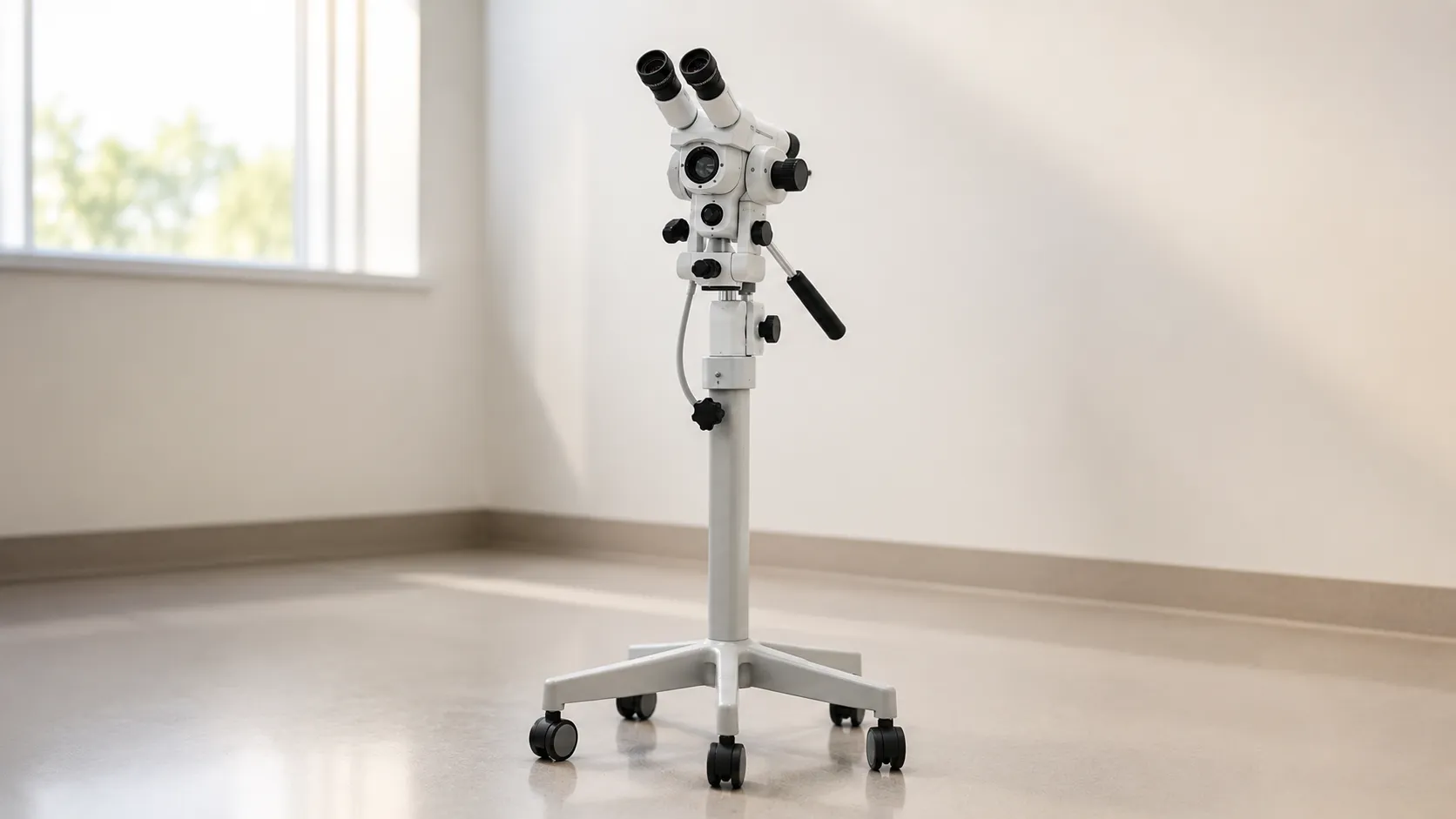
Colposcopes provide magnified visualisation for cervical examinations and are essential for any clinic offering cervical screening beyond basic cytology. Modern digital colposcopes with integrated HD cameras capture and store images for comparison at follow-up — transforming subjective observation into documented clinical evidence. Green filter options enhance visibility of vascular patterns, improving detection accuracy for cervical abnormalities. For clinics managing NHS cervical screening contracts, colposcopy capability is not optional.
Fetal Dopplers and Ultrasound
Fetal dopplers and handheld ultrasound devices support early pregnancy assessment and antenatal monitoring in community and primary care settings. Pocket-sized dopplers detect fetal heartbeat from around twelve weeks, providing reassurance during routine checks. Portable ultrasound scanners with transvaginal and transabdominal probes extend diagnostic capability significantly — offering real-time imaging for ovarian assessment, ectopic pregnancy evaluation, and early dating scans without hospital referral.
Cervical Biopsy and LLETZ Instruments
Cervical biopsy and LLETZ instruments support diagnostic and treatment procedures for abnormal cervical cells. Biopsy punch forceps, endocervical curettes, Monsel solution for haemostasis, and LLETZ loop electrodes form the core procedural toolkit. Having these instruments organised, sterile, and immediately accessible keeps procedure lists running smoothly and reduces patient anxiety during waiting. The procurement principles for specialist instruments mirror those used across other clinical disciplines — our complete guide to essential ENT equipment for clinics and hospitals covers how specialist clinics approach instrument purchasing, sterilisation workflows, and supplier relationships in ways that translate directly to gynaecology practice.
Contraceptive Insertion Equipment
Intrauterine device insertion kits and contraceptive implant equipment serve clinics offering long-acting reversible contraception. IUD insertion sets include tenacula, uterine sounds, sterile drapes, and a range of device-specific introducers. Implant insertion and removal kits require dedicated training, in addition to the equipment itself. These services represent a significant clinical offering that attracts patients and builds long-term clinical relationships.
Examination Lighting
Examination lighting makes a greater difference than most procurement decisions. A bright, adjustable, shadow-free examination lamp lets clinicians see clearly during speculum examination, colposcopy, and minor procedures. LED gooseneck lamps with colour-accurate output and flexible positioning offer the best combination of quality and practicality. Poor lighting forces clinicians to strain, guess, or reposition repeatedly — none of which serve the patient or the diagnosis.
Sterilisation and Infection Control
Sterilisation and infection-control equipment protect patients and staff throughout every gynaecology consultation. Autoclaves validated for gynaecology instrument loads, ultrasonic cleaners for delicate specula and forceps, and single-use consumable management systems keep infection rates low and compliance standards high. Gynaecology instruments routinely contact mucous membranes and broken skin, making sterilisation protocols even more critical than in many other clinical settings.
Patient Privacy and Dignity
Patient privacy and dignity equipment often gets left off procurement lists entirely, which is a mistake. Privacy screens, modesty sheets, warm blankets, and gowns that actually cover properly all contribute to the patient experience in ways that directly affect compliance, return rates, and clinical reputation. Women notice when a clinic cares about their comfort. They notice even more when it does not.
Point-of-Care Testing
Point-of-care testing equipment adds significant clinical value to gynaecology practices. Urine pregnancy test kits, vaginal pH testing strips, rapid STI screening devices, and haemoglobin testing for anaemia assessment enable immediate results during consultations — reducing follow-up delays, improving diagnostic efficiency, and giving women answers when they most need them rather than days later by post.
Staff Training
Staff training in gynaecology carries weight that goes beyond technical competency. Every clinician handling a speculum, performing a smear, or inserting an IUD is working with a patient who may be anxious, uncomfortable, or carrying past trauma. Equipment handling must be confident, smooth, and unhurried. Training programmes should cover not just how to use the device, but how to communicate while using it — explaining each step, checking comfort, and reading body language throughout. The best gynaecology equipment in the world means nothing if the person holding it makes the patient feel unsafe.
Clinic Design and Layout
Clinic design and room layout matter enormously in gynaecology practice. Position the examination couch so the patient is not facing the door. Keep instruments out of direct sight until needed. Use warm lighting rather than harsh fluorescents. Provide a separate changing area with a lockable door rather than a flimsy curtain. These are not luxuries — they are the minimum standard that modern womens health care demands, and they directly affect whether patients attend, return, and recommend.
Consumables Management
Consumables management is an often-overlooked aspect of gynaecology equipment planning. Specula, swabs, cytology brushes, biopsy jars, Monsel solution, sterile gloves, and modesty sheets all need consistent restocking. Running out mid-clinic disrupts workflow, delays patients, and looks unprofessional. Set up a simple monthly inventory system and build consumable costs into your procurement budget from day one — because the instruments are useless without the consumables that support them.
Emergency Equipment
Emergency and resuscitation equipment should be accessible in every gynaecology clinic that performs invasive procedures. Vasovagal episodes during IUD insertion, allergic reactions to local anaesthetic, and heavy bleeding during biopsy are rare but real risks. A basic emergency kit — including oxygen, adrenaline, airway management tools, and a blood pressure monitor — meets clinical governance requirements and protects both patients and practitioners from worst-case scenarios.
Workflow and Scheduling
Scheduling and workflow management deserve attention alongside equipment procurement. High-volume gynaecology clinics offer appointment slots as short as 15 minutes for screening and 30 minutes for procedures. Equipment that is slow to adjust, difficult to clean between patients, or awkward to reposition eats into those slots and pushes clinics behind schedule before lunchtime. When evaluating any device, ask yourself one question: Will this make my clinic faster or slower? The answer should guide every purchasing decision you make.
Buying Guide
Before purchasing any gynaecology equipment, map your clinical services against your patient demographics. A GP surgery offering basic cervical screening needs different equipment from a specialist women's health clinic providing colposcopy, contraceptive services, and early pregnancy assessment. Start with the essentials — couch, speculum, lighting, basic instruments — and build your skills as demand and clinical skills grow.
Always confirm CE marking, ISO 13485 manufacturing standards, and full MHRA compliance on every device. Ask suppliers about warranty terms, servicing schedules, consumable costs, and training support. A reliable supplier stands behind every product throughout its clinical life, not just at the point of sale.
Women's health clinics often share procurement challenges with other specialist services — equipment certification, supplier reliability, consumable management, and staff training all follow similar patterns across clinical specialities. Our guide to essential ENT equipment for clinics and hospitals explores these shared procurement principles in depth, offering insights that gynaecology practice managers will find directly applicable when building or upgrading their own equipment portfolio.
Latest Innovations
Gynaecology technology is advancing toward greater precision, portability, and patient-centred design. AI-assisted colposcopy image analysis, wireless handheld ultrasound probes, app-connected fetal monitors, and single-use sterile instrument packs are reshaping how women's health clinics operate. These innovations make high-quality gynaecological care accessible beyond hospital walls — bringing screening, diagnosis, and treatment into community settings where women feel most comfortable.
Why Choose Medigear for Gynaecology Equipment
Medigear supplies certified, clinically trusted gynaecology equipment backed by transparent pricing, honest clinical guidance, and after-sales support that actually shows up when you need it. Whether you are building a womens health service from scratch, upgrading ageing instruments, or expanding into colposcopy and contraceptive care, our team helps you match equipment to the service your patients deserve. Reach out to our team directly for a recommendation shaped around your clinical goals — not a generic catalogue.
Conclusion
Gynaecology equipment shapes something deeper than diagnosis. It shapes whether women feel safe, respected, and willing to return for the care that protects their health. From examination couches and colposcopes to sterilisation systems and dignity accessories, every device in your clinic tells patients what kind of care they can expect. Medigear stands beside womens health clinics with certified, trusted equipment and guidance built around the service your patients genuinely deserve. Ready to build or upgrade your gynaecology service? Speak to our team today and equip your clinic with devices that serve both clinician and patient equally.