Walk into any busy ENT department, and you will notice something immediately — the equipment is different from everything else in the hospital. Tiny headlamps. Angled mirrors. Suction devices built for spaces measured in millimetres. Ear, nose, and throat medicine operates on some of the most delicate anatomy in the human body, and the instruments must match that precision without compromise.
For clinics setting up a new ENT service or hospitals refreshing an established department, choosing the right ENT equipment is a decision that directly shapes diagnostic accuracy, procedural safety, and patient experience. Get it right, and your team works faster, sees more clearly, and treats with confidence. Get it wrong, and even skilled clinicians struggle to deliver the care their patients deserve.
This guide breaks down the essential ENT equipment categories, what each device actually does in daily practice, and how to make smart buying decisions without overspending or underequipping. Medigear supplies certified ENT instruments and diagnostic devices to clinics and hospitals across the UK — every recommendation here comes from years of working alongside the clinicians who use this equipment daily.
Otoscopes and Diagnostic Stations
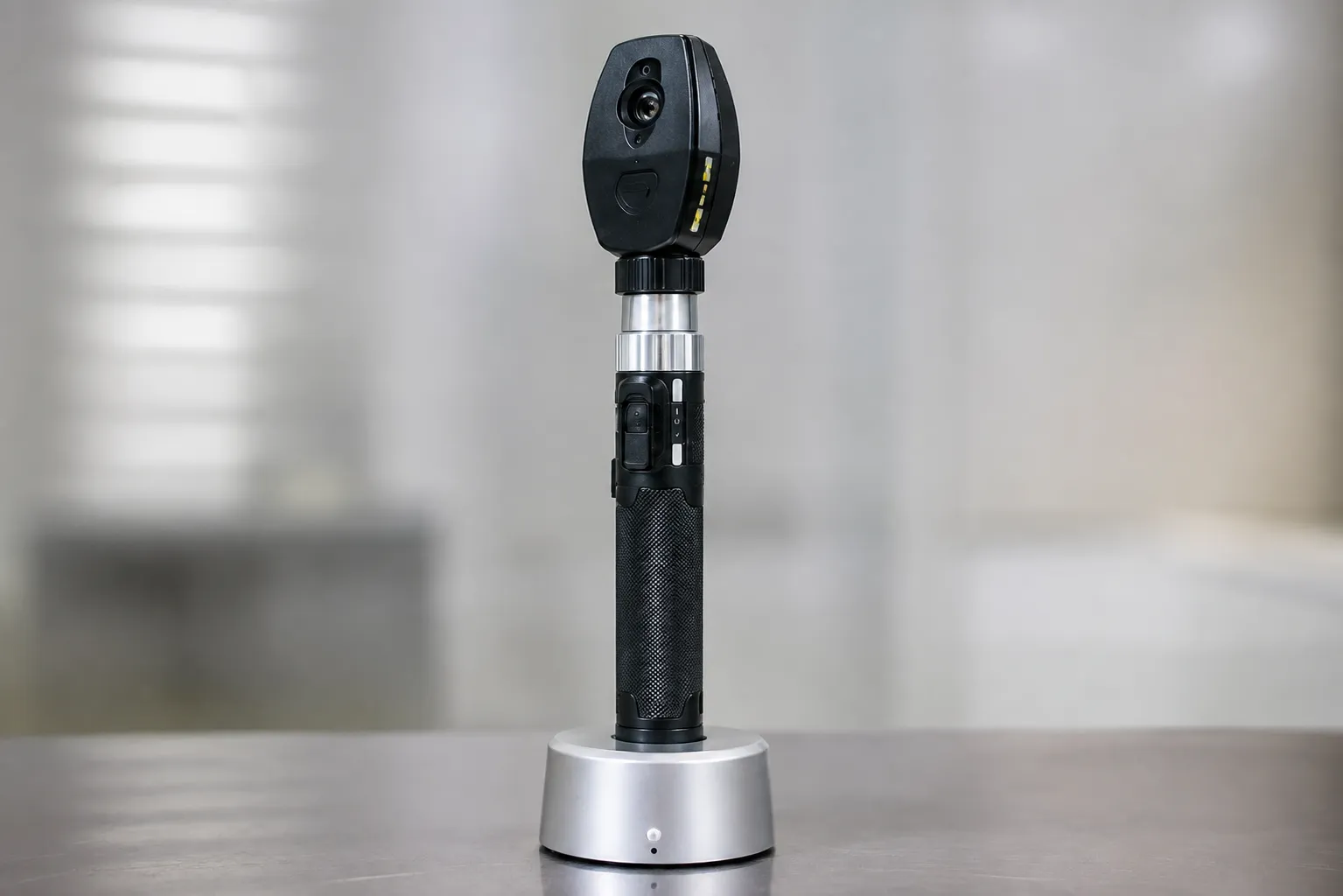
Otoscopes sit at the centre of every ENT consultation. A quality otoscope lets clinicians examine the ear canal and tympanic membrane with clear, bright illumination and magnification. LED fibre-optic models deliver superior light quality compared to older bulb types, and rechargeable handles reduce ongoing battery costs. Wall-mounted diagnostic stations combine otoscopes with ophthalmoscopes and other tools in a single clean setup — ideal for busy consultation rooms where speed and accessibility matter.
Audiometers and Tympanometers
Audiometers and tympanometers provide the objective hearing data on which ENT diagnoses depend. Screening audiometers suit primary care and GP surgeries for basic hearing assessments, while diagnostic audiometers offer the full frequency range and masking capabilities that specialist clinics require. Tympanometers measure middle ear function and are essential for diagnosing conditions like otitis media with effusion, eustachian tube dysfunction, and ossicular chain problems. Together, these devices form the backbone of any audiology offering within ENT practice.
Nasal Endoscopes and Rhinoscopes
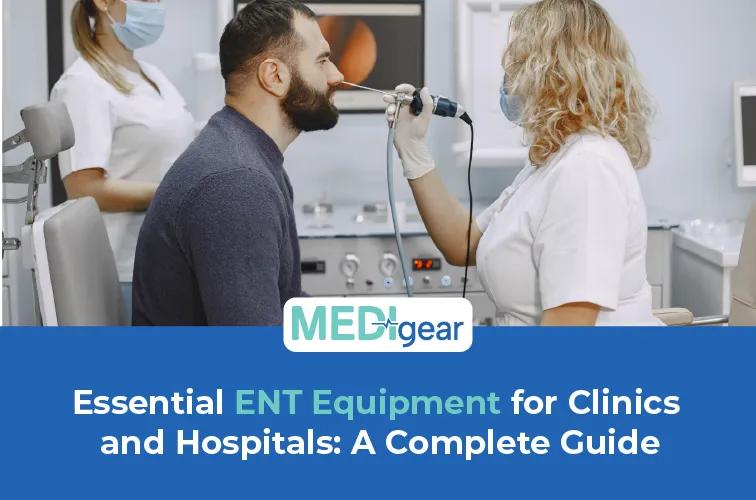
Nasal endoscopes and rhinoscopes give clinicians direct visual access to the nasal cavity, sinuses, and nasopharynx. Rigid endoscopes offer the sharpest image quality for clinic-based examinations, while flexible nasopharyngoscopes allow comfortable assessment of the larynx, vocal cords, and upper airway without sedation. HD camera systems attached to endoscopes display real-time images on monitors — improving patient communication and creating visual records for follow-up and referral. These devices transform diagnosis from educated guesswork into documented evidence.
Laryngoscopes and Stroboscopy
Laryngoscopes and stroboscopy equipment enable detailed assessment of the larynx and vocal cord function. Rigid laryngoscopes suit quick clinic examinations, while videostroboscopy reveals vocal cord vibration patterns invisible to standard lighting — critical for diagnosing vocal cord nodules, polyps, paralysis, and functional voice disorders. For clinics offering voice assessment services, stroboscopy equipment is not optional — it is the clinical standard.
ENT Treatment Chairs
ENT treatment chairs and examination units provide the adjustable positioning that ear, nose, and throat procedures demand. Motorised chairs with multi-axis tilt, adjustable headrests, and smooth height control let clinicians position patients precisely for procedures ranging from ear microsuction to nasal cautery. Built-in instrument trays and foot-operated controls keep workflows efficient. A good ENT chair is an investment that pays back through every patient encounter, every day.
Suction and Microsuction Equipment
Suction units and microsuction equipment are indispensable in ENT practice. Ear microsuction has largely replaced ear syringing as the preferred method for cerumen removal — it is safer, more controlled, and better tolerated by patients. Portable suction units suit smaller clinics, while wall-mounted systems serve high-volume departments. Fine suction tips, specula, and headlamps complete the microsuction setup. For clinics offering cerumen management as a standalone service, microsuction equipment is often the single most revenue-generating investment.
Cautery and Minor Procedure Instruments
Cautery and minor procedure instruments round out the essential ENT treatment toolkit. Silver nitrate sticks, electrocautery units, nasal packing materials, biopsy forceps, and aural foreign body removal kits support the everyday procedures that ENT clinicians perform between theatre lists. Having these instruments immediately accessible — cleaned, certified, and organised — removes friction from clinical workflow and keeps patient throughput moving smoothly. Our surgical instruments guide for small clinics covers the broader procurement principles that apply equally to ENT instrument purchasing.
Headlamps and Illumination
Headlamps and illumination systems deserve more attention than they usually get during procurement. A bright, lightweight, well-balanced headlamp improves the quality of ENT examinations and treatments. LED headlamps with adjustable beam focus, comfortable headband designs, and long battery life outperform older fibre-optic systems on every practical measure. Good light means better visualisation, which means better diagnosis and safer procedures — it really is that simple.
Sterilisation and Infection Control
Sterilisation and infection control equipment protect every patient and every clinician in the ENT department. Autoclaves, ultrasonic cleaners, and instrument tracking systems ensure reusable devices meet safety standards between every use. ENT instruments are particularly challenging to sterilise because of their small lumens, delicate tips, and complex geometries — making proper cleaning protocols even more important than in general surgery.
Portable ENT Diagnostic Kits
Portable ENT diagnostic kits serve clinics offering outreach, domiciliary, or community-based services. A compact otoscope, portable audiometer, battery-powered headlamp, and basic examination instruments, packed in a carry case, allow clinicians to deliver ENT assessments outside the hospital setting. Mobile ENT services are growing rapidly across the UK, and having the right portable equipment enables clinics to extend their reach without compromising diagnostic quality.
Patient Comfort in ENT Consultations
Patient comfort in ENT consultations often gets overlooked during equipment planning. Nasal endoscopy, ear microsuction, and laryngoscopy can feel invasive and uncomfortable for anxious patients. Choosing equipment with quieter motors, gentler suction, smoother insertion profiles, and warmer lighting makes a tangible difference to patient tolerance and willingness to return for follow-up care. The best ENT equipment serves the clinician and the patient equally.
Staff Training and Competency
Training staff on ENT equipment is something that separates good clinics from great ones. Endoscopy, audiometry, and microsuction all require hands-on competency that goes beyond reading a manual. Schedule formal training sessions with every new device, establish competency sign-off protocols, and build ongoing skill development into your clinical governance framework. Patients trust clinicians who handle equipment confidently — and that confidence comes from structured, repeated practice.
Clinic Layout and Workflow
Clinic layout and workflow planning make a measurable difference in ENT practice efficiency. Position the examination chair centrally with instrument trolleys within arm's reach. Mount the endoscopy monitor at eye level to avoid neck strain during procedures. Store frequently used consumables — specula, suction tips, cautery sticks — in clearly labelled, easily accessible drawers. When everything is where it should be, consultation times drop, patient satisfaction rises, and clinician fatigue reduces across long clinic sessions.
Buying Guide
Before spending a penny, map your clinical service plan against your equipment needs. A GP surgery adding basic ENT diagnostics needs different tools from a specialist clinic offering endoscopy, audiology, and microsuction. Buying equipment you will not use wastes budget that could be spent on devices that genuinely improve patient care. Start with the core diagnostic set — otoscope, audiometer, headlamp — and build outward as patient demand and clinical capability grow.
Always confirm CE marking, ISO 13485 manufacturing standards, and full MHRA compliance on every ENT device you purchase. Ask about warranty terms, servicing schedules, and consumable costs. A reliable supplier does more than ship boxes — they provide ongoing support, calibration services, and honest guidance when you need to upgrade or replace equipment.
Patients visiting ENT clinics often have multiple health conditions. Those recovering from head and neck surgery benefit from the supportive devices covered in our guide to essential medical equipment for post-surgery home recovery. Patients with respiratory conditions alongside ENT issues may also use oxygen therapy at home — our guide to safely using a home oxygen concentrator explains how to manage supplemental oxygen safely. And for clinics offering broader diagnostic services, our comprehensive buyer's guide to ECG machines covers cardiac monitoring principles that apply across all clinical specialities.
Post-Surgical ENT Rehabilitation
Rehabilitation after ENT surgery — particularly head, neck, and throat procedures — often requires a coordinated approach to recovery equipment. Patients undergoing major ENT surgery may require speech rehabilitation tools, swallowing aids, and physical recovery devices, in addition to clinical follow-up. Our guide to top rehabilitation equipment for stroke recovery at home covers many of the same motor retraining and daily living aids that ENT post-surgical patients benefit from, making it a useful companion resource for clinicians planning discharge pathways.
Latest Innovations
ENT technology is moving toward greater portability, sharper imaging, and smarter integration. Wireless endoscopy systems, AI-assisted image analysis for otoscopy, portable audiometry tablets, and cloud-connected patient records are reshaping how ENT services operate — from high-volume NHS departments to independent clinics building referral-based practices. Staying current with these developments keeps your clinic competitive and better serves your patients.
Why Choose Medigear for ENT Equipment
Medigear supplies certified, clinically trusted ENT equipment backed by transparent pricing, honest advice, and after-sales support that clinicians can actually rely on. Whether you are building an ENT service from scratch, replacing worn instruments, or upgrading to digital endoscopy, our team works alongside you to match equipment to your clinical reality — not the other way around. Reach out to our team directly for a recommendation built around the ENT service you want to deliver.
Conclusion
ENT medicine demands equipment that matches the precision of the anatomy it serves. From otoscopes and endoscopes to microsuction units and treatment chairs, every device shapes the accuracy, safety, and patient experience your clinic delivers. Medigear stands beside ENT clinicians with certified, trusted equipment and the honest, expert guidance that makes procurement feel straightforward rather than overwhelming. Ready to build or upgrade your ENT service? Speak to our team today and equip your clinic with devices built for clinical excellence.