Most people snore. Some people stop breathing. That is the blunt reality of sleep apnea — a condition where the airway collapses repeatedly during sleep, cutting off oxygen for seconds at a time, dozens or even hundreds of times a night. The sleeper rarely knows it is happening. But the body does. And over months and years, untreated sleep apnea quietly raises the risk of heart disease, stroke, high blood pressure, diabetes, and daytime fatigue severe enough to cause accidents.
The good news is that sleep apnea equipment has come a long way. Today's devices are quieter, smaller, more comfortable, and smarter than anything available even five years ago. The right setup transforms broken, dangerous sleep into something genuinely restorative — and for many patients, it feels like getting their life back.
This guide cuts through the noise and lays out exactly what sleep apnea equipment exists, how it works, who needs it, and how to choose wisely. Medigear supplies certified sleep therapy devices to patients and clinics across the UK, and every recommendation here reflects the clinical evidence and practical experience that guide our team daily.
Types of Sleep Apnea
Sleep apnea comes in three forms. Obstructive sleep apnea — the most common — happens when throat muscles relax and block the airway. Central sleep apnea occurs when the brain fails to send proper breathing signals. Complex sleep apnea combines both. Each type requires slightly different equipment and clinical management, but the vast majority of patients use positive airway pressure therapy as their primary treatment.
CPAP Machines
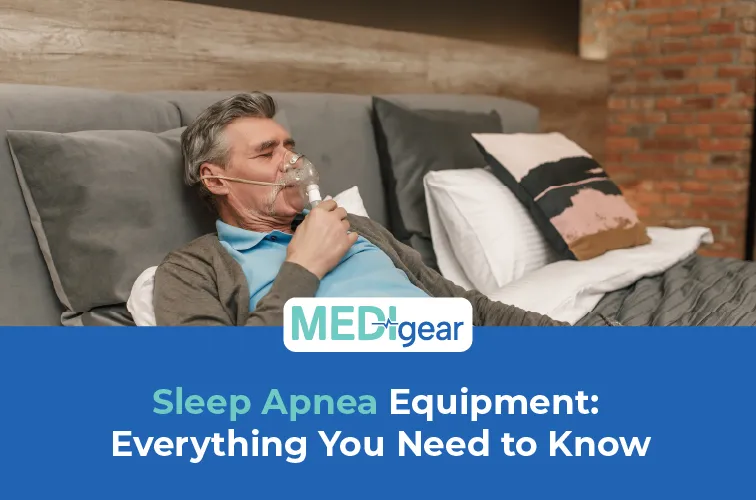
CPAP machines are the backbone of sleep apnea treatment. A continuous positive airway pressure device delivers a steady stream of pressurised air through a mask, holding the airway open throughout the night. Modern CPAP units are remarkably compact — roughly the size of a lunchbox — with whisper-quiet motors, built-in humidifiers, and smart connectivity that automatically track therapy data. Most patients adapt within a few weeks and notice dramatic improvements in sleep quality, energy, and daytime alertness.
APAP Machines
APAP machines offer a step beyond standard CPAP. Auto-adjusting positive airway pressure devices automatically vary the pressure throughout the night based on real-time breathing patterns. This means lower average pressure, greater comfort during lighter sleep stages, and better overall compliance for patients who struggle with the fixed pressure of traditional CPAP. For many clinicians, APAP has become the default first-line recommendation.
BiPAP Machines
BiPAP machines serve patients who need different pressure levels for breathing in and breathing out. Bilevel positive airway pressure devices deliver higher pressure on inhalation and lower pressure on exhalation, making breathing feel more natural for patients with higher pressure requirements, central sleep apnea, obesity hypoventilation syndrome, or coexisting respiratory conditions.
Choosing the Right Mask
The mask is where therapy succeeds or fails. A perfectly functioning machine paired with the wrong mask leads to leaks, discomfort, and abandonment. Nasal masks cover only the nose and suit patients who breathe through their noses during sleep. Full-face masks cover both the nose and mouth — essential for mouth breathers. Nasal pillow masks sit at the nostrils with minimal contact, offering the lightest, least intrusive option for patients who feel claustrophobic with larger masks. Getting the right mask fit is worth every minute of effort.
Humidifiers and Heated Tubing
Humidifiers and heated tubing make a bigger difference to comfort than most patients expect. Dry air from a CPAP machine irritates the nasal passages, causes congestion, and leads to sore throats. Integrated heated humidifiers add moisture to the airflow, while heated tubing prevents condensation from accumulating in the hose overnight. These accessories turn tolerable therapy into genuinely comfortable sleep.
Essential Accessories
Filters, tubing, chin straps, mask liners, and travel bags round out the essential accessories. CPAP filters need replacing regularly to maintain air quality and protect the motor. Standard tubing should be replaced every three months. Chin straps prevent mouth leaks for nasal mask users. Mask liners reduce skin irritation and improve seal. A good travel case protects the machine during trips — because sleep apnea does not take holidays.
Cleaning and Hygiene
Keeping sleep apnea equipment clean is non-negotiable. Masks should be washed daily with mild soap and warm water. Tubing needs weekly cleaning and regular replacement. Water chambers require emptying and drying each morning. Filters must be checked and swapped on schedule. Neglecting hygiene leads to bacterial buildup, unpleasant odours, and skin irritation, which push patients away from therapy entirely.
Equipment Replacement Schedule
Replacing equipment on schedule keeps therapy effective and hygienic. Masks typically need replacing every 6 to 12 months as the cushions lose their seal. Tubing should be swapped every three months. Water chambers need to be replaced when mineral deposits build up. Filters follow manufacturer schedules — usually monthly for disposable types and quarterly for reusable ones. Keeping a simple replacement calendar prevents gradual therapy decline that patients often do not notice until the difference becomes dramatic.
Buying Guide
Choosing the right sleep apnea equipment starts with a proper diagnosis. A sleep study — either in a lab or at home — confirms the type and severity of apnea and determines the pressure settings your machine needs. Never buy a CPAP machine without a clinical prescription. The device must match your specific condition, and getting it wrong wastes money and delays effective treatment.
Once diagnosed, work with your clinician or equipment supplier to trial different masks before committing. Comfort is personal — what works brilliantly for one patient can feel unbearable to another. A good supplier offers mask fitting, exchange policies, and honest guidance rather than pushing the most expensive option.
Always prioritise CE-marked, MHRA-compliant equipment from established suppliers. Check warranty terms, consumable availability, and after-sales support. Sleep apnea treatment is long-term, and your relationship with your supplier matters as much as the machine itself. Medigear provides ongoing support throughout your therapy journey — not just at the point of sale.
Patients managing sleep apnea alongside other respiratory conditions often need complementary equipment at home. Our guide to safely using a home oxygen concentrator covers the essentials of supplemental oxygen therapy — a common companion to CPAP for patients with overlapping respiratory needs, particularly those managing COPD or chronic hypoxia alongside obstructive sleep apnea. Understanding both devices helps patients and carers build a safer, more complete home respiratory setup.
Sleep apnea also significantly increases cardiovascular risk, making cardiac monitoring an important part of ongoing care. Our complete buyer's guide to ECG machines for clinics covers the diagnostic equipment clinicians need to track heart health in patients with sleep apnea over time. And for patients managing circulatory complications linked to prolonged immobility or overnight blood pooling, our guide to compression therapy covering stockings, pumps, and wraps explains how graduated pressure supports healthier venous function during rest and recovery.
Living With a CPAP Machine
Living with a CPAP machine changes bedtime routines in ways nobody warns you about. Partners sometimes struggle with the noise — even though modern machines are barely louder than a whisper. Sleeping positions may need adjustment, especially for side sleepers whose masks shift during the night. Travel requires planning ahead, from carrying a power adapter to checking airline policies for medical devices. None of these is a deal-breaker, but knowing about them upfront prevents unnecessary frustration during the first weeks of therapy.
For patients recovering from stroke while also managing sleep apnea, the equipment picture becomes more layered. CPAP therapy needs to work alongside rehabilitation routines, mobility aids, and daily living adaptations. Our guide to top rehabilitation equipment for stroke recovery at home covers the devices that support motor recovery, balance retraining, and daily independence — all of which sit naturally alongside nightly CPAP therapy as part of a coordinated home care plan.
Alternatives to CPAP
Weight management, changes in sleep position, and oral appliances offer supplementary approaches for some patients with sleep apnea. Mandibular advancement devices — custom-fitted mouthguards that push the lower jaw forward — work well for mild to moderate obstructive apnea. Positional therapy keeps patients off their backs, where apnea tends to worsen. These alternatives do not replace CPAP for severe cases, but they give clinicians more options for patients who genuinely cannot tolerate positive airway pressure therapy.
Sleep Apnea in Children
Children can develop sleep apnea, too, though the causes and symptoms differ from those of adults. Enlarged tonsils and adenoids are the most common culprits in paediatric cases. CPAP machines designed for children use lower pressures, smaller masks, and gentler settings. If you suspect a child has sleep apnea — loud snoring, restless sleep, bedwetting, or daytime behavioural issues — seek a specialist referral promptly. Early treatment protects development, concentration, and long-term health.
The Emotional Reality
The emotional side of sleep apnea treatment deserves honest acknowledgement. Many patients feel embarrassed, frustrated, or defeated when they first see a CPAP machine. The mask feels alien. The noise feels intrusive. The whole experience feels like a burden rather than a benefit. But within weeks, most patients report sleeping better than they have in years — and once that happens, the equipment stops being a burden and starts being the best thing on the bedside table.
Latest Innovations
Sleep apnea technology is advancing rapidly. Cloud-connected machines now upload therapy data directly to clinician dashboards, enabling remote monitoring and faster treatment adjustments. Smaller travel CPAP devices weigh under a kilogram. Smart masks with auto-adjusting cushions improve seal without manual tightening. And integrated apps give patients real-time feedback on their therapy scores, encouraging better compliance through personal insights.
Clinics running dedicated sleep services need reliable equipment across the entire pathway — from diagnostic devices and titration machines to patient CPAP units and follow-up monitoring tools. Building a certified sleep clinic equipment portfolio requires the same procurement discipline applied to any clinical speciality. Our physiotherapy equipment guide for clinics covers the broader principles of clinical equipment planning that apply equally to sleep medicine setups. For patients recovering from surgery while managing sleep apnea, our guide to essential medical equipment for post-surgery home recovery covers complementary devices that support safe healing alongside ongoing CPAP therapy.
Why Choose Medigear for Sleep Apnea Equipment
Medigear supplies certified, clinically trusted sleep apnea equipment backed by transparent pricing, genuine expertise, and the kind of after-sales support that keeps therapy on track long-term. Whether you are a newly diagnosed patient, a long-term CPAP user upgrading your setup, or a clinician equipping a sleep clinic, our team helps you find the right solution without the pressure or confusion. Reach out to our team directly for guidance built around your needs — not our catalogue.
Conclusion
Sleep apnea is not something to ignore, work around, or hope will fix itself. The right equipment — matched to your diagnosis, fitted to your face, and supported by a supplier who genuinely cares — transforms dangerous, broken sleep into something that heals, restores, and protects your long-term health. Medigear stands alongside patients and clinicians with certified, trusted sleep therapy equipment and guidance shaped by real clinical experience. Ready to finally sleep well? Speak to our team today and find the setup that fits your life, your comfort, and your recovery.