Losing a limb rewrites a life. Not gradually. Not gently. In a single surgical moment or a single accident, the body a person has known their entire life becomes something unfamiliar — and the world they navigated without thinking suddenly demands conscious effort for every step, every grip, every ordinary task they used to take for granted.
Prosthetics exist to close that gap. Not perfectly. Not invisibly. But meaningfully. A well-fitted prosthetic limb gives back movement, independence, and something harder to measure — the feeling that life can still move forward.
This guide covers prosthetics honestly. The types available, how fitting actually works, what maintenance looks like in real daily life, and what buyers and clinicians should know before making decisions that affect someone's body for years to come. Medigear works with rehabilitation clinics, hospitals, and prosthetic providers across the UK, supplying certified components, fitting equipment, and clinical tools that support the prosthetic journey from first assessment to long-term follow-up.
Upper Limb Prosthetics
Prosthetics fall into two broad groups — upper limb and lower limb — and each group is further divided into categories shaped by the level of amputation and the patient's functional goals.
Upper limb prosthetics range from partial hand devices to full arm systems. Body-powered prosthetics use cable-and-harness mechanisms controlled by shoulder movement — reliable, lightweight, and still widely used. Myoelectric prosthetics detect electrical signals from residual muscles to control powered fingers, wrists, and elbows — offering more natural movement but requiring more maintenance and training. Cosmetic prosthetics prioritise realistic appearance without active function, serving patients whose primary need is visual restoration rather than grip or manipulation.
Lower Limb Prosthetics
Lower limb prosthetics cover everything from partial foot devices to above-knee systems. Transtibial prosthetics sit below the knee and typically offer faster rehabilitation and more natural gait recovery. Transfemoral prosthetics replace the leg above the knee and require a prosthetic knee joint — a complex engineering challenge that directly shapes how safely and confidently the patient walks. Microprocessor-controlled knees adjust automatically to terrain and speed, while mechanical knees rely on manual locking and swing control. The choice between them depends on the patient's activity level, environment, and clinical assessment.
How Prosthetic Fitting Works
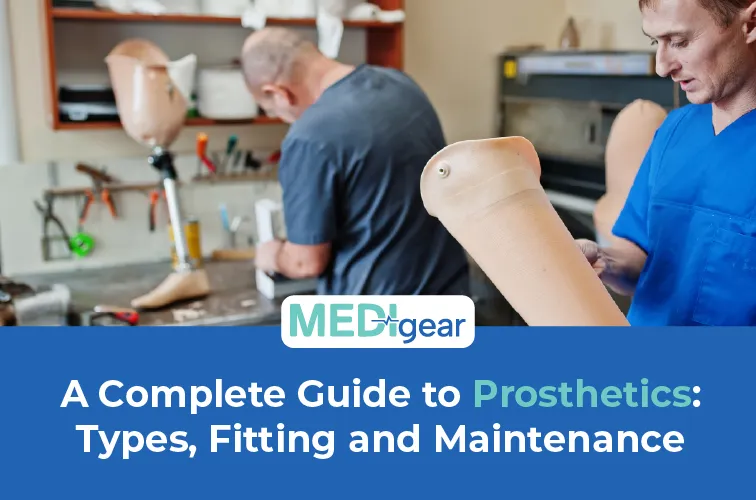
Fitting a prosthetic is not a single appointment — it is a process that unfolds over weeks and sometimes months. It begins with a thorough clinical assessment of the residual limb, including shape, skin condition, muscle strength, range of motion, and healing status. A prosthetist then creates a socket — the critical interface between body and device — using plaster casting, digital scanning, or a combination of both. Test sockets allow adjustments before the definitive socket is manufactured. Alignment, suspension, and component selection follow, with each element fine-tuned through walking trials and functional testing.
Why the Socket Matters Most
The socket determines everything. A prosthetic with the finest knee joint and the most advanced foot component will fail if the socket does not fit properly. Pressure points cause pain and skin breakdown. A loose socket creates instability and fear. The relationship between patient and prosthetist matters enormously here — honest communication about comfort, pain, and function shapes outcomes more than any single piece of technology.
Components and Materials
Prosthetic components have evolved dramatically. Carbon fibre feet store and release energy during walking, mimicking natural push-off. Hydraulic ankle units adapt to slopes and uneven ground. Vacuum suspension systems hold the socket securely without straps or sleeves. Silicone liners protect the skin and cushion the residual limb inside the socket. Each component choice involves trade-offs between weight, durability, function, and cost — and the best prosthetists navigate those trade-offs in genuine partnership with the patient.
Daily Maintenance
Maintaining a prosthetic limb is not optional — it is what keeps the device safe, functional, and comfortable over its working life. Daily care includes cleaning the socket and liner with mild soap, inspecting the skin for redness or breakdown, checking all mechanical joints and connections for wear, and ensuring suspension systems hold securely. Liners should be replaced every six to twelve months as they lose shape and cushioning. Sockets may need replacing as the residual limb changes shape — particularly in the first two years after amputation when volume fluctuation is most significant.
Skin Care and Residual Limb Health
Skin care around the residual limb deserves serious attention. Sweat, friction, and pressure create conditions that allow irritation, folliculitis, and ulceration to develop quickly. Breathable liners, moisture-wicking socks, and regular skin inspection prevent most problems before they become clinical issues. Patients who notice persistent redness, blistering, or unusual pain should contact their prosthetic team immediately rather than pushing through discomfort — early intervention prevents weeks of downtime.
Rehabilitation and Physiotherapy
Rehabilitation alongside prosthetic fitting is what turns a device into a functional limb. Physiotherapy programmes focus on balance training, gait retraining, strength building, and confidence development. For clinics supporting prosthetic rehabilitation, having the right clinical equipment makes a measurable difference — and our guide to essential ENT equipment for clinics and hospitals demonstrates how specialist clinics approach equipment procurement, training, and clinical workflow in ways that translate across every rehabilitation discipline.
Paediatric Prosthetics
Children and adolescents present unique prosthetic challenges. Growing bodies need frequent socket replacements and component upgrades. Activity levels are often higher than those of adults, demanding more durable and impact-resistant materials. Psychologically, children adapt remarkably well to prosthetics when they feel included in design choices — colour options, patterned sockets, and activity-specific attachments all contribute to a sense of ownership and confidence. Paediatric prosthetic care requires a specialist team that understands both the clinical and emotional dimensions of growing up with a limb difference.
Sport and Activity Prosthetics
Sport and activity-specific prosthetics have opened doors that were closed to amputees for decades. Running blades, swimming prosthetics, cycling attachments, and rock-climbing terminals enable prosthetic users to participate in physical activities that were once considered impossible. These specialist devices are not luxury items — for many patients, they represent the difference between a life defined by limitation and one defined by capability. Clinics that understand activity prosthetics and can guide patients toward appropriate options build loyalty and referral networks that standard services rarely achieve.
The Emotional Journey
The psychological journey of prosthetic use runs deeper than most clinical guides acknowledge. Grief, frustration, body image adjustment, and fear of social judgment are real and persistent challenges for many amputees. The prosthetic itself can trigger complicated emotions — relief and resentment, independence and reminder of loss, all at once. Clinics that acknowledge this emotional complexity and integrate psychological support alongside physical rehabilitation deliver far better long-term outcomes than those that treat prosthetics as purely mechanical solutions.
Funding and NHS Pathways
Insurance, funding, and NHS pathways for prosthetic provision vary significantly across the UK. NHS prosthetic centres provide standard devices at no cost, but waiting times and component choices can be limited. Private prosthetic providers offer wider component selection and faster timelines, but at a high personal cost. Veterans are served through dedicated MOD pathways with access to advanced components. Understanding these funding routes helps clinicians guide patients toward the best available option for their circumstances without creating unrealistic expectations.
Supply Chain and Procurement
The prosthetic supply chain matters more than most people realise. Components arrive from manufacturers worldwide, and availability can fluctuate due to supply chain disruptions, regulatory changes, and production delays. Clinics that rely on a single supplier risk being caught without critical parts when patients need urgent repairs or replacements. Building relationships with multiple certified suppliers — including Medigear — creates resilience in your supply chain and ensures patients are never left waiting because a single shipment was delayed.
Training and Professional Development
Training for prosthetists and rehabilitation teams must go beyond initial qualification. New socket fabrication techniques, emerging component technologies, digital scanning methods, and evolving patient communication approaches all require ongoing professional development. Clinics that invest in continuous training deliver better fits, faster rehabilitation, and stronger patient outcomes. Equipment suppliers like Medigear support this by providing technical education alongside product delivery, helping clinical teams stay current without extra cost or effort.
Peer Support
Peer support networks and patient communities play a quietly powerful role in prosthetic outcomes. Connecting new amputees with experienced prosthetic users provides practical advice, emotional reassurance, and motivation that clinical teams alone cannot replicate. Clinics that facilitate or recommend peer support programmes report higher prosthetic acceptance rates, better rehabilitation engagement, and stronger long-term patient satisfaction across all age groups and amputation levels.
Compliance and Certifications
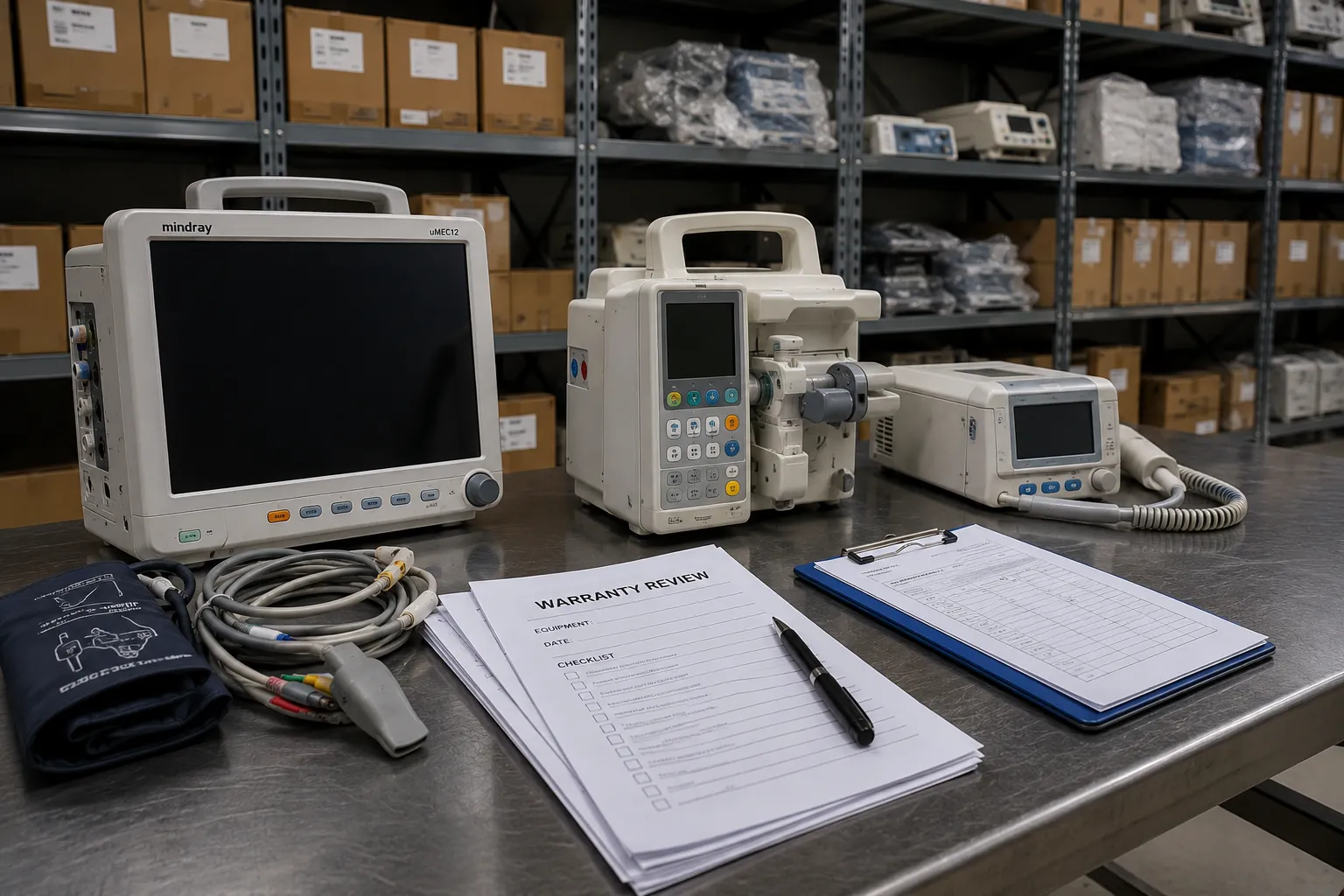
Before purchasing prosthetic components or fitting equipment, always confirm CE marking, ISO 13485 manufacturing standards, and full MHRA compliance. Ask about warranty coverage, component lifespan expectations, and after-sales technical support. Prosthetic devices are long-term investments in human mobility — cutting corners on certification or quality is not a saving, it is a risk that the patient carries every day.
Latest Innovations
Prosthetic technology is advancing at a remarkable speed. 3D-printed sockets reduce fitting time and improve customisation. Osseointegrated prosthetics attach directly to bone, eliminating socket-related problems entirely. Neural interface research aims to give prosthetic users genuine sensory feedback — the ability to feel pressure, texture, and temperature through an artificial limb. While some of these innovations remain experimental, others are already entering clinical practice and changing what prosthetic users can expect from their devices.
Why Choose Medigear for Prosthetic Equipment
Medigear supports prosthetic clinics, rehabilitation centres, and hospitals with certified components, fitting tools, and clinical equipment, backed by transparent pricing, honest technical guidance, and the after-sales reliability that long-term prosthetic care demands. Whether you are equipping a new prosthetic service, sourcing replacement components, or upgrading clinical fitting technology, our team works alongside you to match equipment to patient need — not catalogue convenience. Reach out to our team directly for a recommendation built around the prosthetic service you want to deliver.
CONCLUSION
Prosthetics are not just devices. They are the bridge between loss and life — between sitting still and moving forward. The types, fitting quality, maintenance commitment, and clinical support behind every prosthetic limb determine whether that bridge holds strong or lets a patient down. Medigear stands alongside prosthetic clinics, rehabilitation teams, and patients with certified equipment, honest guidance, and the long-term reliability that prosthetic care demands. Ready to strengthen your prosthetic service? Speak to our team today and build a partnership that puts patient mobility first.