
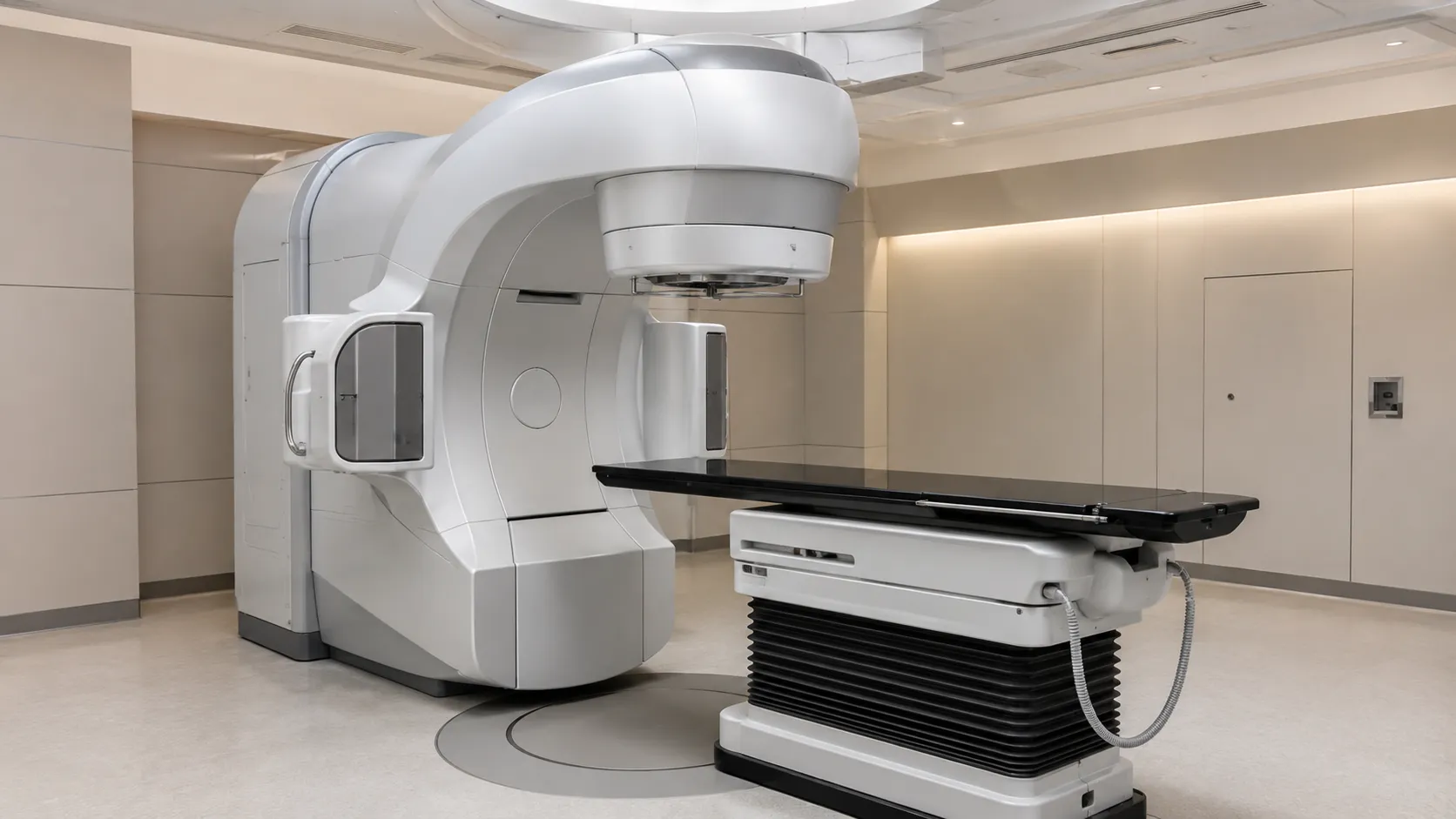
Choosing a linear accelerator for oncology services is among the most significant equipment decisions an oncology service makes, because the machine delivers the radiotherapy that many cancer patients depend on, with demanding precision, safety, and support needs. The right linear accelerator supports precise, safe treatment and a dependable service; the wrong one falls short of what oncology requires. Procurement teams browse linear accelerators for buyers on Medigear.uk when planning.
Linear accelerators vary in their treatment techniques, imaging, precision and support, so an oncology service must match the machine to the treatments it delivers and the way it works. Understanding these differences before choosing leads to a linear accelerator that serves the service rather than one that constrains it.
This guide sets out what to weigh when choosing a linear accelerator for oncology services, from treatment techniques and imaging to safety, siting and support, so a service can treat with confidence.
Why the right linear accelerator matters
A linear accelerator delivers radiotherapy that many cancer patients depend on, so its precision, techniques and reliability directly shape the treatment an oncology service can provide. The right machine supports precise, safe treatment across the techniques a service uses, while a poorly matched one limits care. Because a linear accelerator is a major, long-term investment with demanding siting, safety and support needs, choosing one that genuinely fits the service matters greatly to patients and staff alike.
What to weigh when choosing a linear accelerator
Treatment techniques
Consider the treatment techniques the machine supports, since oncology services deliver a range of radiotherapy techniques, and a machine with the right techniques serves the treatments planned. Matching techniques to the service is the foundation of the choice. The range of techniques shapes what the service can offer, and choosing it to suit the work is key. Suppliers can also ask the Medigear.uk team about linear accelerators.
Precision and imaging
Weigh the machine's precision and its imaging for guiding treatment, since accurate radiotherapy depends on treating the target precisely while sparing healthy tissue. A machine with strong precision and image guidance supports accurate treatment. Precision is at the heart of radiotherapy, and image guidance underpins it.
Safety systems
Examine the machine's safety systems, because radiotherapy involves significant radiation and demands rigorous safeguards to protect patients and staff. Reliable, well-designed safety systems are essential. Safety is a defining feature of a linear accelerator, and its safeguards protect everyone involved in treatment.
Workflow and throughput
Consider how the machine fits the service's workflow and its throughput, since an oncology service treats many patients over courses of treatment. A machine matched to the service's volume keeps treatment flowing. Workflow and throughput are central to a busy service, and a machine that supports the flow keeps courses on schedule.
Planning and software integration
Weigh how the machine integrates with treatment planning and oncology systems, since radiotherapy depends on planning and delivery working together. A machine that integrates well supports accurate, joined-up treatment. Integration is central to radiotherapy, and good software links planning to delivery.
Patient experience
Consider the patient experience the machine supports, since patients undergo radiotherapy over repeated sessions. Features that support comfort and reassurance help patients through treatment. Patient experience matters in a course of treatment, and a machine that eases sessions supports patients over time.
Siting and installation
Weigh what siting and installation the machine requires, since a linear accelerator needs a heavily shielded, purpose-built environment, which shapes the project. A clear grasp of the siting needs is essential to planning. The physical requirements are a major part of the decision, and matching the machine to the environment avoids avoidable surprises.
Reliability and support
Examine the machine's reliability and the support behind it, since downtime disrupts courses of treatment, and a dependable machine with responsive servicing keeps the service running. Reliability and support are central to the choice, and a well-supported machine stays dependable across years of demanding use.
Precision at the centre
The defining requirement of a linear accelerator is precision, because radiotherapy must treat the target accurately while sparing healthy tissue, and precision depends on the machine's capabilities and image guidance. A machine with strong precision supports accurate, safe treatment. Choosing for precision is central to radiotherapy, since the accuracy of treatment shapes both its effectiveness and its safety for the patient.
Matching techniques to the service
An oncology service delivers a range of radiotherapy techniques, so a machine is chosen with the techniques the service's treatments require. Matching techniques to the service ensures the machine supports the care it exists to provide. Considering the techniques carefully is central to choosing a machine that serves the service's real work rather than only part of it.
Safety in radiotherapy
Radiotherapy involves significant radiation, so safety is a defining consideration in choosing, siting and operating a linear accelerator, protecting both patients and staff. A machine with rigorous, reliable safety systems supports safe treatment. Considering safety from the outset is central to radiotherapy, since the safeguards protect everyone involved through every session of treatment.
Integration with planning
Radiotherapy depends on treatment planning and delivery working closely together, so a machine that integrates well with planning and oncology systems supports accurate, joined-up treatment. Considering integration ensures planning and delivery align. Weighing how the machine fits the planning process is central to choosing one that supports accurate radiotherapy across a course of treatment.
Throughput for an oncology service
An oncology service treats many patients over courses of treatment, so the machine's fit with workflow and its throughput matter greatly, since the service must keep treatment flowing. A machine matched to the service's volume keeps courses on schedule. Considering throughput ensures the machine supports the reality of a busy oncology service without becoming a bottleneck.
The patient through a course
Patients undergo radiotherapy over repeated sessions, so a machine's support for comfort and reassurance affects their experience of a demanding course of treatment. A machine that eases sessions helps patients through their treatment. Considering the patient experience is part of choosing a linear accelerator that works well for the people who depend on it through a whole course.
Siting as a major project
A linear accelerator needs a heavily shielded, purpose-built environment, so siting is a major part of the decision and the project. Knowing what installation entails shapes the whole timeline. Considering siting early prevents surprises and keeps the introduction on track, since the specialist environment matters as much as the machine and takes considerable time to prepare.
Support and uptime
A linear accelerator is central to a service that treats patients over courses, so the support behind it and its uptime matter greatly, since downtime disrupts many patients' treatment. A dependable machine with responsive servicing and good support keeps treatment on schedule. Weighing support and reliability is central to a machine a service can depend on throughout its life.
The whole life of the machine
A linear accelerator is a major, long-term investment with significant running and support needs, so a service considers its durability, servicing, software support and environment over years. A well-supported machine holds its usefulness and currency for far longer. Thinking about the whole life protects both the treatment it delivers and the investment, keeping the machine serving the service well.
Planning the project
Introducing a linear accelerator is a substantial project involving siting, shielding, installation, safety, planning integration and training, so a service plans it carefully to bring the machine into service smoothly and safely. Taking each stage carefully keeps the project on track. A well-planned project ensures the machine is sited, safe, understood and ready before it treats patients, protecting both patients and the investment.
A checklist before you choose
-
Techniques. Confirm the treatment techniques your service uses
-
Precision. Weigh precision and image guidance
-
Safety. Check rigorous radiation safety systems
-
Integration. Confirm it links with treatment planning
-
Siting. Understand the shielded environment needed
-
Support. Weigh reliability, high uptime and servicing
Planning a linear accelerator choice
A service choosing a linear accelerator starts from the treatments it delivers, then matches the machine's techniques, precision, imaging and integration to them, weighing safety and siting throughout. As a major investment with exacting siting and safety needs, the machine is chosen carefully in step with the installation project.
It also helps to plan for safety, planning integration, training and support from the outset, so the machine serves the service well over its whole life. A linear accelerator chosen to fit an oncology service supports precise, safe treatment for years.
Treatment the service can rely on
Choosing a linear accelerator for oncology services comes down to matching its techniques, precision, imaging and integration to the treatments a service delivers, with safety and siting weighed throughout. A service that defines its techniques, plans the siting and safety carefully, and weighs support and reliability chooses a linear accelerator that supports precise, safe treatment its patients can rely on. Teams often find linear accelerators from suppliers on Medigear.uk for their service.
Servicing and safety
A linear accelerator delivers radiotherapy and involves significant radiation, so servicing, safety checks and testing are essential to keep it safe and dependable. Staff should watch the MHRA's device safety alerts and recalls so that any concern with a linear accelerator is acted on.
Choosing a linear accelerator in short
The right linear accelerator matches its techniques, precision, imaging and integration to the treatments an oncology service delivers, with safety and siting weighed throughout. Defining techniques, planning the siting and safety,y and weighing support lead to treatment the service can rely on. Chosen this way, a linear accelerator supports precise, safe radiotherapy for years.
This guide offers general procurement guidance on choosing a linear accelerator and is not clinical advice; local policy, radiation regulations and manufacturer instructions always take precedence.