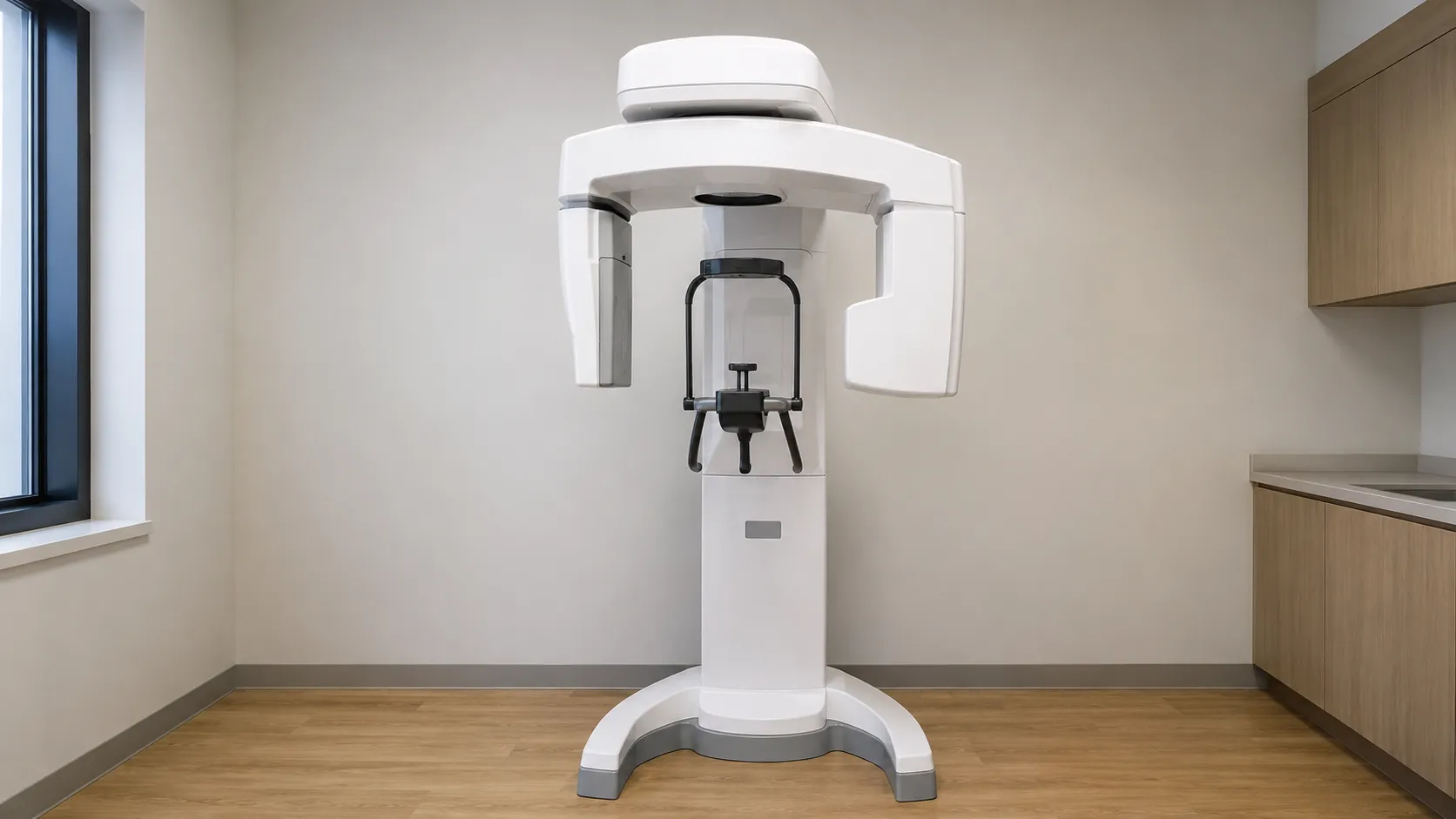
Selecting a dental CBCT scanner for implant planning is an important decision for a practice, because the scanner provides the three-dimensional imaging that safe, accurate implant planning depends on. The right CBCT scanner supports precise planning with sensible dose and a smooth workflow; the wrong one either falls short or exceeds what a practice needs. Many services explore dental CBCT scanners for buyers on Medigear.uk when planning.
Dental CBCT scanners vary in their field of view, image quality, dose and software, so a practice must match the scanner to the implant work it does and the way it works. Understanding these differences before selecting leads to a CBCT scanner that supports implant planning rather than one that constrains it.
This guide sets out what to weigh when selecting a dental CBCT scanner for implant planning, from field of view and image quality to dose, software and support, so a practice can plan implants with confidence.
Why the right CBCT scanner matters
A dental CBCT scanner provides the three-dimensional imaging that implant planning depends on, so its field of view, image quality and dose management directly shape the accuracy and safety of planning. The right scanner supports precise implant planning with sensible dose and a workflow that fits the practice, while a poorly matched one limits or complicates the work. Because a CBCT scanner is a significant, long-term investment, choosing one that genuinely fits the practice matters.
What to weigh when selecting a CBCT scanner
Field of view
Consider the scanner's field of view, since implant planning needs a field suited to the region being imaged, and a scanner with an appropriate range serves the work. Matching the field of view to the implant work is central to the choice. The field of view shapes what the scanner images, and choosing it to suit the work is key. A team can also supply your dental CBCT scanners on Medigear.uk as a partner.
Image quality
Weigh the scanner's image quality, since accurate implant planning depends on clear three-dimensional imaging of bone and anatomy. A scanner that images well supports precise planning. Image quality is at the heart of the choice, and clarity is what lets a practice plan implants accurately.
Dose management
Consider the scanner's dose management, because dental imaging should keep radiation dose low, and CBCT dose is a genuine consideration. A scanner that manages dose well supports safe imaging. Dose is a key responsibility, and low-dose imaging protects patients across implant cases.
Planning software
Weigh the scanner's planning software and its integration, since implant planning depends on software that turns images into a plan. A scanner with good planning software and integration supports the whole workflow. The software is as important as the scanner, and good planning tools extend what it can do.
Workflow and usability
Consider how the scanner fits the practice's workflow and how usable it is, since efficient, clear operation supports both staff and patients. A scanner that fits the workflow keeps the practice running smoothly. Usability and workflow are genuine practical factors, and a scanner that eases daily work serves the practice well.
Footprint and siting
Weigh the scanner's footprint and siting needs, since it must fit the practice's space and any radiation requirements. A scanner that fits the practice's space and rules supports a smooth installation. The physical fit matters in a practice, and matching the scanner to the space avoids difficulty.
Patient experience
Consider the patient experience the scanner offers, since a quick, comfortable scan supports patients through imaging. A scanner that images efficiently and comfortably improves the experience. Patient comfort matters in imaging, and a smooth scan supports the practice's patients.
Reliability and support
Examine the scanner's reliability and the support behind it, since downtime disrupts implant work, and a dependable scanner with responsive servicing keeps the practice running. Reliability and support are central to the choice, and a well-supported scanner stays dependable across years of use.
Fit for implant planning
The guiding principle in selecting a dental CBCT scanner is fit for implant planning, because the right scanner is the one that provides the imaging and planning a practice's implant work needs, not the one with the largest field of view or highest specification. A scanner matched to the practice's implant work serves it well, while an over-specified one provides capability that goes unused. Choosing for fit leads to a scanner the practice genuinely benefits from.
Image quality for accurate planning
Accurate implant planning depends on clear three-dimensional imaging of bone and anatomy, so image quality is central to a CBCT scanner for implant work. A scanner that images well supports precise, confident planning. Considering image quality carefully is central to choosing a scanner that supports the accurate planning implant work depends on, since planning is only as good as the images behind it.
Managing dose responsibly
Dental imaging should keep radiation dose low, so managing dose is a genuine consideration in selecting a CBCT scanner, protecting patients across implant cases. A scanner with good dose management lowers exposure while maintaining the image quality planning needs. Weighing dose responsibly is part of choosing a scanner for a practice that images its patients with care over many cases.
Software that supports planning
Much of a CBCT scanner's value for implants lies in its planning software, which turns images into a plan and integrates with the practice's implant workflow. Choosing software matched to the practice's work extends what the scanner supports. Considering the software carefully is central to selecting a scanner that supports implant planning as a whole, not just image capture.
Fitting the practice
A CBCT scanner must fit the practice around it, from space and siting to workflow and records, so a scanner is chosen to fit the practice rather than the other way round. A scanner that fits the practice's space and way of working supports a smooth installation and daily use. Considering fit to the practice leads to a scanner that slots in rather than disrupts.
The patient's experience
Patients undergoing a CBCT scan value a quick, comfortable experience, so a scanner that images efficiently and comfortably supports patients through imaging. A smoother scan improves the experience and the practice's impression on its patients. Considering patient experience is part of choosing a scanner that works well for the people the practice serves, not only for its clinicians.
Reliability for implant work
Implant work depends on imaging being available when planning is needed, so a scanner's reliability and support matter, since downtime disrupts planning and treatment. A dependable scanner with responsive servicing keeps implant work on track. Weighing reliability and support is central to a scanner a practice can depend on for its implant planning day to day.
Involving the practice team
The clinicians and staff who plan implants and operate the scanner understand what makes it work in practice, so involving them in the choice leads to a better decision. Their experience of imaging, software and workflow reveals what a specification cannot. Choosing a scanner with the practice team, not just for them, ensures it supports the practice's real implant work.
The whole life of the scanner
A dental CBCT scanner is a significant, long-term investment, so a practice considers its durability, software support and servicing over years of use. A well-supported scanner keeps its usefulness and currency for far longer. Thinking about the whole life protects both the implant planning it enables and the investment, keeping the scanner serving the practice well throughout its service.
Planning the introduction
Introducing a CBCT scanner involves installation, radiation requirements, software setup and training, so a practice plans the introduction to bring the scanner into service smoothly and safely. Thinking through each stage keeps the practice running as the scanner is introduced. A well-planned introduction ensures the scanner is sited, safe, understood and ready before it is used for implant planning.
A checklist before you choose
-
Field of view. Match the field of view to your implant work
-
Image quality. Confirm clear 3D imaging for planning
-
Dose. Confirm good dose management
-
Software. Check planning software and integration
-
Siting. Confirm the scanner fits your space and rules
-
Support. Weigh reliability and well-supported servicing
Planning a CBCT scanner selection
A practice selecting a dental CBCT scanner for implant planning starts from the implant work it does, then matches the scanner's field of view, image quality, dose and software to it, weighing fit above maximum specification. Because the scanner is a significant investment with siting and radiation needs, the selection is planned carefully alongside installation.
It also helps to plan for dose, software, training and support from the outset, so the scanner serves the practice well over its whole life. A dental CBCT scanner selected to fit a practice's implant work supports precise, safe planning for years.
Imaging that plans implants precisely
Selecting a dental CBCT scanner for implant planning comes down to matching its field of view, image quality, dose and software to the implant work a practice does, with fit weighed above maximum specification. A practice that defines its implant work, considers dose and software carefully, and weighs support and reliability chooses a CBCT scanner that supports precise, safe, and dependable implant planning for many years to come. Many services list dental CBCT scanners from suppliers on Medigear.uk for their service.
Servicing and safety
A dental CBCT scanner uses radiation and guides implant planning, so servicing, dose and safety checks are essential to keep it safe and dependable. Staff should also know how to report a problem with a medical device to the MHRA if a CBCT scanner is found faulty.
Selecting a CBCT scanner in short
The right dental CBCT scanner fits a practice's implant work, matching field of view, image quality, dose and software to what it actually does, rather than to the highest specification. Defining the implant work, considering dose and software, and weighing support leads to imaging that plans implants precisely. Chosen this way, a CBCT scanner supports safe implant planning for years.
This guide offers general procurement guidance on selecting a dental CBCT scanner and is not clinical advice; local policy, radiation regulations and manufacturer instructions always take precedence.